Understanding and Fixing Weak Airflow in Your Bathroom Exhaust Fan
A bathroom exhaust fan is an essential component in maintaining a healthy and comfortable home environment. It helps remove excess moisture, odors, and air pollutants, ultimately improving indoor air quality. However, if you’ve noticed that your bathroom exhaust fan has weak airflow, it can lead to issues such as mold growth, lingering odors, and increased humidity. In this article, we’ll delve into the common reasons behind weak airflow in bathroom exhaust fans and provide actionable solutions to resolve the problem.
Why Is Your Bathroom Exhaust Fan Important?
To appreciate the significance of a functioning exhaust fan, it’s essential to understand its role. Humidity is a common problem in bathrooms due to showers and baths, and without proper ventilation, moisture can accumulate, leading to mold and mildew growth. Additionally, stagnant air can trap unpleasant odors. A robust exhaust fan ensures air is exchanged, keeping the space dry and fresh.
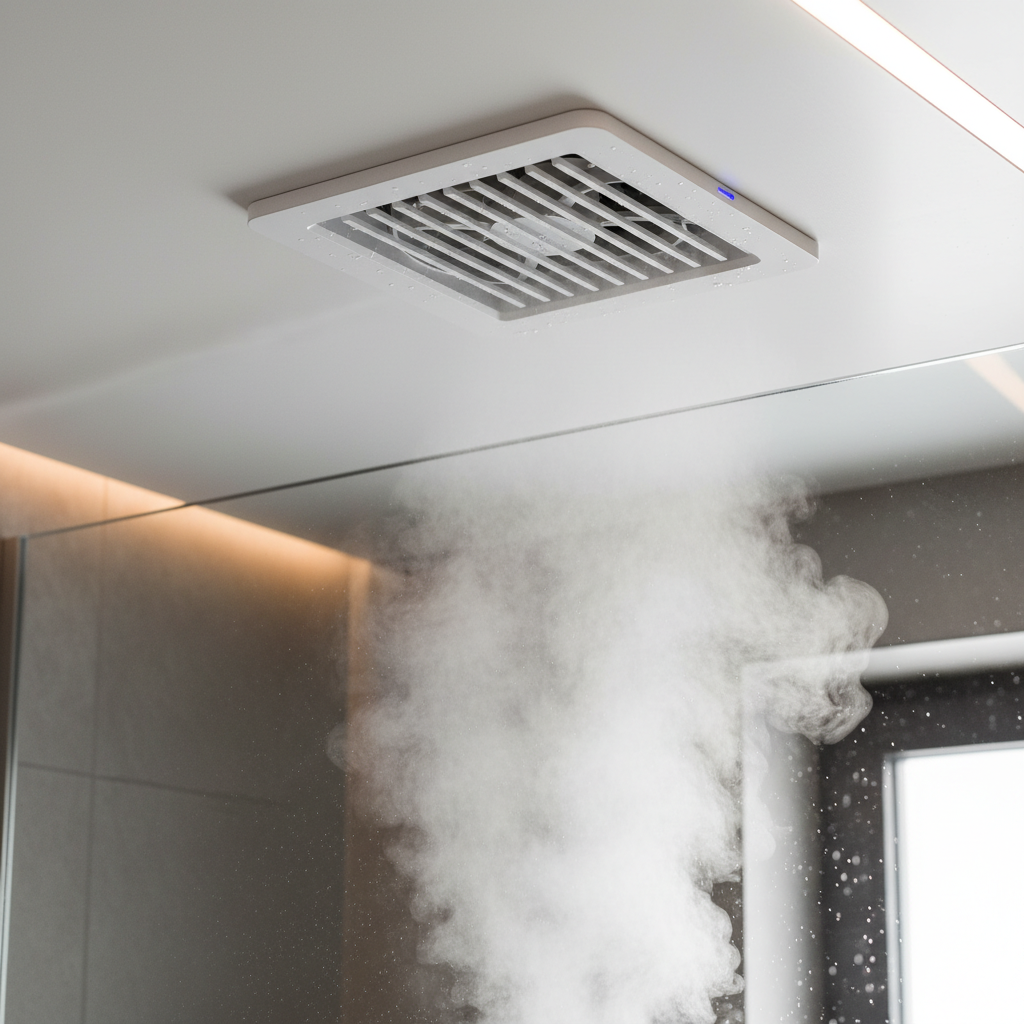
Identifying Symptoms of Weak Airflow
How do you know if your bathroom exhaust fan is underperforming? Common indicators include:
- Poor air movement: You may notice that steam doesn’t clear quickly after showers.
- Ongoing odors: Odors linger longer in the bathroom, suggesting ineffective airflow.
- High humidity levels: Persistent moisture can be felt or observed on mirrors and windows.
Common Causes of Weak Airflow in Bathroom Exhaust Fans
1. Clogged Fan Vents
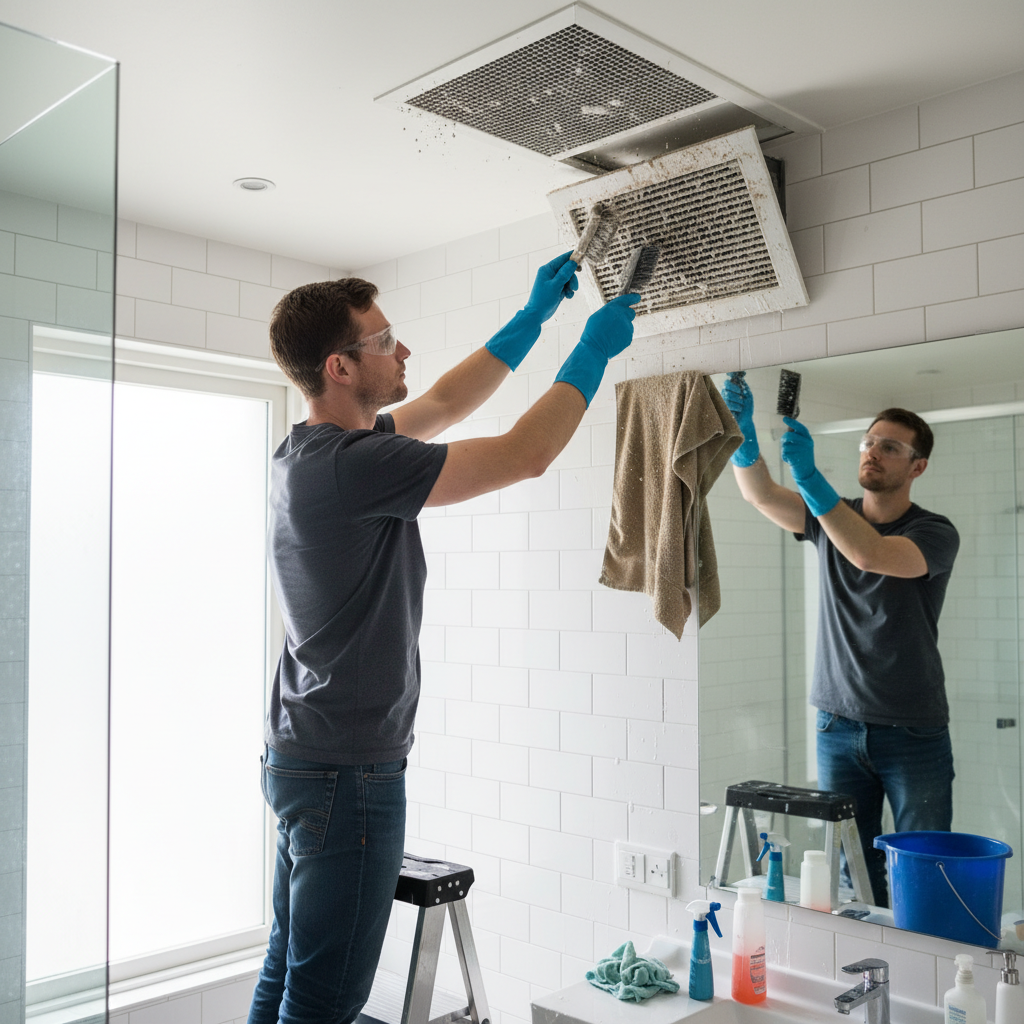
Dust, lint, and other debris can accumulate in the fan and ductwork, restricting airflow. A thorough cleaning can often resolve this issue.
2. Incorrect Fan Size
Exhaust fans come in various sizes, measured in cubic feet per minute (CFM). A fan that is too small for your bathroom will struggle to provide adequate ventilation. Typically, a fan should provide at least 1 CFM for every square foot of bathroom space.
3. Ductwork Problems
The exhaust ducts can also be a culprit. If the ducts are too long, contain sharp bends, or are improperly installed, they can restrict airflow significantly. Inspecting and possibly redesigning this ductwork is necessary for optimal performance.
4. Damaged or Blocked Fan Blades
Fan blades can get damaged over time, causing poor circulation. Blocked blades from debris can also contribute to weak airflow. Whether cleaning or replacing the components, addressing any blade issues is crucial.
5. Electrical Issues
If the fan motor isn’t functioning correctly, it may not spin fast enough, leading to reduced airflow. Electrical problems might require professional assessment and repair.
6. Aging Unit
Older models may simply have weaker performance due to wear and tear. If your fan is showing its age, it may be time to consider an upgrade.
How to Fix Weak Airflow in Your Bathroom Exhaust Fan
1. Clean the Fan and Ducts
Start by turning off the power to the fan. Remove the cover and clean the fan blades and the interior using a vacuum or damp cloth. Clear the ductwork of any obstructions to promote better airflow.
2. Check Fan Size
If you discover that your fan is undersized, consider replacing it with a model that offers higher CFM ratings, appropriate for your bathroom size.
3. Inspect Ductwork
Evaluate the layout of your ductwork. If it’s convoluted and overly long, this may be hindering airflow. Straightening ducts or using larger diameter ducts can help improve performance.
4. Examine and Replace Fan Blades
Look for any damage or blockage in the fan blades. If they’re bent or broken, replacing them can rejuvenate your fan’s capabilities.
5. Consult an Electrician
If you suspect there are electrical issues affecting the fan’s motor, consult a qualified electrician to diagnose and fix the problem safely.
6. Upgrade Your Exhaust Fan
Sometimes, the best option is to replace an aging unit with a more efficient model. Many new exhaust fans are designed with higher efficiency ratings and quieter operation.
FAQs About Bathroom Exhaust Fans
How often should I run my bathroom exhaust fan?
It’s recommended to run the fan during and at least 20 minutes after showers or baths to effectively reduce moisture levels.
Can I install my bathroom exhaust fan myself?
While installation is possible for those with DIY skills, hiring a licensed electrician or contractor is advisable to ensure proper setup and safety.
What is the average lifespan of a bathroom exhaust fan?
Typically, a bathroom exhaust fan lasts about 10 years, but maintenance and usage can affect this lifespan.
Conclusion
Having a fully operational bathroom exhaust fan is crucial for maintaining your home’s comfort and safety. By understanding the causes of weak airflow and implementing the right solutions, you can ensure that your bathroom is well-ventilated and free from excess moisture and odors. If you find that troubleshooting isn’t resolving the problem, don’t hesitate to reach out to a professional to ensure your home’s airflow is optimized.
For further guidance on maintaining a clean and safe home, check out resources from Good Housekeeping.