How to Effectively Combat Excessive Dust in Old Homes: Proven Solutions for a Cleaner Living Space
Excessive dust in old homes is a common challenge that can affect indoor air quality, trigger allergies, and make your living space feel uninviting. If you’ve noticed persistent dust buildup despite regular cleaning, understanding the causes and implementing targeted solutions is key to maintaining a healthier, cleaner home environment. In this article, we’ll explore why old homes tend to accumulate more dust and provide effective strategies you can apply to significantly reduce dust levels.
Why Do Old Homes Accumulate More Dust?
Old homes often accumulate dust more heavily due to several factors unique to their age and construction style. These include:

- Older Building Materials: Materials like plaster, wood, and older paint types tend to degrade and release more fine particles compared to modern materials.
- Cracks and Gaps: Over time, walls, windows, and doors develop cracks or gaps, allowing dust and pollen from outside to enter more easily.
- Outdated HVAC Systems: Older heating, ventilation, and air conditioning systems often have less efficient filtration and can circulate dust instead of trapping it.
- More Fabric and Soft Surfaces: Older furnishings, carpets, and curtains absorb dust and can become dust reservoirs.
Comprehensive Solutions to Reduce Dust in Old Homes
1. Upgrade Your Air Filtration System
One of the most effective ways to reduce dust is by improving your home’s air filtration. Consider these upgrades:
- Replace standard furnace filters with HEPA (High-Efficiency Particulate Air) filters, which trap up to 99.97% of particles as small as 0.3 microns.
- If your HVAC system is outdated, consult a professional about installing a whole-home air purifier or upgrading to a system with better sealing and filtration.
- Use portable air purifiers with HEPA filters in rooms where dust accumulation is greatest.
2. Seal Cracks and Improve Insulation
Minimizing the entry points for outdoor dust is crucial in older homes:
- Inspect and seal cracks around window frames, doors, baseboards, and attic spaces using weatherstripping, caulk, or spray foam.
- Consider adding or upgrading insulation, which helps reduce dust infiltration and improves energy efficiency.
- Install storm windows or secondary glazing where possible to create extra barriers.
3. Adopt Dust-Reducing Cleaning Techniques
How you clean makes a big difference in controlling dust:
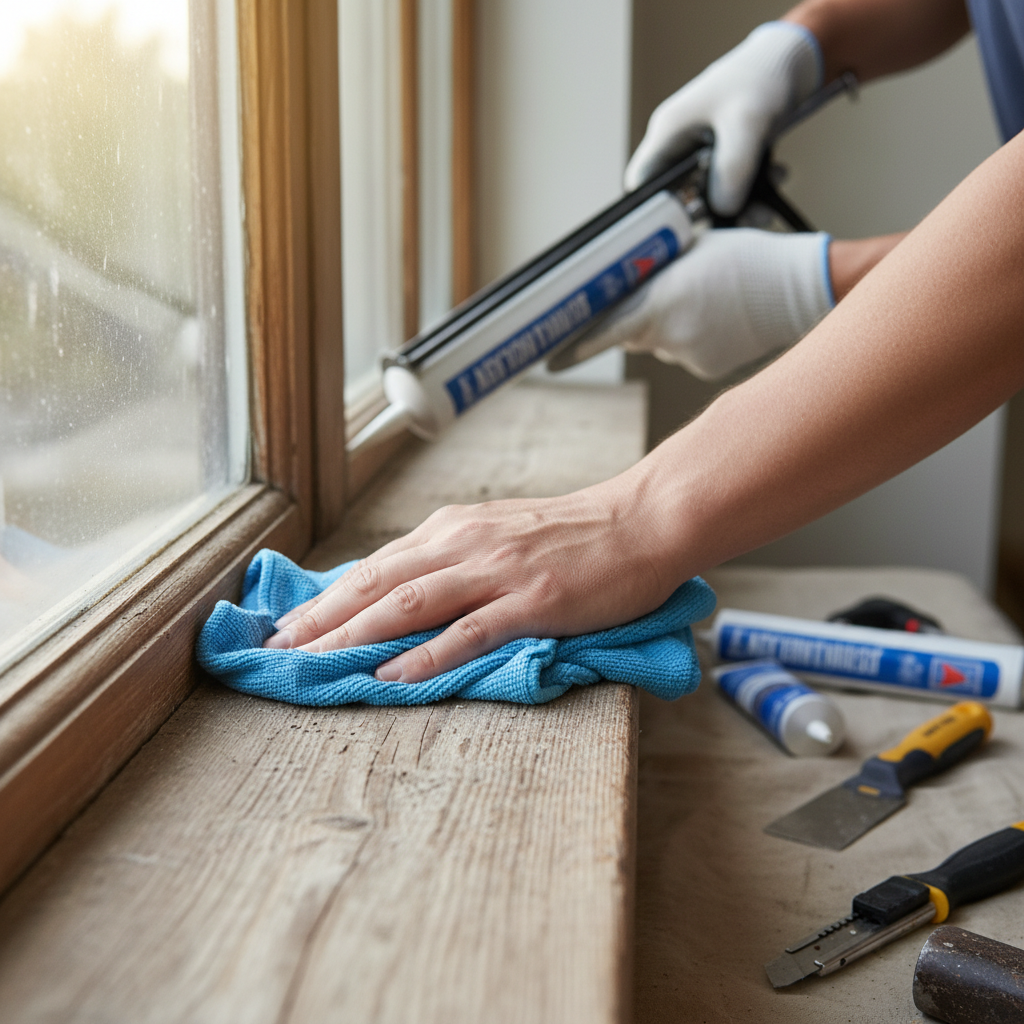
- Use microfiber cloths for dusting as they trap dust instead of spreading it around.
- Vacuum regularly with a vacuum cleaner equipped with a HEPA filter to prevent fine dust particles from being released back into the air.
- Damp mop hard floors instead of dry sweeping to capture dust effectively.
- Clean curtains, upholstery, and bedding often since they collect dust easily.
4. Declutter and Minimize Dust Harbingers
An organized home reduces dust accumulation:
- Reduce knick-knacks, open shelves, and clutter that can trap dust.
- Opt for washable area rugs over wall-to-wall carpeting that can hold dust.
- Choose furniture with smooth surfaces instead of fabric-heavy pieces that collect dust.
5. Control Humidity Levels
Dust mites thrive in humid environments. Try to keep indoor humidity between 30% and 50%:
- Use a dehumidifier in damp areas like basements or bathrooms.
- Ensure proper ventilation in kitchens and laundry rooms.
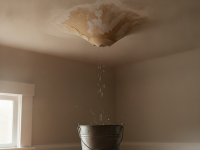
- Fix leaks promptly to prevent mold and dust mite proliferation.
Additional Tips for Maintaining Low Dust Levels
- Remove shoes at the door to prevent tracking in outdoor dust and dirt.
- Consider using door mats both inside and outside entryways.
- Regularly clean heating registers and replace furnace filters every 1-3 months.
- Maintain your home’s exterior by trimming trees and bushes, reducing pollen and debris buildup near windows.
Frequently Asked Questions About Dust in Old Homes
Q: How often should I replace my HVAC filters in an old home?
A: It’s best to replace HEPA or high-quality furnace filters every 1-3 months depending on usage and dust levels. More frequent replacement helps maintain cleaner air circulation.
Q: Are natural remedies effective for dust control?
A: While some natural methods, like essential oils or houseplants, may improve air quality slightly, they cannot replace thorough cleaning and proper filtration in reducing dust effectively.
Q: Will repainting walls help reduce dust?
A: Repainting with low-VOC, washable paint can prevent paint chipping that contributes to dust, but sealing cracks and improving air filtration are more impactful for dust control.
Q: Can pets increase dust in old homes?
A: Yes, pet dander contributes to dust buildup. Regular grooming and cleaning can reduce pet-related dust in your home.
Final Thoughts
Excessive dust in old homes can feel overwhelming, but with a strategic approach that includes upgrading air filtration, sealing entry points, improving cleaning routines, and managing humidity, you can substantially reduce dust levels and enjoy a cleaner, healthier living environment. For more expert guidance on maintaining indoor air quality and reducing allergens, Good Housekeeping’s comprehensive guide to dust control is an excellent resource.