How to Fix and Prevent Pooling Water Under Your Fridge: A Complete Guide
Discovering pooling water under your fridge can be both frustrating and alarming. Not only does it create a mess in your kitchen, but it can also signal potential issues that might lead to costly repairs or even health hazards if left untreated. In this comprehensive guide, we’ll explore the common causes of water pooling under refrigerators, how to fix these problems, and practical tips to prevent future leaks. Whether you own a French-door fridge, a side-by-side model, or a basic top-freezer unit, understanding why water drips beneath your appliance can save you time, money, and stress.
Why Is There Pooling Water Under Your Fridge?
Water pooling under a refrigerator is a common issue with several causes. Identifying the root cause is essential to address the problem effectively. Here are the most typical reasons your fridge might be leaking:
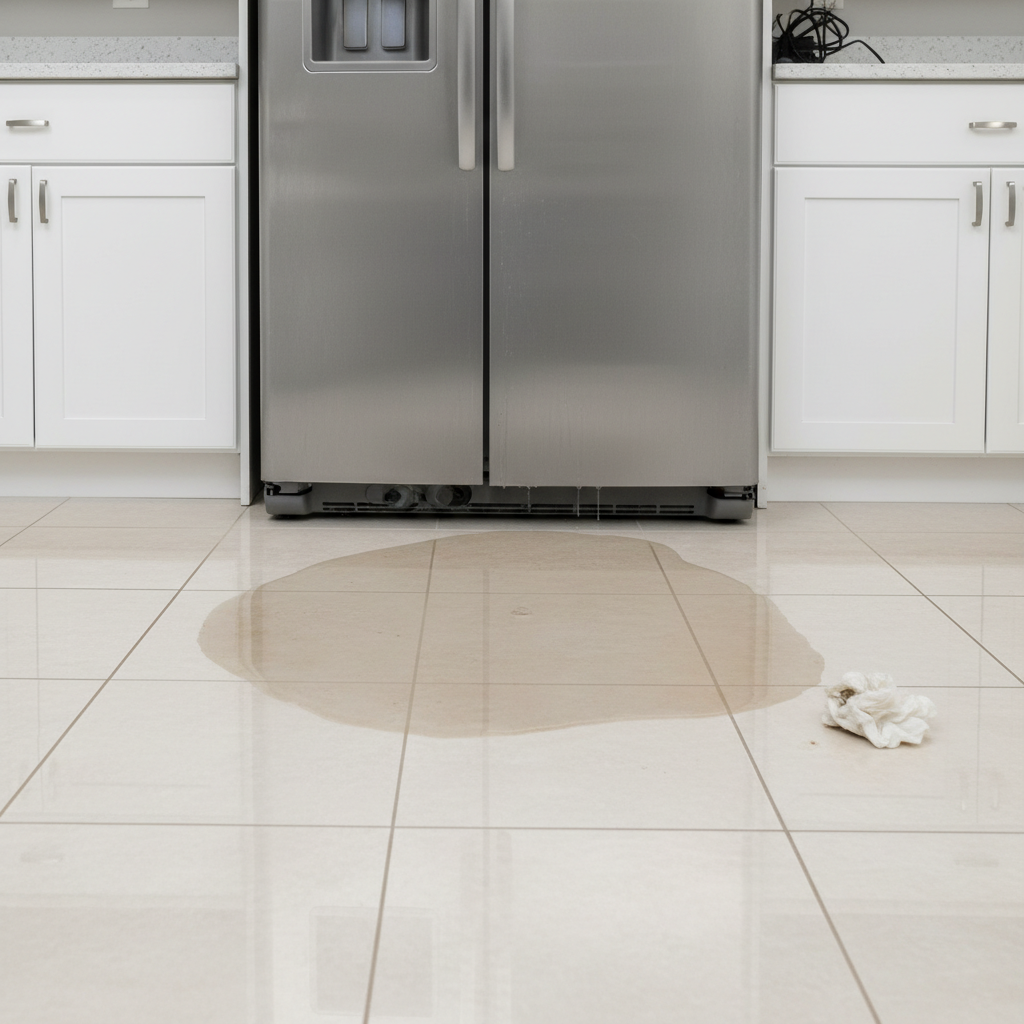
- Clogged Defrost Drain: Modern refrigerators periodically defrost to prevent ice buildup. The melted water from defrosting usually drains away through a hole at the back or bottom of the fridge. If this drain becomes clogged with food debris or ice, water will accumulate and eventually leak onto the floor.
- Damaged or Misaligned Drain Pan: The drain pan, located beneath the fridge, collects water from the defrost drain. If this pan is cracked, rusted, or displaced, water can leak out, causing pooling on the kitchen floor.
- Faulty Water Supply Line: If your fridge has a water dispenser or ice maker, a loose or damaged supply line may leak water under the appliance.
- High Humidity or Condensation: In certain environments, excess humidity can cause condensation underneath or around the fridge, especially if the appliance isn’t sealing properly.
- Blocked or Dirty Condenser Coils: While not a direct cause of leaks, dirty coils can cause excessive ice buildup from inefficient cooling, leading to water overflow when it melts.
How to Diagnose the Source of Water Under Your Refrigerator
Before attempting any repairs, it’s important to pinpoint where the water is coming from:
- Inspect the Drain Pan: Pull out your refrigerator carefully (make sure you unplug it first) and locate the drain pan at the bottom. Check if it has visible cracks or if water has overflowed from it.
- Check the Defrost Drain: Find the defrost drain hole inside your fridge (usually at the back of the freezer or fridge compartment) and see if it is clogged with ice or debris. You can try clearing it with warm water or gentle pipe cleaners.
- Look at Water Lines: If your model has an ice maker or water dispenser, examine the water supply line behind the fridge for leaks or loose connections.
- Monitor Humidity and Seals: Check the refrigerator door seals to ensure they are sealing properly. Weak seals can cause condensation issues.
Step-by-Step Solutions to Fix Pooling Water Under the Refrigerator
1. Clear the Defrost Drain
When the defrost drain is clogged, water will spill out instead of draining away:
- Unplug the refrigerator and remove items blocking access to the back or bottom freezer section.
- Locate the drain hole and clear any ice or debris with a pipe cleaner or warm water flushed through a turkey baster.
- Allow time for the area to dry before plugging the fridge back in and testing for leaks.
2. Inspect and Replace the Drain Pan
If the drain pan is cracked or damaged, it needs to be replaced to stop leaks:
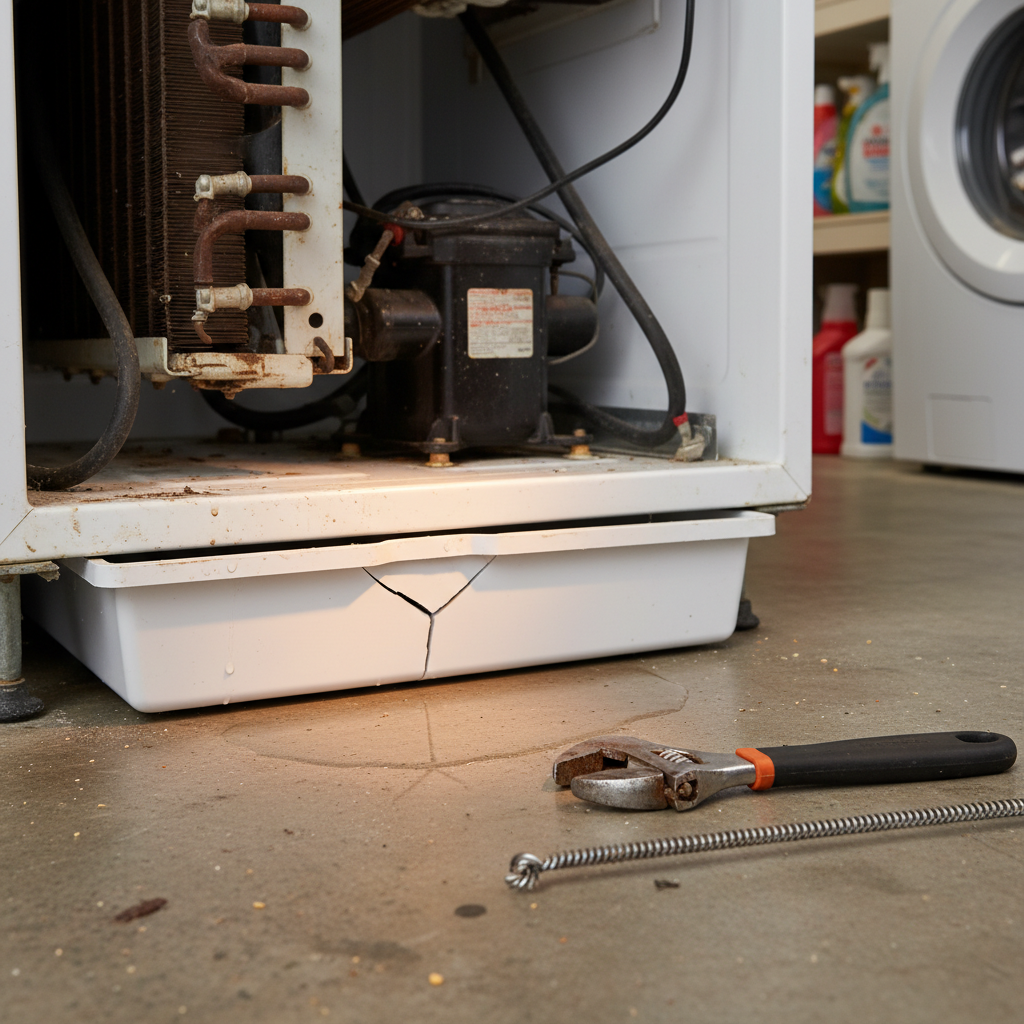
- Remove the drip pan carefully and inspect it for cracks or rust.
- Clean the pan of any standing water or debris using warm, soapy water.
- If damaged, purchase a replacement pan that matches your fridge model and install it securely.
3. Fix or Tighten Water Supply Lines
For refrigerators with water dispensers or ice makers, leaks often originate from the supply line:
- Locate the water supply line behind the fridge and check for cracks or loose fittings.
- Tighten any loose connections using a wrench and replace damaged hoses as needed.
- Test the dispenser and ice maker after repairs to ensure no more leaks occur.
4. Improve Door Seals and Reduce Condensation
Proper door seals prevent warm air from entering the fridge, minimizing condensation:
- Clean seals regularly with mild detergent to remove dirt and residues.
- Inspect seals for cracks or damage; replace if worn out.
- Avoid frequently opening the fridge door in humid environments.
5. Regularly Clean Condenser Coils
Dirty coils reduce efficiency and can contribute indirectly to water issues:
- Locate the coils on the back or underneath your fridge.
- Unplug the refrigerator, then carefully vacuum or brush off dust and debris.
- Perform this maintenance every 6-12 months for optimal performance.
Preventive Tips to Avoid Water Pooling Under Your Refrigerator
- Keep a Maintenance Schedule: Regularly check and clean the drain pan, defrost drain, and coils to prevent buildup of debris or ice.
- Maintain Door Seals: Clean and inspect seals routinely to ensure a tight closure and reduce moisture intrusion.
- Ensure Proper Leveling: Make sure your fridge is level to allow water to flow correctly towards the drain pan.
- Monitor Water Supply Lines: Inspect hoses yearly and replace them every few years or if you notice wear.
- Use a Water Leak Detector: Place a simple leak alarm near the fridge to alert you early about any future water pooling issues.
When to Call a Professional
While many water pooling problems under a fridge can be solved with a DIY approach, some situations require professional attention:
- Leaking persists after you’ve cleared the drain and checked the pan.
- The refrigerator is not cooling properly or the compressor runs constantly.
- Electrical components or water lines need replacement or repair.
- If you’re unsure about performing repairs safely, hiring a certified appliance technician is the best course of action.
Frequently Asked Questions About Water Under Refrigerator
Q1: Is it normal to see water under my refrigerator?
A: Small amounts of water might occasionally appear due to condensation or defrost cycles, but persistent pooling is a sign of a problem you should address.
Q2: Can a clogged defrost drain cause my fridge to freeze?
A: Yes, when the defrost drain is blocked, water can freeze and contribute to ice buildup inside the fridge or freezer.
Q3: How do I prevent mold growth under my refrigerator?
A: Regularly wipe down the floor under the fridge, keep the drain pan clean, and fix leaks immediately to prevent mold and mildew buildup.
Q4: Can I use vinegar to clear a blocked defrost drain?
A: Yes, a mixture of warm water and white vinegar can help dissolve debris and sanitize the drain, making it a safe and effective choice.
Final Thoughts
Pooling water under your refrigerator is a common but manageable issue. With regular maintenance, timely repairs, and awareness of your appliance’s components, you can keep your kitchen dry and your refrigerator running efficiently. For additional expert tips on refrigerator care and home maintenance, check out the guidelines provided by Good Housekeeping.
Address water pooling promptly to avoid slipping hazards, damage to your flooring, and more serious appliance failures. A little attention goes a long way in prolonging the life of your refrigerator and keeping your home safe and comfortable.