Understanding Squeaky Floors in Older Homes
Squeaky floors in older homes can be a persistent annoyance, disrupting the tranquility of your living space. If you’ve noticed creaks and groans every time you walk across the room, you’re not alone. These sounds typically stem from the natural settling of the house over time, changes in humidity, and the aging of wooden subfloors and joists. Fortunately, there are practical and effective solutions that can help you quiet those squeaks and restore comfort to your home.
Why Do Floors Squeak?
Before diving into fixes, it’s important to understand the causes of squeaky floors. In older homes, several factors contribute:
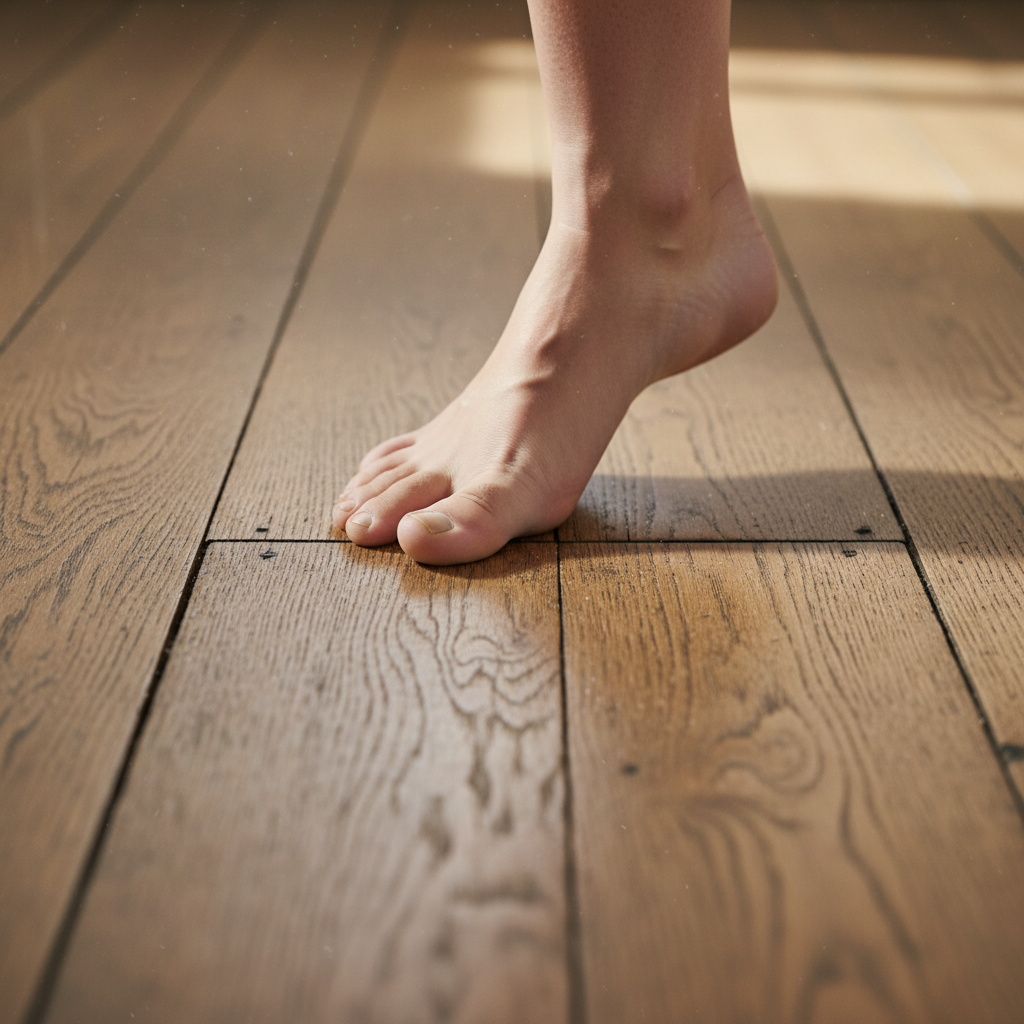
- Wood Shrinkage and Expansion: Wood expands and contracts with humidity changes. Over the years, gaps can form between floorboards or between subfloors and joists.
- Loose Nails or Fasteners: Nails can loosen or corrode, causing floorboards to move slightly underfoot.
- Settling Foundation: An older foundation may shift, leading to structural movement that affects the flooring above.
- Wear and Tear: Continuous foot traffic, temperature fluctuations, and age weaken the connection between floor components.
How to Identify the Source of Floor Squeaks
Pinpointing the exact spot of a squeak is the first step in an effective repair. Here’s how:
- Walk Test: Walk across the floor in a systematic pattern to locate squeaky areas.
- Marking: Use painter’s tape or chalk to mark squeaky spots for closer inspection.
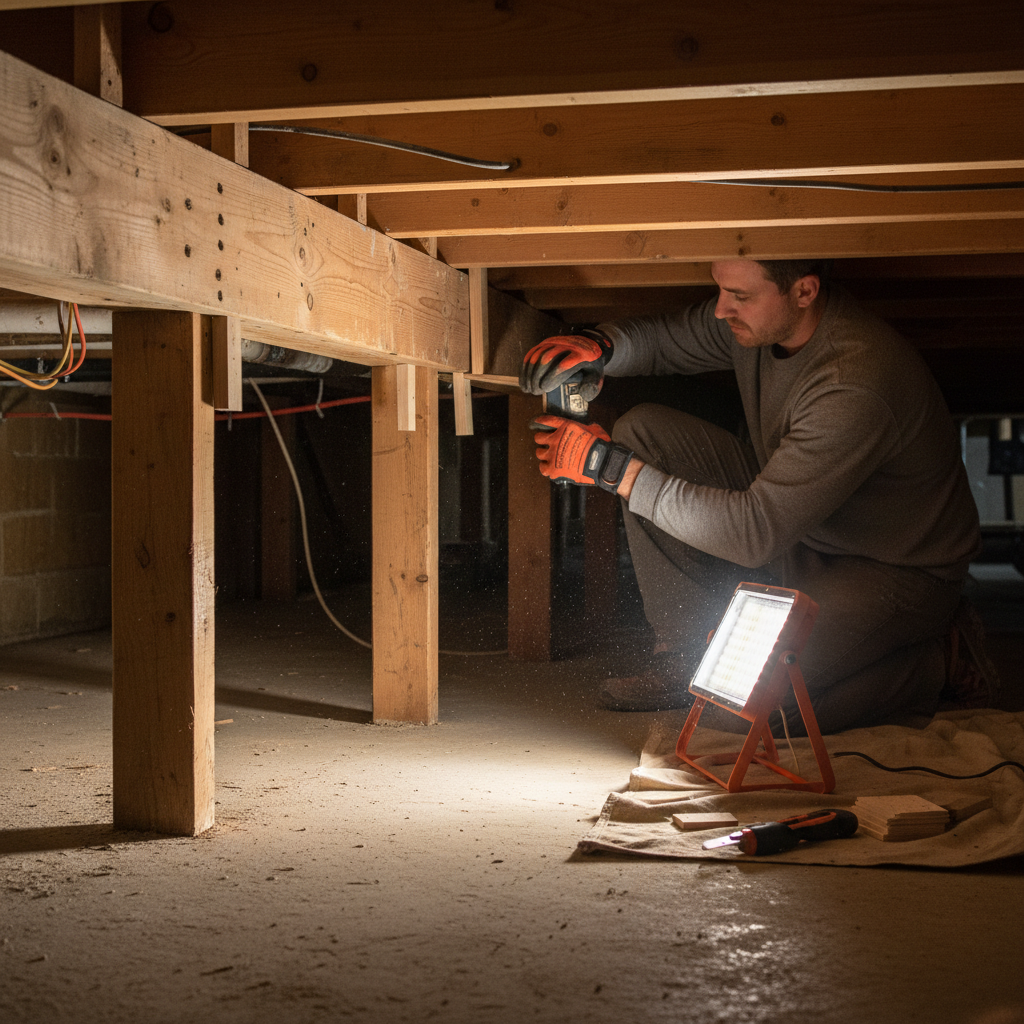
- Basement or Crawlspace Inspection: If accessible, inspect the floor joists underneath for loose connections or damage.
DIY Solutions for Fixing Squeaky Floors
Many homeowners successfully address squeaky floors using simple do-it-yourself techniques. Here are some proven methods:
1. Fixing from Above: Securing Floorboards
If you can access the floorboards from above (especially in rooms where you can move furniture easily), try the following:
- Identify Loose Boards: Gently apply pressure to locate boards that move excessively.
- Drive New Screws: Replace old nails with wood screws that pull the floorboards tightly to the joists—be sure to countersink the screws slightly and fill with wood filler to hide them.
- Use Construction Adhesive: For added stability, spread a bead of wood glue or construction adhesive between the subfloor and joists before screwing boards down.
2. Fixing from Below: Tightening Joist Connections
If you have a basement or crawlspace, access beneath the floor offers an excellent opportunity to fix squeaks without damaging your flooring:
- Use Shims: Insert wood shims coated with construction adhesive between joists and subfloor to eliminate gaps.
- Screw Subfloor Down: Drive screws from below to re-secure the subfloor to the joists. Make sure to keep the screws flush to avoid future issues.
- Install Squeak-Ender: Specialized hardware like the Squeak-Ender can tighten loose floor framing efficiently.
3. Powdered Graphite or Talcum Powder
For minor squeaks caused by rubbing floorboards, sprinkle powdered graphite or talcum powder into gaps, then work it in with a soft brush. This reduces friction and temporarily diminishes noise. However, this is usually a temporary fix.
When to Call a Professional
While many squeaky floors can be resolved with DIY efforts, some situations require professional attention:
- Extensive Structural Damage: If joists or subflooring are warped, cracked, or rotten, a contractor can assess and repair structural integrity.
- Older Floors with Hardwood: Refinishing hardwood floors as part of the squeak repair may be best left to experts.
- Unidentified or Persistent Squeaks: If you cannot locate the source or squeaks return despite fixing, a professional inspection can pinpoint hidden issues.
Preventive Tips to Keep Floors Quiet
Prevent future squeaks by maintaining proper home conditions and regular upkeep:
- Control Humidity: Use dehumidifiers or humidifiers to maintain stable indoor humidity, limiting wood expansion/contraction.
- Maintain Foundations: Have your foundation inspected periodically to avoid settlement issues.
- Regular Inspection: Check for loose nails or screws annually and tighten them if needed.
Recommended Resources
For further expert advice on maintaining and repairing floors in older homes, Better Homes & Gardens offers a comprehensive guide covering tools, techniques, and preventative measures to keep your floors silent and sturdy.
Frequently Asked Questions about Squeaky Floors
Q1: Are squeaky floors a sign of structural problems?
Not always. Squeaks are common in older homes due to wood movement and minor looseness. However, persistent or worsening squeaks alongside other signs may indicate structural issues needing professional evaluation.
Q2: Will hardwood floors squeak more than carpeted floors?
Hardwood floors tend to squeak more because the boards can rub against each other or the subfloor. Carpeting tampers the movement and noise but can sometimes hide underlying problems.
Q3: Can I fix squeaky floors without removing floorboards?
Yes, many squeaks can be fixed from below the floor or by screwing through the flooring surface if you don’t want to remove boards.
Q4: How long does a DIY fix last?
DIY fixes vary depending on the cause and method used. Some may last years, while others might need touch-ups or further repairs over time.
Q5: Is it expensive to fix squeaky floors professionally?
Costs vary widely depending on the severity, floor type, and repair scope, but professional repair typically ranges from $150 to $500 or more.