How to Identify and Fix Noisy Dripping in Walls: A Homeowner’s Guide
If you’ve ever been kept awake at night by the sound of a noisy dripping in your wall, you know how unsettling and frustrating it can be. That persistent drip-drip-drip noise signals a problem that rarely fixes itself. In this comprehensive guide, we will explore the common causes of noisy dripping within walls, how to diagnose the issue, and effective solutions to stop the noise and prevent potential water damage. Follow our step-by-step advice to restore peace and protect your home.
Why Do Walls Make Noisy Dripping Sounds?
Noisy dripping sounds inside walls are often caused by water-related issues or plumbing faults. The most frequent culprits include:
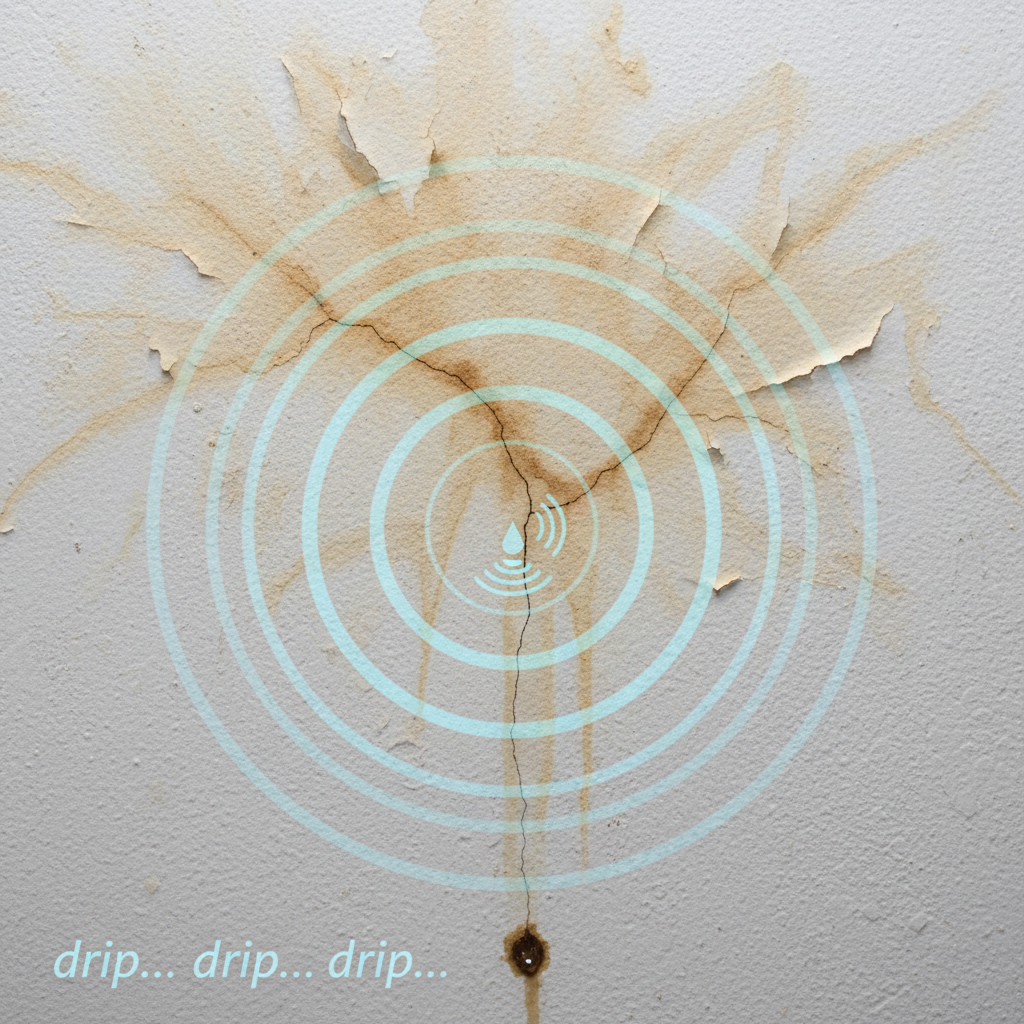
- Leaking Pipes: A small crack or joint failure in your plumbing pipes concealed inside the wall can slowly drip water, creating an audible dripping noise.
- Condensation and Moisture Build-up: In humid environments, condensation on cold pipes or behind drywall can drip and make noise.
- Faulty Fixtures or Valves: Running toilets or dripping faucets connected through pipes in walls may cause ongoing dripping sounds.
- Blocked or Broken Drain Lines: Obstructions in drain pipes could cause water to back up and drip behind walls.
How to Diagnose Noisy Dripping Inside Walls
To effectively fix noisy dripping in walls, accurately diagnosing the source is essential. Here are the steps a homeowner can take:
1. Localize the Sound
Start by identifying the exact wall or room where the dripping noise is loudest. Listen carefully and mark the spot where the sound seems strongest.
2. Check Water Fixtures Nearby
Inspect sinks, toilets, and showers on the same wall for visible leaks or dripping. Sometimes the noise originates from faulty fixtures rather than pipes inside the wall.
3. Monitor Your Water Meter
Turn off all water usage appliances and check if the water meter is still running. If it moves, you may have an unseen leak inside your plumbing system.
4. Look for Visible Signs of Water Damage
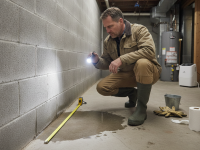
Examine your drywall, baseboards, or flooring for discoloration, warping, or mold, which can indicate a leak behind the wall.
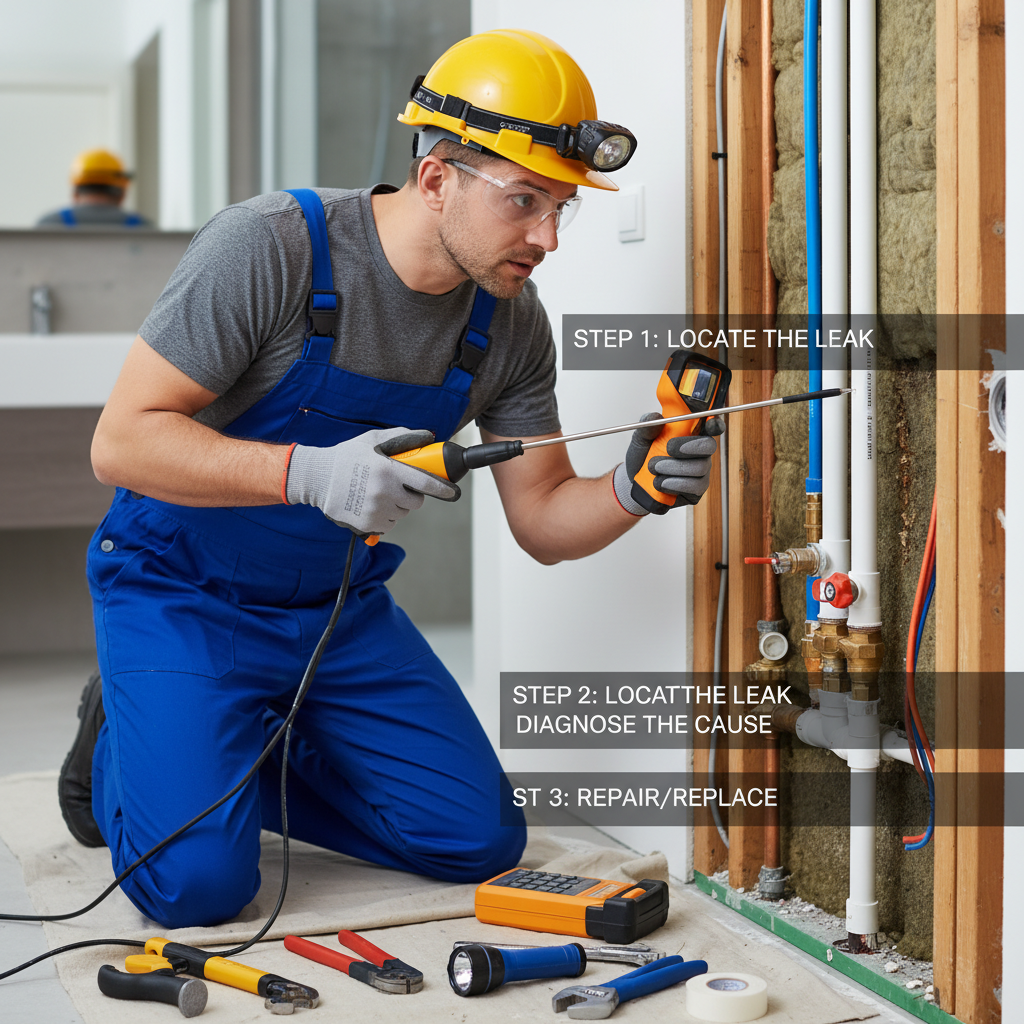
5. Use Moisture Meters or Infrared Cameras
Tools like moisture meters or thermal imaging cameras can detect damp areas inside walls without invasive teardown.
Common Causes of Noisy Dripping and How to Fix Them
Leaking Internal Pipes
Leaks inside wall pipes are one of the most common causes of dripping noises. To fix this:
- Turn Off Water Supply: Shut off the main water supply to prevent further damage.
- Call a Professional Plumber: These hidden leaks often require expert inspection and pipe repair or replacement.
- Consider Pipe Insulation: Insulating pipes can help prevent condensation and dripping noises.
Condensation Dripping
If moisture buildup is causing dripping sounds, here’s how to stop it:
- Improve ventilation in the area to reduce humidity.
- Install vapor barriers and insulate cold pipes to minimize condensation.
- Use a dehumidifier in damp spaces, especially basements or crawl spaces.
Faulty Faucets and Valves
Dripping coming from valves or fixtures connected through walls:
- Repair or replace leaking faucets and valves promptly.
- Check shutoff valves to ensure they close fully without leaks.
Preventing Noisy Dripping in Your Walls
To avoid the annoyance and risk of water damage from dripping inside walls, follow these preventive measures:
- Schedule regular plumbing inspections to catch minor leaks early.
- Keep your home’s humidity levels between 30-50%.
- Insulate pipes running through unheated or exterior walls.
- Ensure good home ventilation, especially in bathrooms, kitchens, and laundry spaces.
- Repair or replace old or corroded plumbing promptly.
When to Call a Professional
Noisy dripping inside walls can be a sign of serious plumbing or structural issues. Contact a licensed plumber immediately if:
- You notice mold growth or extensive water damage.
- Water meter shows movement despite no water in use.
- Dripping noise persists despite your troubleshooting efforts.
- You spot cracked or bulging drywall panels.
Early professional intervention saves money by preventing major repairs and helps maintain your home’s integrity and safety.
Frequently Asked Questions (FAQs)
Q: Can noisy dripping in walls cause structural damage?
A: Yes, prolonged water leaks can weaken drywall, wood framing, and even foundation components, leading to significant structural damage.
Q: How long does it take to fix a leaking pipe inside a wall?
A: The repair timeline varies depending on the pipe location and extent of damage but usually takes a few hours to a full day.
Q: Is it safe to live in a house with a dripping sound in the walls?
A: While the noise itself is not immediately dangerous, it may indicate hidden leaks that could worsen and cause mold or electrical hazards.
Q: Can I fix noisy dripping in walls myself?
A: Minor condensation issues can be addressed by improving ventilation and insulation, but plumbing leaks often require professional repairs.
Q: How much does it cost to repair a leaking pipe inside a wall?
A: Costs vary widely, from a few hundred dollars for minor repairs to thousands for extensive pipe replacement and drywall repair.
Conclusion
Noisy dripping in your walls is not just an irritating sound; it’s often a warning sign of plumbing leaks or moisture problems. Addressing it promptly with the right diagnosis and repair is key to safeguarding your home from costly damage. Whether it’s calling in a plumber, improving ventilation, or insulating pipes, these steps will help you stop the drip and restore peace of mind.
For more expert advice on home maintenance and plumbing issues, visit Good Housekeeping’s plumbing tips.