How to Identify and Fix Noisy Dripping Sounds in Your Wall: A Complete Guide
Hearing a persistent noisy dripping sound in your wall can be both unsettling and frustrating. Whether it occurs day or night, this annoying noise might signal plumbing issues, condensation problems, or even pests inside your walls. In this comprehensive guide, we will explore the common causes of noisy dripping in walls, how to diagnose the issue, and practical steps to fix it, ensuring peace and quiet in your home again.
Understanding the Causes of Noisy Dripping in Walls
Before you can effectively address the dripping sound, it’s important to understand the possible causes. Here are the primary reasons why you might hear a dripping noise coming from within your walls:
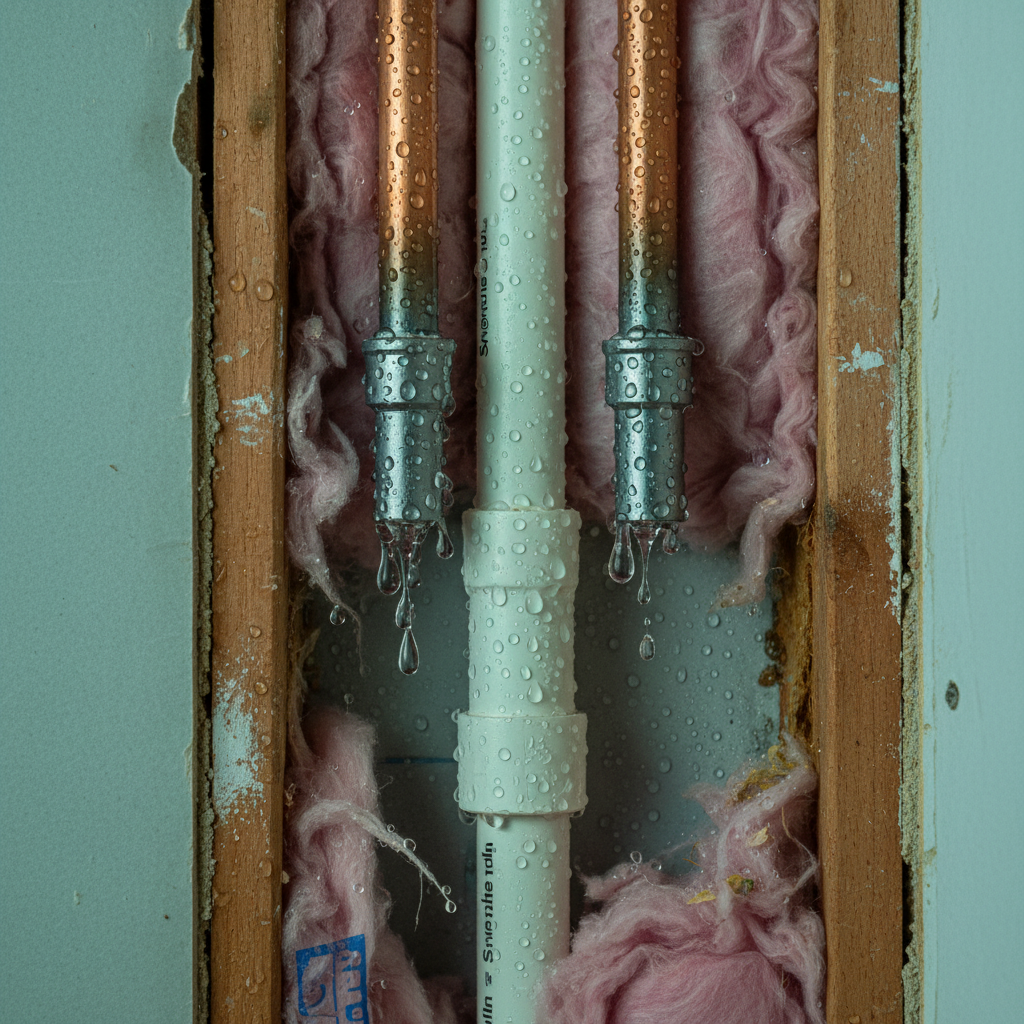
- Leaking Pipes: This is the most common culprit. A small leak can cause water to drip continuously, generating noise and potentially leading to water damage.
- Condensation Build-Up: Moisture can accumulate inside walls in areas with high humidity, causing dripping or trickling sounds when condensation droplets form and fall.
- Pest Activity: Certain pests like carpenter ants or termites can create noises that resemble dripping water, especially when they tunnel through moist wood sections.
- Drainage Issues: A clogged or improperly functioning drainage pipe behind the wall can cause water to pool and drip unexpectedly.
- Appliance or Fixture Problems: Plumbing fixtures like toilets, sinks, or water heaters adjacent to walls might leak, making it seem like the sound originates inside the wall.
How to Diagnose the Source of the Noisy Dripping
Pinpointing the exact source of the dripping noise can be challenging but is essential for effective repair. Here’s a step-by-step approach to diagnosing the issue:
- Listen Carefully: Note the time of day and specific location where the noise is loudest. Is the dripping consistent or intermittent? Does it coincide with water usage in your home?
- Inspect Visible Plumbing: Check sinks, toilets, and water heaters near the noisy wall for visible leaks or moisture patches.
- Check for Moisture Signs: Look for discolored paint, swelling drywall, peeling wallpaper, or musty odors around the wall area—these are indicators of water damage.
- Use Tools if Necessary: Moisture meters can detect hidden dampness behind walls. Thermal imaging cameras can pinpoint temperature anomalies indicating water leaks.
- Consider Professional Help: If you cannot locate the source, a licensed plumber or home inspector can perform specialized leak detection using acoustic equipment and cameras.
Effective Fixes for Noisy Dripping Inside Walls
Once you’ve identified the cause, taking prompt action will prevent further damage and restore quiet in your space. Consider these solutions:
1. Repair Leaking Pipes
If the sound is caused by a plumbing leak, shut off the water supply to the affected area immediately. Replace or repair damaged pipes, fittings, or joints using quality materials. Hiring a professional plumber is recommended for best results and to avoid future leaks.

2. Address Condensation Problems
Improve wall insulation and ventilation to reduce humidity buildup. Use exhaust fans in bathrooms and kitchens, and consider installing a dehumidifier if necessary. Sealing wall gaps and cracks prevents moist air from entering.
3. Pest Control
If pests are the cause, quarantining the area and contacting a pest control specialist will eradicate insects damaging your walls. Repair damaged sections to prevent reinfestation.
4. Clear Drainage Blockages
Ensure that drainage systems adjacent to walls are debris-free and functioning properly. Clean gutters, downspouts, and drains regularly to prevent water intrusion into walls.
5. Fix Plumbing Fixtures
Tighten or replace fixtures leaking into the wall cavity. Proper maintenance of toilets, faucets, and water heaters helps avoid hidden leaks.
Preventive Measures to Avoid Future Dripping Noises
- Perform regular plumbing inspections to detect leaks early.
- Maintain proper home ventilation to control indoor humidity.
- Seal cracks and gaps in exterior walls to keep moisture out.
- Keep gutters and drainage systems clean and functional.
- Invest in routine pest control treatments if you live in pest-prone areas.
FAQs About Noisy Dripping in Walls
Why do I hear dripping noises in my wall only at night?
At night, ambient noise levels are lower, making small sounds like drips more noticeable. Also, changes in temperature and water usage patterns can affect pipe contraction and condensation.
Can a dripping sound in my wall cause structural damage?
Yes, persistent leaks or moisture buildup can weaken drywall, wood framing, and insulation, leading to mold growth and costly repairs.
Is it okay to ignore a dripping noise in the wall?
No. Ignoring the sound risks worsening leaks and potential water damage. Early detection prevents expensive repairs and health issues related to mold.
How much does it typically cost to repair leaks behind walls?
Costs vary depending on the extent and location of repairs, but simple fixes might cost a few hundred dollars. Extensive water damage requiring drywall replacement and mold remediation can run into thousands.
When should I call a professional?
If you can’t locate the source of the noise, notice water damage signs, or lack plumbing experience, contacting a licensed plumber or home inspector is wise.
Additional Resources
For more expert advice on troubleshooting and repairing home plumbing issues, visit Good Housekeeping’s Plumbing Sounds Guide.