How to Fix and Prevent a Laundry Room That Smells Like Mildew
If your laundry room smells like mildew, you’re not alone. A musty, damp odor in this space is a common problem due to the constant presence of moisture and warm air – perfect conditions for mold and mildew to thrive. Not only is this unpleasant, but it can also impact your clothes and home’s indoor air quality. Fortunately, there are effective steps you can take to both eliminate that mildew smell and prevent it from coming back. This detailed guide covers everything from identifying the cause of the odor to expert tips on maintaining a fresh, clean laundry area.
Why Does Your Laundry Room Smell Like Mildew?
The musty, mildew scent in your laundry room usually points to excess moisture and poor ventilation. Mildew is a type of mold that grows in damp environments and produces a distinctive musty smell. Causes include:
- Trapped Water: Leaks or standing water from your washing machine, sink, or even spills that haven’t dried quickly.
- Poor Air Circulation: Laundry rooms often have limited airflow, which traps humidity inside.
- Wet Laundry Left Too Long: Clothes or towels left damp too long in the washer or laundry baskets can start to mildew.
- Dirty Washing Machine: Residue build-up and mold growth inside the washer drum or rubber seals.
- Improper Drainage: Clogged or slow drains can retain humid water, promoting mold growth.
How to Get Rid of Mildew Smell in Your Laundry Room
Eradicating that lingering mildew odor requires addressing both the source and the residue left behind. Try these effective steps:
1. Clean the Washing Machine Thoroughly
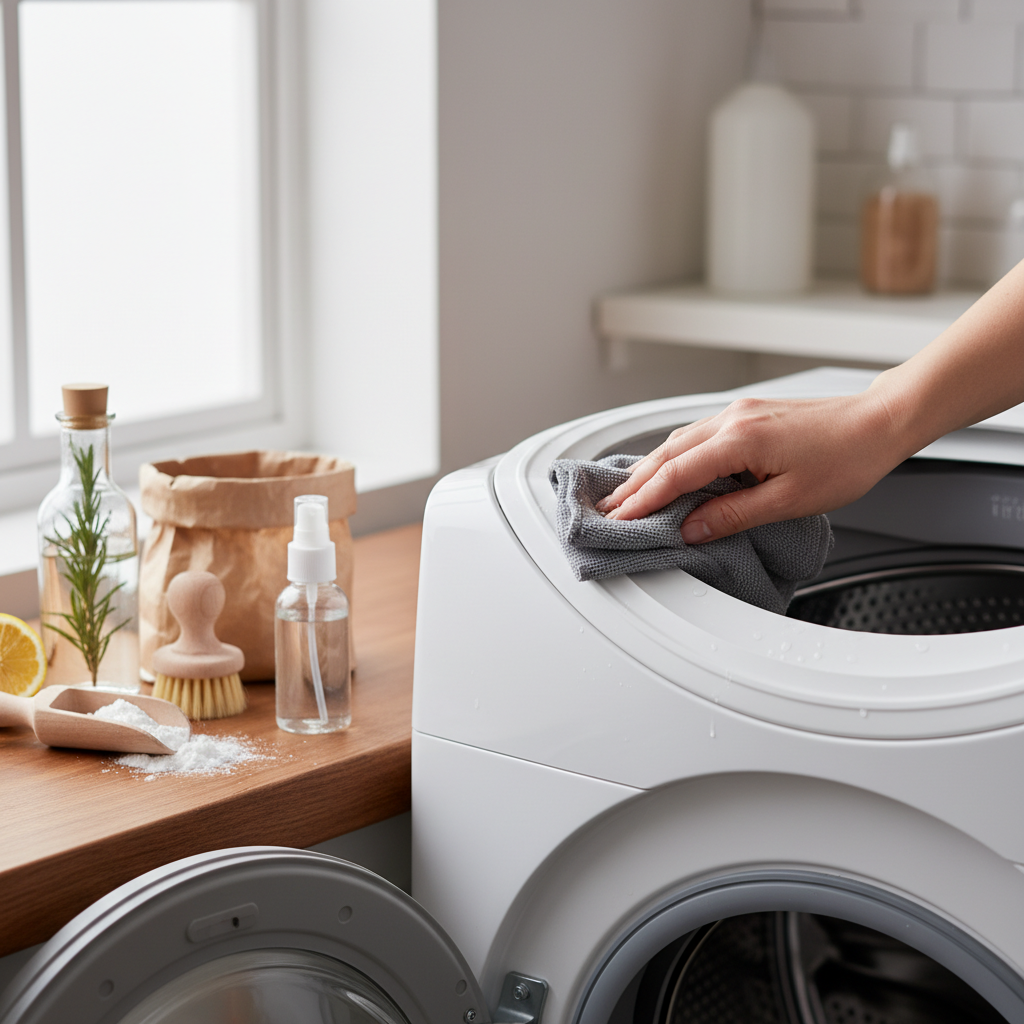
Washing machines, especially front-loaders, can harbor mold inside the drum and door seals. Run a cleaning cycle with hot water and either a washing machine cleaner or a mixture of white vinegar and baking soda. Make sure to wipe down the rubber gaskets and door edges where mold hides.
2. Improve Ventilation
Ensure your laundry room has adequate air circulation. Open windows or install an exhaust fan to help reduce humidity levels. A dehumidifier can also keep moisture at bay, especially in basements or rooms with no windows.
3. Dry the Room and Surfaces
Wipe down wet surfaces immediately after use. Using moisture absorbers like silica gel packs or activated charcoal in cabinets and laundry baskets can help control dampness.
4. Wash and Dry Laundry Promptly
Never leave wet clothes sitting in the washing machine or laundry baskets for long. Promptly drying them helps prevent mildew from setting in your garments or the surrounding space.
5. Check and Repair Leaks
Inspect hoses, faucets, and drains for leaks and repair them without delay. Standing water or leaks contribute directly to mildew growth.
6. Clean the Drain and Plumbing
Make sure the laundry area drains work properly and are free of clogs. Slow draining water increases humidity and mildew risk.
7. Use Natural Odor Absorbers
Place bowls of white vinegar or baking soda in the laundry room to absorb odors naturally. Replace them regularly for continued freshness.
Prevention Tips to Keep Your Laundry Room Smelling Fresh
Once you’ve eliminated the smell, maintaining good habits will prevent it from returning:
- Leave the washing machine door open after use to air it out.
- Clean the washing machine monthly with appropriate cleaners.
- Use high-efficiency detergent to avoid residue buildup inside the machine.
- Install a vented dryer or ensure dryer vents are clean and open.
- Avoid overloading the washing machine to improve rinsing efficiency.
- Regularly clean laundry baskets and hampers.
- Keep the floor dry and check for any hidden moisture beneath the machines.
When to Call a Professional
If you’ve tried all prevention and cleaning methods but the mildew smell persists, it may be a sign of hidden mold behind walls or under flooring. In this case, it’s best to contact a mold remediation specialist to assess and treat the problem safely.
FAQs About Laundry Room Mildew Smell
Q: Can I use bleach to get rid of mildew smell in the laundry room?
A: Yes, bleach is effective at killing mold on hard surfaces but should be used with caution. Always ventilate the room well and never mix bleach with ammonia or other cleaners. For washers, look for products specifically designed for cleaning machines.
Q: How can I tell if the smell is mildew or something else?
A: Mildew typically has a musty, earthy smell resembling damp basement air. Other odors could come from sewage backup, dead pests, or chemical spills. Identifying the source may require inspection.
Q: Are front-loading washers more prone to mildew smells?
A: Yes, because they seal tightly and retain moisture in the door gasket, they can develop mold more easily than top-loading machines. Regular cleaning and leaving the door open help prevent this.
Q: How often should I clean my washing machine to avoid mildew smells?
A: Monthly cleaning is recommended, especially if you do frequent loads or wash in cold water, which doesn’t kill bacteria as effectively.
Q: Can natural remedies like vinegar really help with mildew smells?
A: Yes, vinegar is a natural deodorizer and mild disinfectant. It helps break down mold spores and absorb odors but might not be sufficient for severe infestations.
Conclusion
A laundry room that smells like mildew is a sign of moisture imbalance that needs prompt attention. By identifying sources of dampness, enhancing ventilation, cleaning appliances, and establishing preventative habits, your laundry space can remain fresh and inviting. For ongoing tips on home care and organization, you can also check out the expert recommendations at Good Housekeeping, which offers reliable advice on tackling household mold and odors effectively.