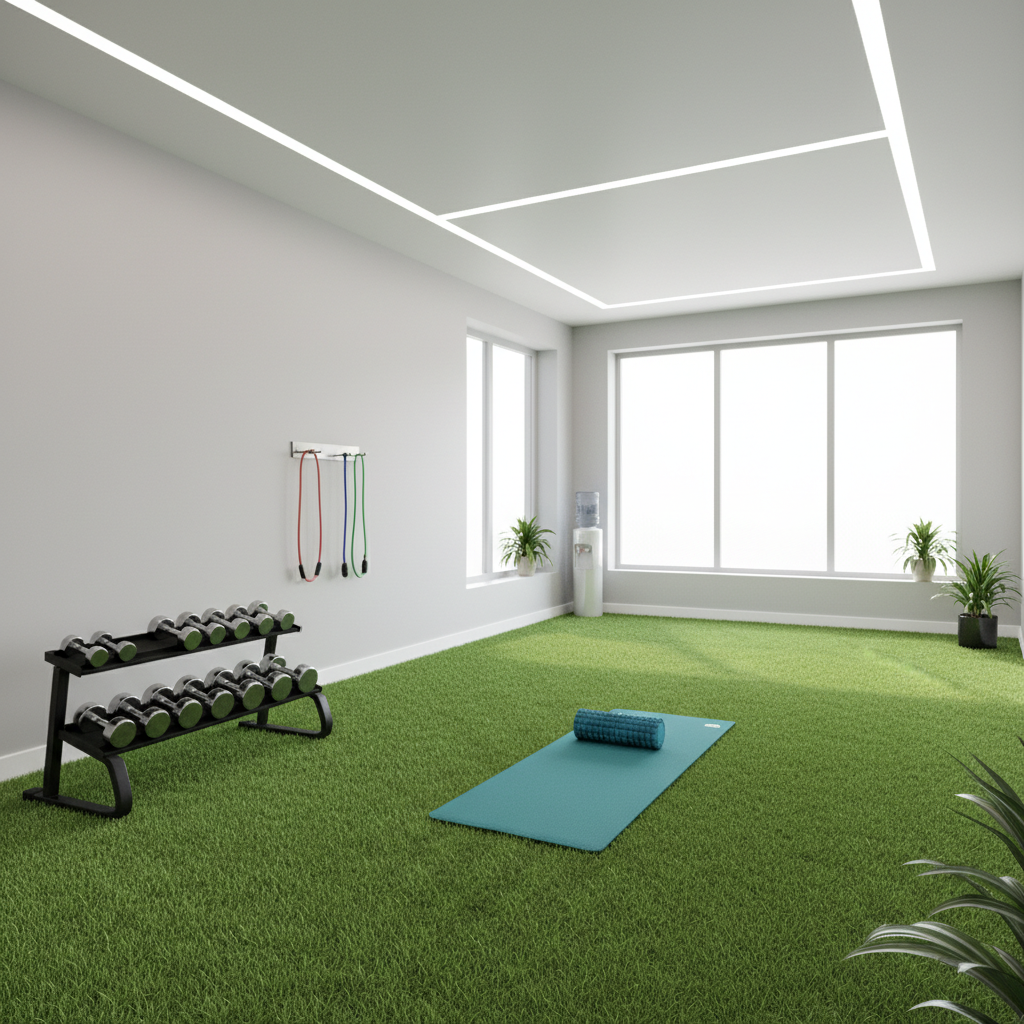
Transforming your indoor exercise room into a vibrant, motivating space can significantly impact your fitness journey. One of the most innovative and increasingly popular flooring solutions that marries aesthetics with high performance is faux grass flooring. Beyond its refreshing visual appeal, artificial turf offers a unique combination of durability, low maintenance, and a comfortable surface, making it an excellent choice for everything from high-intensity interval training (HIIT) to yoga and weightlifting. This guide will explore creative ideas, essential considerations, and practical tips to help you integrate artificial grass seamlessly into your home gym, creating an inspiring environment that feels like an outdoor escape.
Why Choose Faux Grass for Your Indoor Exercise Room?
The decision to install faux grass in your home gym goes beyond just its novel appearance. It brings a host of practical benefits that cater specifically to the demands of an active workout space.
Durability and Performance
Modern artificial turf is engineered for resilience. It can withstand heavy foot traffic, the impact of dropped weights, and the repetitive movements of various exercises without showing significant wear and tear. Unlike natural grass, it won’t thin out or develop bald spots, maintaining a consistent, high-performance surface for years. Its robust construction makes it ideal for functional training, sled pushes, and agility drills.
Aesthetic Appeal and Ambiance
There’s an undeniable psychological boost that comes from exercising in a beautiful environment. Faux grass introduces a natural, refreshing aesthetic, instantly turning a sterile room into an inviting oasis. The lush green texture can alleviate the feeling of being confined indoors, mimicking the invigorating atmosphere of an outdoor field or park. This connection to nature can enhance mood and motivation, making workouts more enjoyable and sustainable.
Low Maintenance Marvel
One of the most significant advantages of artificial turf is its minimal maintenance requirements. Unlike traditional gym flooring materials that might need specialized cleaning agents or frequent waxing, faux grass simply requires regular vacuuming or light cleaning to keep it looking pristine. There’s no mowing, watering, or fertilizing, freeing up your time and reducing ongoing costs associated with upkeep.
Safety First: Cushioning and Grip
Safety is paramount in any exercise space. Faux grass provides a moderate level of cushioning, which can be gentler on joints during high-impact activities compared to hard surfaces like concrete or tile. The textured surface also offers excellent grip, reducing the risk of slips and falls, especially during dynamic movements or when engaging in exercises that require stability and traction. This makes it a safer option for a wide range of fitness activities, from plyometrics to martial arts training.
Eco-Friendly Considerations
While artificial, many modern faux grass products are made from recycled materials and are designed to be environmentally conscious. By choosing faux grass, you’re opting for a material that doesn’t require water for irrigation, fertilizers, or pesticides, which contributes to a more sustainable home environment. Furthermore, its longevity means less frequent replacement and thus less waste over time.
Creative Faux Grass Flooring Ideas for Diverse Workouts
Faux grass offers incredible versatility in design and application, allowing you to tailor your exercise room to your specific workout needs and aesthetic preferences.
The Full Field Effect (Wall-to-Wall)
For the ultimate immersive experience, consider installing faux grass wall-to-wall. This creates the illusion of an expansive outdoor field, perfect for large home gyms or dedicated training spaces. A seamless installation provides an uninterrupted surface for various exercises, from sprinting and sled pushes to yoga and bodyweight workouts. Opt for a vibrant green for a classic look or explore shades like olive or lime for a modern twist.
Zoned Training Areas (Mats & Runners)
If you don’t want to commit to a full room installation or if your space is multi-functional, using faux grass as specific zones or mats can be incredibly effective. Create a dedicated area for agility drills with a long, narrow turf runner, or place square mats under specific equipment like a weight bench or a stretching corner. This approach allows you to enjoy the benefits of artificial turf precisely where you need it, integrating it with other flooring types like rubber or hardwood. These zones can define different workout stations, improving organization and flow within your gym.
Integrating with Other Flooring Types
Faux grass pairs exceptionally well with other common gym flooring materials. For instance, you could have a central faux grass strip for functional training flanked by rubber flooring for heavy weightlifting areas, or combine it with interlocking foam tiles for a softer, versatile space. This hybrid approach allows you to leverage the specific advantages of each material, creating a highly functional and visually interesting space. Consider using transition strips to create a smooth, safe edge between different flooring types.
Adding a Pop of Color or Texture
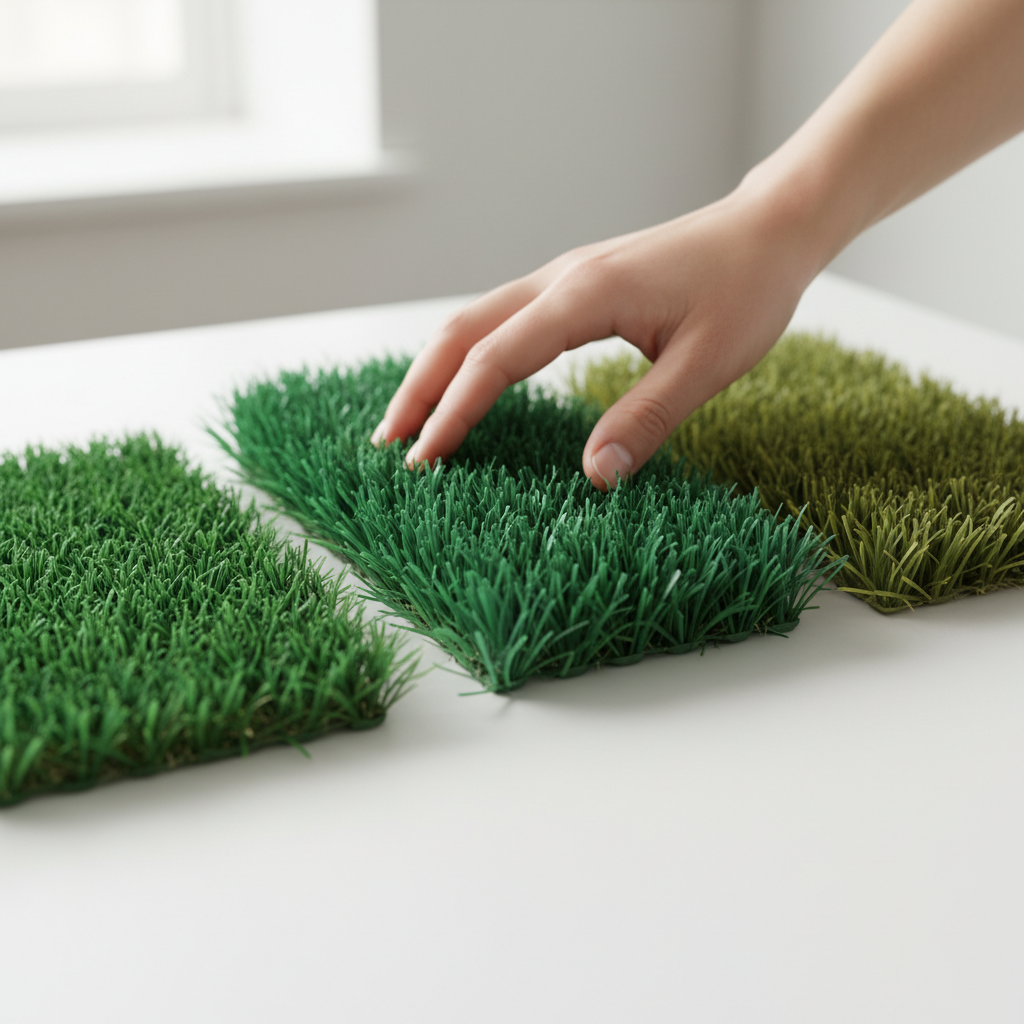
While traditional green is popular, faux grass is available in various shades and even colors. Imagine an indoor putting green section in a slightly different shade of green, or a unique black artificial turf for a sleek, modern gym aesthetic. Different pile heights and textures can also add visual interest, creating subtle patterns or designated zones. This allows for personalization and can help reinforce your gym’s overall design theme.
Multi-Functional Spaces
For those without a dedicated gym room, faux grass can define an exercise zone within a larger living area or basement. A faux grass rug or a precisely cut section can delineate your workout space from a lounge area or home office. This makes it easy to transition from work to workout, maintaining the overall aesthetic coherence of your home while still having a specialized surface for your fitness routine.
Choosing the Right Faux Grass: Key Considerations
Not all artificial turf is created equal. Selecting the right product for your indoor exercise room requires attention to several critical factors.
Pile Height and Density
The “pile height” refers to the length of the grass blades. For indoor exercise rooms, a shorter pile height (around 0.5 to 1.5 inches) is generally preferred. It offers a firmer, more stable surface for activities like jumping, sled pushes, and weightlifting, and is easier to clean. Denser turf (more blades per square inch) will be more durable and provide better cushioning and resilience over time.
Material Composition (Polyethylene vs. Polypropylene)
- Polyethylene: This is the most common material for quality artificial turf. It’s soft, durable, and has a natural look and feel. It’s excellent for general exercise and barefoot activities.
- Polypropylene: A more rigid and less expensive option, polypropylene is highly durable but can feel coarser. It might be suitable for high-traffic areas where softness is less of a concern, or for specific training where a very firm surface is desired.
Drainage and Ventilation
Even for indoor use, good drainage is important. The backing of the turf should allow for airflow and prevent moisture buildup, especially in areas prone to sweat or spills. Look for turf with perforations or a permeable backing to prevent mildew and odors. This is crucial for maintaining a hygienic environment.
Backing Type
The backing provides stability and support to the turf. Common backing materials include latex and polyurethane. Polyurethane-backed turf is often more durable, flexible, and less susceptible to expansion and contraction with temperature changes, making it a good choice for permanent installations. Latex backings are also common and effective.
UV Resistance (even indoors, for sunlight near windows)
If your indoor exercise room has large windows or receives significant direct sunlight, UV resistance is still an important feature. UV-stabilized turf will resist fading and degradation from sun exposure, ensuring its vibrant color lasts for years.
Certifications and Safety Standards
Prioritize faux grass products that are certified lead-free and free from harmful chemicals. Look for certifications that attest to the product’s safety, especially since it will be in close contact with your skin and potentially children or pets. Reputable manufacturers will provide this information. For more information on creating a safe and effective home gym, consider resources like HGTV’s guide to home gym essentials, which often covers flooring options.
Installation Guide: DIY vs. Professional
Installing faux grass can be a DIY project for smaller areas or simpler layouts, but a professional installation is recommended for larger, more complex spaces to ensure a seamless and durable finish.
Preparing Your Subfloor
Regardless of whether you go DIY or professional, proper subfloor preparation is crucial. The subfloor must be clean, dry, level, and free of debris. Any cracks or imperfections should be repaired. For concrete floors, ensure there are no moisture issues. A vapor barrier might be necessary in some basement installations.
Laying the Turf (Rolling, Cutting, Seaming)
Roll out the turf sections, allowing them to acclimate to the room temperature for several hours to relax any creases. Carefully cut the turf to fit the room’s dimensions or designated zones using a sharp utility knife from the backside. When joining multiple pieces, ensure the pile direction is consistent for a uniform look. Use specialized seaming tape and adhesive designed for artificial turf to create strong, invisible seams. Proper seaming prevents trip hazards and ensures a cohesive appearance.
Securing the Edges
For wall-to-wall installations, the edges can be secured with adhesive around the perimeter, or by tucking them under baseboards. For turf mats or runners, non-slip rug pads underneath can prevent movement, or you can apply adhesive around the perimeter to directly secure them to the subfloor. Transition strips are essential if your faux grass abuts other flooring types, providing a smooth, safe edge.
Infill (Optional for indoor, but worth mentioning for stability)
While common for outdoor installations, infill (sand or rubber granules) is generally optional and often unnecessary for indoor faux grass, especially for shorter pile heights. Its primary purpose outdoors is to help blades stand upright, provide weight, and offer cushioning. Indoors, it might create a mess or be less practical. However, for certain heavy-duty applications or to achieve specific performance characteristics, some installers might recommend a minimal amount of specialized, dust-free infill. Discuss this with your supplier or installer if you have unique requirements.
Maintenance Tips for Longevity and Hygiene
Keeping your faux grass exercise room clean and hygienic is straightforward with a regular maintenance routine.
Regular Cleaning Routine
Vacuum your faux grass regularly, just as you would carpet, to remove dust, dirt, and loose fibers. For areas with heavier traffic or where equipment is moved frequently, consider a brush attachment to lift the pile and prevent matting. Brushing against the grain of the fibers can help maintain their upright appearance.
Tackling Spills and Stains
Address spills immediately. For liquids, blot with a clean cloth. For sticky spills or minor stains, a mixture of mild soap and water (or a specialized turf cleaner) can be used. Rinse thoroughly with clean water and blot dry. Avoid harsh chemicals or abrasive scrubbers that could damage the fibers or backing.
Odor Control
Sweat and heavy use can sometimes lead to odors. To combat this, periodically sprinkle baking soda over the turf, let it sit for a few hours (or overnight), and then vacuum it thoroughly. Specialized artificial turf deodorizers are also available and can be effective. Ensure adequate ventilation in the room, especially during and after intense workouts.
Deep Cleaning
For a deeper clean, especially after prolonged heavy use, you can gently rinse the turf with a hose (if feasible indoors with proper drainage) or use a wet vacuum with a mild cleaning solution. Always ensure the turf and subfloor dry completely to prevent mold or mildew growth. For significant issues, professional turf cleaning services are an option.
Elevating Your Exercise Room Aesthetics: Beyond the Grass
Once your faux grass is installed, consider these design elements to complete your inspiring indoor workout sanctuary.
Complementary Wall Colors
Choose wall colors that complement the green of the turf. Neutrals like white, gray, or beige create a clean, minimalist backdrop, allowing the grass to be the focal point. Earthy tones, blues, or even vibrant yellows can create a dynamic and energetic atmosphere. Consider a feature wall in a bold color or with a textured finish to add visual interest.
Lighting Solutions
Good lighting is essential for both function and mood. Maximize natural light where possible. Supplement with bright, overhead task lighting for general illumination, and consider ambient lighting like LED strips or wall sconces to create a more inviting atmosphere during certain workouts (e.g., yoga or meditation). Dimmable lights offer flexibility for various activities.
Storage and Equipment Integration
Keep your exercise room organized with smart storage solutions. Wall-mounted shelves, cubbies, or dedicated racks for weights, bands, and yoga mats will keep the floor clear and safe. Integrate equipment seamlessly into the design; for example, choose sleek, modern pieces that enhance the overall aesthetic rather than detract from it.
Mirrors and Artwork
Mirrors are a practical addition to any gym, allowing you to check your form and making the space feel larger and brighter. Position them strategically. Incorporate motivational artwork, framed photos, or even a large mural that evokes nature or inspires movement to personalize the space and keep your spirits high.
Frequently Asked Questions (FAQs)
Is faux grass suitable for heavy exercise equipment?
Yes, modern faux grass is durable enough for most heavy exercise equipment. For extremely heavy items like power racks or treadmills, consider placing rubber mats underneath to protect both the turf and the subfloor, distribute weight, and minimize indentations.
Does artificial turf smell indoors?
High-quality, lead-free artificial turf designed for indoor use generally does not have a strong odor. However, like any flooring, it can absorb sweat and spills, potentially leading to odors if not cleaned regularly. Good ventilation and consistent cleaning will prevent this.
How do I clean sweat from faux grass?
For sweat, blot the area with a damp cloth immediately. For heavier accumulation, use a mild soap and water solution or an enzymatic cleaner specifically designed for pet odors or turf, then rinse lightly with clean water and allow to air dry completely. Ensure good air circulation to prevent mildew.
Can I install faux grass over carpet?
It is generally not recommended to install faux grass directly over existing carpet. The carpet creates an unstable, uneven surface that can lead to ripples, poor adhesion, and premature wear of the turf. It’s best to remove the carpet and install the turf on a clean, level subfloor.
Is it comfortable to work out on?
Yes, faux grass with a medium to short pile height provides a comfortable, slightly cushioned surface that is gentler on joints than hard concrete. It offers good grip for various exercises and feels pleasant underfoot, especially when working out barefoot.
Conclusion
Embracing faux grass flooring for your indoor exercise room is a fantastic way to infuse energy, style, and superior functionality into your home gym. From its inherent durability and low maintenance to its refreshing aesthetic and safety features, artificial turf offers a compelling solution for creating a workout space that truly inspires. By considering the right pile height, material, and installation methods, and by complementing it with thoughtful design elements, you can transform your exercise area into a vibrant, high-performance oasis that fuels your fitness goals every day. Step onto the green and experience the difference.