Every parent dreams of a magical space where their children can play, explore, and grow in complete safety and comfort. It’s a place where imagination runs wild, energy is boundless, and every moment is an adventure. But designing such a sanctuary often comes with a challenge: what kind of flooring can truly stand up to the rigors of childhood while providing a soft, hygienic, and inspiring surface?
Traditional options like hard tile or wood can be unforgiving during tumbles, while carpets can harbor allergens and stains. Foam mats, though soft, sometimes lack aesthetic appeal and long-term durability. What if you could bring the vibrant, natural feel of the outdoors inside, without the mud, pollen, or constant upkeep?
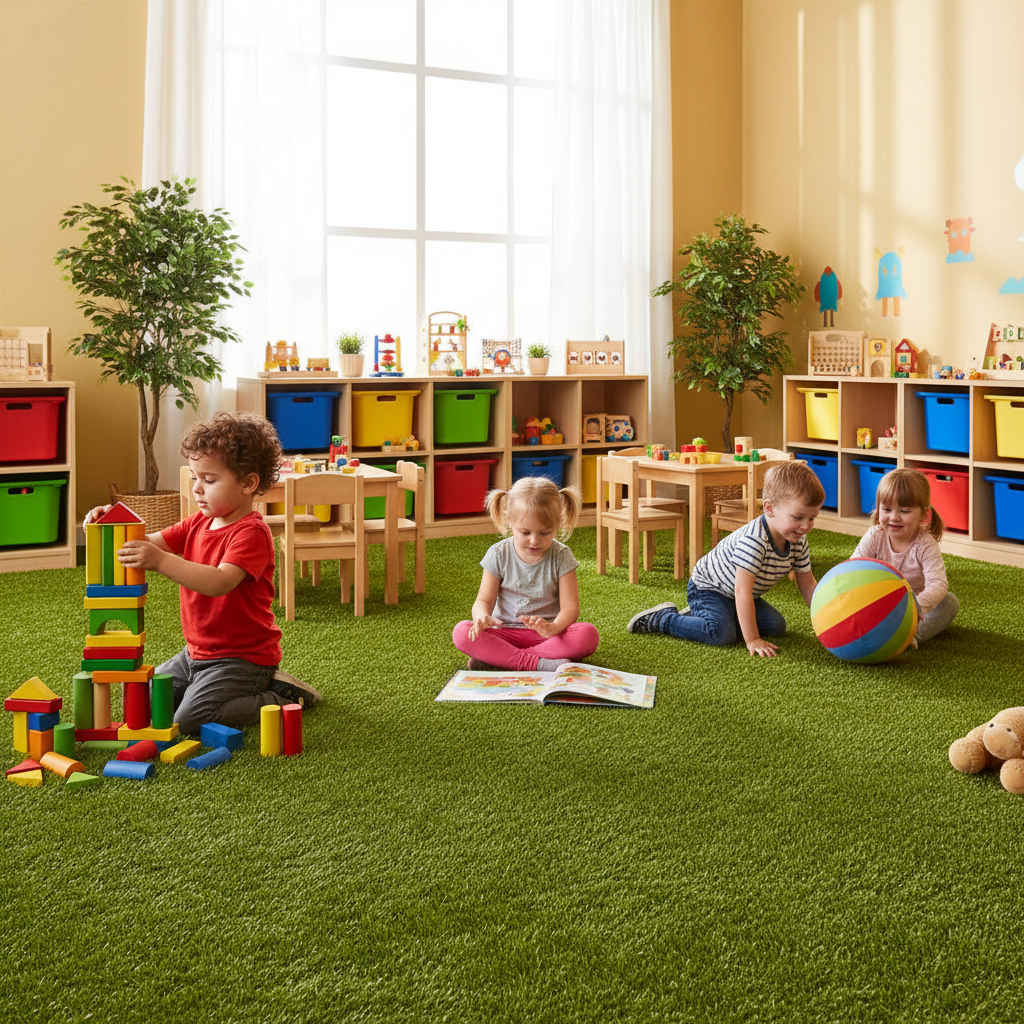
Enter the world of artificial grass flooring. No longer just for outdoor sports fields or landscaping, innovative advancements have made it a fantastic, genuinely viable option for indoor spaces. And when it comes to creating that perfect kid-centric haven, focusing on safe artificial grass flooring for indoor kids playrooms is a game-changer. Imagine a perpetually green, soft, and inviting surface that encourages active play and imaginative adventures, all while putting your mind at ease about safety.
In this comprehensive guide, we’re going to dive deep into why artificial grass might just be the best decision you make for your child’s play space. We’ll cover everything from its surprising safety features and the latest material innovations to choosing the right type, installation tips, and how to keep it looking pristine. Get ready to transform your playroom into a vibrant, secure, and wonderfully green wonderland!
Why Consider Artificial Grass for Your Indoor Playroom?
You might be thinking, “Grass indoors? Really?” And yes, really! The benefits of incorporating child-friendly artificial turf into an indoor playroom extend far beyond just novelty. It’s about creating an environment that nurtures development, promotes well-being, and simplifies your life as a parent.
Bringing the Outdoors In, Safely
One of the most compelling reasons to choose indoor artificial grass is its ability to connect children with nature, even when they’re stuck inside on a rainy day. This biophilic design approach—integrating elements of the natural world into indoor spaces—has been shown to reduce stress, improve concentration, and boost creativity. A lush, green surface instantly brightens a room, creating a cheerful, calming backdrop for all sorts of activities. It’s a sensory rich environment without the actual dirt and bugs! For more ideas on how to bring natural elements indoors, you might find inspiration from reputable sources like Better Homes & Gardens, which often features tips on connecting your home with nature.
A Soft Landing for Little Explorers
Children play hard, and falls are an inevitable part of growing up. Artificial grass offers a significantly softer landing than hardwood, tile, or even thin carpet. The cushioned surface can absorb impact, reducing the risk of bumps and scrapes during enthusiastic play, tumbling, or learning to walk. This added layer of protection provides immense peace of mind, allowing kids to explore their physical boundaries more freely.
Durability That Stands Up to Playtime
Kids’ playrooms are high-traffic areas, subjected to spills, heavy toys, and constant foot traffic. Unlike traditional carpets that can fray or stain irrevocably, high-quality indoor artificial turf is incredibly durable. It’s designed to withstand significant wear and tear, maintaining its vibrant color and plush texture for years. This resilience means less worry about replacement and more enjoyment from a long-lasting flooring solution.
Surprisingly Low Maintenance
Parents are busy, and anything that reduces chores is a win! Artificial grass requires surprisingly little maintenance compared to other flooring options. There’s no need for harsh chemical cleaners, waxing, or special treatments. A quick vacuum or sweep, and occasional spot cleaning, is usually all it takes to keep it looking fresh and inviting. Spills generally sit on top of the fibers rather than soaking deep in, making cleanup a breeze.
Hypoallergenic and Hygienic Benefits
Unlike natural grass, artificial turf doesn’t produce pollen, making it an excellent choice for children with allergies. Many modern artificial grass products are also treated with antimicrobial agents, inhibiting the growth of bacteria, mold, and mildew. This creates a more hygienic play surface, a crucial consideration for any parent focused on their child’s health.
Decoding “Safe”: Key Safety Features of Indoor Artificial Grass
When we talk about safe artificial grass flooring for indoor kids playrooms, safety isn’t just about soft landings. It encompasses a range of factors from material composition to fire resistance. Modern advancements in manufacturing have made artificial turf a far safer product than its predecessors.
Non-Toxic Materials: What to Look For
This is paramount. High-quality artificial grass designed for indoor use, especially for children, must be made from non-toxic materials. Look for products that explicitly state they are lead-free, heavy metal-free, and free from harmful chemicals like phthalates. Reputable manufacturers will often provide certifications (such as Prop 65 compliance, EN71 standards, or similar European safety standards) that confirm their products meet stringent health and environmental guidelines. Always ask for these certifications and read product specifications carefully.
Cushioning and Impact Absorption
Beyond just being soft, some artificial grass options offer enhanced cushioning, often incorporating a shock-absorbing layer or a thicker pile. For playrooms, especially where active play like jumping or tumbling might occur, look for products with good impact attenuation properties. While specific Head Injury Criterion (HIC) ratings are more common for outdoor playgrounds, a thicker, denser pile or an added underlayment can significantly improve safety against falls indoors.
Antimicrobial Treatment for a Healthier Space
Many premium artificial grass products for indoor use come with built-in antimicrobial properties. This treatment helps to prevent the growth of bacteria, mold, and mildew, which can thrive in moist environments or from spills. This feature is especially beneficial in a playroom where snacks, drinks, and little hands are constantly interacting with the surface, contributing to a more hygienic environment for your children.
Fire Resistance: An Overlooked Safety Aspect
While often associated with outdoor use, fire safety is just as important indoors. Quality artificial grass is typically made from synthetic fibers (like polyethylene or polypropylene) that are designed to be fire-retardant. They are not entirely fire-proof but will melt rather than ignite and spread flames quickly. Always check for fire safety ratings or certifications, especially if the playroom is close to heat sources or has electrical outlets.
Good Ventilation and Minimal Off-Gassing
Any new flooring material can release volatile organic compounds (VOCs), a process known as off-gassing. Reputable manufacturers of indoor artificial grass prioritize low-VOC materials. It’s still a good practice to ensure good ventilation during and immediately after installation. High-quality products designed for indoor use generally have minimal to no harmful off-gassing, contributing to better indoor air quality.
Navigating the Choices: What to Look for When Buying Artificial Turf
With a growing market, choosing the right artificial grass can seem daunting. Here’s a breakdown of what to consider to ensure you pick the best, most safe artificial grass flooring for indoor kids playrooms.
Pile Height and Density: The Feel and Function
-
Pile Height: This refers to the length of the individual grass blades.
- Shorter Pile (around 15-25mm): Easier to clean, less prone to matting, good for high-traffic areas where toys might roll. Feels more like a tightly mown lawn.
- Taller Pile (around 30-40mm+): Offers a lusher, more natural look and a softer, more cushioned feel. Great for areas where kids might sit, crawl, or nap. Might be a bit harder to spot small toys.
- Density: How many blades of grass are packed into a square inch. Higher density means a plusher, more resilient turf that springs back better and offers superior cushioning. For a playroom, a medium to high density is usually ideal for both comfort and durability.
Backing Material: Stability and Spills
The backing is the foundation of your artificial grass. Most indoor artificial grass uses a strong, stable backing, often made from polyurethane or latex. Look for backing with good dimensional stability to prevent wrinkling or buckling. If spills are a major concern (and let’s be honest, they always are in a playroom!), consider turf with a permeable backing or small drainage holes, even for indoor use, to help spills dry more quickly and prevent moisture buildup underneath.
Infill Options (or Lack Thereof) for Indoors
Traditional outdoor artificial grass often uses infill (like rubber crumbs or sand) to help the blades stand up and provide cushioning. For indoor use, especially in playrooms, it’s generally best to choose a product that requires no infill or a minimal, specific non-toxic infill designed for indoor play surfaces. Loose infill can be messy, spread around the house, and potentially ingested by small children. Many modern indoor turfs are designed with dense enough piles and backing that they don’t need infill.
Certifications and Manufacturer Reputation
As mentioned, certifications are key indicators of safety. Look for labels that denote testing for lead, heavy metals, VOCs, and flammability. Always choose products from reputable manufacturers who specialize in artificial grass and ideally have a line of products specifically designed for indoor or child-centric applications. Read reviews and ask for samples to assess the quality and feel in person.
Installation Simplified: Laying Down Your Indoor Green Space
Installing safe artificial grass flooring for indoor kids playrooms can be a DIY project or handled by professionals, depending on your comfort level and the size of the room. The process is generally straightforward.
Prepping the Subfloor: The Foundation of Fun
Before laying down your turf, the subfloor needs to be clean, dry, and level. Remove any existing flooring, sweep thoroughly, and ensure there are no bumps or divots. If you have a concrete subfloor, check for moisture issues; a moisture barrier might be necessary. A smooth, stable base is crucial for a professional look and feel, and for the longevity of your artificial grass.
Roll-Out or Tile Options: Flexibility in Design
- Rolls: Typically come in standard widths (e.g., 6ft, 12ft, 15ft) and are cut to length. Ideal for larger rooms, creating a seamless appearance. Requires more precise cutting and seaming.
- Tiles/Interlocking Mats: Smaller, pre-cut squares that interlock, similar to foam play mats. Easier for DIY, less waste, and simpler to replace individual sections if damaged. Offers more design flexibility and can be temporary.
Adhesive vs. Loose Lay: How to Secure It
- Loose Lay: For smaller areas or temporary installations, artificial grass can simply be rolled out and held in place by its own weight or with furniture. Non-slip rug pads underneath can add extra stability and comfort.
- Adhesive: For a permanent, more secure installation, especially in larger rooms, specialty artificial grass adhesive can be used around the perimeter and along seams. Ensure the adhesive is low-VOC and child-safe.
Cutting, Fitting, and Seaming
Artificial grass is cut from the back with a sharp utility knife. Measure carefully, and use straight edges for clean lines. If joining multiple pieces, “seaming” involves butting the edges together tightly and securing them from underneath with seaming tape and adhesive, creating an almost invisible join. This step is critical for a smooth, natural look.
Keeping It Pristine: Maintenance Tips for Indoor Artificial Grass
One of the biggest advantages of safe artificial grass flooring for indoor kids playrooms is its low maintenance. But a little regular care goes a long way in keeping it looking its best and ensuring a hygienic play environment.
Regular Vacuuming or Sweeping
Just like carpet, artificial grass benefits from regular vacuuming or sweeping to remove dust, crumbs, pet hair, and small debris. This keeps the fibers standing upright and prevents dirt from accumulating. Use a vacuum with a rotating brush for best results, or a stiff-bristled broom.
Spot Cleaning for Spills and Accidents
Spills are inevitable in a playroom. For liquid spills, blot immediately with a clean cloth. Most spills will sit on the surface and won’t penetrate the backing of quality turf. For stickier messes, a mild soap and water solution can be used. For tougher stains, follow the manufacturer’s specific cleaning recommendations. Always test any cleaning solution in an inconspicuous area first. For pet accidents, ensure to thoroughly clean and disinfect the area with an enzymatic cleaner to neutralize odors.
Preventative Measures: A Little Goes a Long Way
Encouraging a “shoe-free” zone can significantly reduce the amount of dirt and debris tracked onto the artificial grass. Using washable rugs in high-spill areas (like under a craft table) can also provide an extra layer of protection. Placing floor protectors under heavy furniture will prevent indentations.
Comparing Artificial Grass to Other Playroom Flooring Options
To truly appreciate the value of safe artificial grass flooring for indoor kids playrooms, it helps to compare it with common alternatives.
- Carpet: Can be soft and warm, but notoriously difficult to clean, can harbor allergens (dust mites, pet dander), and stains easily. Over time, it can look worn and tired.
- Foam Mats: Excellent for cushioning and impact absorption, often colorful. However, they can have an industrial or temporary feel, edges can lift, and they may degrade or tear over time. Some cheaper options can also have off-gassing issues.
- Hardwood/Laminate: Aesthetically pleasing and easy to clean, but hard, cold, and unforgiving for falls. Can be slippery and noisy, and susceptible to scratches and water damage.
- Rubber Flooring: Very durable and provides excellent impact absorption, often seen in gyms. However, it can have a strong rubber odor, a less natural aesthetic, and may feel too firm for comfortable lounging.
Artificial grass uniquely combines the softness and aesthetic appeal of natural grass with the durability, hygiene, and low maintenance of modern synthetic materials, offering a balanced and superior option for a dedicated child’s play area.
The Environmental Aspect: Is Indoor Artificial Grass Eco-Friendly?
The environmental footprint of artificial grass is a common concern. While it’s not a natural product, modern manufacturing practices are making it an increasingly responsible choice.
Many manufacturers now use recycled materials (like recycled plastic bottles) in their turf fibers and backing. The extreme durability and longevity of artificial grass mean it doesn’t need to be replaced frequently, reducing waste over time. Moreover, it requires no water, pesticides, or fertilizers, contributing to resource conservation compared to maintaining a real grass lawn. When it reaches the end of its very long life, some products are even recyclable, though recycling infrastructure for artificial turf is still developing in many areas. Choosing a product from a manufacturer committed to sustainability is key.
Conclusion: Cultivating Joy in a Green Play Space
Creating a truly inspiring and secure play environment for your children is one of the greatest gifts you can give them. By thoughtfully considering safe artificial grass flooring for indoor kids playrooms, you’re not just choosing a floor; you’re cultivating a vibrant, imaginative, and wonderfully green world where they can thrive.
From its exceptional safety features, including non-toxic materials and superior cushioning, to its remarkably low maintenance and aesthetic appeal, artificial grass offers a unique blend of benefits that few other flooring options can match. It brings the refreshing feel of the outdoors inside, encourages active and imaginative play, and provides parents with crucial peace of mind regarding hygiene and safety.
So, embrace the green revolution for your child’s playroom. With the right choice and proper care, you can create a truly magical, safe, and enduring space where childhood memories are made, one joyful tumble and imaginative adventure at a time. It’s an investment in their happiness, health, and a cleaner, greener home environment for the whole family.