Floorboards Lifting After Water Spill: What to Do Now and How to Fix It
Noticing floorboards lifting after water spill can be alarming — whether it’s a few planks buckling in the kitchen or a whole patch of hardwood pulling away in the living room. Understanding why boards lift, how to limit damage immediately, and what repairs will restore your floor will save time, money, and stress. This guide walks you through diagnosis, step-by-step fixes for different floor types, prevention strategies, and when to call a pro.
What does “lifting” mean? Terminology and how to spot it
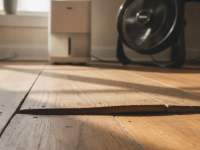
“Lifting” is a general term many homeowners use to describe visible deformation in floorboards after moisture exposure. There are several specific conditions to recognize:
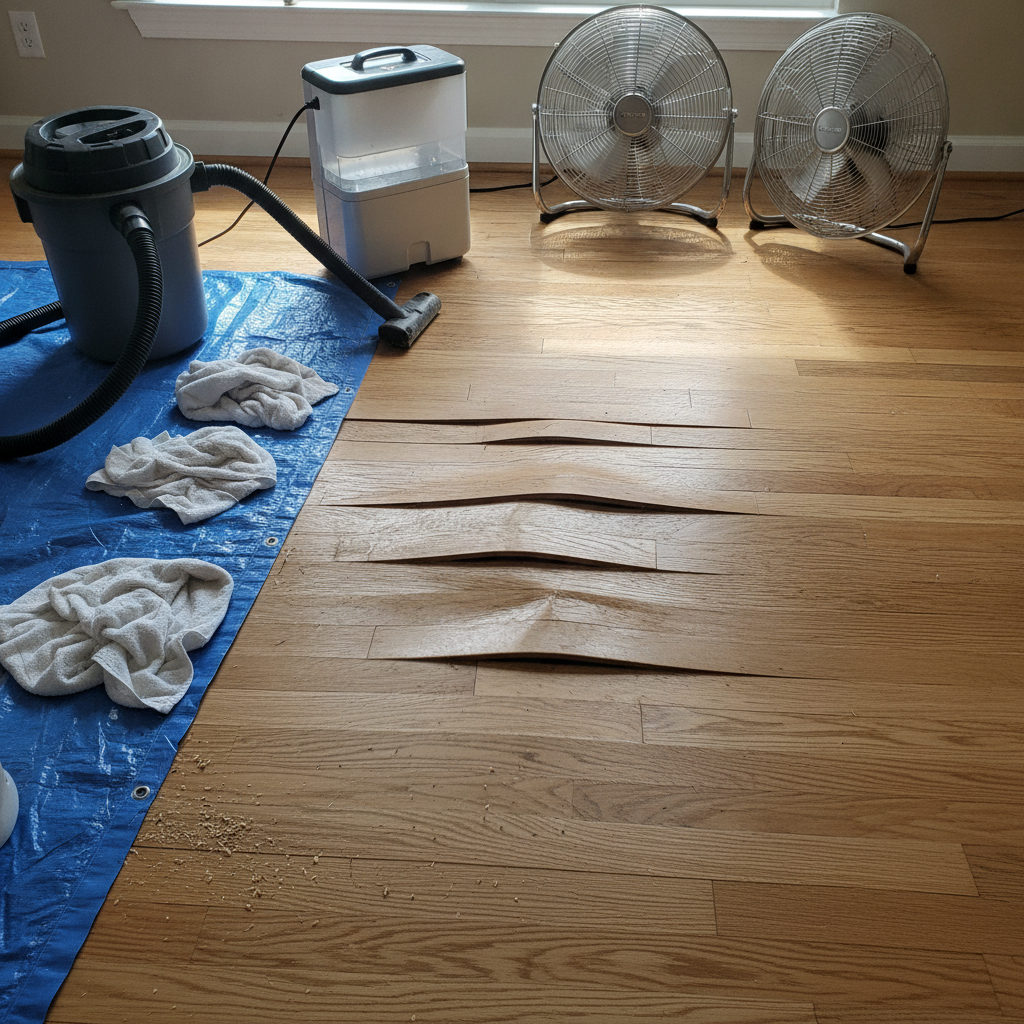
- Cupping: Edges of the board are higher than the center, often from moisture entering the underside.
- Crowning: Center of the board is higher than the edges, usually after boards swell and then dry incorrectly.
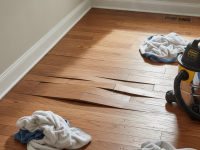
- Buckling: Boards curve upward or separate from the subfloor — a severe reaction to long-term or heavy moisture.
- Gapping and lifting seams: Boards pull apart at seams or lift at the edges without major warping.
Why floorboards lift after water spill: main causes
Moisture is the primary culprit, but how and where it gets into the floor determines the reaction:
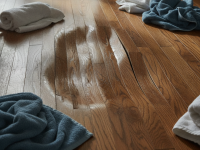
- Standing water: Overflowed sinks, spilled buckets, or leaks that sit on the surface allow water to soak into wood and underlay.
- Seams and cracks: Water can slip between boards and reach the subfloor or underlayment, causing uneven swelling.
- Subfloor saturation: If the subfloor (plywood, OSB, or concrete) absorbs water, it affects the integrity and support of the top boards.
- Insufficient acclimation or expansion gaps: If boards had no room to expand when they absorbed moisture, they can cup or buckle.
- Poor installation or adhesive failure: Glued floors or improperly nailed planks can lift if adhesives fail or fasteners loosen after water exposure.
Immediate steps to take when you first see lifted floorboards
Act fast. Quick response reduces the extent of the damage and the likelihood of mold.
- Stop the source of water — turn off leaking fixtures or shut off water supply if needed.
- Remove standing water with towels, a wet/dry vacuum, or mops.
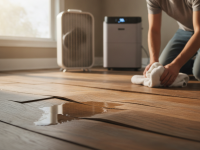
- Increase air circulation: open windows, use fans, and set up a dehumidifier to pull moisture out of the room and subfloor.
- Remove rugs, furniture, and objects from the wet area to allow full drying and prevent stains.
- Document the damage with photos for insurance claims if the spill was from a leak or appliance failure.
How long will they stay lifted? Typical timelines
Several factors determine recovery time:
- Volume of water and how long it sat on the floor.
- Type of flooring — solid hardwood, engineered wood, laminate, or vinyl behave differently.
- Climate and indoor humidity; warm, humid conditions slow drying.
Light, surface spills that are cleaned immediately may settle back within 24–72 hours with good drying. More serious saturation of the subfloor can lead to weeks of drying time and permanent damage requiring repair or replacement.
Quick fixes you can try at home (for minor lifting)
These approaches work when damage is detected early and boards are only slightly lifted or cupped.
- Rapid drying: Point fans along the grain and use a dehumidifier positioned close to the affected area. Replace air with dry air to accelerate moisture evaporation.
- Weight-and-wait method: Once the surface feels dry, place flat weights or heavy furniture (padded to protect the finish) on cupped boards to encourage them to flatten as they dry.
- Controlled moisture reversal: For crowning (raised centers), reduce surface moisture by lightly misting the edges and then drying — this helps the center and edges equalize. This method is delicate and should be used cautiously.
- Tighten fasteners: If individual boards have lifted slightly at the seams, refasten with finishing nails or screws in inconspicuous places, countersinking and filling holes later. Use proper fasteners for your floor type.
When DIY isn’t enough: professional repairs
Call a flooring specialist if you see any of the following:
- Extensive buckling or entire sections lifting from the subfloor.
- Subfloor appears soft, swollen, or moldy.
- Floor has excessive gaps, or multiple boards show permanent distortion after drying efforts.
- Damage involves glued-down engineered floors or hardwood over radiant heating systems.
A pro can assess structural issues, replace or reattach boards correctly, address subfloor repair, and sand and refinish hardwood to restore a uniform appearance.
Repair options by floor type
Solid hardwood
Solid wood is sensitive to moisture. Small lifting can sometimes be corrected with drying and weights, but significant buckling usually requires replacing affected planks and sanding and refinishing a larger area to blend the repair.
Engineered wood
Engineered planks have a plywood base and a wood veneer. They tolerate moisture better than solid wood but glued or floating engineered floors may delaminate or separate. Damaged boards are often replaced; floating floors can sometimes be lifted and reinstalled after thorough drying.
Laminate
Laminate swells and warps when water penetrates the core. Because the top layer is a photographic veneer, settled warping is often permanent, and replacing sections is typically necessary.
Vinyl plank
Luxury vinyl is more water-resistant, but seams and adhesives can fail if water sits long enough. Many vinyl floors can be lifted, dried, and re-glued; severely damaged tiles or planks should be replaced.
Step-by-step: replacing a small number of lifted boards (typical hardwood/engineered)
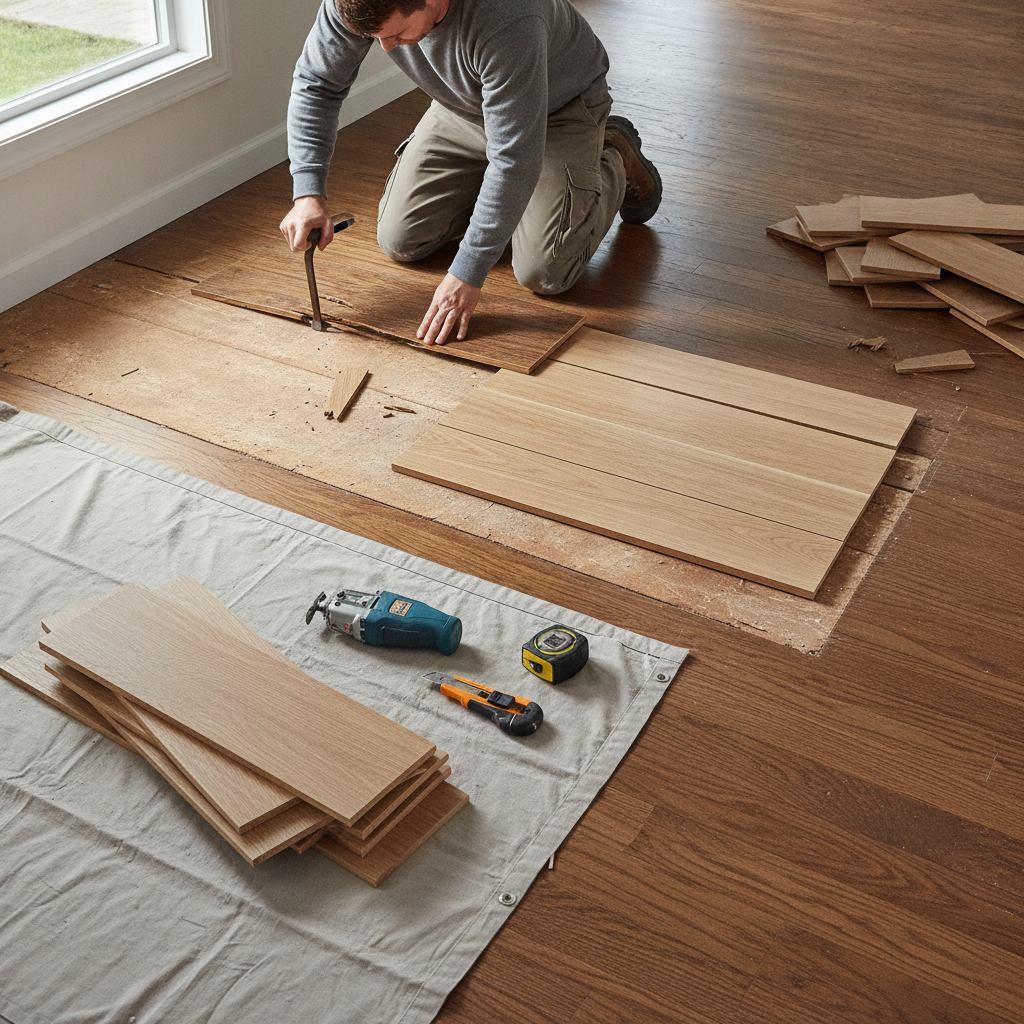
Tools you’ll need: pry bar, pull bar, circular saw or oscillating multi-tool, chisel, matching replacement planks, adhesive or nails, wood filler, sandpaper, stain/finish.
- Ensure the area is fully dry and free of mold. Use a moisture meter to confirm moisture content is within acceptable range for wood (below manufacturer recommendations).
- Carefully remove the damaged boards. For tongue-and-groove planks, cut the plank lengthwise and pry out sections to avoid damaging adjacent planks.
- Inspect and repair the subfloor if it shows soft spots or mold — replace plywood if necessary and allow it to dry.
- Acclimate replacement boards in the room for at least 48 hours if possible.
- Install new boards using the same method as original (glue, nail, click-lock). Ensure proper expansion gaps at walls.
- Fill fastener holes, sand lightly, and apply matching stain and finish. Allow finish to cure fully before walking on the area.
Preventing future lifting after water exposure
Prevention is the best long-term strategy.
- Fix leaks promptly — under sinks, from appliances, and in roofs.
- Use water sensors near appliances and in basements to detect leaks early.
- Maintain indoor humidity between 30–50% with dehumidifiers or humidifiers as seasons change.
- Protect vulnerable areas (laundry rooms, bathrooms) with water-resistant flooring or proper threshold transitions.
- Allow adequate expansion gaps during installation and follow manufacturer instructions for acclimation.
Insurance, costs, and how to plan repairs
Whether your homeowner’s insurance covers repairs depends on the cause. Sudden, accidental damage from a burst pipe or appliance leak is often covered; gradual damage from neglect may not be. Document the incident and contact your insurer early.
Cost ranges vary widely:
- Minor DIY fixes (drying, weights, small repairs): under $200 in materials.
- Replacing a few boards or light subfloor repair: $200–$1,000 depending on materials and labor.
- Large areas, sanding and refinishing, or subfloor replacement: $1,000–$5,000+ depending on floor size and material.
Mold and health considerations
If water has soaked into the subfloor or into insulation below the floor, mold can develop within 24–48 hours in warm, humid conditions. Visible mold, a musty odor, or ongoing dampness warrants professional mold remediation. People with respiratory issues should avoid the area until it’s cleared.
Tools and supplies to have on hand for emergencies
- Wet/dry vacuum
- High-capacity fans and a dehumidifier
- Absorbent towels and microfiber mops
- Moisture meter (to check wood and subfloor moisture levels)
- Basic flooring repair kit (scrapers, putty, wood filler, finish)
When to consider replacement versus repair
Repair is sensible when damage is localized and subfloor is structurally sound. Replacement is the better option if:
- Damage covers a large area or several rooms.
- Subfloor is rotten, warped, or contaminated with mold.
- Floor finish is irreversibly damaged or there’s major structural movement.
Real-life scenarios and practical tips
Scenario 1: A kitchen bucket was left spilling overnight — minor cupping across a few planks.
- Immediate dry up, run dehumidifier for 48–72 hours, then place weights on the cupped boards. If they flatten, sand and refinish small patches.
Scenario 2: A dishwasher leaked for days under the toe-kick, damaging a section of floor.
- Open toe-kick, dry, remove baseboards and examine subfloor. Expect to replace affected planks and possibly subfloor sections.
Further reading and reputable resources
For additional guidance on water damage and wood floor care, this resource provides practical repair steps and homeowner-friendly tips: Better Homes & Gardens — Repairing Water-Damaged Hardwood Floors.
FAQs
Q: Can wet floorboards return to normal after a day?
A: Sometimes — if the spill was small, cleaned up quickly, and the subfloor wasn’t saturated. Use fans and a dehumidifier and monitor for 48–72 hours. Persistent warping after that often needs repair.
Q: Are engineered floors safer than solid hardwood around water?
A: Engineered wood is generally more dimensionally stable due to its plywood base, so it tolerates occasional moisture better. However, prolonged exposure still causes damage and can delaminate layers.
Q: Can I use bleach to prevent mold on the subfloor?
A: Bleach is not a long-term mold solution. If mold is present, clean small areas with a proper antimicrobial cleaner and allow thorough drying. For larger mold infestations, call a remediation professional.
Q: Will sanding remove water stains or warped areas?
A: Sanding can remove surface stains, but it won’t fix warped boards or structural buckling. Boards that have changed shape must be replaced to create a level surface before sanding and refinishing.
Q: How do I prevent future incidents around appliances?
A: Regularly inspect hoses and connections, use water-sensing alarms, and install drip pans where appropriate. Replace hoses every 5–7 years for appliances like dishwashers and washing machines.
Dealing with floorboards lifting after water spill is stressful but manageable with the right steps. Quick drying, careful assessment, and choosing the right repair approach will help restore your floor and prevent future problems.
If you’d like detailed design guidance or help planning a repair that blends seamlessly into your home aesthetic, consider exploring this resource on creating comfortable living spaces: How to Design A Comfortable Modern Living Space