If your window won’t stay open anymore, it can be annoying, unsafe, and a source of drafts. Whether it’s a double-hung sash that slides back down, a casement that won’t hold position, or a crank window that slips, this guide walks you through the common causes, step-by-step repairs, safety tips, and realistic cost expectations so you can get that window functioning properly again.
Why windows stop staying open: the most common causes
Before reaching for parts or calling a contractor, identify the type of window you have and the likely cause. Problems fall into a few predictable categories:
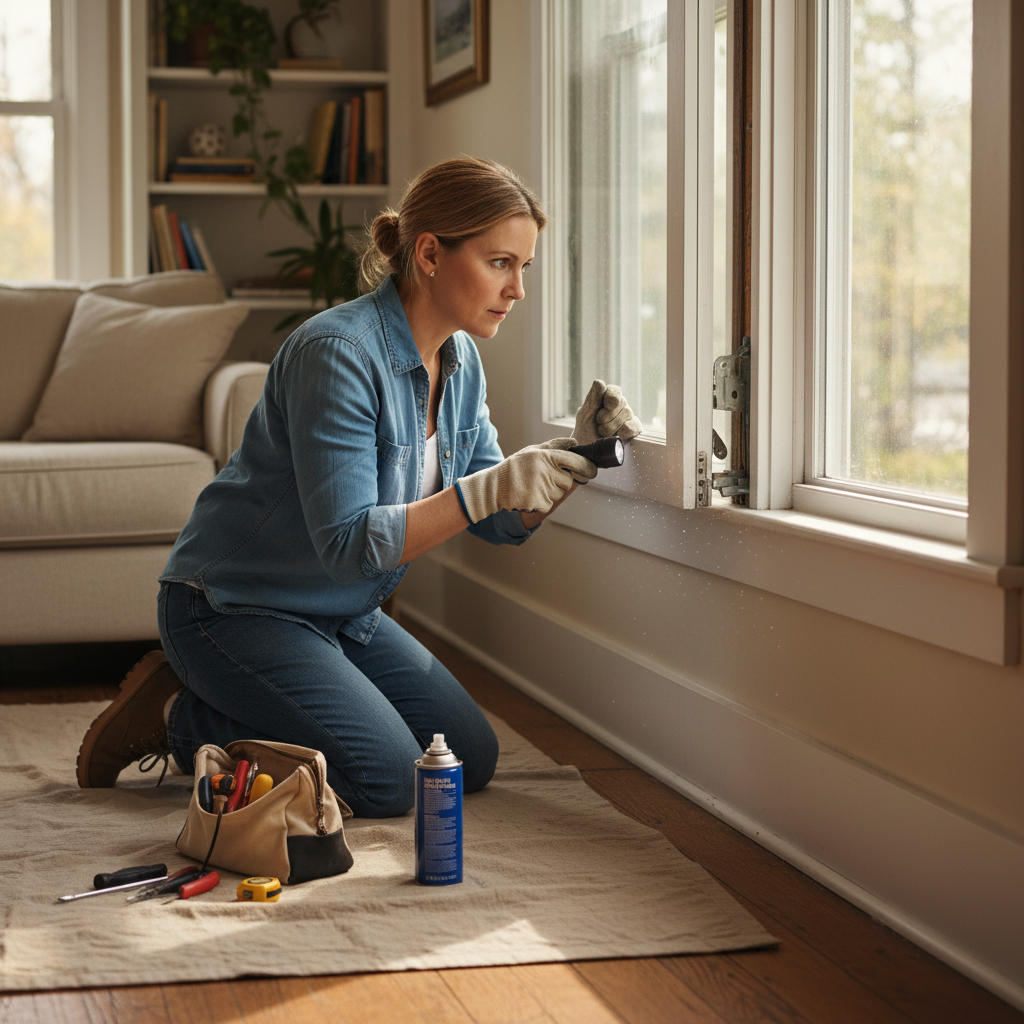
- Broken or worn balance systems: Many sliding or double-hung windows use counterbalances (sash cords, spiral balances, block-and-tackle, or channel balances). When these fail, the weight of the sash pulls the window down.
- Damaged or stretched sash cords/weights: Older windows often use cords attached to hidden weights inside the frame. Cords can fray or detach and weights can fall out of alignment.
- Failed spiral or friction balances: The spring mechanism inside balances can lose tension over time, preventing the sash from staying put.
- Worn or loose hardware: For casement windows, the operator (crank) gears or pivot pins may be stripped. Hinges, locks, and catches that are loose or broken will let the window slip.
- Dirty or swollen tracks and frames: Dirt, paint, or humidity-swollen wood can make sashes stick or slide unpredictably.
- Imbalanced sash or warped frame: A sash that’s out of square or a warped frame puts uneven strain on balances and hardware.
- Children’s safety or limiting devices removed: Some windows have restrictors or stays that were removed or modified, allowing the sash to move beyond safe points.
Identify your window type (quick checklist)
Knowing the style helps narrow repairs:
- Double-hung: Two sashes that slide vertically. Commonly use sash balances or weights.
- Single-hung: Only the bottom sash moves—same balance systems as double-hung.
- Casement: Hinged at the side and opens outward with a crank operator.
- Sliding (horizontal): Sashes slide side-to-side on tracks using rollers and balance systems.
- Award/awning or hopper: Pivoting windows with hinges at top or bottom.
Tools and materials you’ll likely need
Most fixes are straightforward with common home tools. Gather these before you begin:
- Screwdrivers (Phillips and flathead)
- Pliers (needle-nose and regular)
- Putty knife or small pry bar
- Lubricant: silicone spray or dry Teflon lubricant (avoid oil-based lubricants for windows)
- Replacement balances, sash cords, or crank operator (matched to make/model)
- Replacement screws and wood shims
- Measuring tape and marker
- Safety glasses and work gloves
Step-by-step fixes by window type
Double-hung window won’t stay open
These are the most common complaints and often the easiest to diagnose.
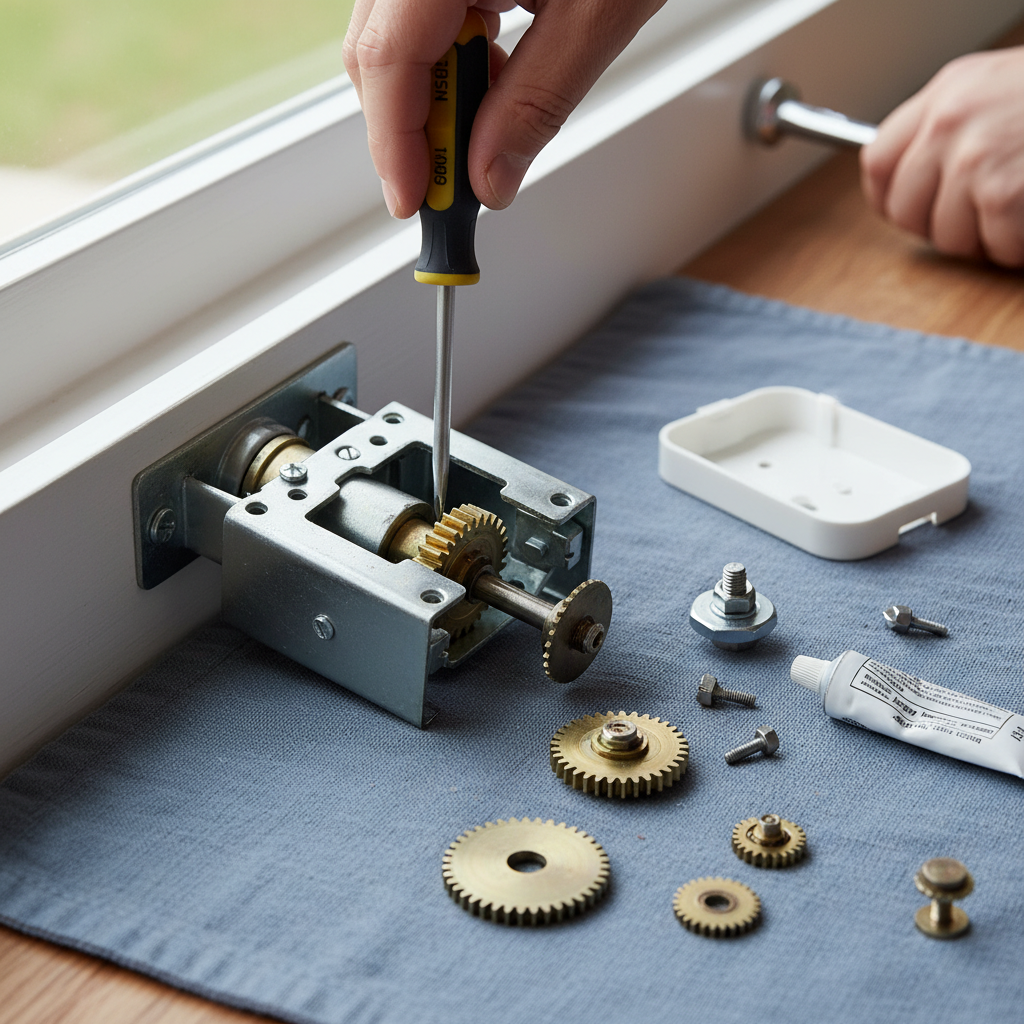
- Test the balance: Open the window a few inches and balance it by hand. If it wants to fall, the balance spring or cord has lost tension.
- Inspect for visible damage: Remove the sash or tilt it in (if it’s a tilt-in sash) to view the channel. Look for broken cords, disconnected balances, or missing hardware.
- Clean the tracks: Vacuum debris, scrape off paint build-up, and spray silicone lubricant into the track. Often smooth operation returns after cleaning.
- Replace sash cords or weights: For older weight-and-pulley systems, you’ll need to open the interior stop molding to access the weights; replace frayed cords and reattach weights. This is a moderately advanced DIY job.
- Replace channel or spiral balances: Many modern windows use replaceable balances clipped into the frame. Measure and order the correct replacement (length and attachment type). Follow the manufacturer’s instructions to remove the old balance and clip the new one in place.
- Temporary hold: Use a sash prop or tension rod as a short-term solution while you obtain parts.
Casement window (crank) slips or won’t stay open
- Check the operator: Look for stripped gears or a loose handle. If the arm bends or the gears strip, the operator needs replacing.
- Tighten or replace screws: Tighten the operator’s mounting screws first—sometimes that alone solves slippage.
- Replace the operator: Operators are usually accessible by removing a few screws and the interior trim. Match the replacement to the existing model for fit and gear size.
- Lubricate hinge points: Apply silicone spray to the hinge pivot pins to reduce friction and binding.
Sliding window won’t stay open or rolls back
- Check rollers: Dirty or broken rollers make the sash hard to position. Remove the sash to access and replace worn rollers.
- Adjust roller tension: Some rollers have adjustment screws accessible at the sash bottom to raise or lower the roller tension.
- Clean tracks: Vacuum and scrub tracks; lubricate with silicone spray.
Minor quick fixes you can try today
If you want a fast, cheap fix to hold a window while you plan a permanent repair:
- Use a small wooden or rubber wedge beneath the sash to keep it open (do not use for ventilation when leaving a child unattended).
- Install a tension rod (like a shower rod cut to size) inside the jamb to brace the sash.
- Add a sash lock or latch that keeps the sashes tightly together at the meeting rail—this won’t always prevent downward slippage but helps with secure closure.
When to replace parts vs. when to replace the whole window
Replacement parts are cost-effective when the frame is in good shape and the glass/unit seals are intact. Replace the whole window if:
- There is extensive rot or warping of the frame
- Multiple components are failing or parts are obsolete
- The window has blown seals (condensation between panes) and energy loss is a concern
- Repeated repairs have become frequent and costly
Safety considerations
- Never leave a propped-open window unattended with young children—use child-safety window stops or restrictors designed for the purpose.
- When removing sashes or weights, support heavy components to avoid injury.
- If a sash balance or spring is under high tension, release it carefully or hire a pro—these parts can cause injury if mishandled.
- Wear safety glasses and gloves when working with glass or rusted hardware.
Cost expectations
Prices vary widely by region and window type, but ballpark figures help you plan:
- Replacement balance (DIY): $10–$50 per balance
- Sash cord and pulley repair (DIY or handyman): $50–$150
- Operator replacement for casement (parts + labor): $100–$300
- Full window replacement (materials + install): $300–$900+ per window depending on type and brand
Labor rates and the difficulty of accessing parts (old windows vs. modern units) influence final costs.
Preventative maintenance to keep windows working
- Clean tracks and sills twice a year.
- Lubricate moving parts annually with silicone spray.
- Inspect sash cords, balances, and hardware for wear every season.
- Keep paint or caulking from building up and jamming moving parts.
- Install window screens and covers to reduce dirt buildup.
DIY vs. professional repair: how to decide
Opt for DIY if you’re comfortable with basic tools and the repair is limited to a replaceable balance, rollers, or a crank operator. Choose a professional if:
- There is frame rot or structural damage
- Major glazing or sash-weight systems are involved and you lack the tools or experience
- Safety risks are high (heavy sashes, high-elevation windows)
- You prefer warranty-backed work and a guarantee of parts
Where to learn more and find parts
Many manufacturers publish guides for identifying and ordering balances, and reputable home-improvement sites offer step-by-step tutorials. For general window maintenance tips you can trust, refer to resources like Better Homes & Gardens on window care and repair: Better Homes & Gardens — Windows.
Common troubleshooting checklist (quick reference)
- Window falls: check balances, cords, or weights.
- Window slips or is hard to move: clean tracks, lubricate, check rollers.
- Crank feels loose: inspect or replace operator gears.
- Window sticks: check for swelling paint or buildup and sand/trim if needed.
- Drafts after repair: check seals and weatherstripping.
Frequently asked questions
Q: My double-hung window fell down suddenly—can I put it back safely?
A: If the sash has fallen but glass is intact, carefully lift and support it; don’t try to rehang the weight system unless you can access and secure the balances or cords. Consider pro help if you can’t see or secure the internal parts—incorrect reassembly can cause further damage or injury.
Q: Can I replace a sash balance myself?
A: Yes, replacing a channel or spiral balance is typically a DIY-friendly task if you can identify the correct balance length and attachment type. Follow manufacturer instructions and work with the sash supported while swapping parts.
Q: Is silicone spray safe for all window types?
A: Silicone spray is safe for metal, vinyl, and plastic tracks and hardware. Avoid oil-based lubricants, which attract dirt. For wood parts, use a dry lubricant or wax designed for wood.
Q: How do I know if the whole window needs replacing?
A: If the frame is rotten, the insulating glass unit is failing (condensation between panes), or multiple components are failing and repairs are frequent, replacement is usually more cost-effective in the long run.
Q: Are there temporary child-safety options if a window won’t stay open?
A: Yes—install window stops or limiters that prevent a sash from opening more than a few inches, or secure a temporary sash prop while supervising. Permanent child-safety devices are inexpensive and recommended for families.
Final tips
Start with inspection and simple cleaning; many windows that won’t stay open are saved by removing debris, tightening hardware, or replacing one worn balance. Keep measurements and a photo of your window handy when ordering parts or calling a pro—this saves time and ensures you get the right components.
If you’d like to read more on designing comfortable, functional interior spaces and how well-functioning windows contribute to home comfort, explore this guide: How to Design A Comfortable Modern Living Space.