If you’ve noticed a persistent draft coming from window frame edges, you’re not alone — cold, unwanted air slipping through window frames is one of the most common sources of energy loss and household discomfort. This guide explains why drafts happen, how to detect them, and practical solutions ranging from quick-seasonal fixes to long-term repairs that improve comfort and lower heating and cooling bills.
Why is a Draft Coming From the Window Frame?
Drafts occur whenever outside air moves through gaps, cracks, or failed seals around a window. Causes include:
- Worn or missing weatherstripping and sealant.
- Shrinkage or settling of the window frame or surrounding trim.
- Rotted or warped wood that no longer closes tightly.
- Failed insulated glass seals (fogging between panes indicates this).
- Poorly fitted replacement windows or improper installation.
Recognizing the cause is the first step in choosing the right fix — a quick stopgap solution won’t solve a structural issue or a failed insulated glass unit.
How to Detect Exactly Where the Draft Is Coming From
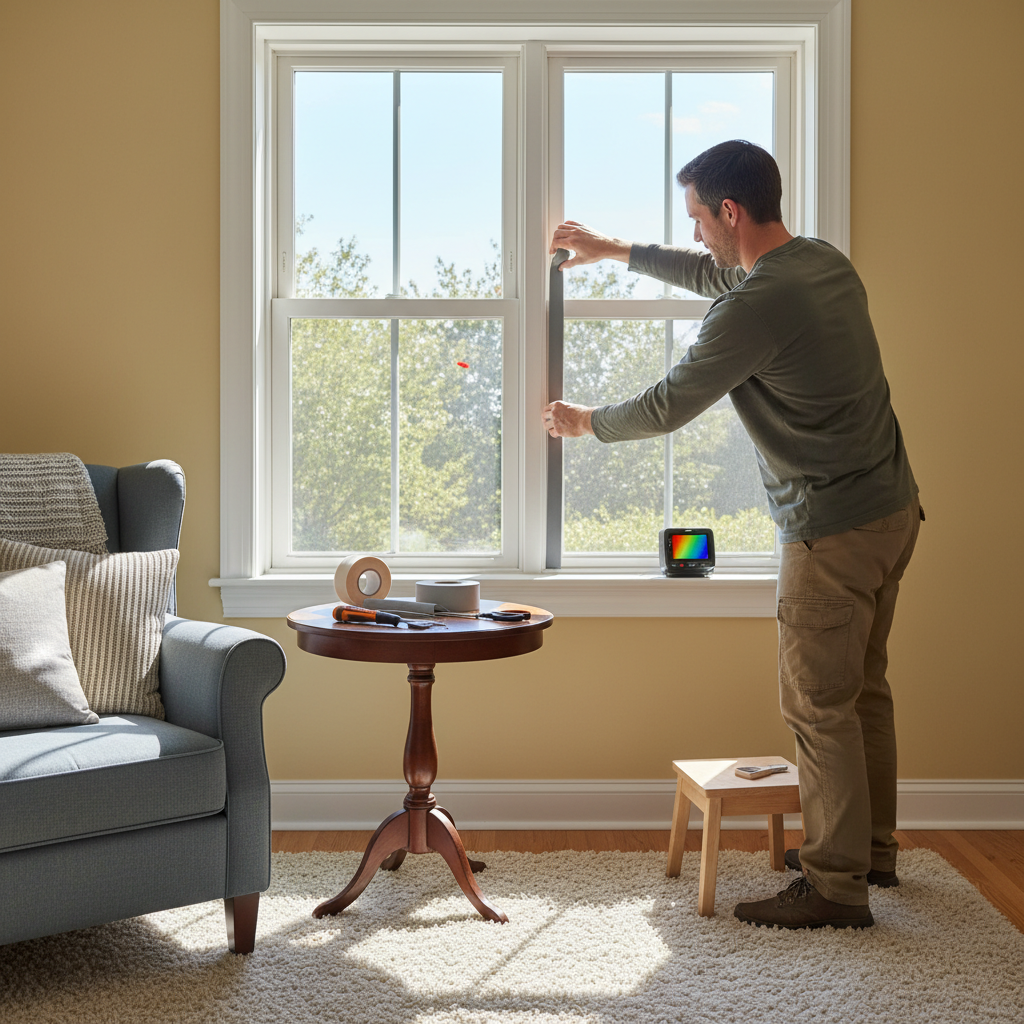
Before you start repairs, pinpoint the leak location. Try these simple methods:
- Hand method: Move your hand slowly around the window frame to feel for cold air and identify exact gaps.
- Candle or incense test: Light a candle or stick of incense and hold it near seams while someone else closes and opens doors or runs HVAC equipment. The smoke or flame will flicker toward the leak.
- Thermal imaging: A thermal camera or infrared thermometer (often available at hardware stores or via pros) will show temperature differences and locate leaks precisely.
- Light test: At night, turn off interior lights and shine a flashlight from outside; any light visible from inside marks a gap.
Quick Temporary Fixes (Good for Immediate Comfort)
These are fast, inexpensive solutions to reduce drafts until you can make a permanent repair.
- Weatherstripping: Adhesive foam tape or V-strip weatherstripping can be applied to sash edges to block drafts. This is perfect for slightly misaligned sashes.
- Window film: Shrink-fit plastic window insulation kits can be installed over the entire window opening for winter. They’re cheap and reduce drafts significantly.
- Draft stoppers: Fabric draft snakes or insulated sash covers sit at the base of the window to block air movement.
- Caulk temporary gaps: For small gaps in the trim, use removable caulk or gap sealer designed for temporary use.
- Rugs and curtains: Thick curtains, cellular shades, or thermal-lined curtains help buffer cold air from entering the room.
Permanent Fixes That Stop Drafts for Good
For lasting results, address the root cause. Here are the most reliable long-term solutions.
1. Replace Weatherstripping
Weatherstripping wears out. Different windows require different types — foam tape, felt, V-strip, or adhesive bulb weatherstripping. Choose a durable material rated for exterior use and follow manufacturer instructions for placement around sashes and frames.
2. Re-Caulk Frame and Trim
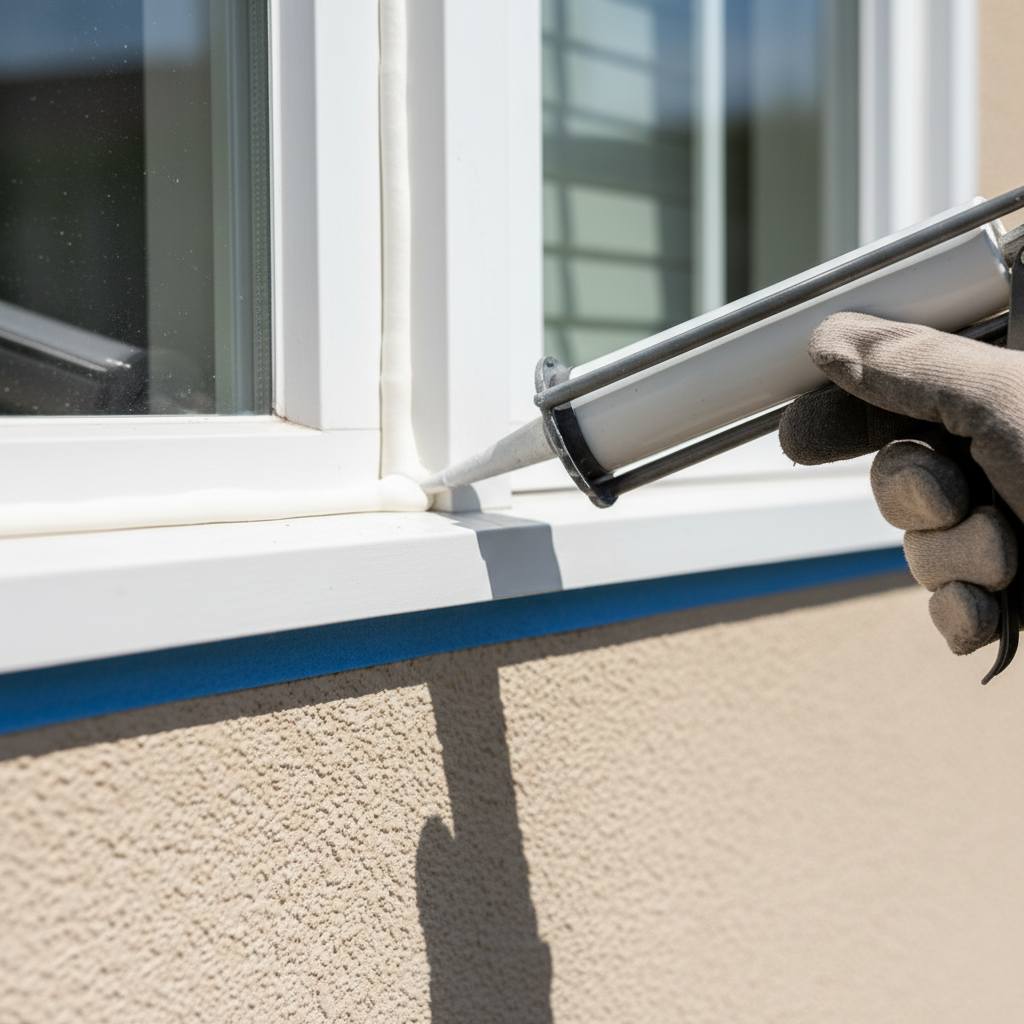
Gaps between the window frame and surrounding trim or siding should be sealed with exterior-grade caulk. For indoor cosmetic gaps you can use interior caulk. Remove old cracked caulk, clean the surface, and apply a smooth bead of silicone or polyurethane caulk for flexibility and longevity.
3. Repair or Replace Sash Hardware
Loose sash locks, worn balances, or bent tracks let windows sit unevenly and create gaps. Tightening or replacing hardware often restores a tight closure. For double-hung windows, check sash cords and balances; for sliding windows, inspect rollers and tracks.
4. Reglaze or Replace Failed Insulated Glass
Fogging between panes means the sealed unit has failed. Reglazing (replacing the glass unit) solves the leak and restores insulating performance. This is typically done by a glass specialist and is cheaper than full window replacement in many cases.
5. Replace the Window
If the frame is warped, the wood is rotted, or the window is beyond repair, replace it. Modern replacement windows have better seals, low-E coatings, and improved thermal performance. Consider whole-window replacement if multiple units in the house are drafty or failing.
How to Weatherstrip and Caulk — Step-by-Step
Here’s a basic DIY workflow to reduce a draft coming from your window frame using weatherstripping and caulk.
- Inspect the window for gaps and malfunctioning parts. Clean the surfaces with mild detergent; remove loose paint and old caulk with a putty knife.
- Measure the perimeter where the sash meets the frame and buy the appropriate weatherstripping material.
- Apply weatherstripping to the sash according to product instructions. For foam tape, ensure it compresses slightly when the window closes; for V-strip, set one side on the sash and the other on the jamb.
- Remove old exterior caulk with a scraper. After drying, apply a continuous bead of exterior-grade silicone or polyurethane caulk between the frame and trim, smoothing with a finger or caulk tool.
- Test the window. Make small adjustments to weatherstripping catches or locks as needed to ensure a tight seal without binding.
Materials and Tools You’ll Need
- Weatherstripping (foam tape, V-strip, or bulb type)
- Exterior-grade caulk (silicone or polyurethane) and a caulk gun
- Putty knife, scraper, and utility knife
- Cleaning supplies (mild detergent, rags)
- Replacement hardware or sash kits (if necessary)
- Insulating window film kit (for temporary winter use)
- Thermal camera or infrared thermometer (optional)
Costs: What to Expect
Costs range widely depending on the fix:
- Weatherstripping: $5–$40 per window (DIY).
- Caulking: $5–$25 per tube; one tube typically covers several windows.
- Glass unit replacement (reglaze): $100–$400 per window depending on size and glass type.
- Window replacement: $300–$1,200+ per window for basic replacements; high-end or custom units cost more. Labor and removal can add to the total.
DIY fixes are inexpensive and effective for minor issues. If there’s structural damage or a failed insulated glass unit, budget for professional repair or replacement.
When to Hire a Professional
Call a pro if any of the following applies:
- Wood rot, structural damage, or mold around the frame.
- Failed insulated glass (moisture between panes) — a glass specialist is recommended.
- Windows are badly out of square or don’t operate after adjustments.
- Historic or custom windows where damage control must preserve original materials.
Energy Savings and Comfort Benefits
Stopping drafts does more than make your home comfortable — it saves energy. Sealing air leaks around windows can cut heating and cooling costs by reducing the workload on your HVAC system. Adding good weatherstripping and caulk, combined with efficient window glazing, improves indoor temperature consistency and reduces cold spots, drafts, and window condensation.
Seasonal Maintenance Checklist to Prevent Future Drafts
Keep windows leak-free with a simple yearly routine:
- Inspect and replace weatherstripping as needed.
- Check and re-caulk exterior joints every few years or when cracks appear.
- Lubricate tracks and hinges to ensure smooth operation and tight closures.
- Trim vegetation near windows to prevent moisture damage and rot.
- Use window screens and storm windows seasonally if available — they add another barrier to drafts.
Special Tips for Different Window Types
Double-Hung Windows
Check sash stops, balances, and weatherstripping in the jambs. Replace worn sash cords or balances for proper closure.
Sliding Windows
Clean and lubricate tracks, and replace rollers if the sash doesn’t close tightly. Use pile weatherstripping on the meeting rails.
Casement Windows
Adjust the crank and hinges; ensure the sash closes flush with the frame. Replace the silicone gasket or bulb seal if compressed or cracked.
Picture or Fixed Windows
Seal the perimeter between the frame and the wall with exterior-grade caulk. Replace glazing compound if there are gaps between the glass and frame.
Health and Safety Considerations
Drafts can carry outdoor pollutants, pollen, and moisture that promotes mold growth. Proper sealing improves indoor air quality and reduces allergy triggers. When working with old caulk or paint, take precautions if your home predates 1978 — test for lead and take appropriate safety steps when disturbing painted surfaces.
Reliable Resources and Further Reading
For step-by-step projects and clear illustrations, home improvement publications provide excellent how-to guides. For example, Better Homes & Gardens offers practical tips on sealing windows and improving comfort: How to stop drafts around windows.
Common Questions (FAQs)
Why do I still feel drafts after weatherstripping?
There may be multiple leaks or a larger issue (warped frame, failed insulated unit) that weatherstripping alone can’t fix. Use the candle or thermal test to find remaining leaks and address them individually.
Can I use silicone caulk indoors?
Silicone caulk is durable and flexible but can be difficult to paint. For interior trim where paintability matters, consider a paintable acrylic-latex caulk for cosmetic areas and silicone for exterior, high-moisture joints.
Is window film effective?
Yes, shrink-fit window film works well as a temporary winter solution to reduce drafts and heat loss but is not a permanent substitute for repairing gaps or replacing failed seals.
How long will weatherstripping last?
Quality weatherstripping can last several years, but exposure to UV, temperature swings, and frequent use shorten its life. Inspect annually and replace as needed.
Do storm windows help with drafts?
Storm windows add an extra barrier and can significantly reduce drafts and noise. They’re especially effective on single-pane windows and can be a cost-effective alternative to full replacement.
Addressing a draft coming from window frame can be simple or more involved depending on the cause. Start by identifying the leak, try inexpensive fixes for immediate relief, and plan permanent repairs for long-term comfort and energy savings. Regular maintenance will keep windows performing well season after season.
If you want to explore ideas for a cozy, energy-efficient interior while addressing window comfort, consider learning more about home layout and comfort strategies at How to Design A Comfortable Modern Living Space (https://mdasid.org/).