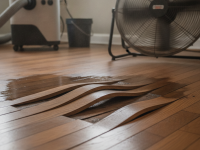
If you’ve noticed a draft coming from window frame, it can make rooms feel colder, raise heating bills, and let dust or moisture sneak inside. Window-frame drafts are one of the most common sources of energy loss in older homes and even in new builds where installation or seals have failed. This guide walks you through how to identify where the air is leaking, proven DIY fixes, when to call a professional, and long-term prevention strategies so your home stays comfortable and efficient year-round.
Why a Draft Coming From Window Frame Happens
Understanding the cause helps you choose the right fix. Common reasons for a draft coming from window frame include:
- Worn or missing weatherstripping around the sash or frame
- Gaps where the window meets the surrounding wall (installation gaps)
- Cracked or failing caulk at exterior trim and mullions
- Warped or rotted window wood or sash that no longer seals tightly
- Broken or inefficient window panes and failed sealed glass units (fogging)
- Sill or frame movement caused by settling, humidity, or freeze-thaw cycles
How to Locate the Exact Source of a Window Draft
Before repairing, find precisely where the air is coming from. Use these fast, reliable methods:
- Hand test: On a calm day, slowly move your hand around the window frame—feel for cooler air.
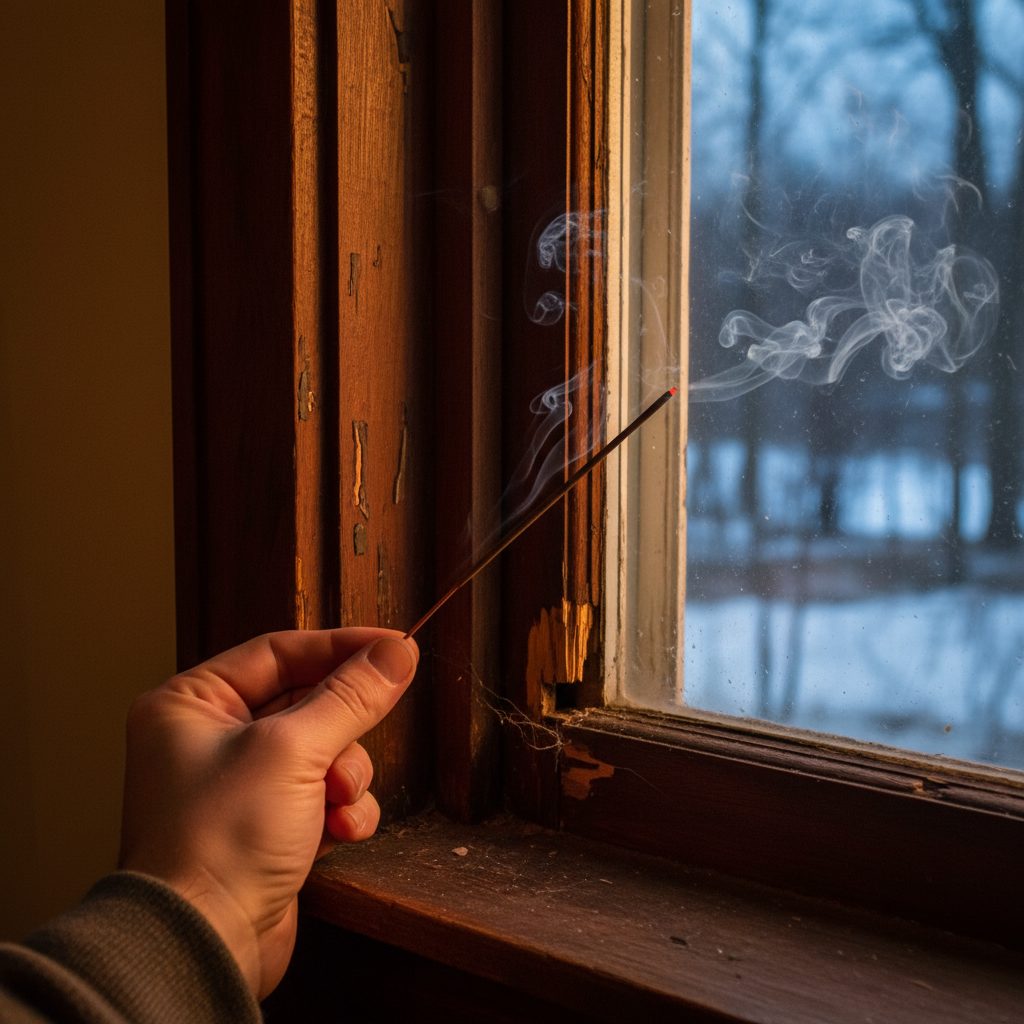
- Flame or candle: Light a candle or incense stick and pass it slowly around the edges inside the frame. Watch for flickering that indicates airflow. Use caution and keep flammable items clear.
- Smoke pencil or smoke stick: Safer and more precise than a candle; professional-grade for leak detection.
- Thermal camera or thermometer: An infrared thermometer or thermal camera shows cooler spots where insulation is missing or air is infiltrating.
- Outdoor inspection: From outside, look for cracked caulk, gaps where trim separates from siding, or damaged flashing.
Quick DIY Fixes for a Draft Coming From Window Frame
If you’ve pinpointed the leak, many fixes are inexpensive and straightforward. Start with the simplest steps and progress to more involved repairs if drafts persist.
1. Replace or Add Weatherstripping
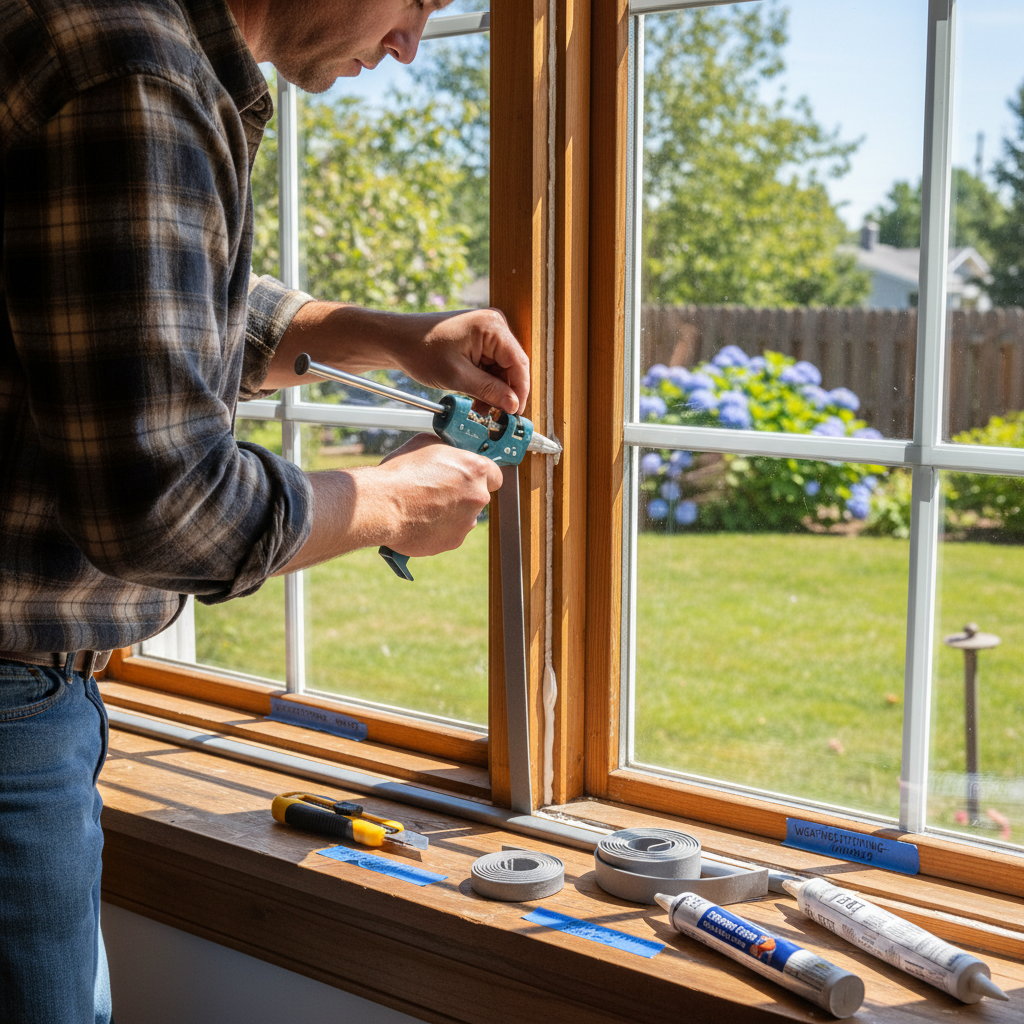
Weatherstripping seals moving parts of the window—sashes and frames. Types include foam tape, V-strip (tension seal), and adhesive bulb weatherstripping. Choose based on your window type:
- Sliding and double-hung windows: V-strip or felt for sash contacts.
- Casement windows: Compression or bulb weatherstripping along the frame.
- Fixed windows: Focus on perimeter seals and caulk instead of weatherstripping.
Installation is usually quick and inexpensive—measure, cut to fit, clean the surface, and apply. Weatherstripping typically costs $5–$20 per window depending on type and length.
2. Re-caulk Gaps and Cracks
Interior and exterior caulk seals stationary joints where trim, siding, and the window frame meet. Use a high-quality exterior acrylic-latex or silicone caulk for outside and interior latex caulk for indoor gaps. Steps:
- Remove old, cracked caulk with a utility knife or caulk remover tool.
- Clean surfaces of dirt, old paint chips, and dust.
- Apply new caulk in a smooth bead and tool it with a wet finger or caulking tool.
- Allow recommended cure time before painting or exposure to rain.
3. Seal Gaps Between Frame and Wall (Low-Cost Spray Foam)
Large gaps between the rough opening and window frame can allow drafts and pests. Low-expansion polyurethane spray foam is ideal for these voids because high-expansion formulas can warp frames. Apply sparingly, let it cure, and trim excess foam flush with a utility knife. Cover with trim or exterior caulk and paint for a finished look.
4. Temporary Remedies for Immediate Relief
- Window-insulating film: Clear plastic kits shrink-wrapped with a hair dryer for winterproofing—cheap and effective short-term.
- Draft snakes or rolled towels: Placed on the sill to block bottom-sash leaks.
- Clear weatherproof tape: For quick fixes until permanent repairs are made.
When the Window or Frame Needs Replacement
DIY fixes work well for gaps, failing seals, and worn weatherstripping, but replacement is warranted if:
- The frame or sash is rotted, warped, or structurally compromised.
- Sealed insulated glass units are fogged or broken.
- Repeated leaks persist after thorough sealing.
- Energy efficiency and comfort upgrades are desired—e.g., switching to double- or triple-pane low-E glass.
Window replacement costs vary widely: a single mid-range window replacement can run $300–$1,200 or more including labor, depending on size, frame material, and glass options. For multiple windows, many homeowners find the investment pays back through energy savings and improved comfort.
How to Choose Materials and Tools
Here’s a quick shopping list for common fixes if a draft coming from window frame is your problem:
- Weatherstripping kit (foam, V-strip, or bulb)
- Acrylic-latex caulk for interior, silicone or exterior-rated caulk for outside
- Caulk gun, utility knife, caulk smoothing tool
- Low-expansion spray foam sealant
- Rags, rubbing alcohol, mild detergent for cleaning surfaces
- Window-insulating film kit and hair dryer (for seasonal use)
- Thermal camera or infrared thermometer (optional, for diagnostics)
Energy and Comfort Benefits of Fixing Window Drafts
Sealing drafts has immediate and measurable benefits:
- Lower heating and cooling costs — airtight windows reduce HVAC runtime.
- Improved indoor comfort — fewer cold spots and better temperature consistency.
- Reduced dust and pollen infiltration — cleaner indoor air.
- Less stress on HVAC systems — which can extend equipment life.
When to Call a Professional
Some issues are best left to experienced window contractors or carpenters. Consider hiring a pro if:
- Frames are rotten or structural repairs are necessary.
- Multiple windows show leaks—indicating potential installation or flashing problems.
- You want full window replacement, upgrades (e.g., low-E glass), or custom sizes.
- Warranty work is needed—professionals can document and handle manufacturer claims.
A professional assessment will include checking flashing, siding and frame attachment, and may reveal hidden moisture or insulation problems that simple sealing won’t fix.
Long-Term Prevention and Maintenance Tips
After repairs, regular maintenance prevents drafts from returning:
- Inspect caulk and weatherstripping annually; replace when cracked or flattened.
- Keep sashes clean and painted to prevent wood rot and warping.
- Check exterior flashing and siding around windows for gaps after storms or through seasonal expansion/contraction.
- Maintain proper attic and wall insulation to reduce wind-washing and thermal bridges that exacerbate drafts.
Cost Estimates: DIY vs Professional
Approximate cost ranges to fix a draft coming from window frame:
- Weatherstripping: $5–$50 per window (materials)
- Caulking (materials): $5–$25 per tube; professional caulking job $50–$150 per window depending on accessibility
- Spray foam and small repairs: $10–$75 per window
- Window replacement: $300–$1,200+ per window (labor & materials), specialty windows cost more
DIY methods are budget-friendly for minor leaks; large-scale fixes or replacements justify professional rates for guaranteed performance and warranty.
Safety Notes
- When using a candle for detection, never leave it unattended; consider a smoke pencil instead.
- When working on exterior frames from ladders, follow ladder safety guidelines or hire a pro.
- Use low-expansion spray foam around frames; high-expansion foams can bend or warp frames.
Further Reading and Resources
For step-by-step seasonal weatherproofing and detailed advice on sealing windows, refer to this practical guide from Better Homes & Gardens: How to weatherize and seal windows.
FAQ — Common Questions About Drafts From Window Frames
Q: Is a draft coming from window frame dangerous?
A draft itself isn’t usually dangerous, but prolonged exposure to cold drafts increases heating load, can cause condensation and mold in extreme cases, and may indicate moisture entry points that can lead to rot. Address drafts promptly to avoid secondary issues.
Q: How quickly will weatherstripping or caulking stop a draft?
Proper weatherstripping and caulking typically stop most drafts immediately once properly applied and cured. For large air gaps or structural problems, additional work may be needed.
Q: Can I use spray foam for all window gaps?
Use low-expansion spray foam for larger voids between the window frame and rough opening. Do not use it between moving parts or thin frames where pressure could distort the window. For small seams, caulk or backer rod is a better choice.
Q: How long does window-insulating film last?
Film is a seasonal solution typically used through colder months and can last one winter or more depending on exposure and installation quality. It’s meant as a temporary insulating layer, not a permanent replacement for a properly sealed window.
Q: Will replacing windows pay for itself?
Replacement windows can reduce energy bills, increase comfort, and raise property value. Payback depends on your climate, energy costs, the efficiency of new windows, and incentives available. In many homes with very old windows, replacement offers a good long-term return.
Final Checklist: Quick Actions When You Detect a Draft Coming From Window Frame
- Locate leaks with a candle, smoke stick, or hand test.
- Apply weatherstripping where moving sashes meet frames.
- Re-caulk exterior and interior seams that show gaps or cracks.
- Fill larger voids with low-expansion spray foam and trim excess.
- Consider window replacement if frames are rotted or glass units fail.
- Schedule a professional inspection for multiple or stubborn leaks.
If you’ve fixed a draft coming from window frame and want to improve overall room comfort and design, explore ways to pair practical repairs with styling updates. For ideas on arranging warm, inviting living spaces after improving energy performance, consider browsing how to design a comfortable interior layout and finishes.
For more inspiration and guidance, explore this design resource: How to Design A Comfortable Modern Living Space