If you’ve noticed a draft coming from window frame, that cold or warm air sneaking into your home can feel frustrating — and costly over time. Drafts not only make rooms uncomfortable but also drive up heating and cooling bills, create condensation issues, and can let pollen, dust, and noise inside. This guide walks you through how to find the source of the draft, decide whether to use a quick temporary fix or a permanent repair, and when it’s time to call a professional.
Why a draft coming from window frame happens
Window frames are complex intersections of materials, moving parts, and exterior exposures. Common causes for a draft include:

- Worn or missing weatherstripping around sashes and frames.
- Shrunk or cracked caulk at the exterior joint between the frame and the wall.
- Loose glazing putty or failing seals in single- or double-pane windows.
- Warped wood frames or sash that no longer fit snugly in their tracks.
- Broken sash cords or balances that let sashes sit unevenly.
- Gaps between the window frame and rough opening from poor installation.
- Aging or damaged window hardware that prevents a tight closure.
How to locate where the draft is coming from
Finding the exact spot of a draft makes repairs quick and effective. Try these simple tests:
- Paper test: Close a window and slide a thin piece of paper around the edges; if it pulls or flutters, air is getting through.
- Candle or incense stick: Move a lit candle or slowly-burning incense along seams and around the frame. Watch for flicker or smoke movement.
- Hand test: On a cool day, run your hand slowly around the interior perimeter of the frame to feel for airflow.
- Thermometer/thermal camera: A handheld infrared thermometer or thermal camera (many phones can connect to inexpensive attachments) will show cooler spots where air enters.
- Nighttime test: A flashlight held on the inside while someone stands outside — or vice versa — will reveal gaps when light shines through.
Quick temporary fixes you can do today
If you need immediate relief before a permanent repair, these short-term solutions help reduce drafts and improve comfort:
- Draft snakes or door/window draft stoppers placed along the sill reduce obvious leaks.
- Removable weatherstripping: Foam tape or V-strip weatherstripping is inexpensive and easy to install on sash edges.
- Window insulation film: Clear plastic film applied to the interior frame with double-sided tape and shrunk with a hairdryer reduces air movement and heat loss.
- Seal gaps with painter’s caulk or small beads of low-expansion spray foam for larger voids (careful with foam — allow to cure before trimming).
- Heavy curtains or cellular (honeycomb) shades provide an extra barrier to drafts during cold months.
DIY permanent fixes that really work
If the draft is persistent, invest time in these longer-term repairs. They require more tools and a little patience, but they deliver better comfort and efficiency.
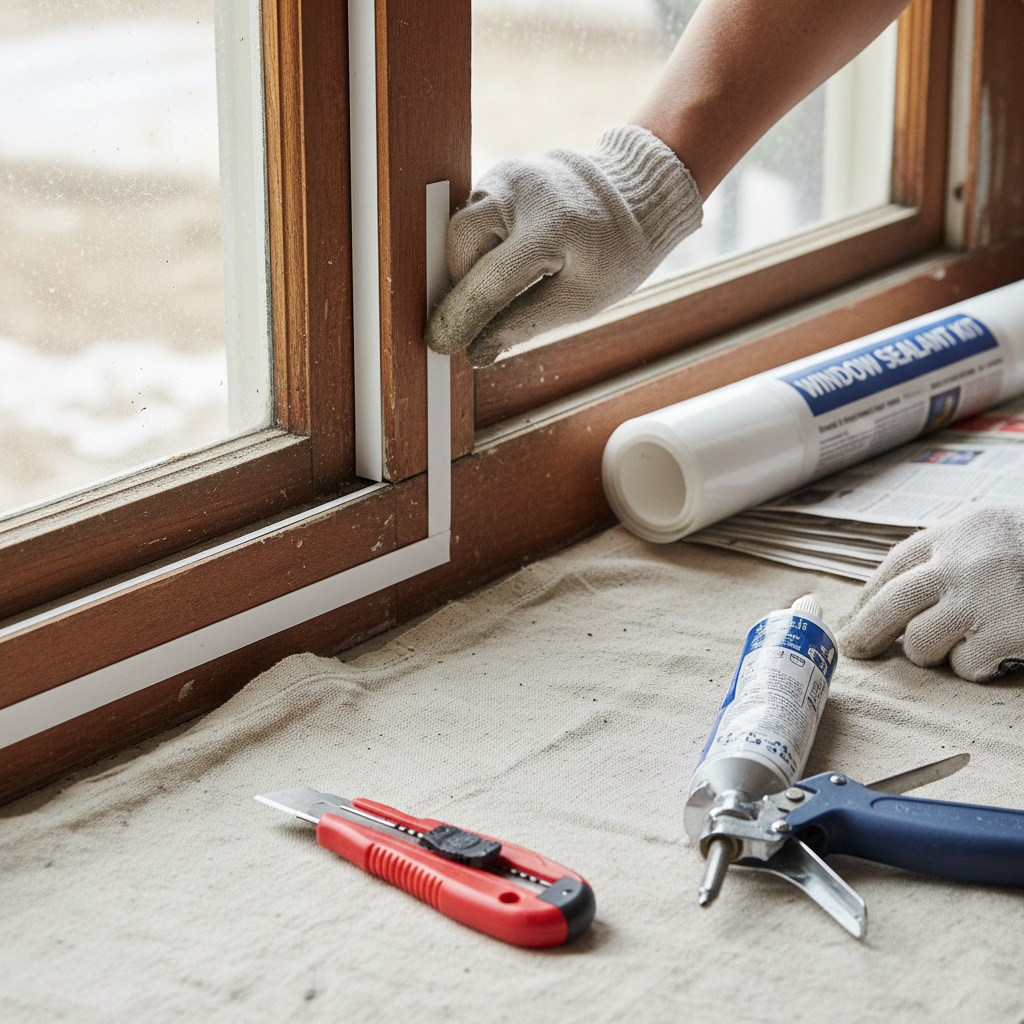
1. Replace or install proper weatherstripping
Match the type of weatherstripping to your window: V-strips for vertical sash, felt or foam for older windows, and adhesive-backed rubber or silicone for tight seals. Clean the mounting surface thoroughly, remove old adhesive, measure and cut to fit, and press into place. Proper weatherstripping should compress slightly when the sash closes but not bind the window.
2. Recaulk interior and exterior joints
Over time, exterior caulk loses adhesion and cracks. Remove failed caulk with a utility knife or caulk remover tool, clean surfaces, then apply a high-quality exterior-grade silicone or polyurethane caulk. Inside, use acrylic-latex caulk for paintable seams. Allow the caulk to cure per manufacturer instructions.
3. Reglaze or replace glazing putty
If single-pane or historic windows have loose glazing putty, removing the old putty and reglazing the glass will stop air leaks. This is a careful job: cut out old putty, install new glazing points, apply glazing compound, and smooth. For energy improvement, consider installing energy-efficient glass or adding an interior storm panel.
4. Repair sash cords or balances
For double-hung windows that won’t stay closed or sit unevenly, failing sash cords or balance springs may be the issue. These can often be replaced without removing the entire window — but if you’re uncomfortable, a window repair specialist can do it quickly.
5. Add storm windows or upgrade to double/triple-glazed units
Installing interior or exterior storm windows creates another insulating layer and greatly reduces drafts. If windows are old and inefficient, replacing them with double- or triple-pane insulated units is the most permanent solution for energy savings.
Tools and materials you’ll likely need
Basic tools for most window-sealing projects:
- Utility knife, putty knife, and scraper
- Caulk gun and high-quality caulk (exterior silicone or polyurethane)
- Weatherstripping (foam tape, V-strip, adhesive rubber)
- Measuring tape, pencil, and scissors
- Low-expansion spray foam and backer rod for wide gaps
- Glazing compound and glazing points for reglazing
- Hammer, screwdriver, and replacement hardware if needed
Estimated costs (ballpark): weatherstripping $5–$30; caulk $5–$15; plastic window film $5–$20 per window; storm windows $100–$400 per window; full replacement $300–$1,200+ per window depending on size and performance.
Step-by-step: sealing a wooden window frame (common DIY)
This straightforward method covers typical gaps and worn seals:
- Inspect the window inside and out. Use the candle or paper test to find leak areas and mark them with a pencil.
- Clean the area. Remove dirt and old caulk with a putty knife and a mild cleaner; allow to dry.
- Remove old weatherstripping and residue. If paint is sticky, gently sand the contact surfaces.
- Install new weatherstripping along sash edges or frame, following the product instructions. Ensure it compresses slightly when the window is closed.
- Caulk between the exterior frame and siding/masonry. Smooth the bead with a caulking tool or wet finger for a tight seal.
- Address large voids at the jamb with backer rod before caulking or use low-expansion spray foam for deep openings; trim excess after cure.
- Reglaze if necessary: remove loose putty, press glazing points into place, apply glazing compound, and smooth. Allow proper curing time.
- Test the window again with the paper or candle method and make any small adjustments.
When to call a professional
Some problems are better left to experienced window pros:
- Rotting frame, significant structural damage, or mold inside the frame cavities.
- Complex sash balance, frame alignment issues, or if multiple windows are failing.
- If the rough opening has shifted, causing gaps between the frame and the wall.
- When you want to replace multiple windows with high-efficiency units — pros can advise on U-factors, coatings, and warranties.
For trustworthy how-to advice and professional perspectives on sealing drafty windows, HGTV has a useful guide that complements these tips: HGTV’s guide to sealing drafty windows.
Energy savings and health benefits of sealing drafts
Stopping a draft coming from window frame not only improves comfort but can reduce heating and cooling costs significantly. Even modest air sealing can lower energy bills by 5–15% depending on your home’s existing efficiency. Other benefits include:
- Reduced condensation and mold risk from cold spots.
- Lesser dust and pollen entry, easing allergy symptoms.
- Quieter rooms by reducing exterior noise infiltration.
- Extended lifetime of HVAC systems from reduced load.
Seasonal maintenance checklist to prevent future drafts
Keeping windows in good condition prevents drafts from returning:
- Spring: Inspect exterior caulk and repaint wooden frames to prevent moisture entry.
- Summer: Lubricate hardware and clean tracks to ensure smooth closing.
- Fall: Check and replace weatherstripping before heating season.
- Winter: Use insulating window film if needed and monitor for new condensation or frost on glass edges (a sign of seal failure).
Frequently asked questions (FAQs)
Q: Is it normal for older windows to be slightly drafty?
A: Many older windows will have some air infiltration. While a little draft is common, excessive drafts signal failing seals, rotted frames, or missing weatherstripping and should be addressed for comfort and efficiency.
Q: Can I use regular caulk on the exterior of my windows?
A: For exterior joints, use a high-quality exterior silicone or polyurethane caulk that handles movement and UV exposure. Interior gaps can use paintable acrylic-latex caulk.
Q: How long does window insulation film last?
A: Window insulation film is typically a seasonal solution lasting one heating season if installed correctly. It’s affordable and fast for renters or temporary needs.
Q: Will replacing windows always be worth the cost?
A: It depends. If windows are badly deteriorated, replacement saves energy and reduces maintenance. If they’re in good condition, targeted repairs like weatherstripping, new glass, or storm windows can be cost-effective.
Q: Are spray foam and caulk interchangeable for sealing gaps?
A: Not exactly. Low-expansion spray foam fills larger cavities and provides insulation, but it’s messy and can over-expand. Caulk is best for small cracks and seams where movement occurs. Use backer rod then caulk for wider gaps when appropriate.
Smart upgrades worth considering
If you’re addressing frequent drafts in multiple windows, consider these upgrades:
- Interior storm panels for a reversible, energy-saving option that preserves historic windows.
- Energy-efficient replacement windows with low-E coatings and argon gas fill for better performance.
- Cellular shades with high R-values for improved insulation and light control.
- Professional air-sealing of the entire home to reduce infiltration beyond windows.
Fixing a draft coming from window frame can be a quick DIY win or the start of a longer home-improvement project. Whether you patch a gap with weatherstripping or invest in replacement windows, the result is a more comfortable, efficient, and healthier home.
If you’d like detailed design ideas for combining window upgrades with cozy interiors, explore this guide on how to design a comfortable modern living space: How to Design A Comfortable Modern Living Space