Understanding the Anatomy of Your Roof and Shingles
Before diving into why shingles blow off, it’s helpful to understand what shingles are and how they’re supposed to stay put. Most residential roofs in North America use asphalt shingles, which are layered to create a watertight barrier. Each shingle typically has an adhesive strip on its underside, activated by the sun’s heat, which “seals” it to the shingle below. This seal, combined with proper nailing, is what keeps them secure against wind and rain.
- Asphalt Shingles: Composed of a fiberglass mat saturated with asphalt and covered with ceramic granules.
- Self-Sealing Strips: A tar-like strip on the underside that bonds to the shingle below once heated by the sun.
- Nailing: Critical for securing shingles, typically done with roofing nails.
- Underlayment: A protective layer beneath the shingles that adds an extra barrier against moisture.
- Roof Decking: The wooden base to which the underlayment and shingles are attached.
Top Reasons Why Your Roof Shingles Keep Blowing Off
Missing shingles are rarely due to a single factor. Often, it’s a combination of environmental stressors, material limitations, and installation practices. Here are the most common culprits:
1. High Winds and Severe Weather
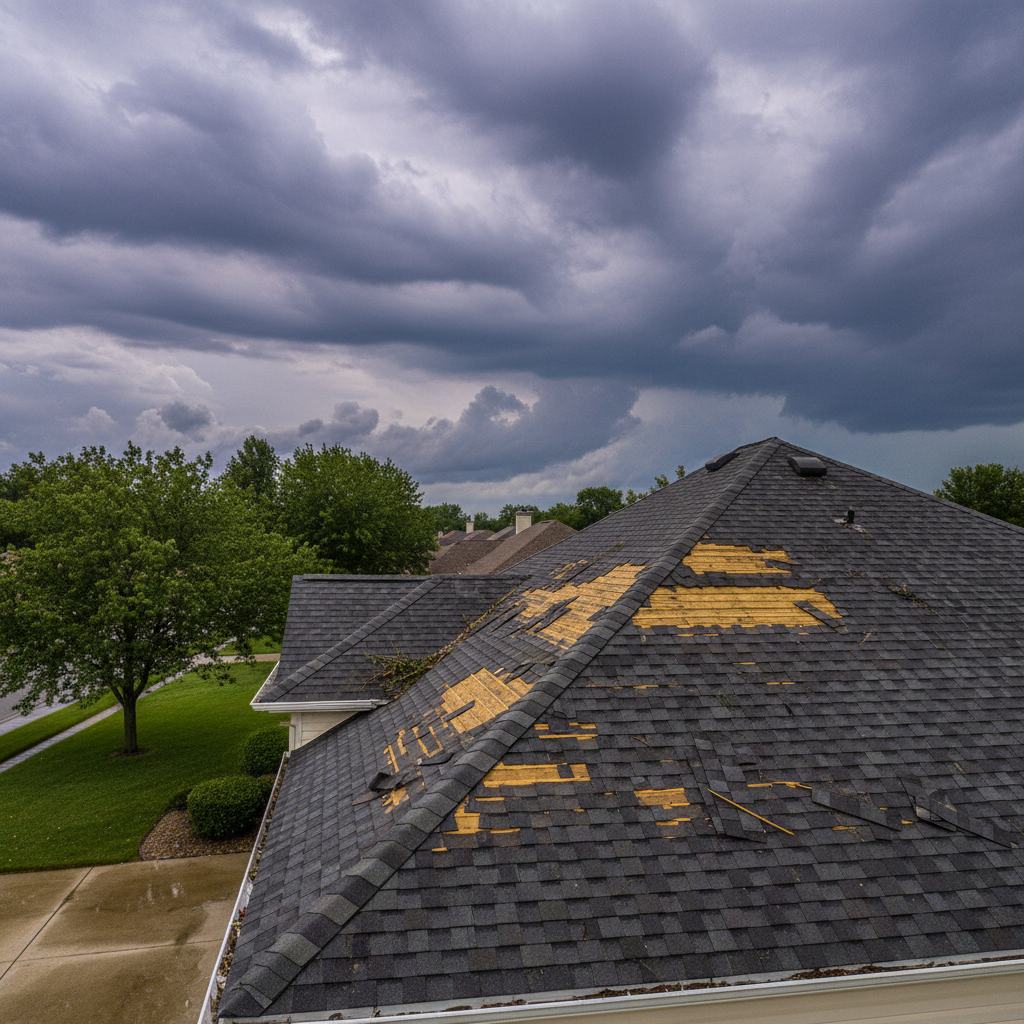
This is the most obvious and immediate cause. Strong winds exert significant uplift pressure on shingles, particularly those on the edges or at peaks. If the shingles aren’t adequately sealed or fastened, the wind can get underneath them, lifting and eventually tearing them off.
- Uplift Pressure: Winds create a vacuum effect that pulls shingles upwards.
- Turbulence: Wind swirling around the roof can target specific areas, especially eaves and ridges.
- Wind Speed: Standard shingles are rated for certain wind speeds; exceeding these can cause damage.
2. Improper Shingle Installation
Even the highest quality shingles are only as good as their installation. Many shingle blow-offs can be attributed to errors made during the initial roofing process.
- Incorrect Nailing:
- Too Few Nails: Most shingles require 4-6 nails per shingle. Fewer can lead to instability.
- Improper Nailing Zone: Nails driven too high or too low on the shingle can miss the underlying decking or fail to secure both layers of the shingle.
- Over-driven or Under-driven Nails: Nails driven too deep can cut through the shingle, while those not driven far enough can prevent proper sealing and be easily pulled out.
- Insufficient Shingle Overlap: If shingles aren’t overlapped correctly, too much of their surface is exposed to wind, making them more vulnerable.
- Lack of Starter Shingles: Starter shingles provide a continuous adhesive strip along the eaves, crucial for wind resistance.
- Inadequate Sealing: If the self-sealing strips don’t properly activate (due to cold weather during installation or insufficient sun exposure post-installation), the shingles won’t bond effectively.
3. Age and Wear of Shingles
Like all building materials, shingles have a lifespan. As they age, they become brittle and lose their elasticity, making them more susceptible to wind damage.
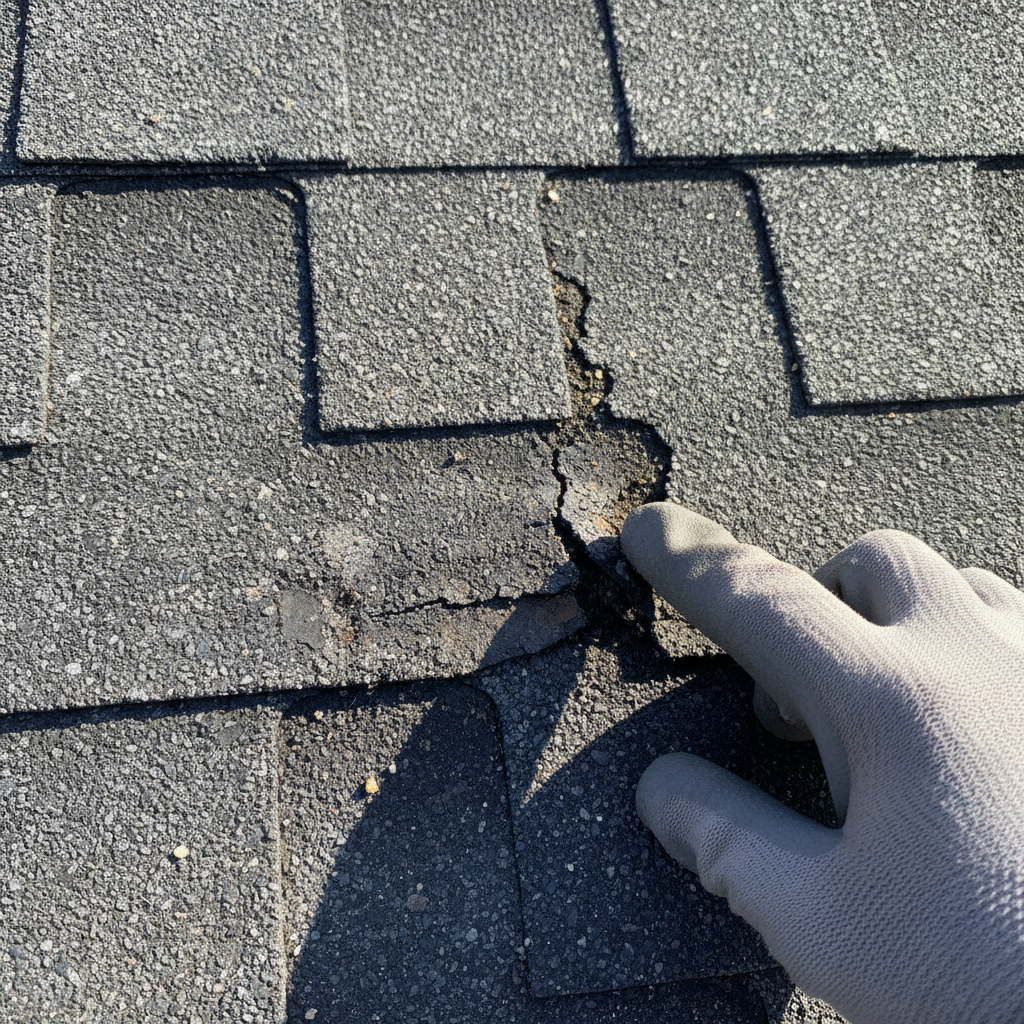
- Loss of Granules: The ceramic granules protect the asphalt from UV rays. As they shed, the asphalt dries out, becomes brittle, and cracks.
- Curling and Cupping: Older shingles may curl at the edges or cup in the middle, creating gaps that strong winds can exploit.
- Weakened Adhesive: The self-sealing strips can lose their effectiveness over time due to repeated heating and cooling cycles, or contamination from dust and debris.
- Material Degradation: Constant exposure to sun, rain, and temperature fluctuations slowly breaks down the shingle material.
4. Poor Quality Shingles
Not all shingles are created equal. Opting for cheaper, lower-quality materials might save money upfront but can lead to frequent issues like shingles blowing off.
- Lower Wind Resistance Ratings: Inferior shingles often have lower wind speed ratings, meaning they are designed to withstand less force.
- Thinner Material: Less robust materials are more prone to tearing and cracking under stress.
- Weaker Adhesive Strips: The sealant might not be as effective or durable on cheaper shingles.
5. Existing Roof Damage or Structural Issues
Sometimes, the problem isn’t just with the shingles themselves but with the underlying structure of the roof.
- Rotting or Weakened Decking: If the wooden roof deck is compromised by moisture or age, nails won’t hold securely, allowing shingles to pull free.
- Water Damage: Leaks can weaken the shingle matrix and the underlying roof structure, making it easier for wind to cause damage.
- Impact Damage: Hail, falling branches, or other impacts can loosen shingles, creating weak points for wind to exploit.
6. Lack of Proper Ventilation
While not a direct cause, poor attic ventilation can contribute to shingle degradation. Excessive heat and moisture buildup in the attic can lead to premature aging of shingles from the underside, making them more vulnerable to external forces.
Signs Your Roof Shingles Are at Risk
Regular inspections can help you identify potential problems before shingles start blowing off. Look for these warning signs:
- Curling or Cupping Shingles: Edges lifting or centers sinking.
- Cracked or Brittle Shingles: Visible lines or stiffness.
- Missing Granules: Bald spots on shingles, or granules accumulating in gutters.
- Loose or Lifted Shingles: Areas where shingles are no longer flat against the roof.
- Worn or Exposed Underlayment: Indicates significant granule loss and shingle wear.
- Sagging Areas: A sign of potential decking or structural issues.
- Water Stains on Ceilings: A clear indication of a leak, often originating from compromised shingles.
The Dangers of Neglecting Missing Shingles
Ignoring even one missing shingle can lead to a cascade of problems that are far more costly to fix:
- Water Leaks: The most immediate danger. Exposed underlayment or decking allows water to penetrate, leading to ceiling damage, mold growth, and structural rot.
- Further Shingle Loss: A missing shingle exposes the ones around it to increased wind pressure, making them more likely to blow off.
- Damage to Insulation: Wet insulation loses its effectiveness, leading to higher energy bills.
- Rotting Wood: Continuous moisture exposure can rot roof decking, rafters, and even interior framing.
- Pest Infestation: Openings in the roof can become entry points for rodents, insects, and other pests.
Preventive Measures: Keeping Your Shingles Firmly in Place
Taking proactive steps is key to preventing shingles from blowing off and extending the life of your roof.
1. Regular Roof Inspections
Schedule professional roof inspections at least once a year, and especially after major storms. A professional can spot issues you might miss and address them promptly. You can also perform visual checks from the ground.
For more home maintenance tips, including how to care for your roof, check out resources like Better Homes & Gardens’ roof maintenance checklist.
2. Ensure Proper Installation by Certified Professionals
When installing a new roof or replacing sections, always hire licensed and insured roofing contractors with a proven track record. They understand local building codes, proper nailing techniques, and manufacturer specifications.
- Check References: Ask for local references and inspect their previous work.
- Verify Insurance: Ensure they carry liability and worker’s compensation insurance.
- Get a Detailed Contract: This should outline materials, scope of work, warranty, and timeline.
3. Choose High-Quality, Wind-Resistant Shingles
Invest in shingles with a higher wind resistance rating (e.g., 110 mph or 130 mph) if you live in an area prone to strong winds. Architectural or laminate shingles often offer better wind resistance due to their heavier construction and stronger adhesive strips.
4. Maintain Your Roof Regularly
- Keep Gutters Clean: Clogged gutters can cause water backup, leading to moisture damage that weakens shingles and decking.
- Trim Overhanging Branches: Prevent branches from scratching or falling onto the roof, which can loosen or damage shingles.
- Address Minor Repairs Promptly: Don’t let a loose shingle become a missing shingle. Early intervention can save significant costs.
- Ensure Proper Attic Ventilation: Good airflow prevents excessive heat and moisture buildup, preserving shingle integrity from below.
What to Do When Shingles Blow Off
If you discover missing shingles, don’t panic, but act quickly:
- Assess the Damage (Safely): From the ground, try to determine the extent of the damage. Do NOT climb onto a wet or damaged roof yourself.
- Temporary Tarping: If you can safely reach the area and have a tarp, temporarily cover the exposed area to prevent immediate water damage. Secure the tarp well to prevent it from blowing off.
- Contact a Professional Roofer: Call a reputable local roofing contractor immediately. They can safely inspect the damage, provide an estimate for repair, and ensure the work is done correctly.
- Document Everything: Take photos of the damage for your insurance claim.
- Check Your Insurance Policy: Understand your coverage for wind and storm damage.
When to Repair vs. Replace Your Roof
The decision to repair or replace depends on several factors:
- Extent of Damage: If only a few shingles are missing in one isolated area, a repair is usually sufficient. Extensive, widespread damage across multiple sections often warrants a replacement.
- Age of the Roof: If your roof is nearing the end of its lifespan (e.g., 15-20+ years for asphalt shingles) and you’re experiencing recurring issues, a full replacement is often more cost-effective in the long run than piecemeal repairs.
- Underlying Issues: If the shingle loss is due to widespread decking rot or structural problems, a full replacement allows for comprehensive remediation.
- Matching Shingles: If your shingles are old and discolored, finding exact matches for repairs can be difficult, leading to a patchy appearance.
Frequently Asked Questions About Shingles Blowing Off
Q1: How much wind speed can my roof shingles withstand?
Standard 3-tab asphalt shingles are typically rated for wind speeds of up to 60-70 mph. Architectural or laminate shingles often have ratings of 110-130 mph or even higher, depending on the manufacturer and installation method. Always check the manufacturer’s specifications for your specific shingle type.
Q2: Can I reattach blown-off shingles myself?
While it might seem simple, it’s generally not recommended for homeowners to repair roof damage themselves, especially if the roof is steep or high. There are significant safety risks involved, and improper repair can lead to further damage or leaks. It’s best to call a professional roofer who has the right equipment and expertise.
Q3: Does homeowner’s insurance cover blown-off shingles?
Most standard homeowner’s insurance policies cover damage caused by wind and hail, which would include blown-off shingles, provided the damage is sudden and accidental. However, policies vary, and there might be deductibles or specific exclusions. It’s crucial to review your policy or speak with your insurance agent to understand your coverage.
Q4: How long does it take for new shingles to seal properly?
New shingles typically need warm, sunny weather to activate their self-sealing adhesive strips. Depending on local temperatures and sun exposure, this process can take anywhere from a few days to several weeks after installation. If shingles are installed during cold weather, the sealing process may be delayed until warmer temperatures arrive.
Q5: Is it normal to find some granules in the gutter?
A small amount of granule loss, especially from new shingles, is normal as excess granules settle. However, a significant accumulation of granules in your gutters is a strong indicator that your shingles are aging and deteriorating, and it’s a sign that they may be nearing the end of their lifespan.
Conclusion
When you ask “why my roof shingles keep blowing off,” you uncover a host of potential issues ranging from severe weather and aging materials to critical installation errors. Your roof is your home’s first line of defense against the elements, and its health is paramount to your home’s structural integrity and your family’s comfort. By understanding these causes, performing regular maintenance, and entrusting major repairs and installations to qualified professionals, you can significantly reduce the risk of shingle blow-offs and ensure your roof remains steadfast, protecting your home for years to come.