There’s little more frustrating than the subtle, yet persistent, dance of an LED light flickering for no reason. What starts as a minor annoyance can quickly become a source of eye strain, headaches, and even concern about your home’s electrical health. Unlike their incandescent predecessors, LED lights are designed for remarkable efficiency and longevity, making unexpected flickering all the more perplexing. If you’ve ever found yourself staring at a strobing light, wondering what could possibly be wrong, you’re not alone. This guide will delve into the myriad reasons why your modern LED illumination might be misbehaving and equip you with the knowledge to diagnose and fix the problem, restoring calm and steady light to your living spaces.
Understanding LED Technology and Why Flickering Happens
Before we dive into troubleshooting, it’s helpful to understand what makes LEDs different from traditional bulbs. Incandescent bulbs simply pass electricity through a filament, heating it until it glows. LEDs, on the other hand, are semiconductor devices that produce light when an electric current passes through them. They operate on direct current (DC) power, but most homes provide alternating current (AC). This is where the LED driver comes in – a crucial component within or alongside the bulb that converts AC to DC and regulates the current and voltage, ensuring the LED operates correctly. When this delicate balance is disrupted, flickering can occur.

The human eye typically perceives light as continuous if it flashes faster than 50-60 times per second (Hertz). However, even flicker at higher frequencies can cause discomfort or be picked up by cameras. Flickering in LEDs is essentially a rapid on-off cycle, often too fast to be consciously perceived but still noticeable, especially in peripheral vision or against certain backgrounds.
Common Culprits: Why Your LED Lights Are Flickering for No Reason
The “no reason” part of the flickering is often just a perceived lack of an obvious cause. In reality, there’s always an underlying reason. Here are the most common culprits behind your LED lights flickering:
Incompatible Dimmers or Switches
One of the most frequent causes of LED lights flickering, particularly in installations where older dimmer switches are present, is incompatibility. Traditional incandescent dimmers work by reducing the voltage supplied to the bulb, effectively lowering its brightness. LEDs, however, require a more sophisticated approach. They need a consistent current, and old dimmers, often designed for the higher wattage of incandescent bulbs, can’t provide the stable low-voltage environment LEDs need. This mismatch can cause the LED driver to struggle, leading to an erratic power supply and, consequently, flickering.
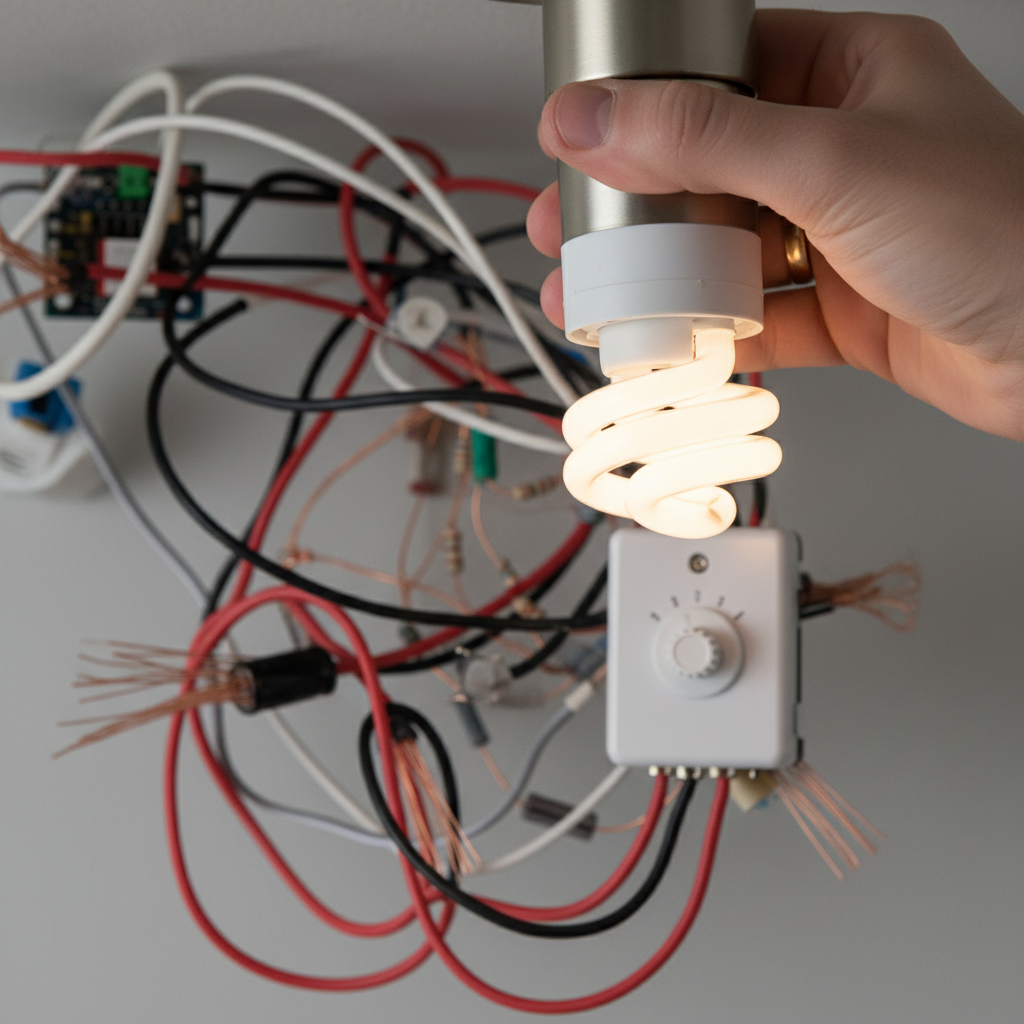
- Leading-Edge vs. Trailing-Edge Dimmers: Older dimmers are typically “leading-edge” (also known as inductive or magnetic). Modern LED-compatible dimmers are generally “trailing-edge” (capacitive or electronic). Trailing-edge dimmers are specifically designed to work with the lower power draw and electronic components of LEDs.
- Minimum Load Requirements: Many older dimmers also have a minimum load requirement to function correctly. Since LEDs draw significantly less power, a single LED bulb or even a few on one circuit might not meet this minimum, causing instability and flickering.
- Solution: Replace old dimmer switches with those specifically labeled as “LED-compatible” or “universal” dimmers. These are designed to handle the low wattage and unique electrical characteristics of LED lights. Ensure the dimmer’s wattage range matches the total wattage of the LEDs on the circuit.
Loose Connections or Wiring Issues
Sometimes, the problem isn’t with the technology itself but with the physical connections. A loose connection at any point in the electrical path can interrupt the flow of current, causing your LED lights to flicker intermittently.
- Loose Bulb: The simplest fix! An LED bulb not screwed in tightly enough can lose consistent contact with the fixture’s socket.
- Fixture Wiring: Wires within the light fixture itself might be loose or poorly connected. This could be due to age, vibration, or improper installation.
- Switch Wiring: Connections at the light switch can loosen over time. If the switch feels wobbly or the plate is warm, this could be a sign.
- House Wiring: Less common for a single light, but if multiple lights or outlets in a specific area are flickering, it could indicate a more significant issue with your home’s branch circuit wiring or even the main electrical panel.
- Solution: Start by tightening the LED bulb in its socket. If that doesn’t work, turn off the power at the breaker and carefully inspect the wiring in the fixture and switch boxes. If you’re uncomfortable with electrical work, it’s always best to consult a licensed electrician.
Faulty LED Driver or Power Supply
The LED driver is the unsung hero that keeps your LED running smoothly. If this component starts to fail, it can’t provide the stable power the LED needs, resulting in flickering. Drivers can degrade over time due to heat, power surges, or manufacturing defects.
- Integrated vs. External Drivers: Some LED bulbs have the driver integrated directly into the base, while others, like certain LED strip lights or recessed lighting, use an external driver.
- Symptoms: Besides flickering, a failing driver might cause the LED to dim significantly, change color, or fail to turn on at all.
- Solution: If the driver is integrated into a bulb, replacing the bulb is the simplest solution. For external drivers, you may be able to replace just the driver unit, assuming it’s accessible and you can find a compatible replacement. Always ensure power is off before attempting replacement.
Voltage Fluctuations in Your Home
Your home’s electrical system is designed to deliver a consistent voltage (typically 120V in North America). However, various factors can cause temporary dips (sags) or spikes (surges) in voltage, which can destabilize LED drivers and cause flickering.
- High-Demand Appliances: Large appliances like refrigerators, air conditioners, washing machines, or even vacuum cleaners draw a significant amount of power when they cycle on or off. This sudden load change can cause a momentary dip in voltage throughout your home’s circuits, leading to perceptible flickering, especially in sensitive LEDs.
- Grid Issues: Less commonly, voltage fluctuations can originate from your utility grid, perhaps during peak demand times or due to issues at the power station or local transformer.
- Solution: Observe if the flickering correlates with specific appliances turning on or off. If so, consider having an electrician assess your home’s wiring and circuit loads. A whole-house surge protector might offer some protection against spikes, but persistent sags usually indicate a deeper electrical issue.
Overloaded Circuits
An electrical circuit has a maximum amount of current it can safely handle. If you plug in too many devices or fixtures that draw too much power onto a single circuit, it becomes overloaded. While a severe overload will trip a circuit breaker, a moderate overload can cause voltage drops and instability, making your LED lights flicker.
- Solution: Distribute your electrical load more evenly across different circuits. Unplug some devices from the flickering circuit and see if the issue resolves. If this is a recurring problem, a licensed electrician can assess your circuit loads and potentially add new circuits or upgrade your electrical panel.
Electromagnetic Interference (EMI)
While less common, electromagnetic interference from nearby electronic devices can sometimes cause flickering in sensitive LED lights. This is especially true for unshielded or poorly designed LED components.
- Sources: Nearby motors, radio transmitters, unshielded wiring, or even older fluorescent ballasts can emit electromagnetic waves that interfere with the LED driver’s electronics.
- Solution: Try moving other electronic devices away from the flickering LED light. If the problem persists, it might be an indicator of a poorly shielded LED product.
Quality of the LED Bulb Itself
Not all LED bulbs are created equal. Cheaper, lower-quality LEDs may use inferior components or less robust drivers that are more susceptible to flickering, especially under varying conditions or at the end of their lifespan.
- Manufacturing Defects: Occasionally, a brand new LED bulb might have a manufacturing defect that causes it to flicker prematurely.
- End of Lifespan: While LEDs boast impressive lifespans, they don’t last forever. As they near the end of their service life, their internal components, especially the driver, can begin to degrade, leading to flickering before eventual failure.
- Solution: Invest in reputable brands known for quality and reliability. If a new bulb flickers, exchange it. If an older bulb starts flickering, it might simply be time for a replacement.
Temperature Extremes
LEDs are sensitive to temperature. While they generate less heat than incandescents, extreme ambient temperatures, both hot and cold, can affect their performance. Operating LEDs outside their recommended temperature range can cause components to malfunction, leading to flickering.
- Cold Temperatures: In very cold environments (e.g., unheated garages, outdoor fixtures), the electronics within the driver may not function optimally, causing startup delays or flickering.
- Hot Temperatures: Excessive heat can accelerate the degradation of the driver and other components, leading to premature failure and flickering. This is often an issue in enclosed fixtures where heat can build up.
- Solution: Ensure your LED bulbs are rated for the environment they are installed in. Use “enclosed fixture rated” LEDs if they are going into a sealed light fixture.
Residual Current or Ghosting
This phenomenon, often referred to as “ghosting” or “glowing” when the light is supposed to be off, can also manifest as a faint, almost imperceptible flicker. It occurs when a tiny amount of residual electrical current trickles through the circuit, not enough to fully illuminate the LED but enough to cause its sensitive electronics to react slightly.
- Causes: This can happen with smart switches (which often require a neutral wire for their internal electronics), dimmer switches designed for higher loads, or even long runs of wiring acting as a capacitor.
- Solution: Sometimes, installing a specific resistor (known as a bypass load or snubber) across the LED fixture can absorb this residual current, preventing flickering or ghosting. Consult an electrician for proper installation.
Troubleshooting Steps: Diagnosing the Flicker
When faced with a flickering LED, a systematic approach can help you pinpoint the cause without calling an electrician immediately. Here’s a step-by-step guide:
- Check the Bulb First:
- Ensure the LED bulb is screwed in tightly.
- Swap the flickering LED with a known good, non-flickering LED from another fixture. If the flicker follows the bulb, the bulb is faulty. If the flicker remains in the fixture, the problem is elsewhere.
- Identify the Circuit and Appliances:
- Note which other lights or appliances are on the same circuit as the flickering LED.
- Observe if the flickering starts or worsens when a specific high-demand appliance cycles on (e.g., refrigerator, HVAC unit).
- Inspect the Switch:
- If it’s a dimmer, confirm it’s an LED-compatible dimmer switch. If not, replace it.
- Gently wiggle the switch. If the flicker changes, there might be a loose connection inside the switch box.
- Examine the Fixture:
- With the power off at the breaker, carefully inspect the wiring connections within the light fixture. Look for loose wires, signs of scorching, or corrosion.
- Ensure the fixture itself is rated for LED use, particularly if it’s an enclosed fixture.
- Test on a Different Circuit:
- If possible, try the flickering LED bulb in a fixture on a different electrical circuit in your home. This can help determine if the issue is localized to a specific circuit or the bulb itself.
- Consider External Factors:
- Are there any powerful electronic devices, motors, or radio transmitters operating near the flickering light? Temporarily unplug them to see if the flicker stops.
Preventing Future LED Flickering Issues
Once you’ve resolved the current flickering problem, taking proactive steps can help ensure a stable and reliable lighting experience with your LEDs:
- Invest in Quality LED Bulbs: Don’t compromise on quality for a few dollars. Reputable brands often have better internal drivers and stricter quality control, leading to more consistent performance and longer lifespans. Look for certifications like Energy Star.
- Use Compatible Dimmers: Always match your LED bulbs with dimmers specifically designed for LED technology. Check the dimmer’s specifications for its maximum and minimum load ratings.
- Verify Fixture Compatibility: If using LEDs in enclosed fixtures or outdoor environments, ensure the bulbs are rated for those conditions. Overheating is a common enemy of LED drivers.
- Proper Installation: Ensure all electrical connections are secure and properly insulated. If you’re undertaking a new installation, follow the manufacturer’s instructions diligently.
- Regular Electrical Assessment (If Needed): If you frequently experience flickering across multiple lights or circuits, consider a professional electrical inspection of your home’s wiring and panel.
When to Call an Electrician
While many flickering issues can be resolved with simple DIY troubleshooting, there are instances where professional help is not just recommended, but essential for safety and effective resolution. You should call a licensed electrician if:
- The Problem is Widespread: If multiple lights across different circuits or an entire section of your home are flickering, it suggests a more significant issue with your main electrical panel or incoming power supply.
- Accompanying Symptoms: If flickering is accompanied by buzzing sounds from outlets or switches, a burning smell, tripped circuit breakers, or scorch marks, it indicates a serious electrical fault that requires immediate professional attention. These could be signs of arcing or overheating, which are fire hazards.
- You’re Unsure or Uncomfortable: If you’ve gone through basic troubleshooting and can’t identify the cause, or if you’re uncomfortable working with electrical wiring, a qualified electrician has the tools and expertise to safely diagnose and fix the problem.
- Loose Wiring or Panel Issues: Any indication of loose wiring within the walls, at the main service panel, or issues with grounding needs expert intervention.
- Persistent Voltage Fluctuations: If you suspect your home is experiencing persistent voltage sags or surges that aren’t tied to your appliances, an electrician can investigate the power supply coming into your home.
For more insights on electrical safety and knowing when to call a professional, resources like Good Housekeeping’s electrical safety tips provide valuable information for homeowners.
Frequently Asked Questions About LED Flickering
Q: Do all LED lights flicker?
A: Technically, most LEDs dim or turn off and on very rapidly, even if imperceptibly. The perception of flickering depends on the frequency of this cycling and the sensitivity of the human eye. Well-designed, high-quality LEDs with robust drivers cycle at frequencies high enough (e.g., above 100-120 Hz) that the flicker is not noticeable to the average person and does not cause visual discomfort. Poorly designed LEDs or those experiencing electrical issues will have a noticeable flicker.
Q: Can flickering LEDs be harmful?
A: Yes, persistent flickering, even if subtle, can lead to eye strain, fatigue, headaches, and even trigger migraines in susceptible individuals. For some, it can also exacerbate symptoms of certain neurological conditions. Beyond health concerns, flickering can also indicate underlying electrical problems that could pose a safety risk, such as loose wiring or circuit overloads, which should be addressed promptly.
Q: How long do LED drivers last?
A: The lifespan of an LED driver is often the limiting factor for the lifespan of an LED product. High-quality LED drivers can last between 30,000 to 50,000 hours, sometimes even longer, which aligns with the expected lifespan of the LED diodes themselves. Factors like operating temperature, power surges, and manufacturing quality significantly impact a driver’s longevity. A failing driver is a common cause of flickering.
Q: Is it normal for LED lights to flicker when turned off?
A: No, it is not normal for LED lights to flicker or glow faintly when turned off. This phenomenon, often called “ghosting” or “afterglow,” indicates that a small amount of residual current is flowing through the circuit even when the switch is off. This can be caused by smart switches, certain types of dimmers, or even induced current in long wiring runs. While generally not a safety hazard, it can be annoying and can be corrected with a bypass load or by ensuring switch compatibility.
Q: Can a loose neutral cause flickering?
A: Yes, a loose neutral connection is a serious electrical problem that can indeed cause flickering lights, along with other symptoms like varying brightness, buzzing sounds, and damage to appliances. A loose neutral prevents a stable return path for electricity, leading to unstable voltage. If you suspect a loose neutral, it’s crucial to contact a licensed electrician immediately, as this is a significant safety hazard that can cause electrical fires or damage sensitive electronics.
Dealing with LED lights flickering for no reason can be a nuisance, but armed with the right knowledge, you can often pinpoint and resolve the issue yourself. From incompatible dimmers to loose connections or even the quality of the bulb itself, the reasons are varied but typically identifiable. By systematically troubleshooting and understanding your home’s electrical system, you can restore peace and consistent illumination to your space. Remember, when in doubt, especially concerning persistent or widespread electrical issues, never hesitate to call a qualified electrician for professional assistance and peace of mind.