Few household frustrations are as common or as annoying as a dryer taking too long to dry clothes. What should be a quick cycle can stretch into hours, leaving you with damp garments and a growing laundry pile. While many factors can contribute to this problem, a potential underlying electrical issue is a serious concern that should not be overlooked. Understanding the common causes, both electrical and non-electrical, can help you diagnose the problem and determine when it’s time to call in a professional.
Why Your Dryer Is Taking Too Long: Beyond the Obvious
Before diving into complex electrical diagnostics, it’s wise to rule out the more common, non-electrical culprits that frequently cause dryers to run inefficiently. Often, a simple adjustment or cleaning can resolve the issue, saving you time and potentially a repair bill.
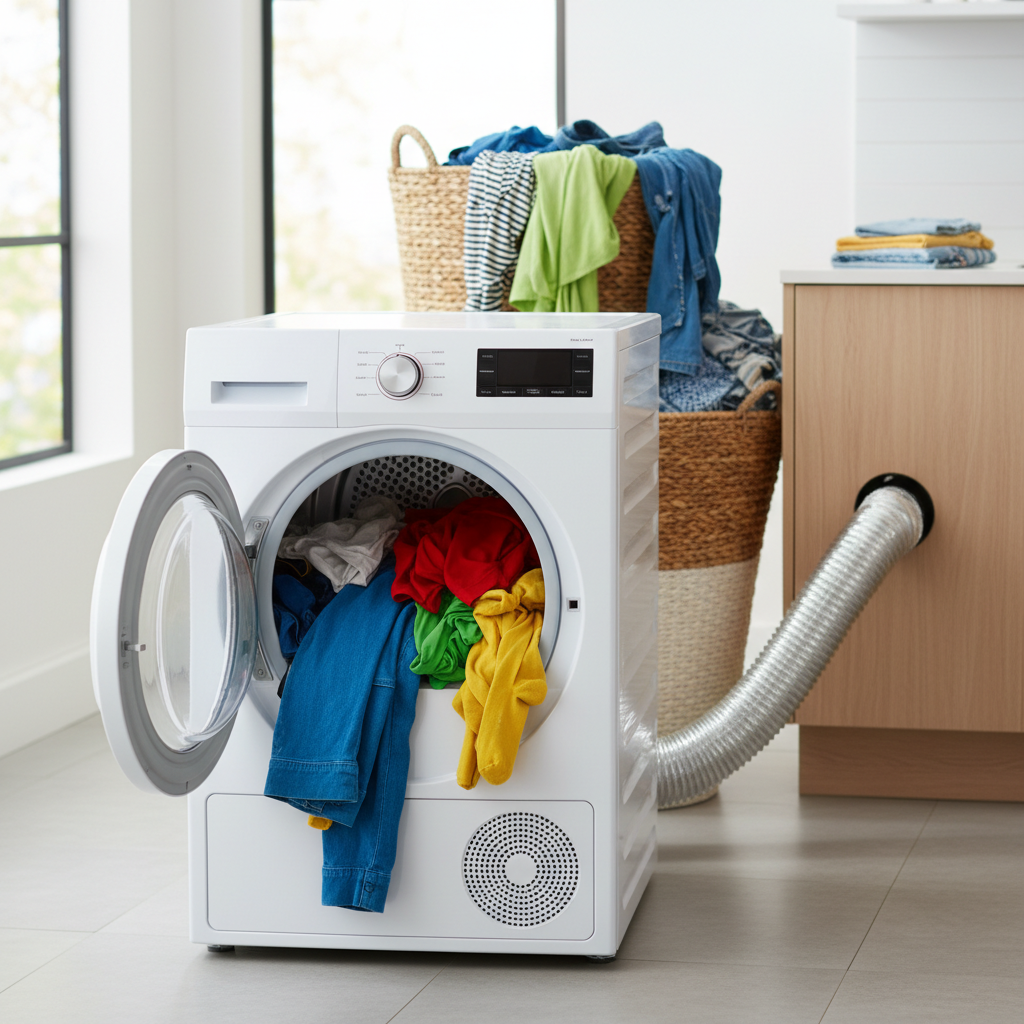
The Usual Suspects: Non-Electrical Problems
These are the first things you should check if your dryer seems to be underperforming:
-
Clogged Lint Trap: This is the most frequent offender. A full lint trap restricts airflow, forcing your dryer to work harder and longer. It also poses a significant fire hazard.
-
Blocked or Kinked Dryer Vent: The dryer vent expels hot, moist air. If it’s clogged with lint, birds’ nests, or other debris, or if the flexible exhaust hose is kinked, airflow is severely restricted. This not only lengthens drying times but also causes the dryer to overheat and can lead to a fire.
-
Overloading the Dryer: Stuffing too many items into the drum reduces the space for air to circulate, preventing clothes from tumbling freely and drying evenly. It also puts undue strain on the dryer’s motor and heating elements.
-
Inaccurate Moisture Sensors: Many modern dryers use moisture sensors to detect when clothes are dry and automatically shut off. If these sensors become coated with fabric softener residue or lint, they might prematurely signal that clothes are dry, leading to damp laundry.
-
Washer Issues (Clothes Too Wet): If your washing machine isn’t spinning clothes effectively, they’ll enter the dryer much wetter than they should be. This drastically increases the dryer’s workload and cycle time. Check your washer’s spin cycle settings and performance.
-
Cold Laundry Room Environment: While less common, a very cold laundry room or garage can slightly extend drying times as the dryer has to work harder to heat the air it draws in.
When Electrical Problems Are the Culprit
Once you’ve eliminated the common non-electrical issues, it’s time to consider the possibility of an electrical malfunction. These problems are often more serious, can impact the safety of your home, and typically require the expertise of a qualified appliance technician or electrician. Symptoms of an electrical issue often include a complete lack of heat, intermittent heat, or the dryer running for an unusually long time without achieving dryness, accompanied by a normal spinning action.
Diagnosing Potential Electrical Problems with Your Dryer
Investigating electrical issues requires caution. Always unplug your dryer before performing any visual inspections or checks. For anything beyond basic visual checks, it’s strongly recommended to call a certified professional.
The Heating Element
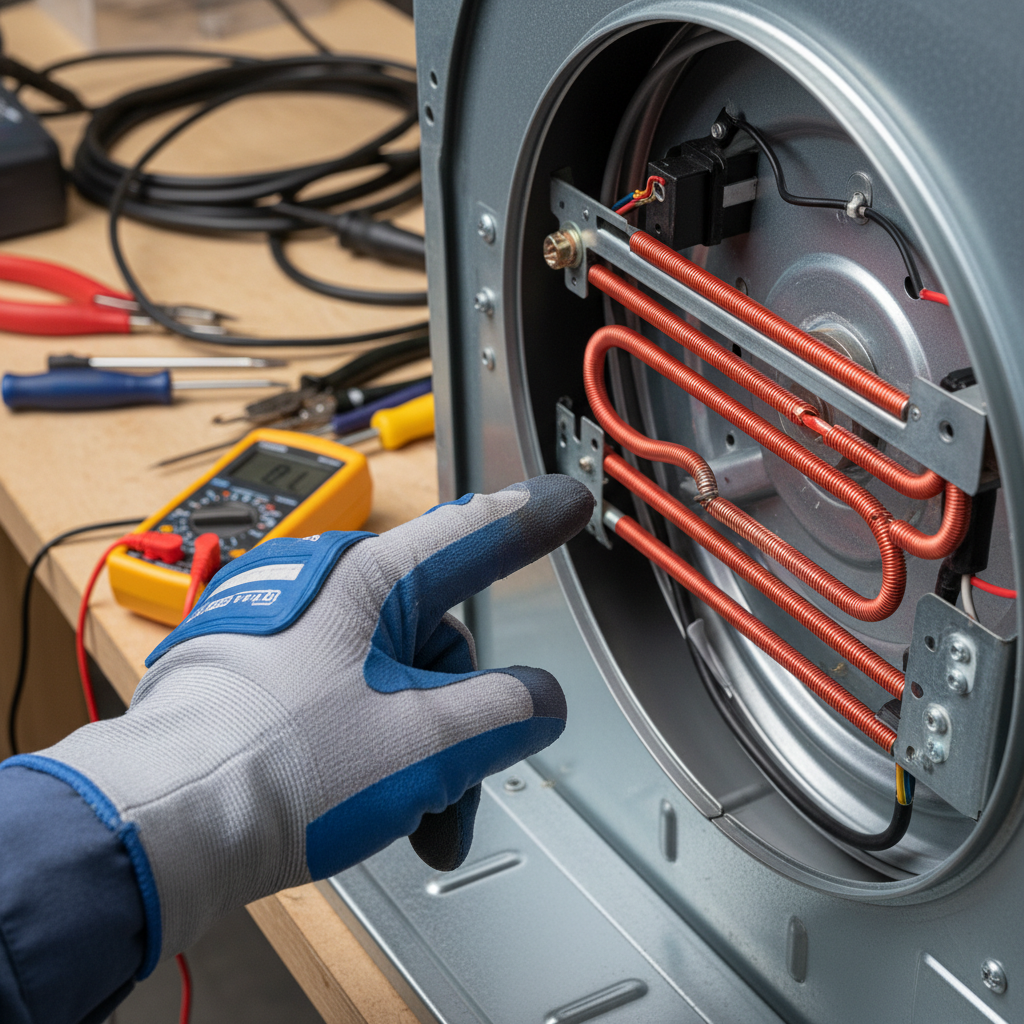
The heating element is arguably the most crucial component for drying clothes in an electric dryer. It’s a coil of resistive wire that heats up when electricity passes through it, generating the hot air needed to evaporate moisture. When an electric dryer takes too long to dry clothes, a failing or partially failed heating element is often the primary suspect.
-
How it Works: Electricity flows through the element, generating heat, which is then blown into the dryer drum by a fan.
-
Signs of Failure: If the heating element is completely broken, the dryer will run (tumble) but produce no heat at all. If it’s partially damaged, it might produce some heat, but not enough to dry clothes efficiently, leading to extremely long cycles and damp clothes.
-
What to Check (Professionally): A technician can use a multimeter to check for continuity in the heating element. A lack of continuity indicates a break in the coil, requiring replacement. Trying to fix or test this yourself without proper knowledge can be dangerous.
Thermal Fuse
The thermal fuse is a safety device designed to protect your dryer from overheating. It’s a small, one-time-use fuse that blows (breaks the circuit) if the dryer’s internal temperature exceeds a safe limit, typically due to restricted airflow (e.g., a clogged vent). Once blown, it must be replaced.
-
Its Purpose: To prevent overheating and potential fires.
-
Signs of Failure: If the thermal fuse blows, the dryer will typically run (tumble) but produce no heat. In some models, the dryer might not even start at all.
-
Important Note: While replacing a thermal fuse might seem straightforward, it’s crucial to identify and address the underlying cause of the fuse blowing (usually a blocked vent) to prevent it from happening again and to ensure safe operation.
Thermostats (Operating and High-Limit)
Dryers contain several thermostats that regulate temperature. The operating thermostat cycles the heating element on and off to maintain the desired drying temperature. The high-limit thermostat is another safety device that shuts off the heating element if the temperature gets dangerously high, usually a failsafe if the operating thermostat fails.
-
Role: Regulate and monitor temperature within the dryer.
-
Signs of Malfunction: A faulty operating thermostat might cause the dryer to heat intermittently, not get hot enough, or even get too hot (though less common for long drying times). A tripped high-limit thermostat will often result in no heat, similar to a blown thermal fuse, indicating an overheating issue.
Circuit Breaker or Fuse Box Issues
Electric dryers operate on a dedicated 240-volt circuit, which uses two hot wires, a neutral, and a ground. This is different from the standard 120-volt circuits used for most household appliances.
-
Tripped Breaker: If one of the two breakers for your dryer’s 240V circuit trips, the dryer might still receive 120 volts of power. This means the drum motor might run, but the heating element (which requires 240V) won’t activate, resulting in no heat and very long “drying” cycles with damp clothes. Check your home’s electrical panel for a tripped breaker (it will be in the “off” or “middle” position) and reset it.
-
Loose Wiring: Loose connections at the dryer outlet, the dryer’s terminal block, or the circuit breaker itself can lead to intermittent power or insufficient voltage to the heating element, causing poor heating performance. This requires an electrician to diagnose and rectify safely.
Voltage Supply Problems
As mentioned, electric dryers need a steady 240-volt supply. Any deviation can impact performance.
-
Insufficient Voltage: If your dryer is only receiving 120V (e.g., due to a tripped breaker or wiring issue as described above), it won’t be able to generate sufficient heat. It will tumble but fail to dry clothes effectively, extending cycles indefinitely. You might also notice a burning smell from struggling components.
-
Older Wiring/System Issues: In older homes, the electrical wiring might not be up to modern standards or could be deteriorating, leading to voltage drops under load. This is a serious issue that warrants a professional electrical inspection.
Motor Problems
While a faulty motor is more commonly associated with a dryer not spinning at all, a struggling motor can indirectly contribute to longer drying times. If the blower motor, which circulates hot air, is weak or failing, it won’t move air efficiently through the drum and out the vent. This reduces the drying efficiency even if the heating element is working.
Timer or Control Board Malfunctions
Modern dryers rely heavily on electronic control boards or mechanical timers to manage cycles, temperature, and sensor readings. A faulty control board or timer can cause a variety of issues, including:
-
Incorrect Cycle Duration: The dryer might run for an incorrect amount of time or fail to advance through cycles properly.
-
Heating Irregularities: The board might fail to properly energize the heating element or misinterpret sensor readings, leading to inconsistent heat or premature cycle termination.
-
Sensor Communication Issues: If the control board isn’t communicating correctly with the moisture sensors, it won’t accurately detect dryness, causing the dryer to either over-dry or under-dry.
Diagnosing a control board issue typically requires a service technician with specialized diagnostic tools.
Safety First: When to Call a Professional
When dealing with a dryer that’s taking too long to dry clothes, especially if electrical issues are suspected, safety must be your top priority. Electricity can be dangerous, and attempting repairs without proper knowledge and tools can lead to serious injury or further damage to your appliance or home’s electrical system.
You should absolutely call a certified appliance technician or a licensed electrician if:
-
You Smell Burning: A burning smell (especially electrical or plastic) from your dryer is a strong indicator of an overheating component, frayed wiring, or a short circuit. Unplug the dryer immediately and do not use it.
-
You See Sparks or Smoke: Any visual signs of electrical malfunction require immediate disconnection from power and professional assessment.
-
The Dryer Trips the Breaker Repeatedly: A consistently tripping circuit breaker indicates a persistent electrical fault or overload that needs expert diagnosis.
-
You Suspect Voltage Issues: Diagnosing and fixing voltage supply problems or internal wiring issues is strictly for qualified electricians.
-
You’re Unsure or Uncomfortable: If you’re not confident in diagnosing or attempting a repair, or if the issue seems complex, always err on the side of caution and call a professional. Appliance repair technicians have the training, tools, and experience to safely and effectively troubleshoot and repair your dryer.
Preventive Maintenance for Optimal Dryer Performance
Many of the issues that cause a dryer to take too long to dry clothes can be prevented with regular maintenance. Adopting these habits can extend the life of your appliance, improve its efficiency, and reduce fire hazards:
-
Clean the Lint Trap Every Single Load: This simple step is paramount for efficiency and safety.
-
Inspect and Clean the Dryer Vent Annually: Depending on usage, you may need to do this more often. Disconnect the dryer and thoroughly clean the flexible hose and the exterior vent hood. For longer vent runs, consider hiring a professional vent cleaning service.
-
Avoid Overloading: Give your clothes room to tumble freely and allow hot air to circulate. Dry smaller, more manageable loads.
-
Ensure Proper Washer Spin: Make sure your washing machine is effectively removing as much water as possible during its spin cycle. Higher spin speeds mean less work for your dryer.
-
Check Dryer Hose for Kinks or Damage: Periodically inspect the flexible exhaust hose behind the dryer to ensure it’s not crushed, kinked, or torn. Replace plastic or vinyl hoses with rigid or semi-rigid metal ducts for better airflow and fire safety.
-
Clean Moisture Sensors: If your dryer has them, occasionally wipe down the metal sensor bars inside the drum with a soft cloth and rubbing alcohol to remove any residue.
FAQs About Dryer Performance and Electrical Issues
Q1: Can a dryer work with only half power?
A: Yes, an electric dryer can sometimes receive only 120 volts (half power) if one of its two dedicated circuit breakers trips. In this scenario, the dryer’s motor might still run, allowing the drum to tumble, but the heating element will not get the full 240 volts it needs to produce sufficient heat. This results in the dryer running without drying the clothes, essentially just tumbling them in cool air for extended periods.
Q2: How often should I clean my dryer vent?
A: It’s recommended to clean your dryer vent system at least once a year. If you use your dryer frequently, have a large household, or dry items that produce a lot of lint (like pet bedding), you may need to clean it more often, perhaps every six months. Regular inspection for blockages is also advisable.
Q3: Is it safe to use a dryer that’s taking too long?
A: While a dryer taking too long might seem like a minor inconvenience, it can indicate a more serious underlying issue, especially a clogged vent or a failing heating element. Both of these can lead to overheating and pose a significant fire hazard. It’s safest to stop using the dryer and investigate the problem as soon as possible until it’s resolved. If you smell burning or see sparks, unplug it immediately and call a professional.
Q4: What’s the average lifespan of a dryer’s heating element?
A: The lifespan of a dryer’s heating element can vary widely depending on usage and maintenance, but it typically lasts between 5 to 10 years. Factors like frequent heavy use, clogged vents causing overheating, and voltage fluctuations can shorten its life. Replacing a heating element is a common dryer repair.
Q5: Can I fix dryer electrical problems myself?
A: For anything beyond very basic troubleshooting like checking a tripped circuit breaker, it is strongly advised not to attempt to fix dryer electrical problems yourself unless you are a qualified and experienced electrician or appliance technician. Electrical work carries significant risks, including electric shock, fire, and further damage to the appliance. Components like heating elements, thermal fuses, and thermostats should be replaced by a professional to ensure safety and proper installation.
Conclusion
A dryer taking too long to dry clothes is more than just an inconvenience; it can be a sign of inefficiency, increased energy consumption, or even a potential safety hazard. While common issues like a clogged lint trap or blocked vent are often the culprits, understanding when to suspect an electrical issue is crucial. From failing heating elements and thermal fuses to problems with circuit breakers or voltage supply, electrical malfunctions require careful diagnosis and often professional intervention. By performing regular maintenance and knowing when to call an expert, you can keep your dryer running efficiently, safely, and ensure your laundry routine stays smooth and hassle-free.