Why Your Bathroom Fan and Light Might Be Losing Power: Common Causes
Before you grab your toolbox, understanding the potential reasons behind your bathroom fan and light losing power is the first step. Electrical systems can be complex, but many issues are quite common and often easy to identify.
Tripped Circuit Breaker or GFCI Outlet
One of the most frequent reasons for any electrical device losing power is a tripped circuit breaker or a Ground Fault Circuit Interrupter (GFCI) outlet. These safety devices are designed to cut power to a circuit when they detect an overload or an electrical fault, preventing overheating and potential hazards.
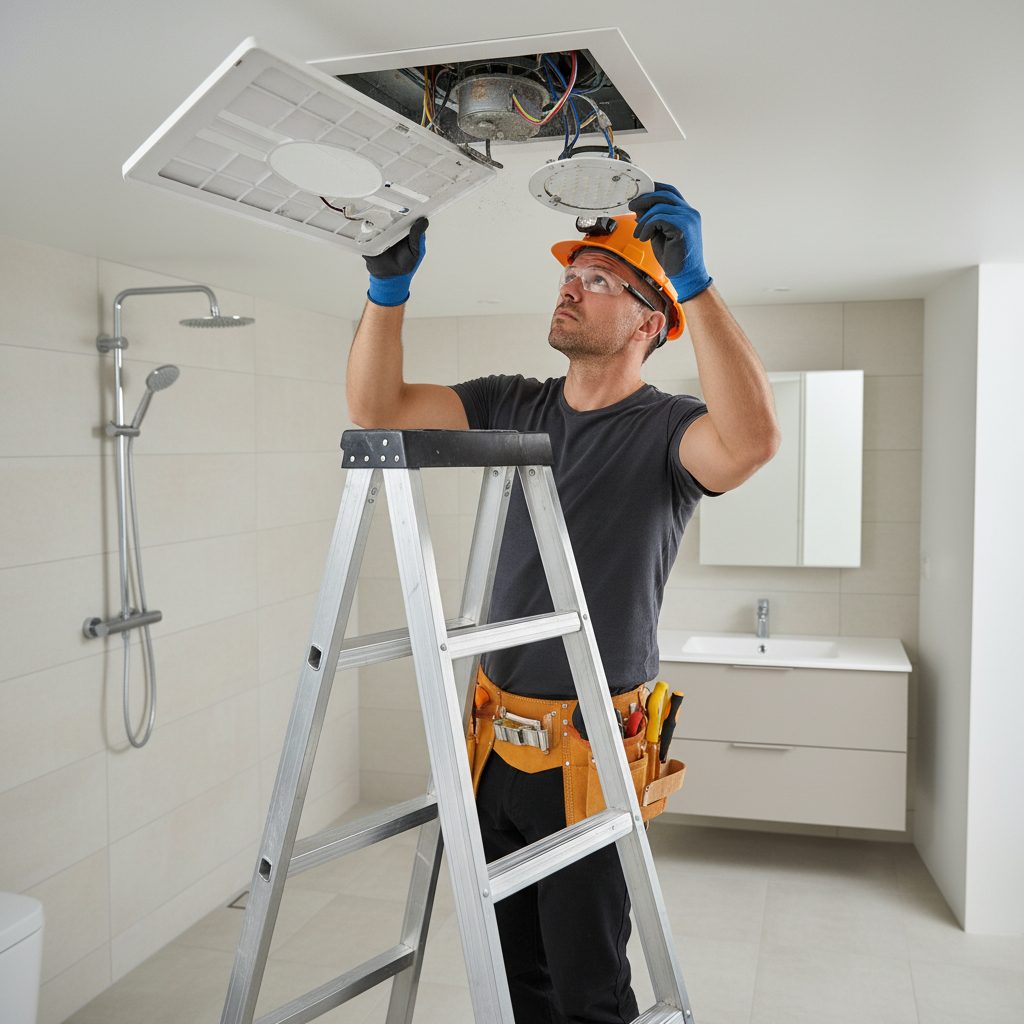
- Circuit Breaker: Your home’s electrical panel contains a series of switches (breakers) that protect different circuits. If the circuit connected to your bathroom fan and light draws too much power, or if there’s a short circuit, the breaker will “trip” to the OFF position (or sometimes an intermediate position), cutting power.
- GFCI Outlet: Bathrooms are often equipped with GFCI outlets, especially newer homes, to protect against electrical shock in wet environments. If moisture or a faulty appliance causes a ground fault, the GFCI will trip, and you’ll see a “TEST” and “RESET” button on the outlet. Even if your fan/light isn’t plugged into it directly, it might be on the same GFCI-protected circuit. Understanding why your GFCI outlet keeps tripping can be crucial for resolving issues in wet areas like bathrooms.
Loose or Damaged Wiring Connections
Over time, or due to improper installation, wiring connections can loosen or become damaged. This can happen at the electrical panel, at the light switch, or within the fan/light unit itself. Loose wires can cause intermittent power loss, flickering lights, or complete outages. Rodent damage, corrosion, or simple wear and tear can also compromise wiring integrity.
Faulty Fan Motor or Light Fixture
Just like any other appliance, bathroom fans and light fixtures have a lifespan. The fan motor can burn out, bearings can seize, or the internal wiring of the unit can fail. Similarly, the light fixture itself can have issues beyond a simple bulb, such as a faulty socket, corroded terminals, or a problem with its internal ballast if it’s a fluorescent fixture.
Overheated Components
Excessive dust and debris buildup in the fan unit can restrict airflow, causing the motor to work harder and overheat. Some fan motors have a thermal overload protector that will automatically shut off power when temperatures get too high, only restoring it once the motor cools down. If your fan repeatedly works for a short period and then stops, overheating might be the culprit.
Switch Malfunction
The wall switch that controls your bathroom fan and light is a mechanical device, and like all mechanical devices, it can fail. Internal contacts can wear out, corrode, or break, preventing the switch from completing the circuit and delivering power to the fan and light. Sometimes, only one part of a combination switch (e.g., fan but not light, or vice-versa) might fail.
Moisture Damage and Corrosion
Bathrooms are inherently damp environments. Constant exposure to humidity, especially with inadequate ventilation, can lead to corrosion of electrical contacts, wires, and internal components within the fan and light unit. This corrosion can disrupt the flow of electricity, causing intermittent or complete power loss.
Blown Fuse (Less Common for Modern Homes)
While most modern homes use circuit breakers, some older homes still rely on fuses. If your home has a fuse box, a blown fuse will cut power to the entire circuit it protects. A fuse typically needs to be replaced after it blows.
Step-by-Step Troubleshooting Guide
Now that you understand the potential causes, let’s walk through a systematic approach to troubleshoot your bathroom fan and light losing power. Always prioritize safety during any electrical work.
Safety First: Always Turn Off Power
Before you begin any inspection or repair, it is absolutely critical to turn off the power to the affected circuit at your home’s main electrical panel. Locate the breaker labeled for your bathroom (or the general bathroom circuit) and switch it to the OFF position. If your breakers aren’t labeled, you might need to turn off the main breaker for your entire home. Confirm the power is off by trying to turn on the light switch or using a non-contact voltage tester.
Check the Circuit Breaker and GFCI
This is the simplest and often most effective first step.
- Electrical Panel: Go to your home’s electrical panel. Look for any circuit breakers that are in the OFF position or an intermediate position (usually slightly between ON and OFF). To reset a tripped breaker, firmly push it all the way to the OFF position first, then firmly flip it back to the ON position.
- GFCI Outlets: Check any GFCI outlets in your bathroom, and potentially other bathrooms or nearby areas, to see if they have tripped. A tripped GFCI will typically have its “RESET” button popped out. Press the “RESET” button firmly. If it clicks back in and stays, power may be restored. If it immediately pops out again, there’s still an electrical fault, and you should not force it.
If resetting the breaker or GFCI restores power, the problem might have been a temporary overload or fault. If it trips again quickly, a more serious issue exists.
Inspect the Light Bulb and Fan Operation
It sounds basic, but sometimes the problem is simpler than you think.
- Light Bulb: If only the light is out, first try replacing the bulb with a new one that you know works. A burned-out bulb is the most common reason for a light not working.
- Fan Operation: If the light works but the fan doesn’t, listen carefully for any hums or clicks when you turn the fan on. A hum might indicate the motor is trying to start but is seized, possibly due to dust or a faulty capacitor.
Examine the Wall Switch
With the power OFF at the breaker, you can inspect the wall switch.
- Remove the Switch Plate: Unscrew the cover plate of the light/fan switch.
- Pull Out the Switch: Carefully unscrew the switch from the electrical box and gently pull it out. Do not disconnect any wires yet.
- Look for Visible Damage: Inspect the switch for any signs of burning, melting, corrosion, or loose wires.
- Test with a Multimeter (Optional, Advanced): If you have a multimeter and know how to use it, you can test for continuity across the switch terminals in both the ON and OFF positions. If the switch doesn’t show continuity when ON, it’s likely faulty.
- Check Wire Connections: Ensure all wires connected to the switch are securely fastened. A loose connection can prevent power from flowing.
If you find any visible damage or suspect a faulty switch, it’s best to replace it. Ensure the new switch is rated appropriately for your fan and light.
Open Up the Fan/Light Housing
Again, ensure the power is OFF at the breaker before proceeding.
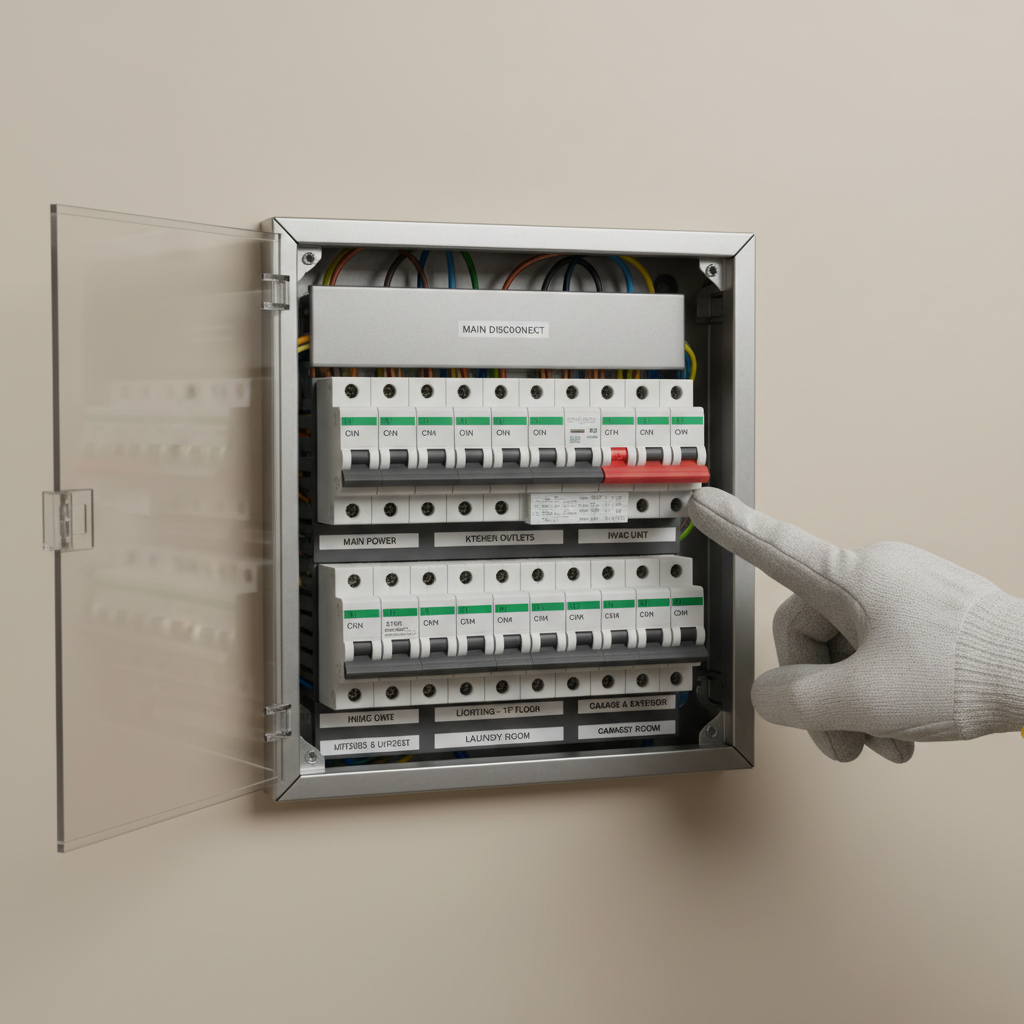
- Remove the Grille/Cover: Most bathroom fan covers can be pulled down or have clips that need to be squeezed. Some might have a central screw.
- Inspect for Dust and Debris: A significant buildup of dust and lint is very common and can cause overheating or restrict the fan blades. Use a vacuum cleaner with a brush attachment or a can of compressed air to thoroughly clean the fan blades, motor housing, and vents.
- Check Internal Wiring: While the housing is open, visually inspect all wiring connections within the fan/light unit. Look for loose wires, signs of burning, corrosion, or chewed insulation (if rodents are a concern).
- Examine the Motor: Gently try to spin the fan blades by hand. If they are stiff or won’t move freely, the motor bearings might be seized, or something might be obstructing the blades.
- Test for Power at the Unit (Optional, Advanced): With the power briefly turned ON (and extreme caution), you can use a non-contact voltage tester to confirm if power is reaching the unit’s electrical box. If power is present at the box but the fan/light isn’t working, the fault is likely within the unit itself (motor, light fixture, internal wiring).
Test Wiring Connections (with a multimeter if comfortable)
For those comfortable with electrical testing, a multimeter can be invaluable. However, this should only be done with the power OFF for continuity tests, and with extreme caution (and proper safety gear) if testing for live voltage.
- Continuity: With power OFF, you can test the continuity of wires from the switch to the fan/light unit to ensure there are no breaks in the line.
- Voltage: If you suspect a specific point isn’t receiving power, you can carefully test for voltage at various points (e.g., at the switch’s line terminals, at the fan unit’s junction box) with the power ON. If voltage is present at one point but not past another connection, that connection is likely the issue.
When to Call a Professional Electrician
While many common issues can be resolved with DIY troubleshooting, there are clear instances when calling a licensed electrician is not just recommended, but essential for safety and effective repair.
Dealing with Complex Wiring
If your bathroom fan and light are on a complex circuit, perhaps shared with other fixtures, or if you encounter multiple wires that are difficult to trace, it’s best to step back. Incorrect wiring can lead to serious hazards, including electrical fires or shocks. An electrician has the expertise and specialized tools to safely diagnose and repair intricate electrical systems.
Persistent Issues
If you’ve gone through all the troubleshooting steps, replaced bulbs or switches, and the bathroom fan and light are still losing power, or if the circuit breaker/GFCI continues to trip, it indicates a deeper, more persistent electrical fault. This could be due to a short circuit within the walls, an overloaded circuit, or a problem at the main electrical panel, all of which require professional attention.
Safety Concerns
Anytime you observe signs of electrical damage such as burning smells, scorch marks, flickering lights throughout the house, sparks, or buzzing sounds from your electrical panel or outlets, immediately turn off the main power and call an electrician. These are indicators of potentially dangerous conditions that should not be ignored or attempted to be fixed by an amateur. Your safety and the safety of your home should always be the top priority.
Preventing Future Power Loss Issues
Once you’ve restored power to your bathroom fan and light, taking proactive steps can help prevent future outages and extend the lifespan of your fixtures.
Regular Cleaning and Maintenance
Dust and lint are the silent killers of bathroom fans. Make it a habit to clean your fan’s grille and internal components regularly.
- Monthly: Wipe down the fan grille to remove surface dust.
- Every 3-6 Months: Remove the grille and vacuum or wipe down the fan blades and motor housing. You can use a can of compressed air for hard-to-reach spots. Ensure power is off before doing this!
- Annually: For a more thorough cleaning, consider carefully removing the motor assembly (if your model allows) and cleaning out any internal dust or debris.
This not only prevents overheating but also maintains optimal performance, ensuring your fan efficiently removes moisture from the bathroom.
Proper Ventilation
An adequately sized and properly vented exhaust fan is crucial. If your fan struggles to clear humidity, it works harder, leading to quicker wear and tear. Ensure your fan is correctly sized for your bathroom’s square footage and that it vents to the outside, not into an attic space, which can create a different set of moisture problems.
Timely Repairs
Don’t ignore minor issues. If your fan starts making unusual noises, seems less powerful, or your light flickers occasionally, address these signs early. A small issue like a loose wire or a failing capacitor can escalate into a larger, more costly problem if left unattended.
Professional Inspections
Consider having a professional electrician inspect your home’s wiring and bathroom electrical components every few years, especially if your home is older. They can identify potential issues, like aging wiring or overloaded circuits, before they lead to unexpected power loss or safety hazards.
FAQs (Frequently Asked Questions)
Can a bathroom fan stop working due to humidity?
Yes, excessive humidity can indirectly cause a bathroom fan to stop working. High moisture levels can lead to corrosion of electrical components, short circuits, or contribute to motor seizing over time. Additionally, a fan struggling to remove high humidity might overheat, causing a thermal overload protector to trip.
Is it safe to use a bathroom fan if only the light works?
Generally, if only the light works and the fan does not, it might be safe to continue using the light, provided there are no other signs of electrical issues like burning smells, sparks, or flickering throughout the house. The fan and light are often wired separately or have individual components that can fail. However, you should still address the non-working fan promptly to prevent moisture buildup and potential mold issues in your bathroom.
How often should I clean my bathroom fan?
It’s recommended to wipe down the exterior grille of your bathroom fan monthly. A more thorough cleaning, involving removing the grille and vacuuming the blades and motor housing, should be done every 3 to 6 months. Annual deeper cleaning, if your model allows for motor removal, is also beneficial.
What’s the average lifespan of a bathroom exhaust fan?
The average lifespan of a good quality bathroom exhaust fan is typically 10 to 15 years. However, this can vary significantly based on the fan’s quality, how frequently it’s used, the level of humidity it handles, and how well it’s maintained. Regular cleaning and prompt attention to minor issues can help extend its life.
A non-functioning bathroom fan and light can certainly be an annoyance, but by understanding the common causes and following a systematic troubleshooting approach, you can often diagnose and resolve the problem yourself. Remember to always prioritize safety by turning off power before working with electricity. If you encounter complex wiring, persistent issues, or any safety concerns, don’t hesitate to call a professional electrician. With a little preventative maintenance and timely attention, you can keep your bathroom fan and light running smoothly for years to come, ensuring a comfortable and healthy bathroom environment.