What Does a Warm Power Outlet Signify?
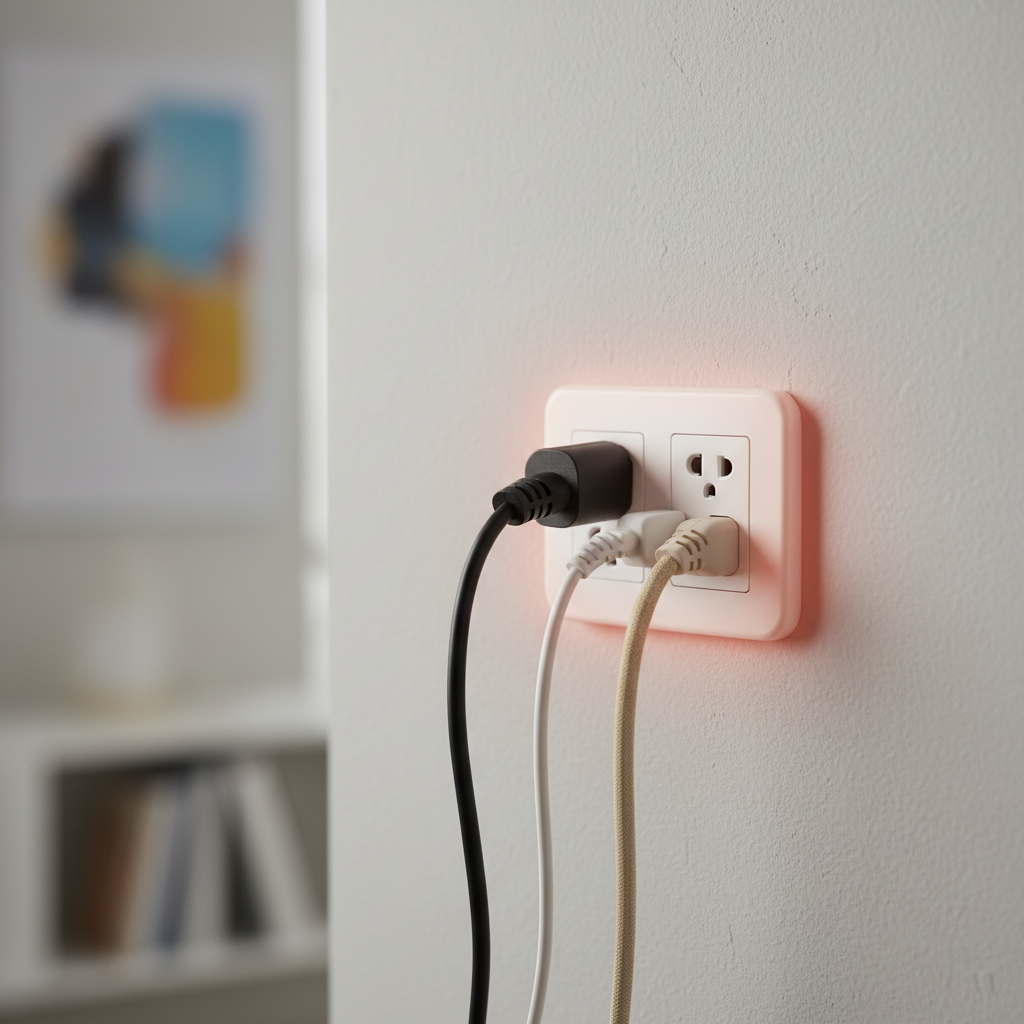
When you detect an unusual warmth emanating from an electrical outlet, it’s a red flag indicating resistance and heat generation. Electricity flows through conductors, and if there’s any impediment to this flow, such as a loose connection, an overloaded circuit, or a faulty component, energy is converted into heat. A slight warmth might be permissible for very brief periods when a high-power appliance is in use, but persistent warmth, or any noticeable heat beyond a very mild temperature increase, points to a potential electrical fault that requires immediate attention. Ignoring this warning sign can escalate a minor problem into a serious safety hazard.
Common Causes for a Warm Electrical Outlet
Pinpointing the exact reason behind a warm electrical outlet can sometimes be challenging, as several factors can contribute to the issue. However, understanding the most common culprits can help you or a professional electrician diagnose the problem efficiently.
Overloaded Circuit
One of the most frequent reasons for an outlet to feel warm is an overloaded circuit. This occurs when too many appliances, especially those with high power demands (like space heaters, hair dryers, toasters, or microwaves), are plugged into a single circuit or even into one outlet via a power strip. Each circuit in your home is designed to handle a specific amount of electrical current. When this limit is exceeded, the wires and connections within the circuit, including the outlet itself, start to heat up due to increased electrical resistance. This continuous overheating can degrade wire insulation and eventually lead to a fire.
Loose or Faulty Wiring
Loose electrical connections behind the outlet, within the wall, or at the circuit breaker panel can also generate significant heat. Over time, wires can become loose due to vibration, improper installation, or wear and tear. A loose wire creates higher resistance at the connection point, causing electricity to “arc” or jump, which produces heat. This scenario is particularly dangerous because the heat is generated within the wall, out of sight, and can smolder for extended periods before becoming noticeable, potentially igniting combustible materials like wood framing or insulation. Similarly, faulty wiring, such as wires that are frayed, nicked, or improperly spliced, can also lead to overheating.
Defective Appliance or Plug
Sometimes, the problem isn’t with the outlet itself but with what’s plugged into it. A faulty appliance or a damaged plug can draw too much current or create an internal short circuit, causing the outlet to heat up. If the plug itself feels warm along with the outlet, or if you notice discoloration on the plug’s prongs, the appliance or its cord might be the source of the heat. It’s important to inspect appliance cords regularly for signs of wear, fraying, or cracking, as these can also pose a significant fire risk.
Short Circuit
A short circuit occurs when there’s an unintended path for electricity to flow, bypassing the normal circuit. This can happen if hot and neutral wires touch, or if a hot wire touches a ground wire. Short circuits cause a sudden, massive surge in current, which immediately generates a large amount of heat. While circuit breakers are designed to trip and cut power during a short circuit to prevent damage and fire, the momentary surge can still cause localized heating at the outlet where the short originated. Repeated short circuits, even if brief, can cause cumulative damage and ongoing heat issues.
Aging or Damaged Electrical System
Older homes often have outdated electrical systems that may not be equipped to handle the demands of modern appliances. Aging wiring, especially knob-and-tube or aluminum wiring, can be more prone to degradation, brittleness, and loose connections. The insulation on older wires can become brittle and crack, exposing bare conductors and increasing the risk of short circuits or arcing. Furthermore, older outlets themselves may have worn internal contacts that create higher resistance, leading to heat generation. If your home’s electrical system hasn’t been updated in decades, a warm outlet could be a symptom of a much larger, systemic issue.
Incorrect Wiring or Installation
Improper installation by an unqualified individual can also lead to warm outlets. Wires that are not correctly stripped or securely fastened to the outlet terminals can create loose connections. Using the wrong type of wire for a particular circuit, or installing an outlet that isn’t rated for the intended load, can also cause overheating. This is a common issue in DIY electrical projects where proper techniques and codes are not followed, highlighting the importance of using licensed electricians for all electrical work.
The Dangers of an Overheating Outlet
Ignoring a warm electrical outlet is akin to ignoring a smoke detector beep – it’s a critical safety oversight. The dangers associated with an overheating outlet are significant and can have devastating consequences.
Fire Hazard
The most severe risk posed by an overheating outlet is the potential for an electrical fire. As temperatures rise, the plastic components of the outlet, the insulation around the wires, and even the wall materials (like wood studs or drywall) can ignite. Loose connections and arcing faults are particularly notorious for generating intense heat that can easily start a fire within the wall cavity, often without immediate visual cues until the fire has already spread. According to resources like Good Housekeeping, electrical failures and malfunctions are a leading cause of home fires, and a warm outlet is a clear precursor to such dangers.
Electrical Shock
An overheating outlet can also increase the risk of electrical shock. The integrity of the outlet’s casing and internal components can be compromised by excessive heat, potentially exposing live wires or making the outlet unsafe to touch. If the plastic housing melts or cracks, contact with a live part could result in a serious or even fatal electrical shock. Furthermore, faulty wiring that causes overheating might also lead to current leakage, energizing parts of the appliance or even nearby metal objects.
Damage to Appliances
Beyond the immediate safety risks, a consistently warm or hot outlet can also damage any appliances plugged into it. The unstable electrical connection or fluctuating voltage caused by the underlying issue can degrade appliance internal components, shorten their lifespan, or even cause them to malfunction or fail completely. This can be particularly costly if high-value electronics or essential home appliances are affected.
Immediate Steps When Your Power Outlet Feels Warm
If you discover that your power outlet feels warm to the touch, immediate action is necessary to mitigate risks and prevent further issues. Do not panic, but act decisively and safely.
Unplug Everything
Your very first step should be to unplug all appliances from the warm outlet. This immediately removes any load from the circuit and can help determine if the problem is with an appliance or the outlet itself. If the warmth subsides after unplugging, it might indicate an overloaded circuit or a faulty appliance. If the warmth persists, the problem is likely internal to the outlet or its wiring.
Check the Circuit Breaker
Locate your home’s electrical service panel (breaker box). Check if the circuit breaker corresponding to the warm outlet has tripped. A tripped breaker will usually be in the “OFF” position or somewhere between “ON” and “OFF.” If it’s tripped, you can try resetting it by firmly pushing it to the “OFF” position and then back to “ON.” If it immediately trips again, or if you can’t identify a tripped breaker, do not force it. A persistently tripping breaker indicates a serious fault that needs professional attention.
Feel Other Outlets
Carefully and cautiously check other outlets on the same wall or in the same room. If multiple outlets feel warm, it could indicate a broader problem with the circuit, such as an overloaded circuit or a problem at the circuit breaker or main electrical panel. If only one outlet is warm, the issue is likely localized to that specific outlet or the appliance plugged into it.
Avoid Further Use
Regardless of whether the warmth subsides or persists, it is imperative to stop using the warm outlet. Do not plug anything back into it until the underlying problem has been identified and safely resolved. If the circuit breaker for that outlet continues to trip, leave it in the “OFF” position to prevent any power from reaching that section of the circuit.
Troubleshooting a Warm Outlet (Safely)
While some initial checks can be done safely, it’s crucial to understand that working with electricity can be dangerous. For anything beyond basic observation, it’s always best to consult a qualified electrician.
Isolate the Problem Appliance
After unplugging everything from the warm outlet, wait a few minutes to see if the warmth dissipates. If it does, plug one appliance back in at a time, starting with low-power devices. Monitor the outlet carefully. If the warmth returns with a specific appliance, that appliance or its cord is likely the culprit. Do not use that appliance and consider having it repaired or replaced. If no single appliance causes the warmth, but the outlet gets warm when multiple high-draw items are connected, you’re likely dealing with an overloaded circuit.
Inspect the Outlet and Plug Visually
With all power removed (either by unplugging or by turning off the breaker), visually inspect the outlet and the plugs of any devices previously connected. Look for signs of charring, melting plastic, discoloration, burn marks, or unusual smells. Also, check if the prongs of the plugs show any signs of blackening or scorching. These are clear indicators of overheating and serious electrical issues.
Check for Loose Connections (Professional Only)
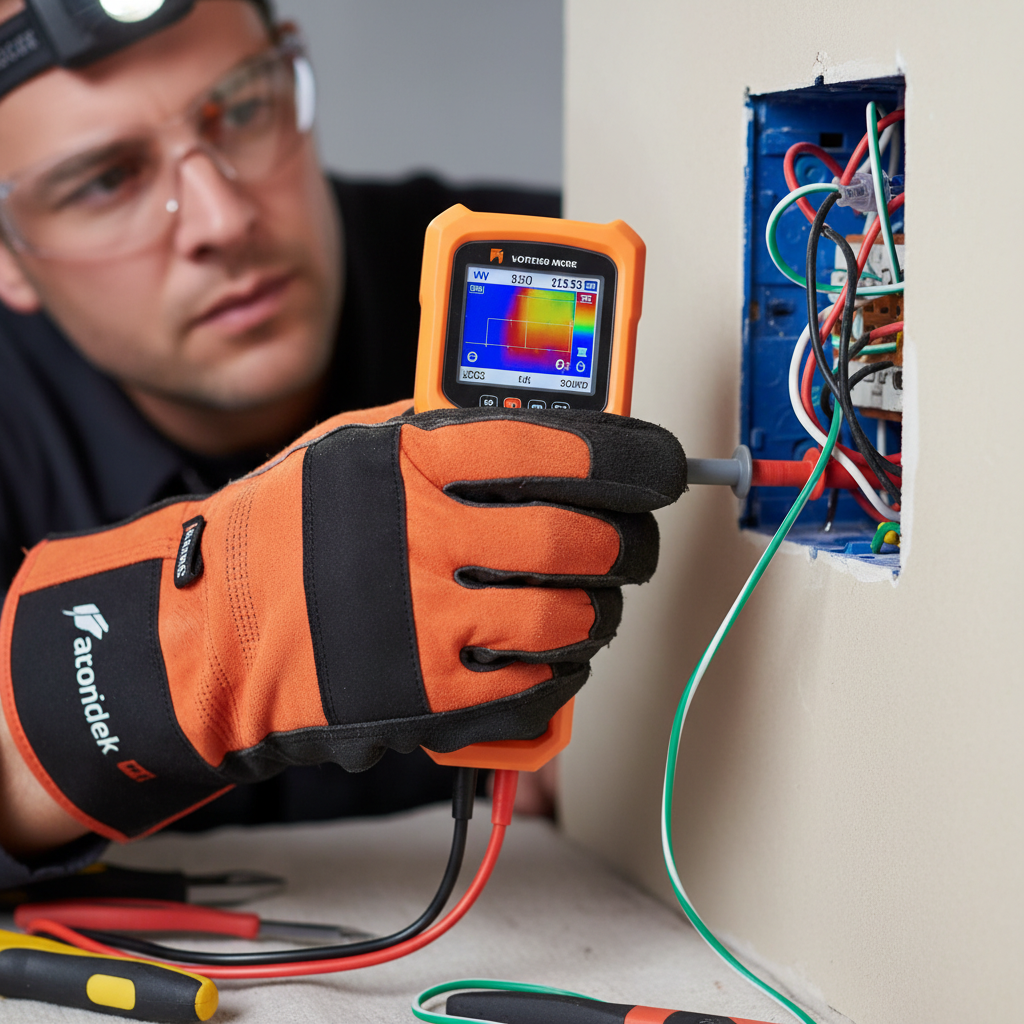
If the problem persists after troubleshooting appliances and circuits, the issue likely lies within the outlet’s wiring or the outlet itself. This is where you should always call a professional electrician. They have the expertise and tools to safely open the outlet, inspect the wiring connections, check for loose terminals, signs of arcing, or faulty internal components, and replace the outlet if necessary. Attempting to do this yourself without proper training can lead to electric shock or further damage.
When to Call a Professional Electrician
While some minor issues like an overloaded circuit might be identifiable through careful observation, many causes of a warm outlet require the expertise of a licensed electrician. Knowing when to make that call is vital for your safety.
Persistent Warmth or Heat
If the outlet remains warm even after you’ve unplugged all devices, or if the warmth returns quickly after you’ve identified and removed a potentially faulty appliance, it’s a strong indication of a deeper electrical problem. This could involve loose internal wiring, a failing outlet, or issues further back in the circuit, such as at the breaker panel or within the wall.
Burning Smell or Smoke
Any smell of burning plastic or insulation, accompanied by smoke or visible charring around the outlet, is an immediate emergency. This indicates an active electrical fire risk. Immediately turn off the main power to your home at the service panel if it’s safe to do so, and call emergency services (like 911 in the U.S.) followed by an electrician. Do not attempt to use the outlet or any connected devices.
Flickering Lights or Tripping Breakers
If the warm outlet is accompanied by other electrical anomalies in your home, such as lights flickering, dimming, or buzzing, or if the associated circuit breaker frequently trips, these are signs of a more widespread or serious electrical issue. These symptoms can point to problems with your home’s main electrical panel, overloaded circuits, or deteriorated wiring throughout a section of your home, all of which demand professional assessment.
Buzzing Sounds or Sparks
Audible buzzing, humming, or crackling sounds coming from an outlet, especially when combined with warmth, are clear indicators of arcing or loose connections. Similarly, seeing sparks when plugging in or unplugging a device, or flashes of light from the outlet itself, signals a dangerous electrical fault that needs immediate professional intervention. These phenomena are direct precursors to electrical fires.
Old Wiring or Electrical System
If you live in an older home with original or outdated electrical wiring (e.g., knob-and-tube, aluminum wiring), any signs of trouble like a warm outlet should prompt a comprehensive inspection by a licensed electrician. Older systems may not be able to safely handle modern electrical loads and can pose increased risks of overheating, short circuits, and fire. An electrician can assess the overall condition of your wiring and recommend necessary upgrades.
Preventing Outlet Overheating
Proactive measures can significantly reduce the risk of your power outlets overheating and ensure the long-term safety of your home’s electrical system.
Avoid Overloading Circuits
Be mindful of how many appliances you plug into a single outlet or circuit. Distribute high-power appliances across different circuits in your home. Use extension cords and power strips sparingly and only as temporary solutions, ensuring they are rated for the wattage of the devices you’re plugging into them. Never “daisy-chain” power strips (plugging one into another).
Use High-Quality Outlets and Wiring
When installing new outlets or replacing old ones, opt for high-quality, reputable brands. Ensure that all wiring materials meet current electrical codes and are suitable for your home’s electrical system. For any new installations or significant repairs, always use a licensed and experienced electrician who adheres to professional standards.
Regularly Inspect Outlets and Cords
Periodically check your outlets and appliance cords for signs of wear, damage, discoloration, or burning. If you notice any frayed cords, bent plug prongs, or cracked outlet plates, address them promptly. Replace damaged cords and outlets, and never use appliances with compromised wiring.
Upgrade Old Electrical Systems
If your home has an older electrical system that struggles with modern demands, consider upgrading. This might involve replacing outdated wiring, installing a new electrical panel with higher capacity, and adding more circuits. While a significant investment, it vastly improves safety and system reliability, giving you peace of mind and supporting contemporary electrical needs.
Install GFCI and AFCI Outlets
Ground Fault Circuit Interrupter (GFCI) outlets and Arc Fault Circuit Interrupter (AFCI) outlets provide enhanced safety. GFCIs protect against electric shock by monitoring current flow and quickly cutting power if a ground fault is detected (common in wet areas like bathrooms and kitchens). AFCIs detect dangerous electrical arcs that can cause fires and shut off the circuit. While they don’t directly prevent an outlet from becoming warm, they can trip and cut power before an overheating situation escalates into a fire, making them excellent safety additions, especially in bedrooms and living areas.
Frequently Asked Questions About Warm Outlets
Q: Can a warm outlet fix itself?
- A: No, an outlet that feels warm indicates an underlying problem that will not resolve on its own. It’s a symptom of an electrical fault that requires investigation and correction. Ignoring it will only increase the risk of more serious issues like electrical fires or shocks.
Q: Is it normal for an outlet to be slightly warm with a heavy appliance?
- A: A very slight, barely perceptible warmth might occur for brief periods when a high-power appliance (like a vacuum cleaner or a microwave) is actively drawing significant current. However, anything more than this — persistent warmth, noticeable heat, or a hot feeling — is not normal and signals a problem that needs attention. The warmth should quickly dissipate once the appliance is turned off or unplugged.
Q: What’s the difference between a warm and a hot outlet?
- A: “Warm” is concerning and suggests an issue that needs investigation. “Hot” is an immediate emergency and signifies a severe and dangerous electrical fault. If an outlet is hot to the touch, feels extremely hot, or shows any signs of melting plastic or burning, it indicates an imminent fire hazard. In such a situation, immediately disconnect power to that circuit via the breaker if safe to do so, and call a professional electrician or emergency services.
Q: Should I use outlet covers if my outlet is warm?
- A: No, outlet covers are designed for child safety to prevent access to the electrical receptacles, not to address electrical faults. Putting a cover on a warm outlet might even trap heat, potentially worsening the problem. The focus should be on identifying and fixing the cause of the warmth, not masking it.
A warm power outlet is a clear signal from your home’s electrical system that something is wrong. By understanding the potential causes, recognizing the inherent dangers, and knowing when to take immediate action or call in a professional, you can protect your home and loved ones from serious electrical hazards. Prioritizing electrical safety is paramount for a secure and functional living environment.