Few things are as frustrating on a hot day as an air conditioner that just can’t seem to make up its mind. If you’ve noticed your AC short cycling frequently – meaning it turns on for a brief period, cools minimally, and then shuts off, only to repeat the process moments later – you’re experiencing a common issue that can lead to discomfort, higher energy bills, and potential damage to your HVAC system. This rapid on-and-off behavior, often lasting less than 10 minutes per cycle, isn’t just annoying; it’s a symptom of an underlying problem that needs addressing. Understanding why your air conditioner is behaving this way is the first step toward restoring efficient cooling and extending the life of your unit. This comprehensive guide will delve into the most common causes of AC short cycling, provide actionable troubleshooting steps, and offer preventive maintenance tips to keep your home cool and your AC running smoothly.
What Exactly is AC Short Cycling?
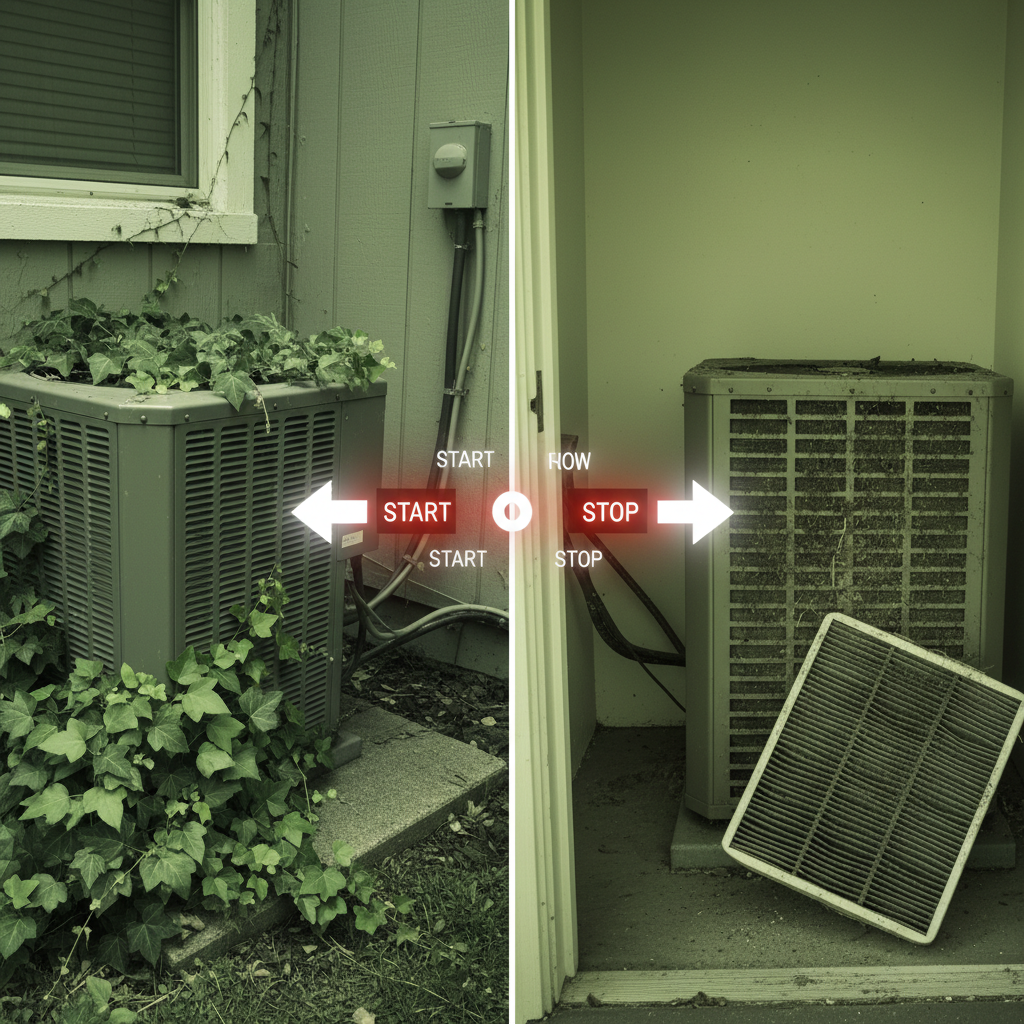
Before diving into the causes, let’s clarify what “short cycling” means. A properly functioning air conditioning system typically runs in cycles of about 15-20 minutes, or sometimes longer during very hot weather, to effectively cool your home and remove humidity. During this time, the compressor starts, refrigerant circulates, and the indoor coil absorbs heat, which is then expelled outside. Short cycling occurs when your AC system initiates a cooling cycle but abruptly shuts down after only a few minutes, failing to complete a full cooling cycle and adequately condition the air. It then restarts shortly after, only to repeat the brief run time and shutdown. This constant starting and stopping places undue stress on the compressor, which is the heart of your AC system, leading to accelerated wear and tear, diminished cooling performance, and increased energy consumption.
Common Causes of AC Short Cycling
The reasons behind an AC short cycling frequently can range from simple maintenance issues to more complex mechanical or installation problems. Identifying the root cause is crucial for an effective solution. Here are the most common culprits:
Oversized Air Conditioner
One of the most significant yet often overlooked reasons for an AC unit to short cycle is that it’s simply too large for your home’s square footage. An oversized unit will cool your home so quickly that it reaches the thermostat’s set temperature before it can complete a proper cycle or adequately dehumidify the air. While this might sound like a good thing, it actually leads to inefficient operation, poor humidity control (leaving your home feeling clammy even if it’s cool), and frequent on/off cycles that wear out components faster.
Dirty Air Filter
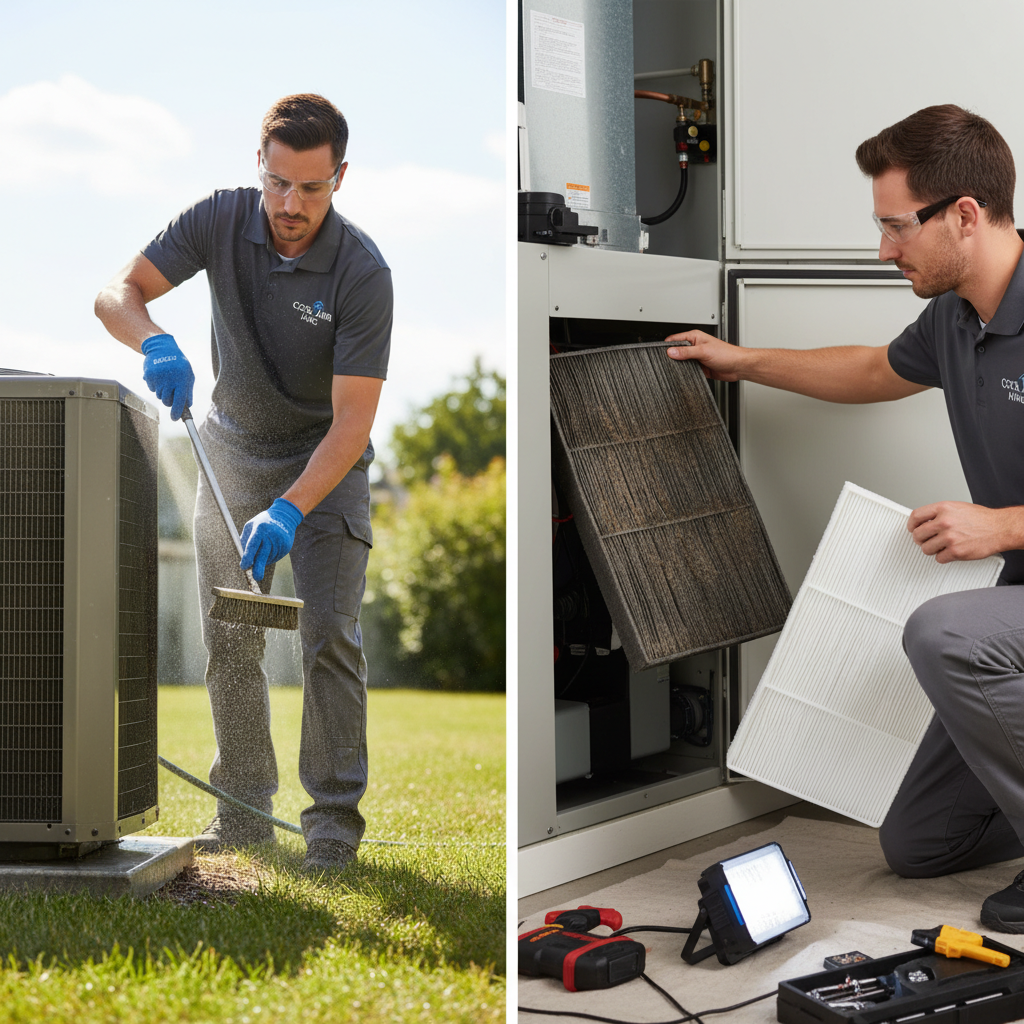
A clogged or dirty air filter is one of the easiest and most common reasons for an AC unit to struggle. A dirty filter restricts airflow, forcing your system to work harder to pull air through. This reduced airflow can cause the evaporator coil to get too cold, potentially leading to it freezing over, or it can cause the system to overheat and shut down prematurely as a safety measure. It’s a simple fix that often gets overlooked.
Low Refrigerant Levels
Refrigerant is the lifeblood of your air conditioning system, responsible for absorbing heat from your home’s air. If your system is low on refrigerant, typically due to a leak, it won’t be able to cool effectively. The compressor will struggle, running for short bursts in an attempt to reach the set temperature, but ultimately failing and cycling off. Low refrigerant not only causes short cycling but also reduces cooling capacity and can lead to compressor damage.
Frozen Evaporator Coil
The evaporator coil, located in your indoor unit, absorbs heat from your home’s air. If it becomes covered in ice, usually due to severely restricted airflow (dirty filter, blocked return vents) or low refrigerant, it can no longer absorb heat efficiently. The AC will run, but with no heat exchange occurring, the system’s sensors might detect an issue and shut it down, leading to short cycling. You might notice little to no cool air coming from the vents.
Clogged Condensate Drain Line
As your AC cools your home, it also removes humidity, producing condensation. This water collects in a drain pan and flows out through the condensate drain line. If this line becomes clogged with algae, mold, or debris, the water will back up. Most modern AC units have a float switch designed to detect a full drain pan and shut down the system to prevent water damage. This safety mechanism can cause your AC to short cycle or stop working entirely.
Thermostat Problems
Your thermostat is the brain of your HVAC system. If it’s malfunctioning, incorrectly calibrated, or improperly placed, it can send inaccurate signals to your AC unit. A faulty sensor might misread the room temperature, causing the AC to switch on and off erratically. Similarly, if the thermostat is exposed to direct sunlight or near a heat source, it can prematurely trigger the AC to turn off.
Electrical Issues (Capacitor, Wiring)
The compressor and fan motors in your AC unit rely on capacitors to provide the necessary electrical boost to start and run. A weak or failing start/run capacitor can cause the compressor to struggle to start, drawing too much power and leading to a quick shutdown. Loose wiring or other electrical issues within the control board can also interfere with the normal cycling of the unit, causing frequent stops and starts.
Dirty Condenser Coils
The condenser coils, located in the outdoor unit, are responsible for releasing the heat absorbed from your home into the outside air. If these coils are covered in dirt, dust, leaves, or other debris, they can’t effectively dissipate heat. This causes the system to overheat, increasing pressure within the unit. To prevent damage, a high-pressure limit switch will often trip, shutting down the compressor and causing short cycling.
Blower Motor Issues
The blower motor, located in your indoor unit, circulates cooled air throughout your home. If the blower motor is malfunctioning, running weakly, or has a problem with its capacitor, it won’t move enough air across the evaporator coil. This reduced airflow can lead to similar issues as a dirty air filter or low refrigerant, including coil freezing or the system overheating and short cycling.
Leaky Ductwork
Compromised ductwork can significantly impact your AC’s performance. If your air ducts have cracks, holes, or loose connections, conditioned air can escape into unconditioned spaces like attics or crawl spaces before reaching your living areas. This means the AC has to run longer and harder to cool your home, yet it might still struggle to meet the thermostat’s setting, potentially causing it to short cycle due to the constant battle to maintain temperature.
Troubleshooting and Solutions for Frequent AC Cycling
While some issues require professional intervention, many causes of AC short cycling can be diagnosed and resolved by a homeowner. Here’s a step-by-step guide to troubleshooting:
1. Check and Replace Your Air Filter
This is the simplest and often most effective first step. Locate your AC’s air filter (usually in the indoor air handler or a return vent in your ceiling/wall). If it’s visibly dirty or clogged, replace it with a new, clean filter. Aim to check your filter monthly and replace it every 1-3 months, or more frequently if you have pets or allergies. For more detailed guidance, consider resources like this HGTV article on AC maintenance.
2. Clean Your Condenser Coils
Safety first: turn off the power to your outdoor unit at the disconnect box and your main electrical panel. Remove any leaves, grass clippings, or debris from around the unit. Use a garden hose to gently spray down the fins of the condenser coils from the inside out to remove accumulated dirt. Be careful not to bend the delicate fins. If the coils are heavily soiled, you might need a specialized coil cleaner.
3. Inspect and Clear the Condensate Drain
Locate the condensate drain line (a PVC pipe usually exiting the indoor unit). Check for standing water in the drain pan. If the pan is full or the line is visibly clogged, you can often clear minor blockages by pouring a cup of distilled vinegar or a bleach solution (1 part bleach to 16 parts water) down the cleanout access or carefully snaking the line. Always follow manufacturer guidelines.
4. Evaluate Your Thermostat
First, ensure your thermostat batteries aren’t dead. Then, check its settings. Is it set to “cool” and the fan to “auto”? Try adjusting the temperature a few degrees lower to see if the AC responds. If your thermostat is near a window or heat source, consider relocating it or shielding it from direct exposure. If it’s an older model, a faulty thermostat might need replacement. Smart thermostats can offer better control and diagnostics.
5. Address Refrigerant Issues (Professional Help)
If you suspect low refrigerant (e.g., poor cooling, hissing sounds, ice on coils without airflow issues), this is not a DIY fix. Refrigerant handling requires specialized tools and training. Contact an HVAC professional to detect and repair any leaks, then recharge the system to the correct levels. Adding refrigerant without fixing a leak is a temporary and costly solution.
6. Thaw a Frozen Coil
If your evaporator coil is frozen, turn off your AC unit at the thermostat and set the fan to “on” (not “auto”). This will run the blower fan to melt the ice without running the compressor. Place towels around the indoor unit to catch any melting water. Once thawed, check your air filter and ensure all supply and return vents are open and unobstructed. If the coil refreezes, a professional inspection for airflow issues or refrigerant leaks is necessary.
7. Inspect Ductwork
While you might not be able to fix major duct leaks yourself, you can visually inspect exposed ductwork in your attic, basement, or crawl space for obvious gaps or disconnections. You can seal small leaks with mastic sealant or metallic foil tape. For extensive damage or suspected hidden leaks, an HVAC technician can perform a duct integrity test and make necessary repairs, which can significantly improve efficiency.
8. Consider AC Sizing (Professional Consultation)
If your AC has always short cycled, even when new, or if you’ve recently renovated or added insulation, your unit might be oversized. This is a more complex issue that requires a professional load calculation to determine the correct size for your home. While replacing an oversized unit is a significant investment, it can lead to dramatically improved comfort, humidity control, and energy efficiency in the long run.
Preventing AC Short Cycling: Regular Maintenance Tips
Preventative maintenance is key to avoiding AC short cycling and ensuring your system runs efficiently for years to come. Many of these tips can also help you save on energy bills.
Schedule Annual Professional Tune-Ups
The most important preventive measure is to have a certified HVAC technician perform an annual inspection and tune-up. They will clean coils, check refrigerant levels, inspect electrical components, lubricate moving parts, and identify potential issues before they become major problems. This regular check-up can catch minor issues that might lead to short cycling, such as a weakening capacitor or a small refrigerant leak.
Regular Filter Checks
As mentioned, changing your air filter regularly is non-negotiable. Mark it on your calendar, set a reminder, or even consider a smart filter that alerts you when it’s time for a change. A clean filter is fundamental to good airflow and prevents a host of AC problems.
Keep Outdoor Unit Clear
Ensure that your outdoor condenser unit is free from obstructions. Trim back shrubs, trees, and weeds at least two feet in every direction. Remove any accumulated leaves, grass clippings, or debris from around the unit. This allows for proper airflow and heat dissipation, preventing the unit from overheating.
Monitor Thermostat Settings
Use your thermostat wisely. Avoid drastic temperature changes, which can force your AC to work harder. Utilize programmable or smart thermostat features to set schedules that match your home’s occupancy. Setting the temperature a few degrees higher when you’re away can save energy without significant discomfort. Ensure the fan setting is on “auto” so it only runs when the cooling cycle is active, rather than continuously.
When to Call an HVAC Professional
While some troubleshooting is within a homeowner’s capability, it’s important to know when to call in the experts. You should contact a qualified HVAC technician if:
- You suspect a refrigerant leak.
- You notice strange noises (hissing, grinding, screeching) or smells coming from your unit.
- The AC continues to short cycle after you’ve performed basic maintenance steps.
- You suspect electrical issues, such as a faulty capacitor or wiring problems.
- You believe your AC unit is oversized or undersized for your home.
- Your evaporator coil repeatedly freezes, even after clearing airflow issues.
- The issue seems complex or beyond your comfort level to diagnose and repair.
Attempting complex repairs yourself without proper training and tools can be dangerous and may void your warranty. A professional can quickly diagnose the problem, perform necessary repairs safely, and ensure your system is running optimally.
Frequently Asked Questions (FAQs)
Is AC short cycling bad for the unit?
Yes, AC short cycling is detrimental to your unit. Each time the compressor starts, it experiences a surge of electrical current and mechanical stress. Frequent starting and stopping significantly reduces the lifespan of the compressor, which is the most expensive component of your AC system. It also increases wear and tear on other parts, leads to higher energy bills due to inefficiency, and provides inconsistent cooling and dehumidification.
How long should an AC cycle run?
Ideally, a healthy AC system should run for cycles of about 15-20 minutes, possibly longer during peak heat or initial cool-down periods. The exact duration depends on factors like outdoor temperature, desired indoor temperature, insulation quality, and the size of your home. The key is that it runs long enough to achieve the set temperature and adequately remove humidity from the air before shutting off.
Can I fix AC short cycling myself?
You can troubleshoot and potentially fix some common causes of AC short cycling, such as replacing a dirty air filter, cleaning condenser coils, or clearing a clogged condensate drain line. However, issues like low refrigerant, a faulty compressor, electrical problems, or an improperly sized unit require the expertise of a professional HVAC technician. Always prioritize safety and turn off power before attempting any work on your unit.
How do I know if my AC is oversized?
An oversized AC unit cools your home too quickly, reaching the thermostat’s set point before it can complete a proper cycle or effectively remove humidity. Signs of an oversized unit include: your AC frequently short cycles even after basic maintenance, your home feels cool but clammy or humid, or there’s a significant temperature difference between rooms. A professional HVAC technician can perform a load calculation to determine if your unit is properly sized for your home.
Does a dirty filter cause short cycling?
Yes, a dirty air filter is one of the most common culprits behind AC short cycling. A clogged filter restricts the airflow over the evaporator coil, causing it to become too cold. This can lead to the coil freezing over, or it can cause the system to overheat due to the increased strain, triggering safety mechanisms that shut the unit down prematurely. Replacing a dirty filter with a clean one is often the first and simplest solution to many AC issues.
Addressing AC short cycling promptly is vital for the health and efficiency of your cooling system. By understanding the causes, performing routine maintenance, and knowing when to call a professional, you can ensure your air conditioner provides reliable, comfortable cooling for years to come. Don’t let a rapidly cycling AC leave you in a sweat; take action today to restore your home’s comfort and protect your investment.