There’s nothing quite as frustrating as stepping into your bathroom, flipping the switch, and being met with silence and darkness where your fan and light should be. If you’re experiencing your bathroom fan and light losing power simultaneously, you’re not alone. This common household issue can be a minor inconvenience or a sign of a more significant electrical problem. Understanding the root causes and knowing how to safely troubleshoot them can save you time, money, and a lot of headaches. In this comprehensive guide, we’ll walk you through everything from identifying the problem to effective solutions, ensuring your bathroom is bright and well-ventilated once more.
Understanding Your Bathroom Fan and Light System
Most modern bathrooms feature a combined fan and light unit, or separate fan and light fixtures wired to operate off the same switch or circuit. The fan plays a crucial role in maintaining air quality by removing excess moisture, odors, and airborne contaminants, preventing mold and mildew growth. The light, of course, provides essential illumination. When both components fail at once, it strongly suggests a shared point of failure in their electrical supply, rather than individual component breakdowns.
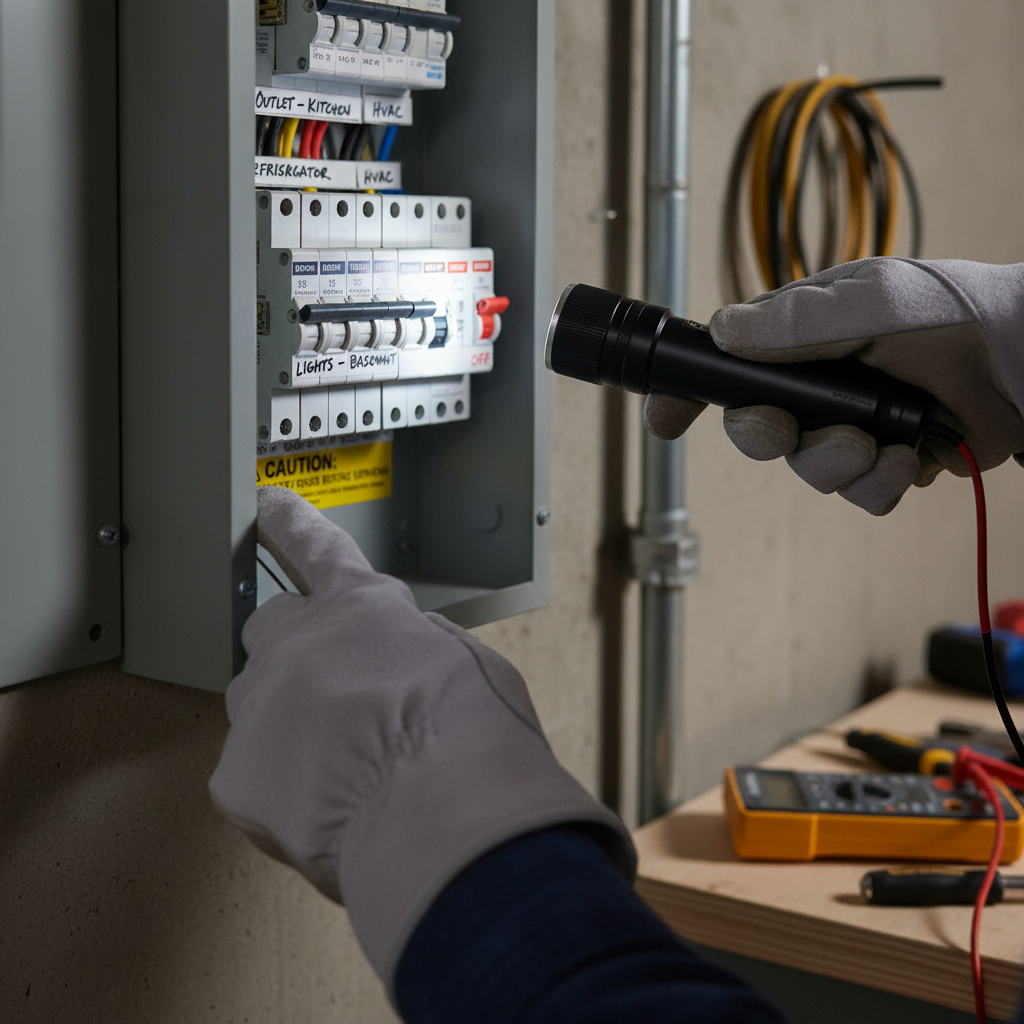
Typically, these fixtures are connected to your home’s electrical system via a wall switch. This switch controls the flow of electricity from your home’s circuit breaker panel to the fixture. A single circuit often powers both the fan and light, meaning a disruption anywhere along this path can affect both.
Immediate Safety First: Before You Begin Troubleshooting
Before you even think about touching any wires or components, your absolute top priority must be safety. Working with electricity carries inherent risks, including electric shock, fire, and serious injury. Always follow these precautions:
- Turn Off the Power: Locate your home’s main electrical service panel (breaker box) and identify the circuit breaker that controls your bathroom. Flip it to the “OFF” position. If you’re unsure which breaker it is, it’s safer to turn off the main breaker to your entire home.
- Verify Power is Off: Use a non-contact voltage tester to confirm that no electricity is flowing to the switch or the fixture before proceeding.
- Work in a Dry Environment: Ensure your hands and the floor are completely dry. Avoid working in standing water.
- Use Insulated Tools: Only use tools with insulated handles.
- Don’t Hesitate to Call a Pro: If you’re uncomfortable, unsure, or lack experience with electrical work, do not attempt to fix it yourself. Electrical safety is paramount. For more detailed electrical safety tips, consider consulting resources like this guide from Good Housekeeping on Electrical Safety.
Common Reasons Your Bathroom Fan and Light Are Losing Power
When both your bathroom fan and light go out, the issue is almost always electrical in nature, affecting their shared power supply. Here are the most common culprits:

Tripped Circuit Breaker or GFCI Outlet
This is by far the most frequent and easiest-to-fix problem. Circuit breakers are safety devices designed to “trip” (turn off) when they detect an overload or a short circuit, preventing damage to your wiring and appliances, and potential fires. A Ground Fault Circuit Interrupter (GFCI) outlet, often found in bathrooms, kitchens, and other areas where water is present, provides even faster protection against electric shock.
- Circuit Breaker: An overloaded circuit (too many devices drawing power at once) or a short circuit within the fan/light unit or its wiring can cause a breaker to trip.
- GFCI Outlet: If your bathroom fan and light are on a circuit protected by a GFCI outlet (even one in another bathroom or nearby room), a ground fault could cause the GFCI to trip, cutting power to everything downstream from it.
Blown Light Bulb or Faulty Fan Motor
While less common for both to fail simultaneously unless there’s an underlying electrical issue, sometimes a severe short in a single component can affect the entire fixture.
- Blown Light Bulb: A bulb that blows dramatically can sometimes create a temporary short that trips a breaker. While rare for it to take out the fan permanently, it’s worth checking if it happened just as the power went out.
- Faulty Fan Motor: An old or failing fan motor can draw excessive current, leading to an overload and a tripped breaker. If the motor short circuits, it will definitely cut power.
Loose or Damaged Wiring
Over time, wires can loosen due to vibrations, heat expansion/contraction, or improper initial installation. Pests can also chew through wires, or nails/screws can accidentally pierce them during renovations. Loose or damaged wiring is a serious fire hazard and needs immediate attention.
- At the Switch: Wires connected to the wall switch can become loose.
- At the Fixture: Connections inside the fan/light housing can loosen.
- In Junction Boxes: Somewhere along the circuit, connections in a junction box could be faulty.
Faulty Wall Switch
The wall switch is a mechanical component that can wear out over time. Internal contacts can burn out, corrode, or become misaligned, preventing electricity from flowing through to the fixture.
- Signs of a Faulty Switch: The switch might feel loose, make buzzing sounds, produce a burning smell, or only work intermittently before failing completely.
Overloaded Circuit
Bathrooms often have high-draw appliances like hair dryers, curling irons, and electric heaters. If your bathroom fan and light are on the same circuit as these other devices, using too many at once can exceed the circuit’s capacity, causing the breaker to trip.
Water Damage or Moisture Issues
Bathrooms are inherently wet environments. If water infiltrates the fan/light fixture, the switch, or any part of the wiring, it can cause corrosion, shorts, or even complete electrical failure. This is especially true if the fan’s ventilation isn’t working correctly, leading to excessive condensation.
Old or Defective Fixture
Like all appliances, bathroom fan and light units have a lifespan. Internal components can degrade, wires can become brittle, and housing can corrode, leading to a complete failure of the unit.
Step-by-Step Troubleshooting Guide
Once you’ve ensured the power is off, you can begin to systematically troubleshoot the issue. Work through these steps methodically.
Step 1: Check the Circuit Breaker and GFCI
- For a Tripped Breaker: Go to your electrical panel. Look for a breaker that is in the “OFF” position or halfway between “ON” and “OFF.” Firmly push the tripped breaker completely to the “OFF” position, then firmly push it back to the “ON” position.
- For a Tripped GFCI Outlet: Locate any GFCI outlets in your bathroom or adjacent areas (they have “TEST” and “RESET” buttons). Press the “RESET” button firmly. If it clicks back into place, try the light and fan again. If it immediately trips again, there’s still a ground fault.
- After Resetting: Go back to the bathroom and test the fan and light. If they work, great! If they trip again immediately, you have an underlying electrical issue that needs further investigation.
Step 2: Inspect the Light Bulb
- Safety First: Ensure the power to the circuit is OFF at the breaker.
- Remove Bulb: Carefully unscrew the light bulb.
- Check for Damage: Look for a broken filament, darkened glass, or any signs of a short.
- Replace: Install a new, working light bulb of the correct wattage.
- Test: Turn the power back on and test the light and fan. If only the light was out, this might be the simple fix. If a new bulb immediately blows or trips the breaker, you have a more serious wiring issue in the fixture.
Step 3: Examine the Wall Switch
A faulty switch is a common cause for power loss to both units.
- Safety First: Turn off the power to the circuit at the breaker.
- Remove Wall Plate: Unscrew the cover plate from the wall switch.
- Pull Out Switch: Gently pull the switch out from the electrical box. You don’t need to disconnect the wires yet.
- Inspect Wires: Look for any loose, burnt, or corroded wires connected to the switch terminals. Secure any loose connections by tightening the screws.
- Look for Damage: Examine the switch itself for signs of burning, melting, or physical damage.
- Test the Switch (Advanced): If you have a multimeter, and are comfortable using it, you can test for continuity across the switch terminals with the power OFF. When the switch is in the “ON” position, there should be continuity. If there isn’t, the switch is likely faulty.
- Replace Switch: If you find damage or suspect the switch is bad, replace it with a new one of the same type. Make sure to connect the wires exactly as they were on the old switch.
- Test: Secure the switch back in the wall, replace the cover plate, turn the power back on, and test the fan and light.
Step 4: Look for Loose Wiring (with caution)
This step involves working directly with electrical connections and should only be attempted if you are confident in your abilities and have strictly followed all safety protocols.
- Safety First: POWER MUST BE OFF AT THE BREAKER. Verify with a voltage tester.
- Check Fixture Wiring: Remove the cover or grille from your bathroom fan/light fixture. Carefully inspect the wire nuts and connections inside the housing. Look for any loose wires, scorch marks, or frayed insulation. Tighten any loose wire nuts or terminal screws.
- Check Junction Boxes (If Accessible): If you have access to any junction boxes on the circuit (e.g., in the attic or crawl space above the bathroom), carefully inspect the connections there.
- Look for Signs of Pests: Check for rodent droppings or chewed wires.
- Test: After securing any loose connections, reassemble the fixture, turn the power back on, and test.
Step 5: Assess the Fan Motor and Fixture
If the above steps haven’t resolved the issue, the problem might be with the fan motor itself or the internal wiring of the fixture.
- Safety First: Power OFF.
- Inspect Fan Blades: Check if the fan blades are obstructed or jammed. Dust and debris can build up, preventing the motor from spinning. Clean any obstructions.
- Listen for Hum: If the fan hums but doesn’t spin, the motor might be seized, or the capacitor (if present) could be bad.
- Motor Condition: Look for signs of burning or excessive wear on the motor housing. If the motor appears damaged, the entire fan unit may need to be replaced.
- Internal Fixture Wiring: Look for any obvious signs of damage or corrosion within the fixture’s internal wiring.
Step 6: Test the Circuit (if comfortable and safe)
For those with electrical experience and a multimeter, you can test for voltage at the switch and the fixture (with power ON, extreme caution required) to narrow down where the power loss is occurring. If you have power coming into the switch but not out, the switch is bad. If you have power out of the switch but not at the fixture, there’s a break in the wiring between the switch and the fixture.
When to Call a Professional Electrician
While some troubleshooting can be done by a DIY enthusiast, there are clear instances when calling a licensed electrician is not just recommended, but essential:
- Persistent Tripping: If your circuit breaker or GFCI repeatedly trips after you reset it, there’s a serious underlying electrical problem (e.g., a short circuit, ground fault, or overloaded circuit) that needs professional diagnosis and repair. Ignoring this is a fire hazard.
- Burning Smell or Smoke: Any signs of burning plastic, melting, or smoke from the switch, fixture, or electrical panel indicate an immediate danger. Turn off power immediately and call an electrician.
- No Obvious Cause: If you’ve gone through all the troubleshooting steps and can’t identify the issue, it’s likely a more complex wiring problem, a faulty component within the electrical panel, or wiring hidden within walls.
- Lack of Confidence or Experience: If you’re uncomfortable at any point, feel unsure, or lack experience with electrical work, do not take chances. Electrical work is dangerous when done incorrectly.
- Old Wiring: Homes with old or outdated wiring (e.g., knob and tube, aluminum wiring) often present unique challenges and hazards that require professional attention.
- No Power at All: If there’s no power at the circuit breaker or if other circuits are also affected, the problem might be with your home’s main electrical service, which is definitely a job for a professional.
Preventing Future Power Loss Issues
Once you’ve resolved the issue, consider these tips to prevent your bathroom fan and light from losing power again:
- Don’t Overload Circuits: Be mindful of how many high-wattage appliances you plug into outlets on the same circuit, especially in the bathroom.
- Regular Maintenance: Clean your bathroom fan regularly to prevent dust and lint buildup, which can strain the motor and reduce its lifespan. Learn how to clean your bathroom exhaust fan effectively.
- Proper Ventilation: Ensure your bathroom fan is adequately sized for your bathroom and runs for at least 15-20 minutes after showers to remove moisture effectively, preventing corrosion and short circuits.
- Address Moisture Promptly: Fix any leaks or excessive condensation issues immediately to prevent water damage to electrical components.
- Use LED Bulbs: Switch to LED light bulbs. They are more energy-efficient, produce less heat, and typically last much longer than incandescent bulbs, reducing the chances of a bulb-related short.
- Professional Inspections: Consider having a professional electrician inspect your home’s wiring every few years, especially if you live in an older house, to catch potential issues before they become major problems.
Frequently Asked Questions (FAQs)
Q: Can a bad light bulb cause the bathroom fan to stop working?
A: Yes, in some cases. A severely blown light bulb, particularly one that creates a short circuit upon failure, can trip the circuit breaker or GFCI outlet that powers both the fan and the light. Once the breaker is reset and the bulb replaced, both should ideally work again. However, if the issue persists, the bulb was likely a symptom, not the root cause.
Q: Why does my bathroom fan hum but not spin?
A: If your bathroom fan hums but doesn’t spin, it typically indicates a problem with the fan motor or an obstruction. Common causes include:
- Dust and Debris: Buildup on the fan blades or motor can prevent it from spinning.
- Seized Motor: The motor’s bearings might be worn out or seized.
- Faulty Capacitor: Many fan motors use a capacitor to help them start; if it fails, the motor might hum but not have enough power to rotate.
- Damaged Blades: The fan blades themselves might be bent or broken.
In most cases, a fan that hums but doesn’t spin will require cleaning, lubrication, or a motor replacement.
Q: How much does it cost to fix a bathroom fan and light?
A: The cost to fix a bathroom fan and light varies widely depending on the cause and whether you do it yourself or hire a professional. Replacing a light bulb or resetting a breaker is free. Replacing a wall switch might cost $10-$30 for the part plus your time. If you need a professional electrician:
- Minor Repairs (e.g., loose wiring, switch replacement): $75 – $200+ for labor, plus parts.
- Fan Motor Replacement (if possible): $100 – $300+ (for parts and labor).
- Full Fan/Light Unit Replacement: $150 – $400+ for the unit itself, and $150 – $500+ for professional installation, depending on complexity and location.
- Complex Wiring Issues: Could be several hundred dollars or more, especially if walls need to be opened.
Always get multiple quotes from licensed electricians.
Q: Is it safe to use a bathroom without a working fan?
A: While a non-working fan doesn’t pose an immediate electrical safety hazard (assuming the power issue is resolved), it’s not ideal for the long term. The primary purpose of a bathroom fan is to remove moisture and odors. Without proper ventilation, you risk:
- Mold and Mildew Growth: High humidity creates an ideal environment for mold and mildew to flourish on walls, ceilings, and grout, leading to health issues and property damage.
- Peeling Paint and Wallpaper: Excessive moisture can damage bathroom surfaces.
- Unpleasant Odors: The bathroom can become stale and unpleasant.
It’s best to get your fan repaired or replaced as soon as possible to maintain a healthy and functional bathroom environment.
Conclusion
When your bathroom fan and light lose power, it can feel like a daunting electrical mystery. However, by understanding the common causes and following a systematic, safety-first troubleshooting approach, you can often identify and resolve the issue yourself. From checking a tripped circuit breaker to inspecting for loose wiring, many problems have straightforward solutions. Remember, safety should always be your highest priority. If at any point you feel uncomfortable, suspect a serious electrical fault, or can’t pinpoint the problem, don’t hesitate to call a licensed electrician. Restoring power to your bathroom fan and light will not only bring back convenience but also ensure your bathroom remains a healthy, well-ventilated, and illuminated space.