Understanding How Your AC Dehumidifies
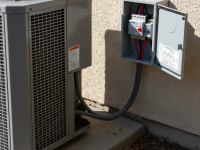
Before diving into the reasons for persistent humidity, it’s crucial to understand that air conditioners don’t just cool the air; they also play a significant role in dehumidifying it. As warm, humid air passes over the AC’s cold evaporator coil, moisture condenses out of the air and drains away. This is why you see water dripping from your outdoor unit’s condensate line. The cooler, drier air is then circulated back into your home. When your AC system is functioning optimally, it should effectively reduce both temperature and humidity. So, if your home still feels muggy, it’s a clear sign that something is disrupting this process.
Why Is My House Humid Even With AC Running? Common Causes Explained
Several factors can contribute to a humid home, even when your air conditioner appears to be working. Pinpointing the exact cause is key to finding the right solution.
1. Short-Cycling AC Unit
Short-cycling occurs when your AC unit turns on and off too frequently without completing a full cooling cycle. While it might seem like your AC is constantly working, these brief runs aren’t long enough for the system to effectively remove moisture from the air. The evaporator coil needs time to get cold enough and allow condensation to form and drain. If it’s cutting off too soon, it’s primarily cooling the air but not extracting humidity. This can be caused by an oversized unit, a faulty thermostat, or low refrigerant levels.
2. Oversized AC Unit
Paradoxically, an air conditioner that’s too powerful for your home can be a major cause of indoor humidity. An oversized unit will cool your home very quickly, satisfying the thermostat’s temperature setting before it has had a chance to run long enough to adequately dehumidify the air. It rapidly drops the temperature, shuts off, and then cycles on again later when the temperature rises, repeating the ineffective short-cycling pattern. While your house might feel cool, it will also feel damp and clammy.
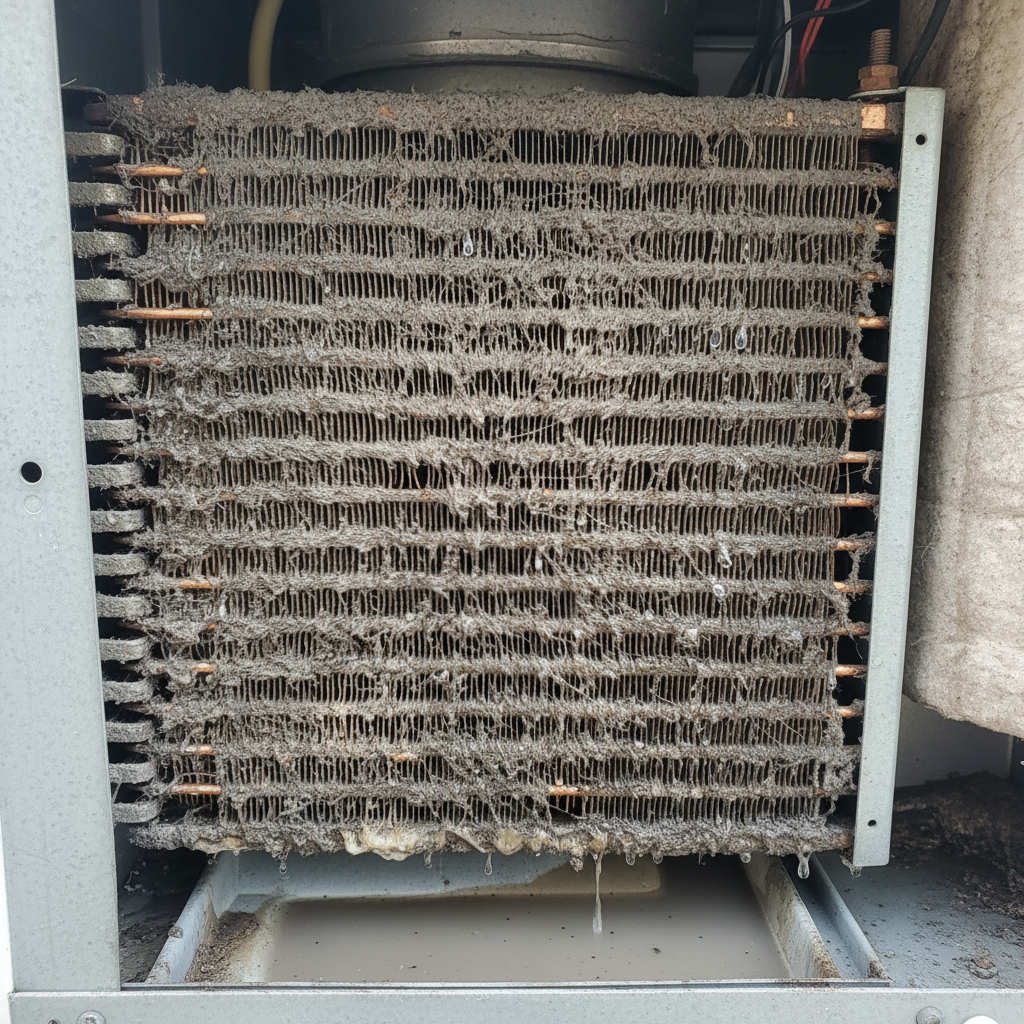
3. Dirty Evaporator Coils
The evaporator coil is where the magic of cooling and dehumidifying happens. If these coils become covered in a layer of dirt, dust, and grime, it impedes their ability to absorb heat from the air and prevents proper condensation of moisture. A dirty coil can’t get cold enough to effectively dehumidify, leaving your home feeling sticky. Dirty coils also force your AC to work harder, increasing energy consumption and potentially leading to premature system failure.
4. Low Refrigerant Levels
Refrigerant is the lifeblood of your AC system, responsible for absorbing heat from your indoor air. If your system is low on refrigerant, typically due to a leak, the coils won’t be able to get cold enough. This reduces the AC’s cooling capacity and severely limits its ability to pull moisture from the air. Beyond the humidity, low refrigerant can cause the unit to blow warm air and potentially freeze up the coils.
5. Leaky Ductwork
Your ductwork is the circulatory system of your HVAC. If there are leaks, gaps, or poorly sealed connections in your ducts, especially those running through unconditioned spaces like attics, crawl spaces, or basements, outdoor humid air can be drawn into the system and distributed throughout your home. Conversely, conditioned air can leak out, leading to less efficient cooling and dehumidification. This infiltration of humid air can significantly counteract your AC’s efforts to keep your home dry and comfortable.
6. Lack of Proper Insulation and Air Sealing
Your home’s envelope – its walls, roof, windows, and doors – acts as a barrier against the elements. If this barrier is compromised by inadequate insulation or poor air sealing, humid outdoor air can easily infiltrate your living spaces. Cracks around windows and doors, gaps in the foundation, or insufficient attic insulation can allow moisture to seep in, making your AC unit struggle to maintain a comfortable humidity level. This is particularly prevalent in older homes or those not built to modern energy efficiency standards.
7. Poor Ventilation
Proper ventilation is essential for expelling stale, humid air and introducing fresh air. If your home lacks adequate ventilation, or if exhaust fans in moisture-prone areas like bathrooms and kitchens aren’t used correctly, moisture generated indoors can become trapped. This trapped humidity then contributes to the overall mugginess that your AC system might not be able to fully overcome.
8. High Outdoor Humidity and Infiltration
In areas with naturally high outdoor humidity, especially during summer months, your AC system is constantly fighting an uphill battle. If there are any openings in your home’s structure – even small ones – humid outdoor air will naturally try to move indoors, driven by the pressure difference. This constant influx of moisture can overwhelm your AC’s dehumidification capacity, especially if other factors are already compromising its efficiency. Leaving windows or doors open on humid days, even for short periods, can also introduce significant moisture.
9. Internal Moisture Sources
Your household activities generate a surprising amount of moisture. Cooking, showering, bathing, doing laundry (especially line-drying clothes indoors), and even breathing can add gallons of water vapor to your indoor air daily. While an efficient AC can handle some of this, excessive or unmanaged internal moisture sources can contribute to your home feeling humid despite the cooling. Even houseplants release moisture into the air through transpiration.
10. Malfunctioning Thermostat
A faulty thermostat can cause your AC to misread the indoor temperature or humidity, leading to inefficient operation. If it’s not signaling the unit to run long enough or at the appropriate settings, your AC might not engage in proper dehumidification cycles. An old, inaccurate, or improperly located thermostat can significantly impact your system’s performance.
Beyond the AC: Other Sources of Indoor Humidity
Sometimes, the issue isn’t directly with your AC, but with other moisture sources within your home that overwhelm its ability to dehumidify. Identifying and addressing these can significantly improve your indoor comfort.
Everyday Activities
- Cooking: Boiling water, simmering sauces, and even using a dishwasher without an exhaust fan can release significant amounts of steam into the air.
- Showering and Bathing: Hot showers and baths produce large quantities of water vapor. Without proper ventilation, this moisture quickly dissipates throughout the house.
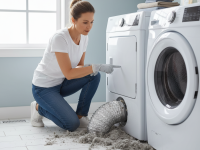
- Doing Laundry: Washing and especially drying clothes indoors can release several gallons of water into your home’s air, particularly if your dryer vent is blocked or disconnected.
Plumbing Leaks
Hidden leaks from pipes, faucets, or appliances can slowly release moisture into walls, floors, or ceilings, leading to elevated humidity levels and potential mold growth. Even a small, persistent leak can contribute significantly over time.
Foundation and Basement Moisture
Basements and crawl spaces are often prone to moisture issues. Water can seep through foundation cracks, inadequate drainage, or simply diffuse through concrete walls. This ground moisture then evaporates into the air, rising into your living spaces and contributing to overall humidity.
Crawl Space Issues
Unsealed or improperly vented crawl spaces can be major sources of humidity. The ground beneath your home naturally contains moisture, which can evaporate and accumulate in an unconditioned crawl space, eventually finding its way into your home’s ductwork or through floorboards.
Houseplants
While beautiful, houseplants release water vapor into the air through a process called transpiration. A large collection of plants, especially if overwatered, can noticeably contribute to indoor humidity.
Solutions and Strategies to Combat Indoor Humidity
Once you’ve identified potential causes, you can take targeted steps to reduce the mugginess in your home and make your AC more effective.
HVAC-Related Fixes
Professional AC Inspection and Sizing
If you suspect your AC unit is oversized or performing poorly, consult an HVAC professional. They can perform a load calculation to ensure your system is properly sized for your home and diagnose any underlying mechanical issues. Proper sizing ensures your AC runs long enough to dehumidify effectively without short-cycling.
Regular Filter Changes
Changing your AC filter regularly (every 1-3 months, depending on usage and household conditions) is one of the simplest and most effective maintenance tasks. A clean filter allows for better airflow, which helps your AC coils function properly for both cooling and dehumidification.
Coil Cleaning
Professional cleaning of your evaporator and condenser coils is essential, typically as part of an annual maintenance tune-up. This ensures the coils can efficiently transfer heat and condense moisture, optimizing your AC’s performance.
Ductwork Sealing and Inspection
Have an HVAC technician inspect your ductwork for leaks and seal any gaps or disconnections. This prevents humid air from infiltrating and conditioned air from escaping, ensuring your AC’s efforts are focused solely on your living space.
Consider a Whole-Home Dehumidifier
For persistent humidity issues, especially in humid climates, a whole-home dehumidifier integrated into your HVAC system can be a game-changer. These units work independently of your AC to maintain a specific humidity level throughout your entire house, providing superior comfort and protecting your home from moisture-related problems. They are especially beneficial for homes with oversized AC units that cool quickly but don’t dehumidify sufficiently.
Thermostat Settings
Utilize a programmable or smart thermostat. Some advanced thermostats have “dry mode” or “dehumidification” settings that allow the fan to run at a lower speed to maximize moisture removal. Setting your thermostat a degree or two higher in very humid conditions can also allow your AC to run longer, enhancing dehumidification without making your home feel warmer.
Improving Home Envelope
Air Sealing and Weatherstripping
Inspect your home for air leaks around windows, doors, electrical outlets, and plumbing penetrations. Use caulk, weatherstripping, and expanding foam to seal these gaps. This prevents humid outdoor air from entering your home and makes your AC more efficient. Good Housekeeping provides excellent advice on effective ways to seal air leaks and improve home energy efficiency, many of which also apply to summer humidity control.
Insulation Upgrades
Ensure your attic, walls, and crawl space have adequate insulation. Proper insulation acts as a barrier against heat and moisture transfer, helping to maintain stable indoor temperatures and humidity levels.
Ventilation Solutions
Exhaust Fans
Always use exhaust fans in bathrooms and kitchens when showering, bathing, or cooking. Run them for at least 15-20 minutes after completing the activity to fully clear the moisture. Ensure these fans are properly vented to the outside, not into an attic or wall cavity.
Opening Windows (When Appropriate)
While generally avoided on humid days, if outdoor humidity is low and temperatures are mild, opening windows can provide natural ventilation. However, be mindful of bringing in more moisture if it’s muggy outside.
Energy Recovery Ventilators (ERVs)
In highly humid climates, an ERV can introduce fresh outdoor air while simultaneously expelling stale indoor air and transferring moisture from the incoming air to the outgoing air, thereby reducing the humidity load on your AC.
Managing Internal Moisture Sources
Bathroom and Kitchen Exhaust Fan Usage
Make a habit of always using these fans during and immediately after moisture-generating activities. Consider upgrading to more powerful or quieter models if your current ones are ineffective or rarely used.
Laundry Practices
Vent clothes dryers directly to the outside and ensure the vent hose is free of kinks or blockages. Avoid drying clothes indoors on racks if possible, or use a portable dehumidifier in the room where clothes are drying.
Addressing Leaks Promptly
Regularly check for plumbing leaks under sinks, around toilets, and near appliances. Fix any drips or seeps immediately to prevent continuous moisture introduction into your home’s structure.
Using Dehumidifiers (Portable or Whole-Home)
For localized problem areas like basements or specific rooms, a portable dehumidifier can be highly effective. For widespread issues, as mentioned, a whole-home dehumidifier is the most comprehensive solution.
The Health and Comfort Impact of High Humidity
Living in a continuously humid environment is not just uncomfortable; it can also have significant negative impacts on your health and your home.
Mold and Mildew Growth
High humidity creates an ideal breeding ground for mold and mildew. These fungi can grow on walls, ceilings, carpets, and furniture, releasing spores that can trigger allergies, asthma, and other respiratory problems. The musty odor associated with a humid home is often an indicator of hidden mold growth.
Dust Mites and Pests
Dust mites thrive in humid conditions. These microscopic creatures are a common allergen, and their presence can exacerbate asthma and allergy symptoms. High humidity also attracts other pests like cockroaches and silverfish, which prefer damp environments.
Discomfort and Health Issues
Beyond allergies and respiratory problems, high humidity makes you feel hotter than the actual temperature. The body’s natural cooling mechanism (sweat evaporation) is less effective in humid air, leading to a sticky, clammy feeling and potential heat stress. This can disrupt sleep, reduce productivity, and generally lower your quality of life at home.
Damage to Home and Belongings
Persistent moisture can damage your home’s structure and your belongings. It can warp wooden floors and furniture, peel paint and wallpaper, rust metal fixtures, and even damage electronics and valuable documents. Books and fabrics can develop mildew, leading to irreparable damage.
When to Call a Professional
While many humidity issues can be addressed with DIY solutions, some problems require the expertise of a professional.
Persistent Issues
If you’ve tried various troubleshooting steps and your home still feels uncomfortably humid, it’s time to call an HVAC technician. They have specialized tools and knowledge to diagnose complex issues that might be overlooked by an untrained eye.
Complex HVAC Problems
Issues like refrigerant leaks, significant ductwork damage, or problems with internal AC components (like the compressor or evaporator coil) are best left to certified professionals. Attempting to fix these yourself can be dangerous and may void your warranty.
Mold Growth
If you discover extensive mold growth in your home, especially if it covers a large area or is located in hard-to-reach places, it’s advisable to consult mold remediation specialists. They can safely remove the mold and address the underlying moisture source to prevent its return.
Frequently Asked Questions
Why does my house feel damp even with the AC on?
Your house feels damp due to excess moisture in the air. This can happen even with the AC on if the unit is oversized, short-cycling, has dirty coils, is low on refrigerant, or if there are significant external or internal sources of humidity overwhelming its dehumidification capacity.
Can an AC unit alone dehumidify a house effectively?
Yes, an AC unit is designed to dehumidify as it cools. However, its primary function is temperature control. If humidity levels are exceptionally high, or if the AC isn’t running long enough (e.g., due to being oversized), it may not be able to dehumidify effectively on its own. In such cases, a dedicated dehumidifier might be necessary.
What is the ideal indoor humidity level?
The ideal indoor humidity level for comfort and health is generally between 30% and 50% relative humidity. Levels above 60% can promote mold growth and feel uncomfortably sticky, while levels below 30% can cause dry skin, irritated sinuses, and static electricity.
Should I run a dehumidifier and AC at the same time?
Yes, you can run a dehumidifier and AC simultaneously. In fact, in very humid conditions, this can be the most effective way to achieve optimal comfort. The AC will focus on cooling, and the dehumidifier will specifically target moisture removal, allowing both systems to work more efficiently at their primary functions.
How often should I clean my AC coils?
While you can gently clean the outdoor condenser coils yourself with a hose, the indoor evaporator coils are more sensitive and typically require professional cleaning during an annual HVAC tune-up. Cleaning your air filter regularly (monthly or every three months) helps keep both coils cleaner longer.
Conclusion
A humid house, even with the AC running, is a common but resolvable problem. By understanding the intricate relationship between your air conditioning system, your home’s structure, and everyday activities, you can effectively diagnose and address the sources of excess moisture. Whether it’s optimizing your HVAC system, improving your home’s insulation and air sealing, enhancing ventilation, or managing internal moisture sources, a combination of these strategies will lead to a more comfortable, healthier, and energy-efficient living environment. Don’t let a muggy home steal your summer comfort; take action to ensure your AC delivers the cool, dry air you deserve.