Understanding the Gravity: Why a Porch Roof Sags
A porch roof, like any part of your home’s structure, is designed to withstand various forces and carry specific loads. When it begins to sag, it’s a clear indication that something is fundamentally wrong, and the roof’s structural capacity is being compromised. Understanding the root cause is the first step toward an effective solution.
Common Culprits Behind a Sagging Porch Roof
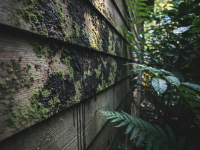
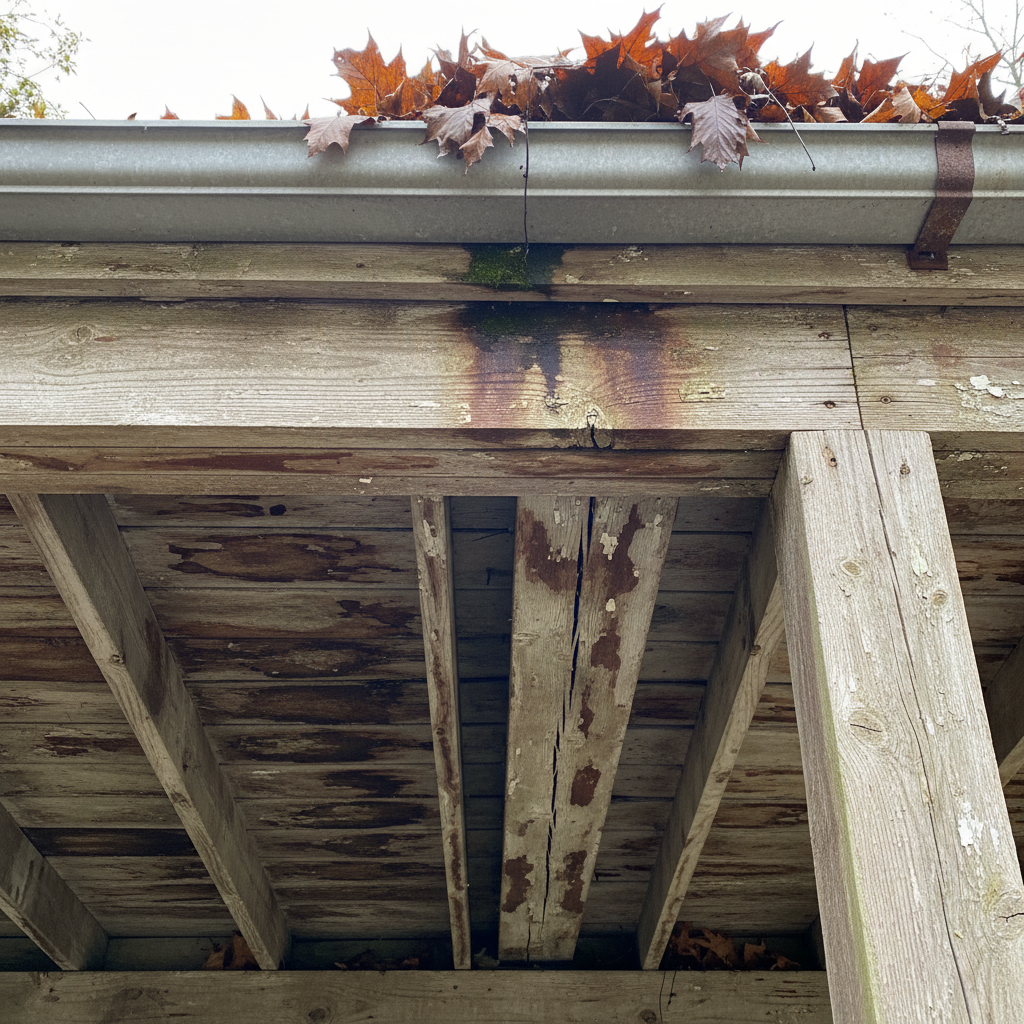
- Water Damage and Rot: This is perhaps the most frequent cause. Persistent leaks, inadequate flashing, clogged gutters, or poor drainage can allow water to seep into the roof’s wooden components (rafters, beams, joists). Over time, this moisture leads to wood rot, weakening the lumber and causing it to lose its structural integrity and sag under its own weight or additional loads like snow.
- Inadequate Support or Design Flaws: Sometimes, a porch roof was simply not built to code or designed properly from the outset. This could mean insufficient number of support posts, undersized beams or rafters for the span they need to cover, or improper connections between structural elements. Over time, the constant load can cause these weak points to give way.
- Age and Wear and Tear: Even well-built structures have a lifespan. Decades of exposure to the elements, temperature fluctuations, and constant load can degrade building materials. Wood can dry out, crack, or slowly succumb to gravity, leading to a noticeable sag.
- Pest Infestation: Termites, carpenter ants, and other wood-boring insects can wreak havoc on structural timbers. They tunnel through the wood, creating hollows and significantly reducing its strength from the inside out, making it susceptible to sagging.
- Foundation or Column Issues: The support posts or columns for your porch roof rely on a stable foundation. If the ground settles, or the porch foundation itself shifts, cracks, or sinks, it can cause the entire roof structure to move unevenly, leading to a sag. Leaning or crumbling posts are a strong indicator of this issue.
- Excessive Load: While less common for porch roofs than main house roofs, an unusually heavy snow load, significant debris accumulation, or even improper storage on the roof (if accessible) can exacerbate existing weaknesses and contribute to sagging.
- Improper Installation or Repairs: If the porch roof underwent previous repairs or was installed incorrectly, shortcuts might have been taken. Using incorrect fasteners, not adequately supporting new sections, or not addressing underlying issues during a repair can lead to a recurring or worsening sag.
The Dangers of a Deflecting Porch Roof
A sagging porch roof isn’t just an eyesore; it’s a significant hazard. Understanding the potential dangers can help emphasize the urgency of addressing the problem promptly.
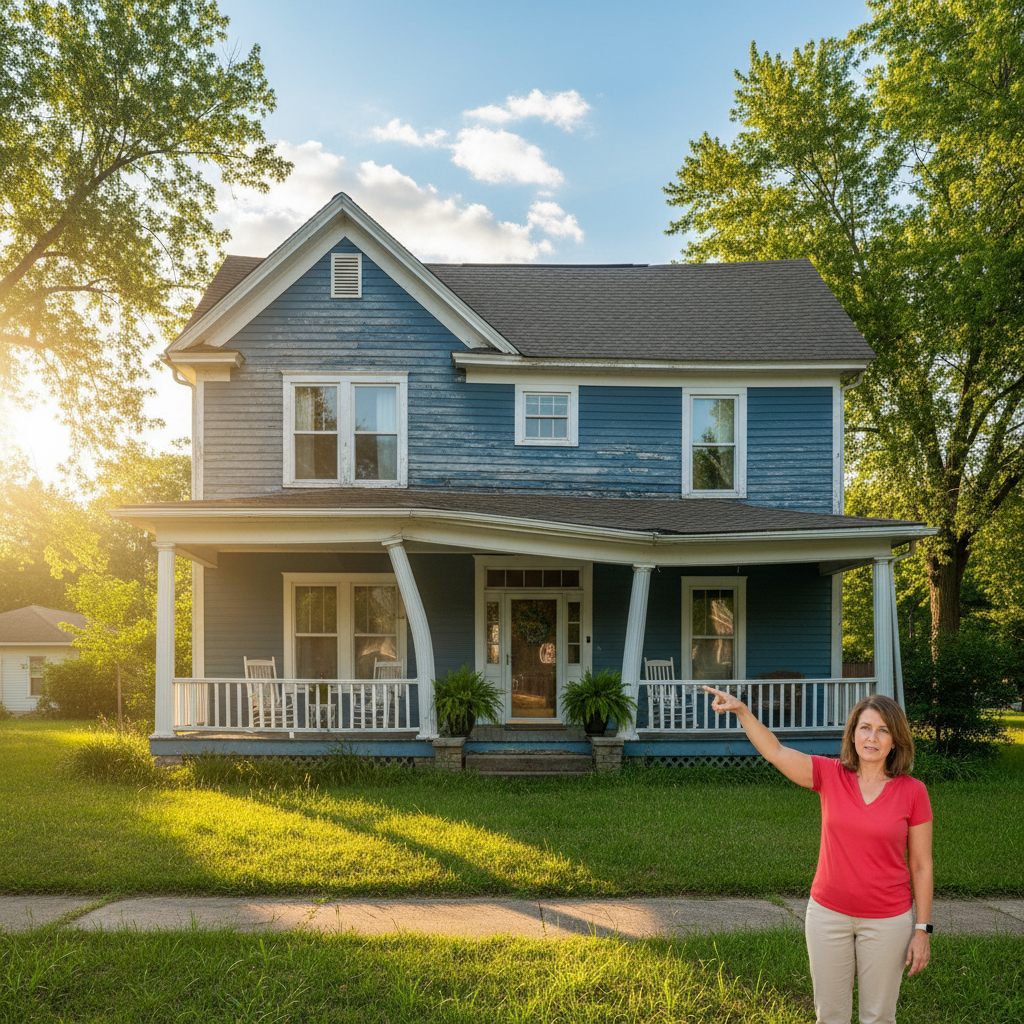
- Catastrophic Structural Failure: The most immediate and severe danger is the potential for the roof to collapse entirely. This can happen suddenly, especially under additional stress from heavy rain or snow, leading to serious injury or even fatalities for anyone beneath it.
- Safety Hazard to Occupants: Beyond collapse, a compromised structure can shed debris, splintered wood, or loose roofing materials, posing a direct threat to those using the porch or walking nearby.
- Decreased Home Value: From a real estate perspective, a sagging roof is a major red flag. It signals neglect and significant potential repair costs, making your home much less attractive to prospective buyers and severely impacting its market value.
- Aesthetic Degradation: While secondary to safety, a visibly sagging roof detracts significantly from your home’s curb appeal. It creates an impression of disrepair and neglect, diminishing the overall beauty of your property.
- Further Water Damage: A sag creates low spots where water can pool. This exacerbates the initial water damage, accelerates rot, and can lead to leaks into the porch structure itself, or even into the adjacent house walls, creating a cascading problem.
- Pest Entry Points: Cracks and gaps created by a sagging structure can become inviting entry points for pests like rodents and insects, leading to further infestations within your porch and potentially your main home.
Is Your Porch Roof Sagging? Signs to Look For
Early detection is key to mitigating damage and cost. Regularly inspect your porch for these tell-tale signs:
- Visible Dip or Curve: The most obvious sign. Stand back from your porch and look along the roofline. Is it straight and level, or do you notice a noticeable dip or curve, especially in the middle?
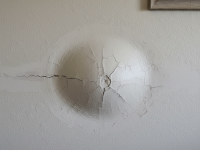
- Cracks or Gaps: Look for cracks in the porch ceiling, around the points where the roof connects to the house, or where beams meet posts. Gaps appearing between structural elements are also critical warning signs.
- Leaning or Bowing Support Posts/Columns: Are your porch posts perfectly vertical, or do they appear to be leaning inward or outward? Any bowing in the posts or columns indicates they might be under excessive strain or have foundation issues.
- Water Stains or Discoloration: Check the porch ceiling and posts for water stains, mold, mildew, or discoloration. These are strong indicators of ongoing moisture intrusion.
- Soft or Spongy Wood: Carefully (and safely) test any visible wood components – rafters, beams, posts – by gently pressing on them. If the wood feels soft, spongy, or crumbles, it’s likely suffering from rot.
- Difficulty Opening/Closing Doors or Windows: If a door or window near the porch starts sticking or is hard to operate, it could indicate structural shifting in the surrounding areas, including the porch roof.
- Unusual Noises: Creaking, groaning, or cracking sounds, especially during windy conditions or heavy rain, can indicate structural stress.
Initial Steps: Assessing the Damage and What You Can Do
Once you suspect a sag, it’s time for a closer look. However, safety should always be your top priority.
Safety First: Before You Start
Before any inspection or potential DIY work, consider these safety measures:
- Clear the Area: Remove any furniture, plants, or decorative items from beneath the sagging portion of the roof.
- Secure the Area: Rope off or otherwise mark the danger zone to prevent family members or pets from entering.
- Wear Protective Gear: If you’re going to touch or prod the structure, wear gloves, safety glasses, and sturdy footwear.
- Do Not Work Alone: If you plan to get on a ladder or closely inspect, have someone else nearby.
- Assess Risk: If the sag is severe, the roof is actively collapsing, or you hear creaking, do not attempt to inspect it yourself. Evacuate the area and call emergency services or a structural engineer immediately.
Visual Inspection Checklist
With safety in mind, conduct a thorough visual inspection:
- Identify the Sag Location: Pinpoint exactly where the roof is sagging. Is it in the middle, at one end, or over a support?
- Check Drainage: Inspect your gutters and downspouts. Are they clear of debris? Are they properly sloped to carry water away from the porch and foundation? Is water pooling on the roof itself?
- Look for Leaks: Search for any signs of water entry points on the roof surface, flashing, or where the porch roof meets the main house.
- Examine Wood Elements: Carefully inspect all visible wood beams, rafters, and posts for rot, insect damage (small holes, sawdust-like material, tunnels), cracks, or excessive warping. Use a screwdriver to gently probe suspicious areas – if it goes in easily, the wood is compromised.
- Inspect Connections: Look at where the porch roof attaches to the house and where the beams connect to the support posts. Are the fasteners corroded? Are the connections loose or pulling apart?
- Assess Support Posts/Columns: Check for plumb (vertical alignment), cracks, shifting at the base, or signs of water damage where they meet the ground or deck.
- Evaluate the Foundation: Look for cracks, crumbling concrete, or signs of settling around the base of the porch columns or the porch slab itself.
Repairing a Sagging Porch Roof: DIY vs. Professional Help
Deciding whether to tackle the repair yourself or hire a professional is crucial. This decision largely depends on the severity of the sag, your DIY skills, and the underlying cause.
When to Call a Professional (and Why It’s Crucial)
For most significant porch roof sagging issues, professional help is not just recommended, it’s often essential. Here’s why and when:
- Severe Sagging: If the sag is pronounced (more than an inch or two), rapidly worsening, or accompanied by cracking sounds, structural engineers or experienced contractors are your best bet.
- Extensive Wood Rot or Pest Damage: Replacing load-bearing beams or rafters requires structural knowledge and specific techniques to ensure proper support during and after the repair.
- Foundation Issues: Problems with the porch foundation or support columns often require specialized equipment and expertise in concrete work or structural stabilization.
- Uncertainty About the Cause: If you can’t identify the root cause or are unsure about the extent of the damage, a professional inspection can diagnose the problem accurately and recommend the correct course of action.
- Permits and Building Codes: Significant structural repairs often require building permits and must adhere to local building codes. Professionals are familiar with these requirements and can ensure compliance.
- Safety Concerns: Working with compromised structures is inherently dangerous. Professionals have the necessary safety equipment and training to perform the work safely.
A qualified structural engineer can assess the entire porch structure and provide detailed plans for repair, while an experienced general contractor or roofing specialist can execute those plans. For general maintenance tips that can help prevent such issues, consider resources like HGTV’s Roof Repair and Maintenance Tips.
DIY Solutions for Minor Sagging (Proceed with Caution)
Only very minor and clearly understood issues might be suitable for a skilled DIYer. These typically involve preventative measures or addressing superficial damage.
- Gutter Cleaning and Repair: If clogged gutters are causing water overflow and minor damage, cleaning them out and ensuring proper flow is a simple, effective DIY task.
- Minor Flashing Repair: Small gaps in flashing that lead to minor, localized leaks can sometimes be sealed with roofing cement or new flashing material.
- Replacing Non-Load-Bearing Deck Boards: If a few deck boards on the porch floor are rotting but not affecting the roof structure, these can be replaced.
- Strengthening Non-Structural Elements: If decorative elements or trim pieces are sagging but not impacting the main load-bearing structure, these can often be reinforced or replaced.
Remember, if there is any doubt about the structural integrity or the extent of the damage, it is always safer and ultimately more cost-effective to consult with a professional.
The Repair Process: What to Expect
The actual repair of a sagging porch roof can be complex and will vary depending on the underlying cause and severity. Here’s a general overview of what a professional repair might entail:
Structural Shoring and Support
Before any damaged components can be repaired or replaced, the existing roof structure must be temporarily shored up and supported. This involves using temporary posts and beams to safely lift and hold the roof in its correct position. This crucial step prevents further collapse during the repair and ensures the new components are installed correctly.
Addressing Water Damage and Rot
Any source of water intrusion must be permanently fixed. This could involve repairing or replacing faulty flashing, installing new gutters, improving roof drainage, or repairing the roof membrane. All rotted wood must be removed and replaced with new, pressure-treated lumber to prevent future rot.
Reinforcing or Replacing Beams and Rafters
Damaged load-bearing beams or rafters are either reinforced or completely replaced. Reinforcement might involve “sistering” new lumber alongside the existing, weak pieces. If replacement is necessary, new beams or rafters must match the original dimensions and material strength, and they must be properly connected to existing structures. This often requires careful measurement, cutting, and securing with appropriate structural connectors.
Enhancing Drainage and Protection
To prevent future sagging, the repair often includes improvements to water management. This could mean installing wider gutters, adding drip edges, improving the slope of the porch roof for better runoff, or applying protective coatings to exposed wood. Ensuring adequate ventilation for the roof space can also help prevent moisture buildup.
Preventing Future Sagging: Long-Term Maintenance Tips
Once your porch roof is restored, proactive maintenance is vital to prevent a recurrence. A little vigilance goes a long way in preserving your porch’s integrity and extending its lifespan.
- Regular Inspections: Make it a habit to inspect your porch roof, posts, and foundation at least twice a year (spring and fall). Look for any of the early warning signs mentioned earlier.
- Keep Gutters Clear: Clogged gutters are a primary cause of water damage. Regularly clear leaves, twigs, and debris from your gutters and downspouts to ensure proper water drainage.
- Maintain Proper Drainage: Ensure that water from your downspouts is directed away from the porch foundation, preferably at least 5-10 feet away, to prevent soil erosion and foundation issues.
- Check for Leaks: After heavy rains, visually inspect your porch ceiling and the underside of the roof for any signs of water intrusion or dampness. Address any leaks immediately.
- Control Pests: Regularly inspect wood elements for signs of termites, carpenter ants, or other wood-boring pests. Implement pest control measures as needed.
- Paint and Seal Wood: Keep all exposed wood elements properly painted or sealed to protect them from moisture and UV damage.
- Timely Repairs: Don’t put off small repairs. A minor leak or a small patch of rot can quickly escalate into a major structural problem if ignored.
- Ensure Adequate Ventilation: If your porch roof has an enclosed space, ensure it has proper ventilation to prevent moisture buildup and reduce the risk of rot.
- Reinforce Weak Points: Consider reinforcing areas that might be inherently weaker, especially if your porch roof supports heavy seasonal decorations or receives heavy snow loads.
When to Rebuild vs. Repair
In some extreme cases, the damage to a porch roof might be so extensive that repair is no longer a viable or cost-effective option. If a significant portion of the structural lumber is compromised by rot, insect damage, or prolonged water exposure, or if the original design was fundamentally flawed and unsafe, a complete rebuild might be the safest and most economical path forward. A structural engineer or experienced contractor can help you make this crucial decision by weighing the cost of extensive repairs against the benefits and longevity of a new, properly constructed porch roof.
FAQs About Porch Roof Sagging
Q: How much does it cost to fix a sagging porch roof?
A: The cost to fix a sagging porch roof varies widely depending on the cause, extent of the damage, and whether professional help is required. Minor repairs might range from a few hundred dollars, while extensive structural repairs involving beam replacement, foundation work, and shoring can easily cost several thousands to tens of thousands of dollars.
Q: Can I fix a sagging porch roof myself?
A: Only in very minor cases, such as clearing gutters or sealing small leaks that haven’t led to structural damage, should a DIY approach be considered. For any visible sag, structural weakness, or signs of extensive rot, it is strongly recommended to hire a professional due to the safety risks and complexity involved.
Q: How long does a porch roof typically last?
A: A well-built and properly maintained porch roof can last for several decades, often 20-50 years, depending on the materials used and environmental factors. However, poor construction, lack of maintenance, or severe weather can significantly shorten its lifespan.
Q: What are the signs of serious structural damage?
A: Signs of serious structural damage include a significant and visible sag (more than an inch or two), leaning or bowing support columns, widespread soft or crumbling wood, large cracks in the ceiling or where the roof meets the house, and any creaking or cracking sounds.
Q: Should I consult an engineer?
A: Yes, if the sag is significant, the cause is unclear, or you suspect major structural issues, consulting a structural engineer is highly advisable. They can provide an expert assessment of the damage and recommend the most effective and safest repair strategies.
A sagging porch roof is a serious issue that demands immediate attention. By understanding the causes, recognizing the warning signs, and knowing when to seek professional help, you can ensure the safety and longevity of your home’s welcoming entrance. Don’t let a small dip turn into a major disaster; prioritize the health of your porch roof to maintain your home’s curb appeal, value, and most importantly, its safety.