If you’ve recently noticed an unsettling electrical arcing noise behind your wall, it’s crucial to understand what this sound means and why it shouldn’t be ignored. Electrical arcing can be more than just a noise; it’s often an early indicator of electrical issues that pose serious fire risks. In this article, we’ll explore what causes electrical arcing noises, how to detect potential hazards behind your walls, and most importantly, what steps you can take to ensure your home’s electrical safety.
What is Electrical Arcing?
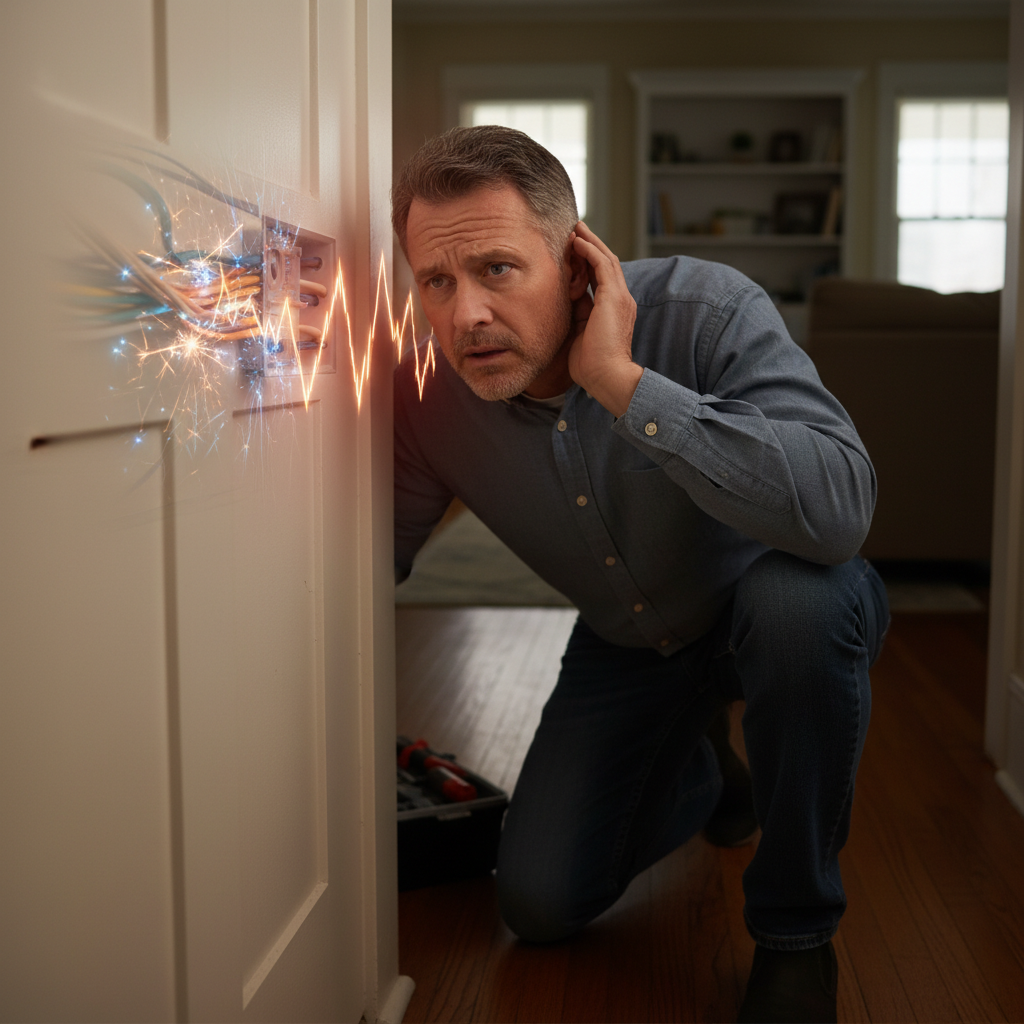
Electrical arcing occurs when there is an unintended discharge of electricity through the air between two conductive surfaces. In simple terms, it’s a spark generated when electricity jumps a gap, which can happen due to damaged wiring, loose connections, or faulty outlets. This arc produces both light and heat, but more importantly, it can create a popping or crackling noise often described as an electrical arcing sound. When this happens inside your walls, it’s typically caused by deteriorated wiring insulation or loose connections inside junction boxes or outlets.
Common Causes of Electrical Arcing Behind Walls
- Loose or Damaged Wiring: Over time, wiring can become loose due to vibrations, improper installation, or aging, causing sparks.
- Faulty Outlets or Switches: Worn-out or damaged electrical devices may fail to maintain secure electrical contact.
- Rodent Damage: Rodents chewing on wires can expose conductors, increasing the risk of electrical arcs.
- Water Intrusion: Moisture penetrating walls can degrade insulation and cause shorts or arcing.
- Overloaded Circuits: Excessive electrical load can cause wires to overheat and insulation to fail.
Why Electrical Arcing Noise Behind a Wall is Dangerous
While the noise itself can be alarming, the real danger lies in what electrical arcing represents. Arcing generates intense heat and sparks, which can ignite nearby combustible materials such as wood framing or insulation, leading to a potentially devastating house fire. According to The National Fire Protection Association (NFPA), electrical failures and malfunctions are a leading cause of home fires in the United States.
How to Identify Electrical Arcing Behind Walls
Electrical arcing behind walls doesn’t always produce easily noticed noise, so homeowners should be vigilant for other signs:
- Crackling or Popping Sounds: The most direct indication is the distinct popping or buzzing sound coming from the walls.
- Burning Smell: A faint smell of burning plastic or rubber near outlets or switches.
- Warm or Discolored Outlets and Switch Plates: Overheated devices may feel warm to the touch or show discoloration.
- Flickering or Dimming Lights: Fluctuations in lighting can indicate unstable electrical connections.
- Frequent Circuit Breaker Trips: Repeated tripping can signal a persistent fault in your electrical system.
Immediate Steps to Take if You Hear Electrical Arcing Behind Your Wall
Your safety is the top priority. Follow these precautions:
- Turn Off the Power: Locate the main electrical panel and turn off power to the affected area to prevent further arcing or fire risk.
- Do Not Attempt DIY Repairs: Electrical arcing requires professional diagnosis and repair; do not try to open walls or outlets yourself.
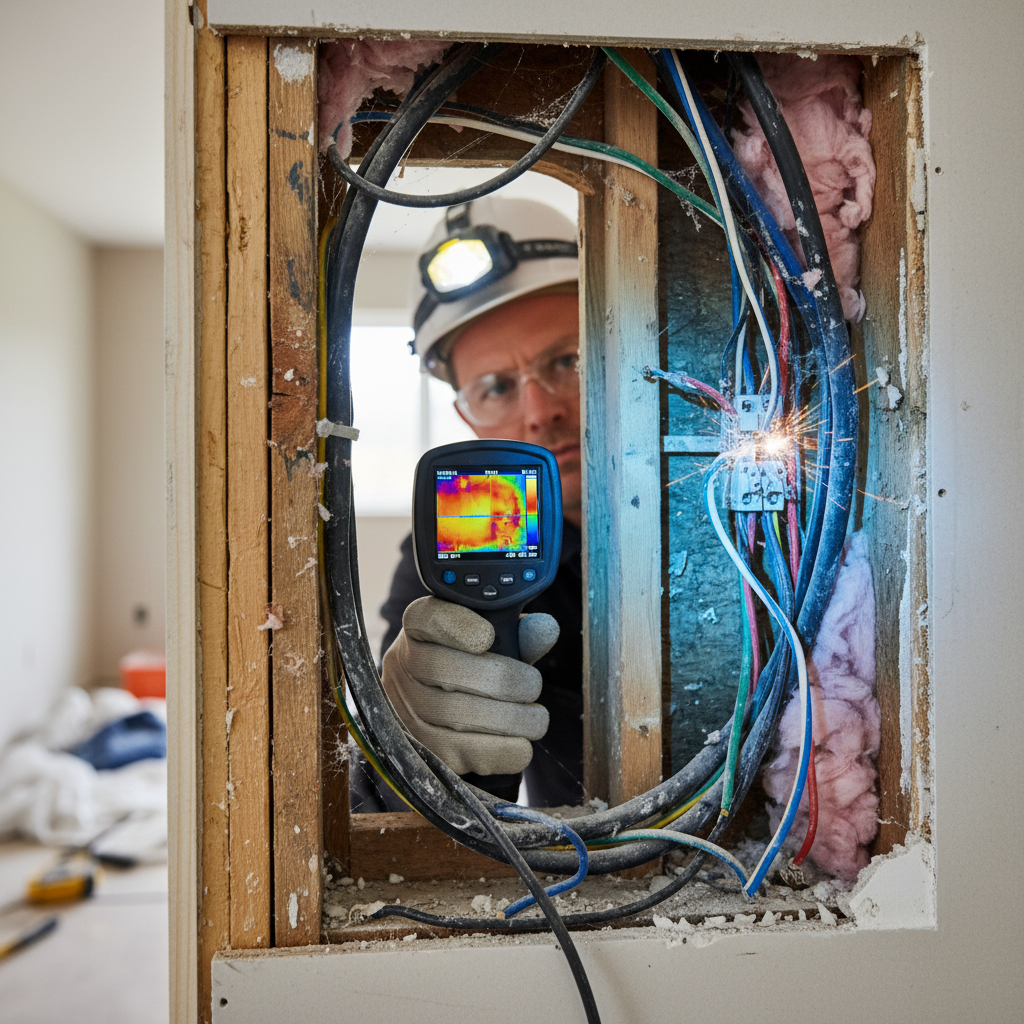
- Contact a Licensed Electrician Immediately: Professionals use specialized tools to detect faults hidden behind walls and repair damaged wiring safely.
- Use Smoke Alarms: Ensure smoke detectors are functioning properly in all rooms for early fire detection.
Prevention Tips: How to Avoid Electrical Arcing in Your Home
- Regular Electrical Inspections: Schedule routine checks with a licensed electrician to identify wiring degradation before it becomes dangerous.
- Avoid Overloading Circuits: Distribute electrical load appropriately and refrain from plugging multiple high-wattage devices into one outlet.
- Upgrade Old Wiring: Homes with outdated electrical systems benefit from an upgrade to modern wiring compliant with safety codes.
- Secure Wiring and Devices: Ensure outlets and switches are firmly mounted and wire connections are tight.
- Keep Walls Dry: Address any leaks or moisture issues promptly to protect wiring inside your walls.
- Protect Against Pests: Seal entry points and use pest control to prevent rodents from damaging wiring.
Tools and Technology to Detect Hidden Electrical Problems
Modern electricians employ tools that homeowners typically don’t have, such as circuit analyzers, thermal imaging cameras, and non-contact voltage testers, which help identify arcing and overheating in concealed spaces without destructive measures.
When to Call in Professionals
If you suspect electrical arcing inside walls—whether due to noise, smells, or electrical issues—do not delay. Immediate intervention by a licensed electrician can prevent fire hazards and costly repairs. Additionally, if your home electrical panel trips repeatedly or you notice signs of smoke or scorch marks, call for professional help right away.
Frequently Asked Questions
Can electrical arcing behind walls cause fires?
Yes, electrical arcing generates heat and sparks that can ignite nearby combustible materials, making it a serious fire hazard.
Is it safe to listen for electrical arcing noise to diagnose problems?
While hearing arcing noises can alert you to a problem, proper diagnosis requires professional tools and expertise. Do not rely solely on sound; have an electrician inspect your wiring thoroughly.
What should I do if I smell burning plastic near an outlet?
Turn off the power to the area immediately and contact a licensed electrician. A burning smell indicates overheating or arcing, which can be dangerous.
How can I prevent electrical arcing in my home?
Regular electrical maintenance, avoiding circuit overloading, upgrading outdated wiring, and keeping your home dry and pest-free are key preventive strategies.
Are there any devices that can protect my home from arcing and electrical fires?
Yes, Arc Fault Circuit Interrupters (AFCIs) are specialized breakers designed to detect arcing faults and shut off power before heat or sparks can cause fires. Consider upgrading your electrical panel with AFCIs for enhanced safety.
Learn More About Electrical Safety
For comprehensive electrical safety guidelines and tips from trusted sources, check out the Good Housekeeping Electrical Safety Tips. They offer useful advice for maintaining a safe home environment.
Conclusion
Hearing an electrical arcing noise behind your walls is never something to ignore. This potentially dangerous issue calls for prompt action to safeguard your home and family. Understanding the causes, recognizing warning signs, and knowing when to enlist professional help are essential steps in protecting your home from electrical hazards. Stay proactive with regular inspections and electrical maintenance to keep your household safe and sound.