What is a Chimney Crown and Why Is It So Important?
The chimney crown is the concrete or stone slab that caps the very top of your chimney stack, extending slightly beyond the chimney walls to create an overhang. Its primary function is akin to a roof for your chimney, providing a protective barrier against the elements. It directs rainwater, snow, and ice away from the vulnerable flue lining and the chimney masonry below, preventing moisture from seeping into the structure. A properly constructed crown is sloped downwards, allowing precipitation to shed easily, much like a well-designed roof keeps your house dry.
Beyond weather protection, the chimney crown also secures the top of the flue liner, preventing it from shifting or deteriorating due to exposure. Without a robust and intact crown, the chimney system is exposed to a barrage of environmental stressors, leading to accelerated wear and potentially significant structural problems that can compromise not only the chimney itself but also the interior of your home.
Understanding the Causes of a Cracked Chimney Crown
A chimney crown, despite its robust appearance, is constantly battling the elements. Various factors contribute to its eventual deterioration and the formation of cracks. Understanding these causes is the first step in prevention and effective repair.
Weather Exposure: The Primary Culprit
The most significant factor leading to a damaged chimney crown is relentless exposure to weather. Fluctuations in temperature, especially freeze-thaw cycles, are particularly damaging. When water seeps into microscopic pores or existing hairline cracks in the crown and then freezes, it expands, exerting immense pressure that widens these cracks. Repeated cycles can turn small fissures into significant fractures. Rain, snow, sleet, and even intense sunlight can also contribute to the erosion and breakdown of the crown’s surface over time.
Poor Construction and Materials
Many older chimney crowns were constructed using mortar mix, which is far less durable and water-resistant than the concrete or specialized crown-coat products used today. Mortar tends to crack and degrade more rapidly. Even modern crowns can fail prematurely if improper ratios of cement, sand, and water were used, or if the crown wasn’t properly cured. Insufficient thickness, lack of an adequate overhang (drip edge), or a flat design that allows water to pool rather than drain are all common construction flaws that accelerate deterioration.
Age and Wear
Like any outdoor structure, a chimney crown has a finite lifespan. Over decades, even the best-constructed crowns will succumb to the accumulated stress of weather exposure, thermal expansion, and contraction. The materials slowly break down, losing their integrity and becoming more susceptible to cracking and spalling (flaking or chipping of the surface).
Settling and Structural Shifts
The entire house, including the chimney, can experience minor settling over time. This can place stress on the rigid chimney structure, leading to hairline cracks in the masonry and, consequently, in the chimney crown. Earthquakes, nearby construction, or even significant changes in soil moisture can also contribute to structural shifts that manifest as cracks.
Thermal Expansion and Contraction
The constant heating and cooling of the chimney from fires and ambient temperature changes cause the crown materials to expand and contract. While concrete and mortar are designed to withstand some degree of this movement, repetitive stress can eventually lead to fatigue and cracking, particularly around the flue liner where there’s often a differential in expansion rates.
The Hidden Dangers of a Cracked Chimney Crown
Ignoring a chimney crown that’s cracked can lead to a cascade of problems, each potentially more expensive and dangerous than the last. The initial crack may seem minor, but it quickly compromises the chimney’s integrity.
Water Penetration and Interior Damage
This is the most immediate and significant danger. A crack in the crown allows water to seep directly into the chimney’s structure. This moisture can then penetrate the masonry, leading to efflorescence (white mineral deposits), staining, and eventually spalling of bricks both inside and outside the home. Internally, water can damage drywall, ceilings, and even wooden support beams, leading to costly repairs and potential structural compromise of your home.
Structural Weakness of the Chimney
Repeated water intrusion and freeze-thaw cycles within the chimney’s masonry can weaken the mortar joints and bricks. Over time, this can compromise the entire structural integrity of the chimney stack, potentially leading to leaning, crumbling, or even collapse. A structurally unstable chimney is a serious safety hazard.
Compromised Flue Liner Integrity
The flue liner, typically made of clay tiles, metal, or a poured-in-place material, is crucial for safe operation, containing combustion byproducts and protecting the house from heat and carbon monoxide. Water entering through a cracked crown can deteriorate clay flue tiles, causing them to crack, chip, or crumble. This damage can create pathways for dangerous gases and heat to escape into your home, posing fire and carbon monoxide poisoning risks.
Health Hazards: Mold and Mildew
Persistent moisture inside the chimney and walls creates an ideal environment for mold and mildew growth. These fungi can spread, causing musty odors, damaging building materials, and potentially triggering allergic reactions and respiratory issues for occupants, especially those with sensitivities.
Increased Repair Costs Down the Line
What starts as a relatively inexpensive crown repair can quickly escalate into thousands of dollars in repairs if left unaddressed. Water damage, structural repairs, or flue liner replacement are far more extensive and costly than simply patching or resurfacing a cracked crown. Early detection and intervention are key to managing costs.
How to Spot a Chimney Crown Cracked: Signs and Inspection Tips
Regular inspection is vital to catch a cracked chimney crown before it escalates into a major problem. While a professional inspection is recommended annually, homeowners can perform preliminary checks.
Visual Inspection from the Ground
From a safe distance on the ground, use binoculars to get a good look at the top of your chimney. Look for:
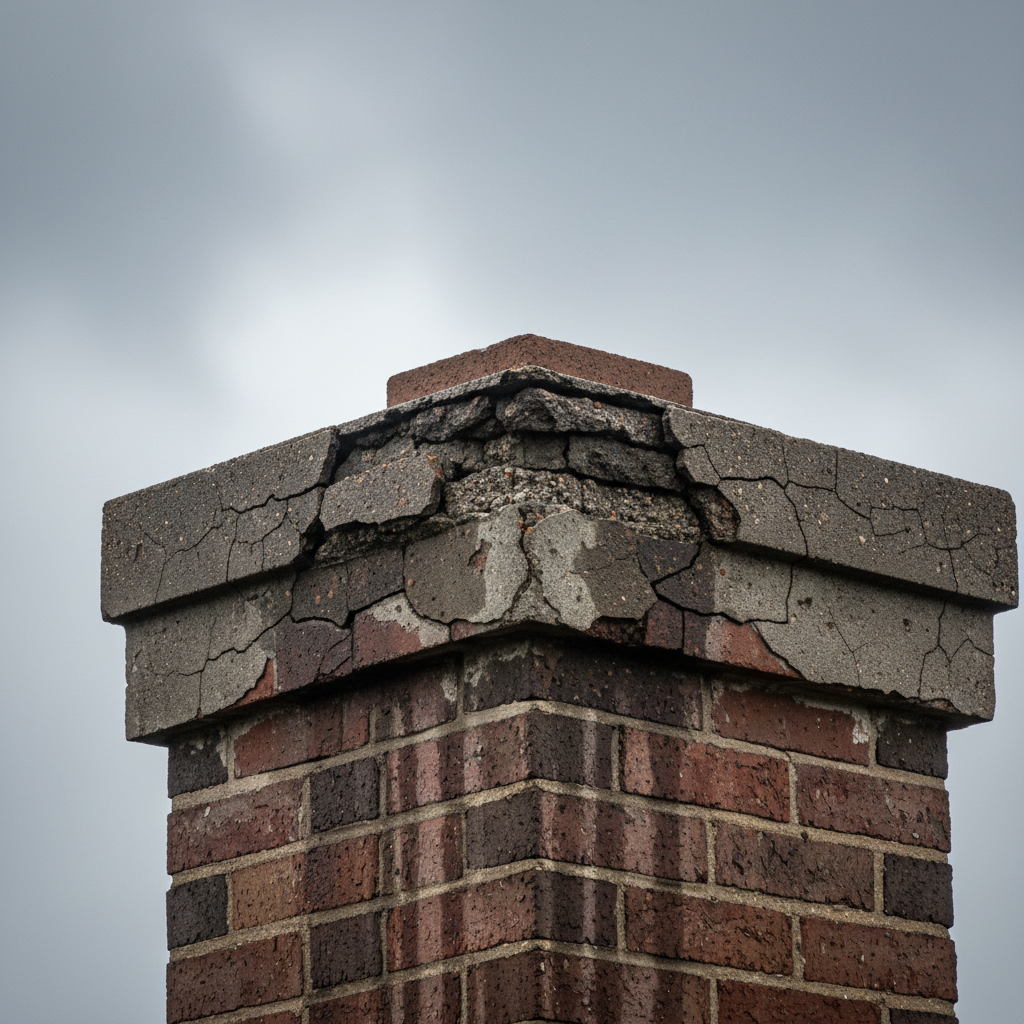
- Visible Cracks: Even hairline cracks can be problematic. Pay attention to cracks radiating from the flue opening or extending across the crown surface.
- Missing Chunks: Are there any pieces of concrete or mortar missing from the edges or surface of the crown?
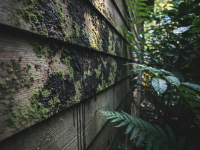
- Discoloration or Stains: Look for dark streaks or green growth (algae/moss) on the chimney masonry directly below the crown. These are strong indicators of water runoff and absorption due to crown damage.
- Flaking or Spalling: See if the surface of the crown appears to be peeling, flaking, or crumbling.
Closer Inspection (if safe)
If you have a safe way to access your roof (and feel comfortable doing so, otherwise hire a professional), a closer look can reveal more details. Always prioritize safety, using appropriate ladders and fall protection. Never climb on a wet or icy roof.
What to look for during a closer inspection:
- Hairline Fractures: These fine lines might seem insignificant but can be entry points for water.
- Spalling or Flaking Concrete: This indicates that water has penetrated the material and subjected it to freeze-thaw cycles, causing the surface to deteriorate.
- Missing Chunks: Larger pieces missing expose more of the chimney structure to the elements.
- Discoloration or Stains Below the Crown: These often signal that water is not properly shedding off the crown but rather running down the chimney face, indicating a problem with the drip edge or surface integrity.
Remember, when in doubt, it’s always best to consult with a certified chimney professional. They have the training, equipment, and expertise to perform a thorough and safe inspection.
Repairing a Cracked Chimney Crown: DIY vs. Professional Help
Once you’ve identified a chimney crown that’s cracked, the next step is repair. The approach depends heavily on the extent of the damage and your comfort level with heights and masonry work.
When DIY Might Be an Option
For very minor issues, a DIY repair might be feasible, but caution is paramount. This typically applies to:
- Hairline Cracks: Patching and Sealing: If the cracks are truly superficial and the crown is otherwise structurally sound, you might be able to clean them thoroughly and apply a specialized elastomeric crown sealant. These sealants are designed to bridge small cracks, prevent water penetration, and remain flexible with temperature changes. This is a temporary fix and should only be attempted if the crown’s base is solid and the cracks are not deep or widespread.
Before attempting any DIY work, ensure you have proper safety gear, a stable ladder, and a clear understanding of the product instructions. Always follow manufacturer guidelines for application and curing.
Why Professional Repair is Often Best
For anything more than a tiny, superficial crack, professional intervention is strongly recommended. Here’s why:
- Extensive Cracks and Damage: If the cracks are wide, deep, or cover a significant portion of the crown, or if chunks are missing, a simple sealant won’t suffice. These situations require specialized repair materials and techniques that ensure long-term stability.
- Safety Concerns: Working on a roof, especially at the height of a chimney, is inherently dangerous. Professionals are trained in safety protocols, possess specialized equipment, and are insured against accidents.
- Expertise and Specialized Materials: Chimney professionals understand the unique challenges of chimney crowns. They use high-quality, weather-resistant materials designed for extreme conditions, ensuring a durable repair. They also know how to properly prepare the surface and apply materials for optimal adhesion and longevity.
- Warranty and Long-Term Solutions: Reputable chimney repair companies offer warranties on their work, giving you peace of mind. They can also diagnose underlying issues that might have contributed to the cracking, providing a more permanent solution rather than just a patch.
Common Professional Repair Methods
Professionals employ various methods depending on the severity of the damage:
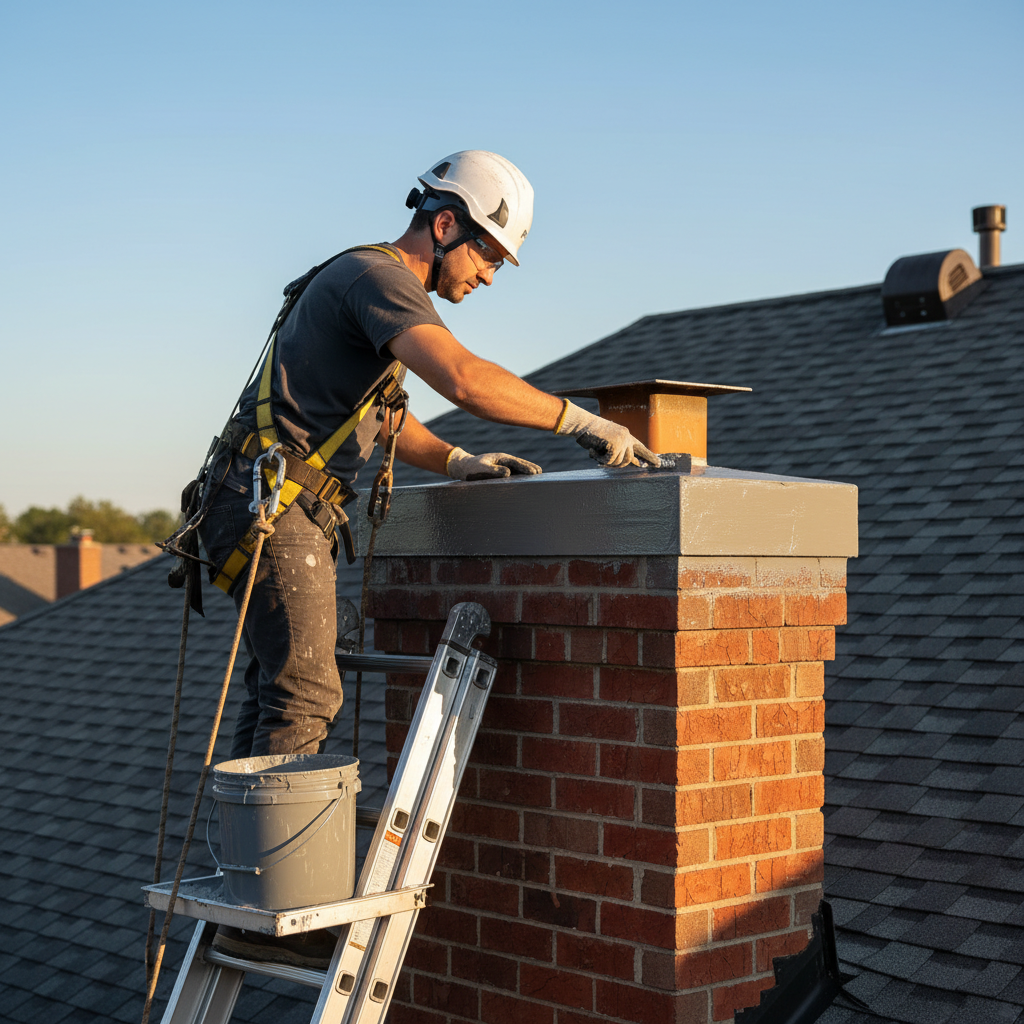
- Crown Resurfacing: For crowns with extensive hairline cracks or surface deterioration but still structurally sound, a crown coat or elastomeric sealant can be applied over the entire surface. This creates a new, waterproof, and flexible layer that protects the existing crown.
- Full Crown Replacement: If the chimney crown is severely deteriorated, broken into multiple pieces, or improperly constructed, a full replacement is often the best option. The old crown is completely removed, and a new one is custom-poured using high-strength, low-shrinkage concrete or pre-fabricated concrete slabs designed for chimney crowns. This ensures proper slope, overhang (drip edge), and durability.
- Installing a Chimney Cap (related but different): While not a crown repair, a chimney cap is often installed or replaced simultaneously with crown work. A chimney cap protects the flue opening from rain, snow, debris, and animals. Many caps also have spark arrestors. While the crown protects the entire top slab, the cap specifically protects the flue opening.
For further information on ensuring chimney safety, homeowners can refer to resources like HGTV’s Chimney Safety and Maintenance Tips, which often covers key aspects of chimney care, including structural integrity.
Preventing a Chimney Crown Cracked: Long-Term Maintenance
Prevention is always better (and cheaper) than repair. Proactive maintenance can significantly extend the life of your chimney crown and prevent future issues.
Regular Inspections
Schedule an annual chimney inspection by a certified professional. They can spot minor issues like hairline cracks or degraded sealant before they become major problems. Early detection is key to preventing extensive damage.
Proper Chimney Cap Installation
Ensure your chimney has a properly fitted chimney cap. While the crown protects the top slab, a cap protects the flue opening itself from direct rain and snow entry. Many caps also come with mesh sides that prevent birds, squirrels, and debris from entering the flue.
Applying Water Repellent Sealants
Every few years, consider having a professional apply a breathable, water-repellent sealant to your chimney masonry and crown. These products penetrate the surface, creating a barrier that repels water without trapping moisture within the bricks or concrete. This helps prevent efflorescence, spalling, and crack formation due to water saturation.
Addressing Minor Issues Promptly
Don’t put off small repairs. A minor hairline crack can quickly become a significant problem if ignored. As soon as you notice any signs of deterioration, have them assessed and addressed. This applies to both the crown and the surrounding masonry.
Using High-Quality Materials for Repairs/Replacements
If repairs or a full replacement are needed, insist on high-quality, purpose-designed materials. Specialized crown repair compounds and durable concrete mixes formulated for outdoor exposure will outlast generic mortar or standard concrete.
The Cost of Chimney Crown Repair or Replacement
Understanding the potential costs involved in repairing a chimney crown that’s cracked is crucial for budgeting and decision-making. These costs can vary widely based on several factors.
Factors Influencing Cost
- Severity of Damage: A minor surface crack requiring only a sealant application will be far less expensive than a crown that is crumbling and needs full replacement.
- Type of Repair: Resurfacing or patching is generally less costly than a complete tear-off and re-pouring of a new crown.
- Material Used: Specialized elastomeric sealants, high-strength concrete, or pre-cast crowns will have different price points.
- Accessibility: Chimneys that are very tall, difficult to access (e.g., on a steep roof pitch), or require extensive scaffolding will incur higher labor costs.
- Location: Labor rates for masonry and chimney services vary significantly by geographical region.
- Additional Damage: If water penetration from the cracked crown has led to damage to the flue liner, masonry below, or interior walls, these will add substantial costs to the overall repair bill.
Estimating Repair Costs
Generally, minor crack repairs using sealant might range from a few hundred dollars. Resurfacing an entire crown could cost anywhere from $500 to $1,500. A full chimney crown replacement, which involves removing the old crown and installing a new one, can typically range from $1,000 to $3,000 or more, depending on the chimney’s size, complexity, and materials chosen. These are rough estimates; always obtain multiple quotes from certified chimney professionals for an accurate assessment.
Investing in Longevity
While repair costs might seem significant, consider it an investment in the safety and longevity of your home. The cost of ignoring a cracked chimney crown almost always outweighs the cost of timely repair. Preventing water damage, structural issues, and potential fire hazards is paramount, and a well-maintained chimney crown is a fundamental part of that protection.
FAQs About Chimney Crown Damage
What is the difference between a chimney crown and a chimney cap?
The chimney crown is the large, solid slab of concrete or stone that forms the top surface of the entire chimney structure, designed to shed water away from the masonry. A chimney cap, on the other hand, is a cover that sits directly over the flue opening(s) on top of the crown, protecting the flue from rain, snow, debris, and animals. They serve complementary roles in protecting the chimney.
Can I ignore a small crack in my chimney crown?
It is never advisable to ignore even a small crack. Small cracks are entry points for water. With repeated freeze-thaw cycles, these cracks will expand and deepen, leading to more significant damage to the crown and the chimney structure below. Address minor cracks promptly to prevent costly future repairs.
How often should my chimney crown be inspected?
A certified chimney professional should inspect your entire chimney, including the crown, at least once a year. This annual inspection ensures early detection of any issues and allows for timely maintenance or repairs.
What materials are used for chimney crowns?
Traditionally, many older crowns were made from mortar mix. Modern, durable chimney crowns are typically constructed from high-strength, low-shrinkage concrete, often reinforced with wire mesh. Specialized elastomeric crown sealants and pre-cast concrete crowns are also used in repairs and replacements.
How long does a chimney crown last?
The lifespan of a chimney crown depends heavily on the quality of its construction, the materials used, and the severity of weather exposure. A well-constructed concrete crown can last 30-50 years or even longer with proper maintenance and periodic sealing. Crowns made from less durable materials or poorly constructed may show signs of damage within 10-20 years.
A chimney crown cracked is a serious issue that demands your attention. By understanding its purpose, recognizing the signs of damage, and taking proactive steps for repair and maintenance, you can protect your chimney, your home, and your family for years to come. Don’t let a small crack turn into a structural nightmare—act swiftly and wisely to ensure the integrity of this vital home component.