Understanding Why Your Chimney Leaks During Storms
Your chimney is a complex structure designed to safely vent smoke and gases from your fireplace or heating appliance. Perched atop your roof, it’s also constantly exposed to the elements, making it highly susceptible to wear and tear. When the rain starts pouring and you notice water ingress, it’s crucial to identify the specific point of failure.
The Anatomy of a Chimney and Vulnerable Points
To pinpoint a leak, it helps to understand the key components of a chimney and where they typically fail:

- Chimney Cap: Sits at the very top, protecting the flue from rain, debris, and animals.
- Chimney Crown: A concrete or metal slab capping the chimney, sloping outwards to direct water away from the flue opening and masonry.
- Flue Liner: The inner conduit (clay, metal, or ceramic) that gases pass through.
- Masonry (Bricks and Mortar): The main structure of the chimney.
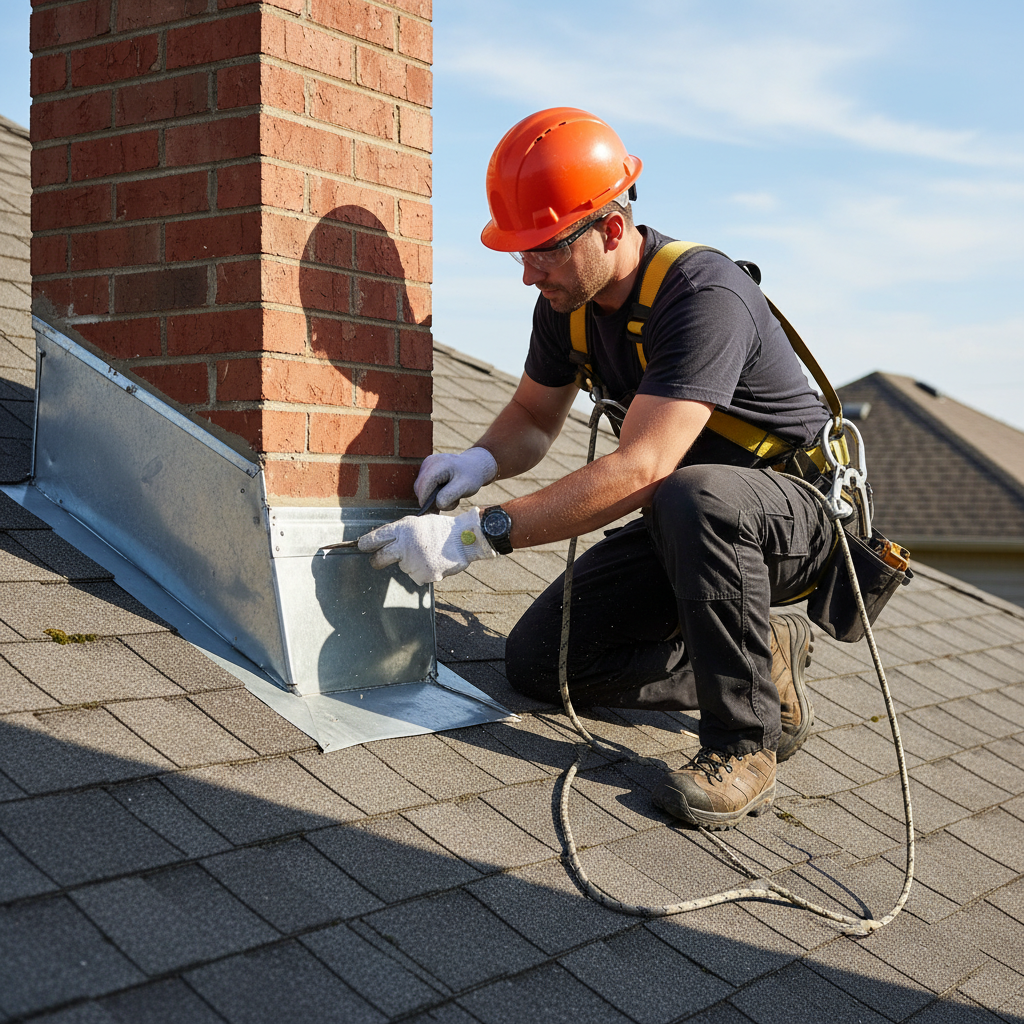
- Flashing: Metal strips (usually aluminum or copper) that seal the joint where the chimney meets the roof, preventing water from penetrating this critical intersection.
- Soffit and Fascia: Components of the roof’s edge, often affected by leaks that originate higher up.
Common Culprits: What Causes Chimney Leaks?
Several factors can contribute to your chimney’s inability to withstand a storm. Identifying the specific cause is key to effective repair.
Damaged Chimney Cap or Crown
The chimney cap and crown are your chimney’s first line of defense against the elements. A damaged or missing chimney cap allows rain to fall directly into the flue. A cracked or improperly constructed chimney crown, on the other hand, permits water to seep into the masonry below the crown, leading to extensive water damage over time. hairline cracks in the crown, even tiny ones, can become major entry points for water during heavy rains, slowly eroding the structure and allowing moisture to penetrate deeper into the chimney system.
Faulty Flashing
Flashing is arguably the most common cause of a chimney leaking during storms. This critical waterproof seal where the chimney meets the roofline is made of metal sections designed to overlap, much like shingles, to shed water. Over time, flashing can corrode, lift, crack, or become improperly sealed due to poor installation, house settling, or extreme weather conditions. If the flashing is compromised, water will inevitably find its way into your attic or down your walls around the chimney chase. Even a small gap or a loose nail in the flashing can be enough to allow significant water intrusion, especially when driven by strong winds.
Deteriorated Masonry and Mortar Joints (Tuckpointing)
Bricks and mortar, while robust, are porous materials. Constant exposure to rain, snow, and freeze-thaw cycles can cause mortar joints to erode and bricks to crack or spall (flaking of the brick face). When mortar joints deteriorate, they create pathways for water to seep into the chimney structure. This issue often requires “tuckpointing,” a process where old, damaged mortar is removed and replaced with fresh mortar. Bricks themselves can also absorb water, and if their protective glaze wears off or they develop cracks, they become sponges, slowly allowing moisture to penetrate to the interior.
Cracked Chimney Liner
While less common as a direct cause of external leaks, a cracked chimney liner can sometimes manifest as a leak, especially if it’s a metal liner that has rusted through, or a clay liner that has significant breaches. Water can enter through these cracks and travel down the flue, potentially exiting at an unexpected point within the chimney structure. Moreover, if the liner is damaged, it compromises the safety of your chimney system, making it a fire hazard.
Condensation Issues
Sometimes, what appears to be a leak is actually condensation. This often occurs in chimneys that are not adequately insulated or when exhaust from high-efficiency appliances is vented through an unlined or oversized flue. The warm, moist air cools rapidly, causing water vapor to condense on the interior surfaces of the chimney. While distinct from rain leaks, condensation can cause similar water stains and can exacerbate existing masonry problems by introducing excess moisture into the chimney structure.
Improperly Sealed Venting
If other appliances (like water heaters or furnaces) vent through your chimney, their connections can sometimes be sources of leaks if not properly sealed or maintained. Water can enter around the thimble or connections, especially if the chimney has settlement issues or if the seals have degraded over time. Ensuring that all venting connections are snug and sealed is part of a comprehensive chimney inspection.
The Dangers of Neglecting a Leaky Chimney
A leak, no matter how small, is a warning sign that should never be ignored. The consequences of neglecting a chimney that’s leaking during storms can range from annoying to catastrophic.
Structural Damage
Water is a formidable enemy to home structures. Constant moisture can weaken the chimney’s masonry, leading to spalling bricks, crumbling mortar, and eventually, the structural failure of the chimney stack itself. This could necessitate a complete rebuild, which is a significant and costly undertaking. Beyond the chimney, water can degrade the wooden framing in your attic, ceiling joists, and roof trusses, compromising the overall integrity of your home.
Interior Damage (Ceilings, Walls, Attics)
The most visible signs of a leak are usually water stains on your ceilings and walls, often appearing as yellow or brown discoloration. Plaster can bubble and peel, paint can blister, and drywall can soften and sag. In the attic, insulation can become saturated and lose its R-value, making it ineffective and increasing your energy bills. Personal belongings stored in the attic can also be ruined by moisture.
Mold and Mildew Growth
Wherever there is persistent moisture, mold and mildew will thrive. These fungi not only create an unpleasant musty odor but can also pose serious health risks, triggering allergies, asthma attacks, and other respiratory issues. Mold can quickly spread from the attic to other parts of your home, requiring professional remediation that can be expensive and disruptive.
Fire Hazards
A compromised chimney system is a dangerous one. If water penetrates the flue liner, it can cause deterioration, creating pathways for heat and sparks to escape into combustible materials within the walls. Moisture can also rust metal liners or components, further weakening the system and increasing the risk of a chimney fire. Additionally, if the leak is severe, water can enter the firebox itself, creating a mess and damaging your fireplace.
Reduced Home Value
A history of unresolved water damage, especially from a chimney leak, can significantly reduce your home’s market value. Potential buyers are often wary of homes with known water issues, as they signal underlying problems and potential future costs. Addressing leaks promptly and professionally is essential for maintaining your property’s value.
DIY Inspection: What You Can Safely Check
Before calling in the professionals, there are several things you can safely check yourself to help narrow down the source of the leak.
Safety First: Precautions Before You Start
Never attempt to climb onto your roof if you are uncomfortable with heights, lack proper safety equipment, or if the roof is wet, icy, or excessively steep. Always prioritize your safety. If you have any doubts, observe from the ground with binoculars or call a professional.
Exterior Check (from the ground or using binoculars)
- Chimney Cap Condition: Look for missing caps, rust, or visible damage. A missing cap is an obvious entry point for rain.
- Visible Cracks in Masonry: Scan the entire chimney stack for cracks in the bricks, especially large, visible ones. Pay attention to the top few courses of brick and below the crown.
- Chimney Crown Integrity: Look for cracks, chips, or deterioration in the concrete slab at the top of the chimney.
- Flashing Integrity: This is often the trickiest to assess from the ground. Look for any lifting, gaps, rust, or missing sections where the chimney meets the roof. Even small areas of compromised flashing can allow water to seep in.
Interior Check (Attic, Ceiling around fireplace)
- Water Stains: The most obvious sign. Look for yellow, brown, or dark stains on the ceiling directly below or near the chimney.
- Damp Spots: Feel for dampness on drywall, plaster, or wooden surfaces around the chimney chase in the attic or inside the home.
- Mold: Look and smell for signs of mold or mildew, which often present as dark spots or a musty odor.
- Insulation Condition: Check attic insulation around the chimney for signs of saturation or compaction, indicating long-term moisture exposure.
Professional Solutions for a Leaking Chimney
While DIY inspection can help identify potential issues, repairing a chimney leak often requires the expertise and specialized tools of a professional chimney sweep or roofer. Here are the common professional solutions:
Chimney Cap Replacement or Repair
If the chimney cap is damaged or missing, a professional will recommend replacing it with a durable, properly sized cap. Stainless steel or copper caps are generally preferred for their longevity and resistance to rust. A full-coverage cap that extends over the crown offers superior protection.
Flashing Repair or Replacement
Repairing or replacing flashing is a precise job. Professionals use step flashing and counter flashing, correctly woven into the roof shingles and sealed to the chimney masonry. They’ll ensure that all seams are properly sealed with a high-quality sealant designed for exterior use. Sometimes, only a small section needs repair, while other times, a complete re-flashing might be necessary, especially if the original installation was subpar or if significant rust or damage is present.
Tuckpointing and Masonry Repair
For deteriorating mortar joints, tuckpointing is the standard solution. Old, damaged mortar is carefully removed, and new mortar is applied, matching the original color and texture as closely as possible. This process not only fixes the leak but also restores the structural integrity and aesthetic appeal of the chimney. Cracked or spalled bricks will also be replaced during this process.
Chimney Crown Repair or Rebuild
Small cracks in a concrete crown can sometimes be repaired with a flexible sealant specifically designed for chimney crowns. However, if the crown is severely cracked, crumbling, or improperly constructed, a full rebuild might be necessary. A properly built crown should have an overhang (drip edge) to direct water away from the masonry below.
Waterproofing the Chimney
Once masonry repairs are complete, a professional might recommend applying a waterproofing sealant to the entire chimney stack. Unlike paint, these sealants are vapor-permeable, meaning they allow the chimney to breathe while preventing water from penetrating. This helps to protect the masonry from future water absorption and extends the life of the chimney. For more information on protecting your home’s exterior from water, you might find resources on home maintenance from sites like HGTV’s home maintenance checklists helpful for comprehensive upkeep.
Liner Repair or Replacement
If the flue liner is the source of the leak, it must be addressed promptly due to safety concerns. Clay tile liners can sometimes be repaired with specialized coating systems, but often, a damaged liner will require replacement with a new stainless steel liner. This is a complex job that should only be performed by certified professionals.
Addressing Condensation (if applicable)
If condensation is the root cause, solutions might include installing an insulated stainless steel liner, ensuring proper ventilation, or addressing appliance efficiency issues. This often involves working with an HVAC technician in conjunction with a chimney professional.
Preventing Future Chimney Leaks
Proactive maintenance is key to preventing your chimney from leaking during storms. A little prevention can save you a lot of money and headaches down the road.
Regular Professional Inspections and Cleaning
The Chimney Safety Institute of America (CSIA) recommends annual chimney inspections. A certified chimney sweep can identify minor issues like hairline cracks, deteriorating mortar, or compromised flashing before they escalate into major leaks. Regular cleaning also ensures that creosote buildup, which can hold moisture and exacerbate damage, is removed.
Invest in Quality Materials
When repairs are needed, opt for high-quality materials. For instance, stainless steel or copper chimney caps and flashing will last significantly longer than cheaper alternatives. Using proper mortar and sealants designed for chimney applications is also crucial for long-term durability.
Proactive Maintenance: Sealing and Waterproofing
Consider applying a breathable waterproofing sealant to your chimney masonry every few years, especially if you live in an area prone to harsh weather. This adds an extra layer of protection against water absorption without trapping moisture inside the brickwork.
Ensuring Proper Drainage Around the Chimney Base
Ensure that your gutters are clean and properly direct rainwater away from the roof and chimney. If water pools around the chimney base on the roof, it increases the likelihood of flashing failure. Regular roof maintenance, including cleaning debris from valleys and around roof penetrations, helps ensure proper water flow.
When to Call a Professional Chimney Sweep or Roofer
While a DIY inspection can give you clues, most chimney leak repairs are best left to professionals.
The Limits of DIY
Many chimney repairs, especially those involving flashing, masonry, or flue liners, require specialized skills, tools, and knowledge. Improper DIY repairs can often worsen the problem, lead to more expensive fixes, or even create safety hazards.
The Value of Expertise and Specialized Tools
Certified chimney sweeps and experienced roofers have the training to accurately diagnose the source of a leak, which can sometimes be difficult to pinpoint. They also have the necessary safety equipment, ladders, scaffolding, and tools to perform repairs safely and effectively. Their expertise ensures that repairs are done correctly, adhering to building codes and industry best practices.
Safety Concerns
Working on a roof, especially at heights, carries significant risks. Professionals are trained in fall protection and other safety protocols, minimizing the danger associated with working on your chimney.
Getting Multiple Quotes
When seeking professional help, it’s a good practice to obtain quotes from at least two or three reputable companies. Ensure they are licensed, insured, and can provide references. A detailed estimate should outline the scope of work, materials to be used, and the total cost.
Frequently Asked Questions About Chimney Leaks
Q: Can I ignore a small chimney leak?
A: Absolutely not. Even a small leak can lead to significant and expensive damage over time, including structural decay, mold growth, and interior damage. Water damage accumulates, so addressing it quickly is always the best approach.
Q: How much does it cost to fix a leaky chimney?
A: The cost varies widely depending on the cause and extent of the damage. Simple repairs like replacing a chimney cap might be a few hundred dollars, while complex issues like full re-flashing, extensive tuckpointing, or a crown rebuild can run into thousands. Get detailed quotes from professionals.
Q: Is a chimney leak covered by homeowner’s insurance?
A: Typically, sudden and accidental damage (like a storm damaging your chimney or flashing) might be covered. However, damage resulting from neglect, poor maintenance, or slow leaks over time is usually not covered. It’s essential to check your specific policy and contact your insurance provider as soon as you notice a leak.
Q: How often should I have my chimney inspected?
A: The Chimney Safety Institute of America (CSIA) recommends having your chimney inspected annually, regardless of how often you use it. This helps catch minor issues before they become major problems and ensures the chimney’s safe operation.
Q: What’s the difference between flashing and a chimney cap?
A: The chimney cap is the cover at the very top of your chimney, protecting the flue from rain, debris, and animals. Flashing, on the other hand, is the metal waterproofing system that seals the intersection where the chimney meets your roof, preventing water from entering your home at that vulnerable joint.
Conclusion: Protecting Your Home from Storm Damage
A chimney leaking during storms is a problem that demands immediate attention. From the top of the chimney cap to the crucial flashing at the roofline, every component plays a vital role in keeping your home dry and safe. While an initial DIY check can offer clues, the complexity and potential dangers of chimney repairs necessitate professional expertise for a lasting solution. Investing in regular inspections and prompt repairs not only protects your property from costly water damage, mold, and structural issues but also ensures the safe and efficient operation of your fireplace or heating system. Don’t let a drip turn into a flood; take action today to safeguard your home against the elements.