Designing a small living room can feel like a daunting task, but with the right approach, it can become a cozy, functional, and stylish sanctuary. This comprehensive guide will explore numerous home design ideas for small living rooms simple enough for anyone to implement, transforming your compact space into an area that feels larger, brighter, and perfectly tailored to your lifestyle. We’ll delve into smart furniture choices, clever lighting techniques, decluttering strategies, and more, all aimed at helping you make the most of every square foot without sacrificing aesthetic appeal.
The Philosophy of Simple Small Space Design
Before diving into specific design tips, it’s crucial to understand the core philosophy behind designing small living spaces: simplicity and functionality. Every item in a small room should serve a purpose, and ideally, more than one. Overcrowding, excessive ornamentation, and heavy furniture are the nemeses of a small living room. Instead, focus on clean lines, light colors, and strategic placement to create an illusion of openness and airiness. Embrace the “less is more” mantra, allowing essential pieces to shine rather than competing for attention.
Smart Furniture Choices for Compact Living Rooms
The furniture you select is arguably the most critical aspect of small living room design. Choosing the wrong pieces can make a room feel cramped, while intelligent selections can open it up dramatically.
Multifunctional Marvels
In a small living room, furniture that performs multiple duties is your best friend. This is a cornerstone of effective small space living.
- Ottomans with Storage: These are incredibly versatile. They can serve as a footrest, extra seating, or even a coffee table (with a tray on top), all while hiding away blankets, magazines, or remote controls.
- Sofa Beds or Daybeds: Perfect for accommodating overnight guests without dedicating an entire room. Modern sofa beds are surprisingly comfortable and stylish.
- Nesting Tables: A set of two or three tables that tuck neatly into each other is ideal. Pull them out when you need extra surface area for drinks or snacks, and push them back to reclaim floor space.
- Console Tables: A narrow console table behind a sofa can act as a display surface, a mini-desk, or even a small dining area if paired with stools.
Scale Matters: Right-Sized Seating
Resist the urge to buy oversized furniture, no matter how comfortable it looks in the showroom. Always measure your space and the furniture carefully.
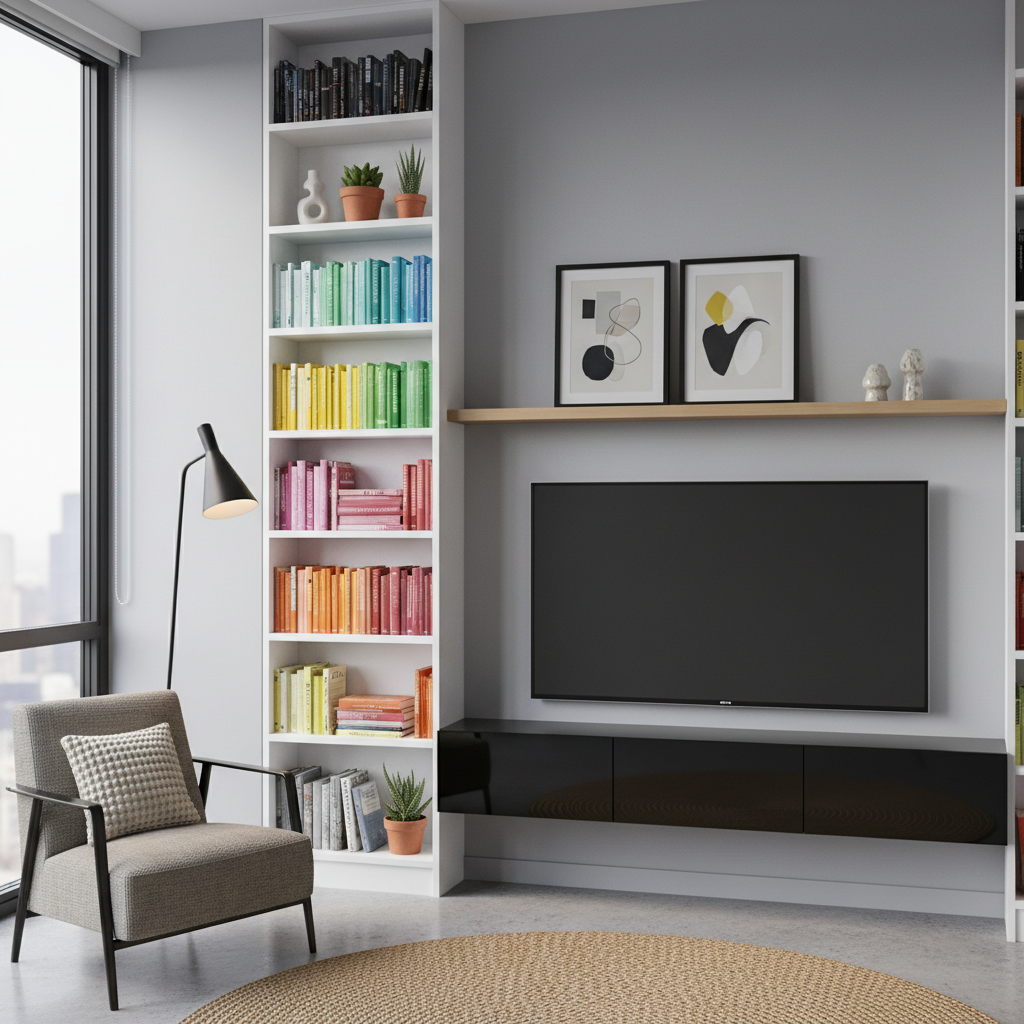
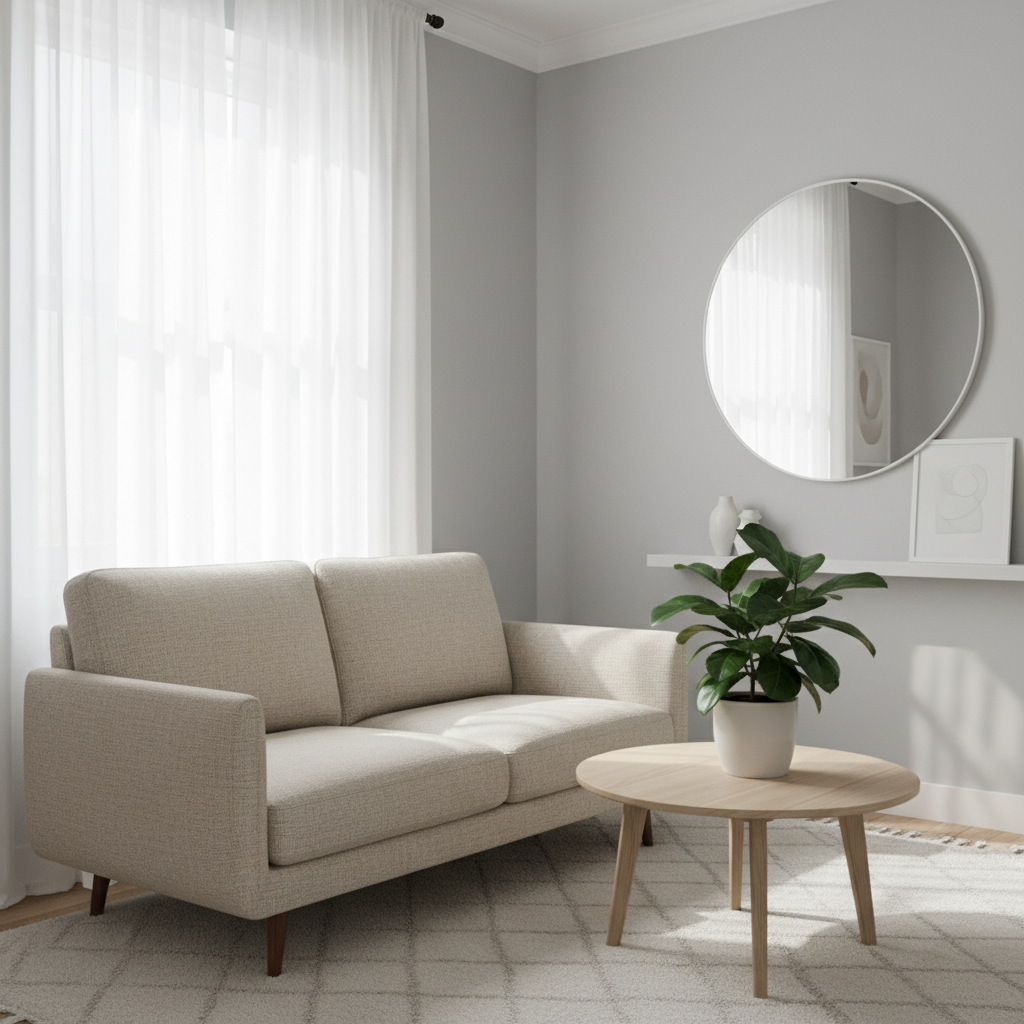
- Apartment Sofas or Loveseats: These are specifically designed for smaller footprints. Look for models with slim arms and elevated legs, which allow more floor space to be visible, making the room feel larger.
- Armless Chairs: Armchairs take up significant visual and physical space. Consider armless accent chairs, poufs, or small benches for flexible additional seating.
- Floating Furniture: Furniture with exposed legs, rather than solid bases, creates an airy feel by allowing light to pass underneath and revealing more of the floor.
Vertical Solutions: Shelving and Storage
When floor space is limited, look up! Utilizing vertical space is a game-changer for small living rooms.
- Wall-Mounted Shelves: Floating shelves are excellent for displaying decor, books, or even housing a small entertainment setup without taking up floor space.
- Tall, Narrow Bookcases: A slim, tall bookcase can offer substantial storage for books and decorative items, drawing the eye upward and emphasizing the room’s height.
- Built-in Storage: If your budget and space allow, custom built-ins around a window or fireplace can provide seamless storage and a polished look.
Mastering Color and Light to Expand Your Space
Color and light are powerful tools in interior design, especially when you’re aiming to make a small space feel larger and more inviting.
The Power of Light Hues
Light colors reflect light, making a room feel more open and airy. This is one of the most effective simple small living room design ideas.
- Walls: Opt for whites, off-whites, light grays, pale blues, or soft greens. These colors create an expansive backdrop.
- Ceilings: Painting the ceiling the same light color as the walls (or an even lighter shade) can blur the visual boundary between wall and ceiling, making the room appear taller.
- Large Furniture: Choose lighter upholstery for your sofa or other large pieces. A dark, heavy sofa can visually dominate and shrink a small room.
- Monochromatic Schemes: Using different shades of the same light color throughout the room (walls, furniture, accessories) creates a cohesive, flowing look that prevents visual clutter and makes the space feel larger.
Strategic Lighting for Ambiance and Illusion
Good lighting can dramatically alter the perception of space and create a welcoming atmosphere.
- Layered Lighting: Don’t rely solely on overhead lighting. Incorporate ambient (general), task (for reading), and accent (to highlight art) lighting.
- Floor Lamps with Slim Profiles: Choose lamps with a slender base and a simple shade to provide ample light without occupying too much visual space.
- Wall Sconces: These save floor and table space while providing excellent ambient or accent lighting.
- Natural Light: Maximize natural light by keeping windows unobstructed. Use sheer curtains or blinds that can be easily pulled back during the day.
Mirrors: Your Best Friend in Small Spaces
Mirrors are a classic trick for making a room feel larger and brighter.
- Strategic Placement: Place a large mirror opposite a window to reflect natural light and the view, effectively doubling the perceived size of the room.
- Gallery Walls: Integrate mirrors of various shapes and sizes into a gallery wall to add visual interest and reflect light.
- Mirrored Furniture: A small mirrored coffee table or accent table can add a touch of glamour while reflecting light and blending seamlessly into the background.
Decluttering and Organization: The Cornerstone of Simplicity
A small living room cannot afford to be messy. Clutter instantly shrinks a space and creates a feeling of chaos. Effective organization is fundamental to simple small living room design ideas.
Embrace the “Less is More” Mantra
Regularly purge items you don’t need or love. Every item should earn its place in a small living room. This often involves a commitment to a minimalist mindset.
- One In, One Out Rule: When you buy something new, commit to getting rid of something old.
- Vertical Decluttering: Instead of piling things on surfaces, think about how to store them vertically or in enclosed cabinets.
Smart Storage Solutions
Integrate storage seamlessly into your design.
- Hidden Storage: Look for storage within furniture pieces like ottomans, coffee tables, or benches.
- Baskets and Bins: Use attractive baskets or decorative bins to corral items like toys, remotes, or magazines. Place them on shelves or under console tables.
- Drawer Dividers: Keep drawers organized to prevent them from becoming “junk drawers.”
- Digital Decluttering: Consider digital photo frames instead of multiple framed photos, or e-readers instead of stacks of books.
For more insights on maintaining an organized home, consider exploring resources like Good Housekeeping’s tips on home organization, which often provide practical advice for keeping living areas tidy and functional.
Clever Layouts and Traffic Flow
How you arrange your furniture significantly impacts how a small living room feels and functions. A well-thought-out layout can make all the difference.
Zoning for Functionality
Even in a small room, you can create distinct zones for different activities.
- Conversation Zone: Arrange your main seating (sofa, chairs) to face each other, fostering conversation.
- Reading Nook: A comfortable armchair with a floor lamp and a small side table can define a cozy reading area.
- Work Zone: If necessary, a small desk or a section of a console table can serve as a compact workspace.
Keeping Pathways Clear
Ensure there’s a clear, unobstructed path through the room. This prevents a cramped feeling and makes the space more navigable.
- Float Furniture: Pull furniture slightly away from the walls to create a sense of depth and allow for easier cleaning.
- Round Furniture: Consider a round coffee table instead of a rectangular one; it allows for easier movement around it and softens the room’s lines.
Personal Touches and Decor Without Overwhelming
A small living room should still reflect your personality, but it requires a curated approach to decor.
Thoughtful Art and Accessories
Choose quality over quantity.
- Large-Scale Art: A single, large piece of art can make a bigger impact and feel less cluttered than several small pieces. It draws the eye and defines the space.
- Curated Collections: Display a few cherished items rather than an overwhelming collection. Use a tray or a pedestal to group small items, making them appear more intentional.
- Texture Play: Introduce texture through pillows, throws, rugs, or natural materials to add depth and interest without adding visual bulk.
Bringing Nature Indoors
Plants add life, color, and freshness to any room, and small spaces are no exception.
- Vertical Greenery: Hang planters or use tall, narrow plant stands.
- Low-Maintenance Plants: Choose plants that thrive in your home’s light conditions and don’t require constant attention.
Advanced Tips for Ultra-Small Living Rooms
When every inch counts, these strategies can help squeeze out maximum utility and style.
Floating Furniture
Beyond sofas with exposed legs, consider truly floating items. Wall-mounted TV consoles, floating desks, and even built-in benches can free up crucial floor space and create an incredibly modern, minimalist look. This approach is highly effective for maintaining clear sightlines and contributing to an open feel, making these some of the most innovative home design ideas for small living rooms simple to integrate visually.
Built-in Solutions
Custom built-in shelving, seating, or entertainment units can be transformative. They maximize storage and functionality by fitting perfectly into awkward nooks and crannies. While more of an investment, built-ins offer a sleek, integrated look that no freestanding furniture can replicate, making a small room feel custom-designed and effortlessly organized.
FAQs about Small Living Room Design
Q: How do I make a small living room look bigger?
A: Focus on light colors for walls and large furniture, maximize natural light, use mirrors strategically, choose furniture with slim profiles and exposed legs, and prioritize decluttering and vertical storage. A monochromatic color scheme also helps create a cohesive, expansive feel.
Q: What kind of furniture is best for a small living room?
A: Opt for multifunctional furniture like storage ottomans or sofa beds. Choose smaller-scale pieces, such as apartment sofas or armless chairs. Furniture with exposed legs is preferable to solid bases as it allows light to pass underneath, making the room feel airier.
Q: Should I use dark colors in a small living room?
A: Generally, it’s best to use light and neutral colors for walls and larger furniture in small living rooms to maximize light and create an expansive feel. However, you can incorporate dark colors as accents through pillows, throws, or a single piece of art to add depth and personality without overwhelming the space.
Q: How can I add personality to a small living room without making it feel cluttered?
A: Be selective with your decor. Choose one large piece of art instead of many small ones, curate collections of cherished items on a tray, and introduce texture through textiles. Plants add life without taking up much visual space. Avoid excessive knick-knacks and prioritize functionality.
Q: What are common mistakes to avoid in small living room design?
A: Avoid oversized furniture, neglecting vertical space, overcrowding the room with too many accessories, blocking natural light sources, and neglecting proper organization. Clutter is the enemy of a small space, so always aim for simplicity and clear pathways.
Conclusion
Designing a small living room doesn’t have to be a compromise. By thoughtfully applying these home design ideas for small living rooms simple yet effective strategies, you can create a space that is not only highly functional and comfortable but also radiates style and feels surprisingly spacious. Embrace light, smart furniture, vertical solutions, and a commitment to decluttering, and you’ll unlock the full potential of your compact living area, turning it into a beautiful and inviting heart of your home.