Understanding Your Space: The Foundation of Small Apartment Design
Before diving into decor, the first step for any beginner is to truly understand the dimensions and potential of your small apartment. This foundational work will inform every design decision you make.
Measure Twice, Design Once
Grab a measuring tape! Knowing the exact dimensions of your rooms, walls, windows, and doorways is crucial. This prevents costly mistakes like buying furniture that’s too large or realizing a piece won’t fit through your door. Sketch out a basic floor plan on paper or use a simple online tool. Mark where outlets, radiators, and built-in features are located.
Define Functional Zones
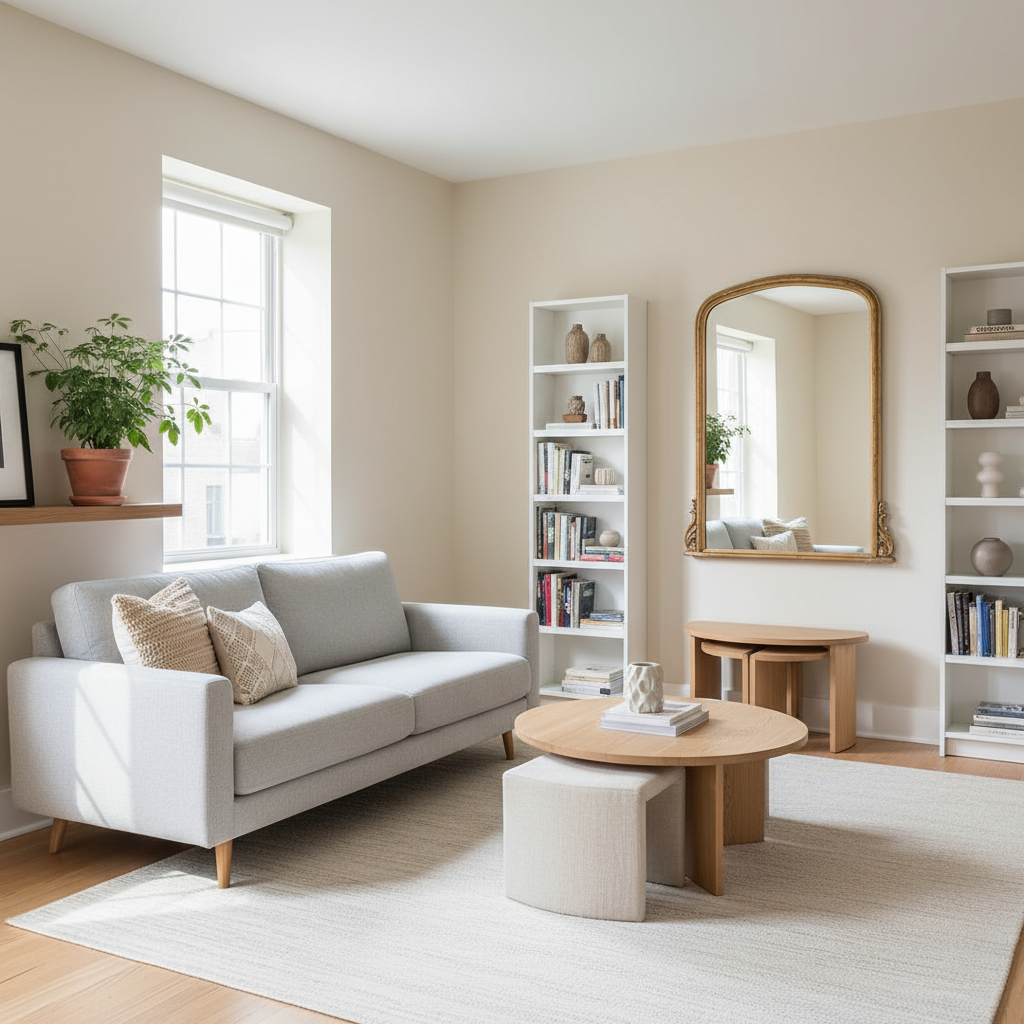
Even in a studio or a one-bedroom apartment, defining distinct functional zones can make the space feel more organized and larger. Think about your daily activities: where do you sleep, eat, work, and relax? Use rugs, shelving units, or even a strategically placed console table to delineate these areas without needing walls.
The Art of Decluttering: A Fresh Start
Clutter is the enemy of small spaces. Before you bring anything new in, take time to declutter. Be ruthless! If you haven’t used it in a year, or if it doesn’t serve a purpose or bring you joy, it’s time to let it go. A streamlined space immediately feels more open and less overwhelming. This step is not just about aesthetics; it’s about creating a calm environment. For more tips on organizing your living space, explore articles on effective home organization strategies.
Maximizing Every Inch: Smart Layouts and Furniture Choices
The key to successful small apartment design lies in intelligent furniture selection and placement.
Multi-Functional Marvels
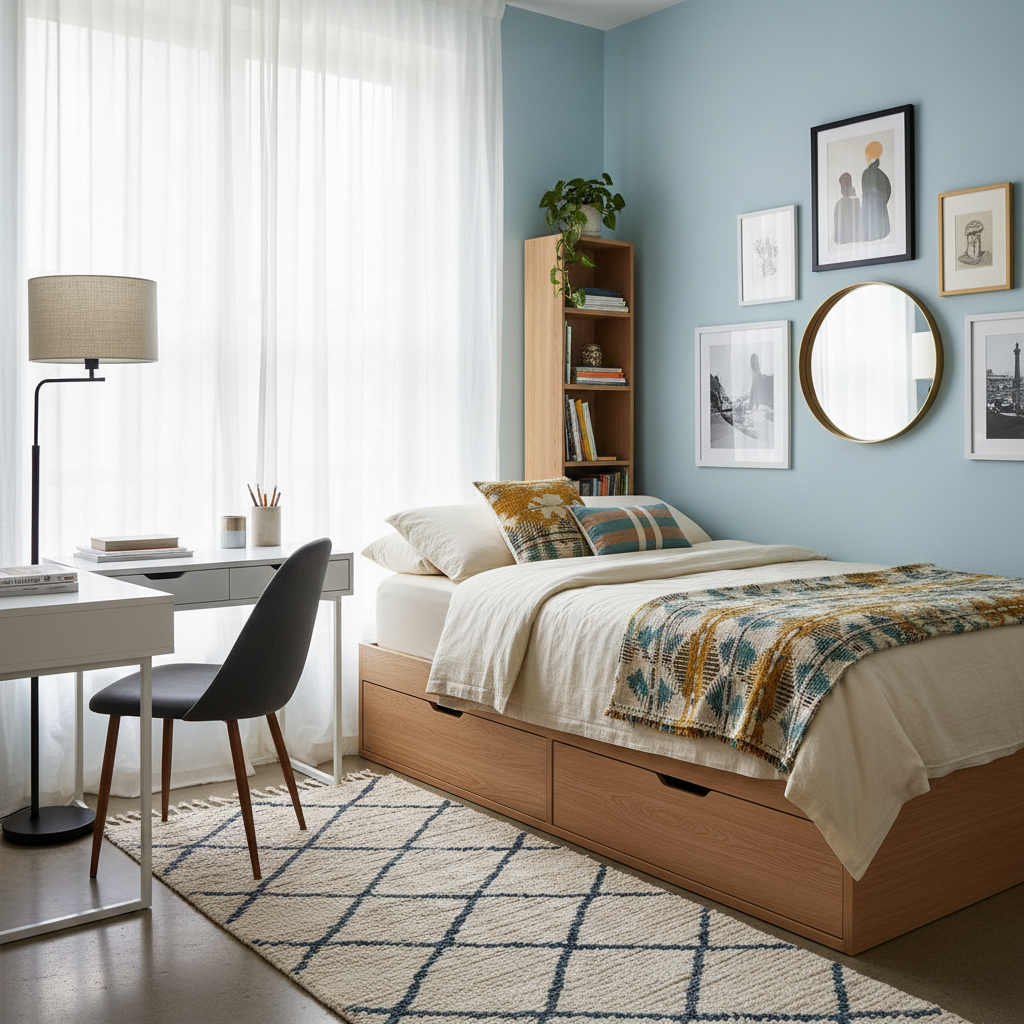
In a small apartment, every piece of furniture should ideally pull double duty. This is where multi-functional items shine:
- Sofa Beds or Daybeds: Perfect for studios or guest-friendly living rooms.
- Ottomans with Storage: A footrest, extra seating, and a place to hide blankets or magazines.
- Nesting Tables: Use them separately when entertaining, stack them away to save space.
- Drop-Leaf or Extendable Tables: Expand for meals, fold down for everyday use.
- Storage Benches: Ideal for entryways, offering a place to sit and store shoes.
Embrace Vertical Space
When floor space is limited, look up! Vertical space is often overlooked but offers immense storage and display potential.
- Tall, Narrow Bookcases: Store books, decor, and even dishes.
- Wall-Mounted Shelves: Free up floor space and display art or plants.
- Floating Desks: Create a workspace without a bulky desk footprint.
- Over-the-Door Organizers: Utilize the back of doors for shoes, cleaning supplies, or pantry items.
Strategic Furniture Placement
How you arrange your furniture can drastically impact the feel of your apartment.
- Keep Pathways Clear: Ensure there’s an unobstructed path through the room to avoid a cramped feeling.
- Don’t Push Everything Against Walls: While counter-intuitive, pulling a sofa or chair a few inches away from the wall can create a sense of airiness.
- Use Furniture to Define Zones: A bookshelf can act as a room divider, separating a sleeping area from a living space in a studio.
- Consider Leggy Furniture: Pieces with exposed legs (sofas, tables) allow light to pass through and create a less heavy, more open feel than solid, skirted furniture.
Illusion of Grandeur: Color, Lighting, and Mirrors
Clever use of color, light, and reflective surfaces can trick the eye into perceiving more space than there actually is.
Light and Bright Color Palettes
Light colors reflect light, making a room feel larger and more open. White, pale grays, creams, and soft pastels are excellent choices for walls. You don’t have to stick to just one; a monochromatic scheme with varying textures can add depth without making the space feel busy. For larger furniture pieces like sofas, consider neutral tones that blend into the background rather than stand out. This doesn’t mean no color at all; you can introduce vibrant hues through accent pillows, throws, or artwork.
Strategic Lighting is Key
Layered lighting is essential for any space, but especially small ones. Avoid relying on a single overhead light, which can cast harsh shadows and make a room feel flat.
- Natural Light: Maximize natural light by using sheer curtains or blinds that can be pulled back fully. Keep windows clean.
- Ambient Lighting: Soft, overall illumination from floor lamps or wall sconces.
- Task Lighting: Focused light for reading or working, like a desk lamp or a floor lamp with an adjustable arm.
- Accent Lighting: Highlight artwork or architectural features with spotlights to add depth and interest.
Dimmers are also a fantastic investment, allowing you to control the mood and intensity of your lighting.
Mirror Magic
Mirrors are a small apartment’s best friend. When strategically placed, they can:
- Reflect Light: Place a large mirror opposite a window to bounce natural light around the room.
- Create Depth: A mirror on a wall can create the illusion of another room beyond, expanding the visual space.
- Serve as Art: Ornate or uniquely framed mirrors can act as decorative pieces themselves.
Consider a large floor-length mirror or a gallery wall featuring several smaller mirrors.
Personalizing Your Pad: Decor & Accessories on a Budget
Your apartment should reflect your personality. You can achieve this with thoughtful decor, even on a beginner’s budget.
Art and Wall Decor
Don’t be afraid to go big! A single large piece of art can make a statement and actually make a room feel grander than many small pieces. Alternatively, a curated gallery wall can add personality. Consider digital prints you can frame yourself, or even DIY abstract art for a personal touch. Ensure wall decor isn’t too low, which can visually compress the room.
Textiles for Texture and Warmth
Rugs, throws, and cushions add warmth, texture, and pops of color without taking up precious floor space. A large area rug can anchor a living area and define a zone. Choose textures that invite touch – a chunky knit throw, velvet cushions, or a woven rug. These elements make a space feel more inviting and cozy.
Bringing Nature Indoors with Greenery
Plants add life, color, and a sense of freshness to any space. Even small apartments can accommodate plants:
- Trailing Plants: On high shelves or hanging from the ceiling.
- Small Potted Plants: On windowsills, desks, or bedside tables.
- Large Statement Plant: If you have a corner that can accommodate it, a single large plant can make a dramatic impact.
Choose low-maintenance plants if you’re a beginner to indoor gardening.
Curated Collections and Thoughtful Displays
Instead of cluttering surfaces, curate your favorite items. Display a small collection of books on a floating shelf, a few cherished souvenirs on a console table, or a selection of photos in elegant frames. The key is intentionality – every item should earn its place.
DIY & Upcycling Projects
For beginners on a budget, DIY and upcycling are fantastic ways to personalize your apartment. Repaint an old piece of furniture, create your own wall art, or turn vintage crates into stylish storage. These projects not only save money but also add unique character to your home.
Storage Solutions That Don’t Sacrifice Style
Effective storage is paramount in a small apartment. It’s about finding smart, discreet ways to stow items away.
- Hidden Storage: Look for furniture with built-in storage, like beds with drawers underneath, ottomans with lift-off lids, or coffee tables with shelves.
- Stylish Bins and Baskets: Invest in attractive baskets or decorative bins that complement your decor. Use them to organize everything from blankets and toys to paperwork and toiletries.
- Pegboards and Wall Organizers: A pegboard in the kitchen, entryway, or home office can hold utensils, keys, mail, or craft supplies, keeping surfaces clear.
- Under-Sink Organizers: Maximize the often-wasted space under sinks with pull-out drawers or tiered shelves.
- Utilize Door Backs: As mentioned, over-the-door hooks or pocket organizers are excellent for shoes, accessories, or even pantry items.
Creating Flow and Cohesion
A cohesive design makes a small apartment feel intentional and spacious rather than disparate and cluttered.
- Consistent Color Palette: While you can vary shades, sticking to a primary color palette throughout your apartment (especially if it’s an open-plan space) creates a sense of unity.
- Harmonizing Materials: Choose a few key materials – perhaps light wood, brushed metal, and glass – and repeat them in different elements to tie the look together.
- Defined Zones with Purpose: Even without walls, clearly defining zones with rugs, furniture arrangement, or even clever lighting helps each area feel purposeful and prevents the space from feeling like one big, undefined room.
Safety Considerations for Small Apartments
While aesthetics are important, safety should always be a top priority, especially in smaller living areas where space is tight. As beginners, it’s easy to overlook practical safety measures.
- Secure Tall Furniture: Bookcases, dressers, and tall shelving units should be anchored to the wall to prevent tipping, especially if you have children or pets.
- Keep Pathways Clear: Ensure all walking paths are free from obstacles like cords, rugs that can trip, or misplaced furniture. This is crucial for preventing falls and allowing quick exit in an emergency.
- Proper Ventilation: Small apartments can sometimes have limited airflow. Ensure you have proper ventilation, especially in kitchens and bathrooms, to prevent mold and maintain air quality. Open windows when cooking or showering.
- Fire Safety: Always have working smoke and carbon monoxide detectors. Know your building’s evacuation plan and keep a small fire extinguisher handy, especially in the kitchen.
- Electrical Safety: Avoid overloading outlets. Be mindful of where cords are placed to prevent tripping hazards and ensure they are not pinched or frayed.
For more comprehensive tips on creating a safe home environment, consider consulting resources like the Good Housekeeping’s Home Safety Checklist, which offers valuable advice for every room.
Common Mistakes to Avoid for Beginners
As you embark on your small apartment design journey, being aware of common pitfalls can save you time and frustration.
- Over-Decorating and Cluttering: The biggest mistake in a small space is filling every available surface and wall. Less is truly more. Every item should have a purpose or be genuinely cherished.
- Ignoring Vertical Space: Forgetting to look up and utilize walls for storage or display is a missed opportunity.
- Buying Oversized Furniture: Resist the urge to buy that massive sectional. Furniture that is too large for the room will make it feel even smaller and cramped. Always measure!
- Blocking Natural Light: Heavy, dark curtains or furniture placed directly in front of windows can block precious natural light, making the space feel dim and enclosed.
- Lack of a Cohesive Plan: Without a general idea of your desired aesthetic or color scheme, your apartment can end up looking disjointed rather than harmonious.
Frequently Asked Questions About Small Apartment Design
How can I make my small apartment look bigger?
To make a small apartment look bigger, focus on light color schemes for walls and large furniture, maximize natural light, strategically place mirrors to reflect light and create depth, use multi-functional furniture, and embrace vertical storage solutions. Keeping clutter to a minimum is also crucial.
What are the best colors for small spaces?
Light and neutral colors like whites, off-whites, pale grays, and soft pastels are best for small spaces. These colors reflect light, making the room feel more open and airy. You can introduce deeper colors through accents like pillows, throws, and artwork.
How do I decorate a small apartment on a budget?
Decorating a small apartment on a budget involves prioritizing, decluttering, DIY projects, and shopping smart. Look for second-hand treasures, upcycle old furniture, create your own art, use textiles for impact, and choose multi-functional pieces. Focus on key items and build your decor over time.
Should I use big or small furniture in a small apartment?
Neither extreme is ideal. You should use furniture that is proportionate to the size of the room. Oversized furniture will overwhelm the space, while too many tiny pieces can make it look cluttered. Opt for sleek, streamlined pieces, potentially with exposed legs, that are appropriately scaled and offer multiple functions.
How can I add personality without cluttering my small apartment?
Add personality through curated collections, a few well-chosen pieces of art, colorful textiles (cushions, throws, rugs), and plants. Focus on quality over quantity, ensuring each item has a purpose or genuinely brings you joy. Use vertical space for display to keep surfaces clear.
Conclusion
Designing a small apartment as a beginner doesn’t have to be overwhelming. By focusing on these simple home design ideas for beginners small apartment dwellers, you can create a space that feels both expansive and deeply personal. Remember, it’s about smart planning, strategic choices, and injecting your unique personality into every corner. Embrace the challenge, enjoy the process, and watch your compact dwelling transform into a stylish, functional, and comfortable home that you’ll love coming back to every day.