Understanding the Challenges of Small Living Rooms
Small living rooms, while cozy, present unique design challenges that, if not addressed correctly, can lead to clutter, restricted movement, and a cramped feel. Recognizing these hurdles is the first step toward overcoming them.
- Limited Floor Space: The most obvious challenge, restricting the size and number of furniture pieces.
- Lack of Storage: Often, smaller rooms come with fewer built-in storage options, making clutter a constant battle.
- Poor Lighting: Smaller spaces might have fewer windows or be naturally darker, contributing to a confined feel.
- Defining Zones: In open-concept or studio apartments, separating the living area from other functions can be difficult without robust walls.
- Traffic Flow: Ensuring easy movement around furniture without bumping into things is crucial for comfort and safety.
Maximizing Layout and Flow
The arrangement of your furniture is critical in a small living room. A well-thought-out layout can make a significant difference in how spacious and functional your room feels.
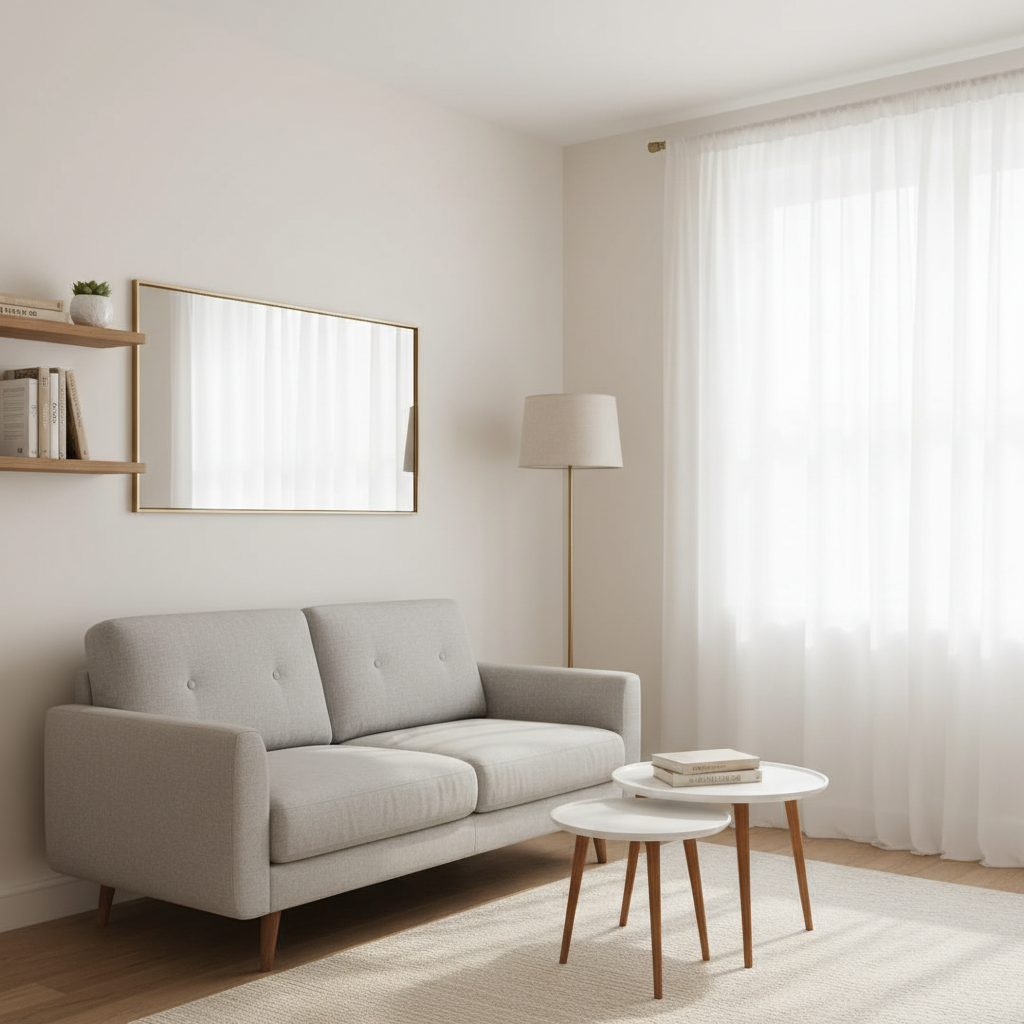
Smart Furniture Arrangement
Start by assessing your room’s dimensions and identifying its focal point—be it a window, a fireplace, or a TV. Arrange your primary seating around this focal point, but don’t push all furniture against the walls; this can actually make the room feel smaller by creating an empty, unutilized center. Instead, consider these tactics:
- Floating Furniture: Pulling a sofa or armchairs a few inches away from the wall creates breathing room and can surprisingly make the room appear larger.
- Scale Down: Choose furniture proportionate to the room. Opt for a smaller-scale sofa, love seat, or even armchairs instead of a bulky sectional. Look for pieces with slim arms and exposed legs, which create a lighter, airier look.
- Create Zones: Even in a small space, you can define different activity zones. Use a small rug to delineate the seating area, or a console table behind a sofa to mark a workspace.
- Corner Placement: A corner sofa or a strategically placed armchair can utilize often-underestimated corner space efficiently.
Traffic Flow Considerations
Easy movement is essential for a comfortable small living room. Ensure there’s enough space to walk around furniture without obstruction. Aim for at least 18-24 inches between a coffee table and a sofa, and adequate clearance for pathways. A common mistake is overcrowding the space with too many pieces, hindering natural movement and making the room feel chaotic.
The Power of Multifunctional Furniture
One of the most effective home design ideas for small living rooms is embracing furniture that serves multiple purposes. This strategy significantly reduces the need for additional pieces, freeing up valuable floor space.
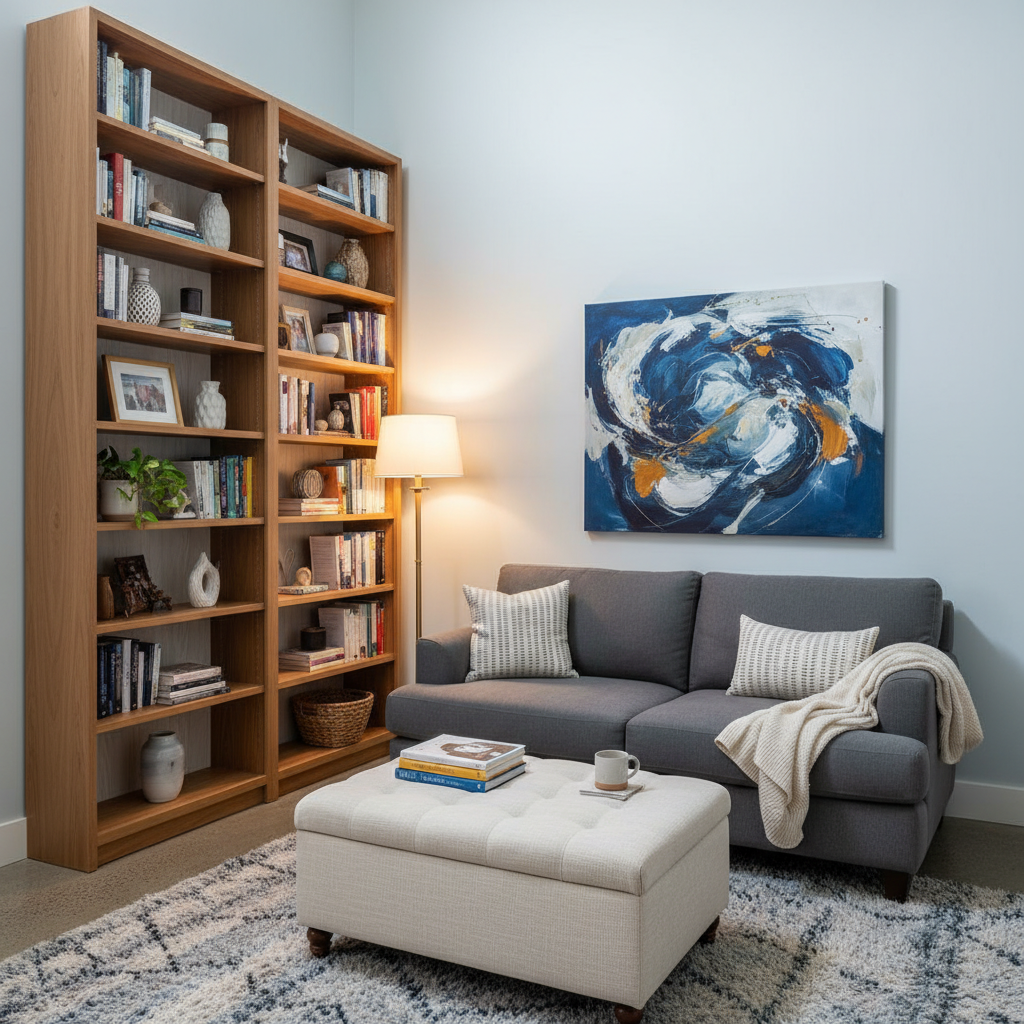
- Ottomans with Storage: These can serve as extra seating, a footrest, and a discreet storage solution for blankets, magazines, or remote controls.
- Sofa Beds or Daybeds: Perfect for accommodating overnight guests without dedicating a whole room.
- Nesting Tables: A set of nesting tables offers flexible surfaces that can be pulled out when needed and tucked away neatly afterward.
- Coffee Tables with Lifts or Storage: A coffee table that can lift to dining height or features hidden compartments is incredibly practical.
- Console Tables: Slim console tables can double as a desk or a serving station behind a sofa.
- Wall-Mounted Shelves and Desks: Free up floor space by utilizing vertical wall space for storage or a compact workspace.
Visual Tricks to Expand Your Space
Beyond practical layouts and furniture, clever visual techniques can dramatically alter the perception of space, making a small living room feel more open and expansive.
Strategic Color Palettes
Color plays a powerful role in interior design. Lighter colors tend to recede, making walls appear further away, while darker colors advance, making spaces feel cozier but potentially smaller. For a small living room:
- Light and Neutral Colors: Whites, creams, grays, and pastels can make a room feel brighter and larger. Consider painting walls, ceilings, and trim in similar light hues to blur the lines and create a seamless flow.
- Monochromatic Schemes: Using varying shades of the same color can create depth without overwhelming the space.
- Accent Walls: If you desire a pop of color, consider a single accent wall in a slightly darker or bolder shade. However, ensure it’s a color that complements the overall light scheme.
For more detailed guidance on selecting the perfect palette, Martha Stewart offers excellent advice on paint colors that make a room look bigger, a valuable resource for any small space design project.
Lighting as an Ally
Good lighting is crucial in any room, but especially in small spaces where it can prevent a cramped, cave-like feeling.
- Maximize Natural Light: Keep windows clear of heavy drapes. Opt for light-filtering blinds or sheer curtains that allow maximum light penetration.
- Layered Lighting: Combine different types of lighting to create depth and warmth. Use ambient lighting (flush mounts, recessed lights), task lighting (floor lamps, table lamps for reading), and accent lighting (spotlights to highlight art).
- Vertical Lighting: Tall, slim floor lamps draw the eye upwards, emphasizing vertical space.
Mirrors and Reflective Surfaces
Mirrors are a designer’s secret weapon for small spaces. They reflect light and create the illusion of depth, effectively doubling the perceived size of a room.
- Large Statement Mirror: A big mirror placed opposite a window or a beautiful piece of art can work wonders.
- Gallery Wall with Mirrors: Incorporate mirrors of various sizes and shapes into a gallery wall for an eclectic look that also expands the space.
- Mirrored Furniture: A mirrored coffee table or console can add a touch of glamour while visually lightening the footprint of the piece.
- Glossy Finishes: Furniture with high-gloss finishes or glass tops also helps reflect light and keep the space feeling open.
Vertical Space Utilization
When horizontal space is limited, look up! Maximizing vertical space is a cornerstone of smart small living room design.
- Tall Bookcases and Shelves: Draw the eye upwards and provide ample storage. Choose open shelving to avoid a bulky feel.
- Wall-Mounted Units: Floating shelves, wall-mounted TVs, and media consoles free up floor space.
- Floor-to-Ceiling Curtains: Hang curtains high and wide to make windows appear larger and ceilings taller.
Smart Storage Solutions
Clutter is the enemy of small spaces. Integrating smart, often hidden, storage solutions is essential for maintaining order and preventing your living room from feeling overwhelmed.
- Under-Sofa Storage: Many sofas now come with built-in drawers or lift-up sections. If yours doesn’t, consider slim, rolling storage bins that can slide underneath.
- Built-in Cabinetry: If your budget and space allow, custom built-ins around a fireplace or along a wall can provide seamless storage that blends with the room’s architecture.
- Storage Benches and Window Seats: These offer both seating and hidden compartments.
- Decorative Baskets and Bins: Use attractive baskets to store blankets, toys, or magazines. They are functional and can add to your decor.
- Magazine Racks and Wall Pockets: Keep reading materials off surfaces and contained.
For more inspiration on creating organized and functional living areas, explore our tips on decluttering your home. This approach ensures every item has a designated place, which is crucial for maximizing efficiency in small areas.
Curating Decor and Accessories
Even with limited space, your small living room should feel personal and inviting. The key is thoughtful curation.
Less is More: Decluttering
Before bringing in any new decor, embark on a ruthless decluttering mission. Every item in a small space needs to earn its place. Donate, sell, or discard anything that doesn’t serve a purpose or bring you joy. A minimalist approach often works best in compact areas, fostering a sense of calm and openness.
Thoughtful Art and Greenery
- Large-Scale Art: Counterintuitively, one large piece of art can have a greater impact and make a wall feel bigger than several small pieces that can look cluttered.
- Strategically Placed Plants: Greenery adds life and freshness. Choose tall, slender plants (like a snake plant or a fiddle leaf fig) that draw the eye upwards without taking up too much floor space. Wall-mounted planters or hanging plants are also excellent choices.
- Personal Touches: Display a few cherished items—a treasured photo, a unique sculpture, or a collection of books. These personal touches make the space feel like home without overwhelming it.
Personalizing Your Compact Oasis
Even the most practical small living room ideas need a touch of personality. Don’t shy away from incorporating elements that reflect who you are. Whether it’s a vibrant throw pillow, a collection of unique pottery, or a gallery wall showcasing your travels, these details transform a functional space into a cherished sanctuary. Remember, a small living room can be just as stylish and comfortable as a larger one, if not more so, with intelligent design and a focus on practicality.
FAQs about Small Living Room Design
How can I make a small living room feel larger?
To make a small living room feel larger, employ several visual and practical strategies. Use light, neutral paint colors on walls and ceilings to create an expansive backdrop. Maximize natural light by using sheer curtains or blinds. Incorporate mirrors strategically to reflect light and create the illusion of depth. Opt for furniture with exposed legs and slim profiles, and avoid overcrowding the space. Utilize vertical space with tall shelving and floor-to-ceiling curtains, and always prioritize good traffic flow.
What type of furniture is best for a small living room?
The best furniture for a small living room is multifunctional and proportionate to the space. Look for pieces like storage ottomans, sofa beds, nesting tables, and coffee tables with built-in storage. Choose sofas and armchairs with slim arms and exposed legs to reduce visual bulk. Wall-mounted shelves and media units are also excellent choices as they free up floor space. Always measure your space and furniture before purchasing to ensure a perfect fit.
How do I choose colors for a small living room?
For a small living room, it’s generally best to stick to light and neutral color palettes, such as whites, creams, light grays, or soft pastels. These colors reflect light, making the room feel brighter and more open. You can use a monochromatic scheme with varying shades of the same color for depth without making the space feel busy. If you want to add a bolder color, consider it as an accent in pillows, throws, or a single piece of art, rather than on all the walls.
Is it okay to put a TV in a small living room?
Absolutely! A TV is often a focal point in a living room, regardless of size. For small living rooms, consider mounting your TV on the wall to save floor space and create a cleaner look. You can also integrate it into a wall unit or custom cabinetry to minimize its visual impact when not in use. Avoid placing it on a bulky TV stand that takes up too much room, and ensure viewing distance is comfortable for your seating arrangement.
Conclusion
Designing a small living room doesn’t mean sacrificing style or comfort. With a practical mindset and creative solutions, you can transform even the most compact space into a highly functional, visually appealing, and inviting area. By carefully selecting multifunctional furniture, applying clever visual tricks, embracing smart storage, and curating your decor, you can unlock the full potential of your small living room. Remember, the goal of these home design ideas for small living rooms practical is to create a space that feels larger than it is, works effortlessly for your lifestyle, and truly feels like home.