Discovering your porch roof sagging can be an unsettling experience for any homeowner. More than just an aesthetic concern, a drooping porch roof often signals underlying structural problems that, if left unaddressed, can lead to significant safety hazards, costly repairs, and a decrease in your home’s overall value. This comprehensive guide will delve into the common causes behind a sagging porch roof, help you identify the tell-tale signs, outline effective solutions, and provide valuable tips for prevention, ensuring your porch remains a safe and welcoming extension of your home for years to come.
What Causes a Porch Roof to Sag?
A porch roof doesn’t sag overnight without reason. Typically, it’s the result of one or a combination of factors slowly compromising its structural integrity. Understanding these causes is the first step toward effective diagnosis and repair.
Water Damage and Rot
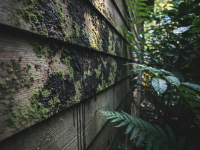
Water is arguably the greatest enemy of any wooden structure, and your porch roof is no exception. Constant exposure to moisture can lead to wood rot, weakening the essential framing components. This can stem from several sources:
- Leaky Roof Shingles or Flashing: Damaged or improperly installed shingles, or compromised flashing around chimneys or walls, can allow water to seep into the roof’s substructure.
- Poor Drainage: Clogged gutters or downspouts that don’t effectively divert rainwater away from the porch can cause water to pool on the roof or continuously run down and soak the support beams and posts.
- Ice Dams: In colder climates, ice dams can form along the edge of the roof, trapping melted snow and forcing water under shingles, leading to significant moisture infiltration and rot once it thaws.
- Condensation: While less common on open porches, enclosed porch roofs can sometimes experience condensation issues if there isn’t adequate ventilation, leading to moisture buildup within the roof cavity.
Structural Issues
Even without water damage, a porch roof can sag due to inherent structural deficiencies, often stemming from its original construction or subsequent alterations.
- Improper Initial Construction: If the porch roof was not built to code, or if the builders used undersized rafters, beams, or posts for the span and expected load, sagging can occur over time as gravity takes its toll.
- Weakened Trusses or Rafters: Over time, the wood in trusses or rafters can weaken due to natural aging, poor quality, or excessive stress, causing them to bow or break.
- Insufficient Fasteners: The hardware used to connect structural members (nails, screws, bolts) can corrode, loosen, or simply be insufficient for the load, leading to connections failing and the roof losing its rigidity.
- Lack of Adequate Support: If the posts or columns supporting the roof are too few, too widely spaced, or not adequately anchored, they may not be able to bear the weight, leading to a visible sag in the roofline.
Age and Wear
Like all parts of a home, a porch roof has a finite lifespan. Materials degrade, and stresses accumulate over decades of exposure to the elements.
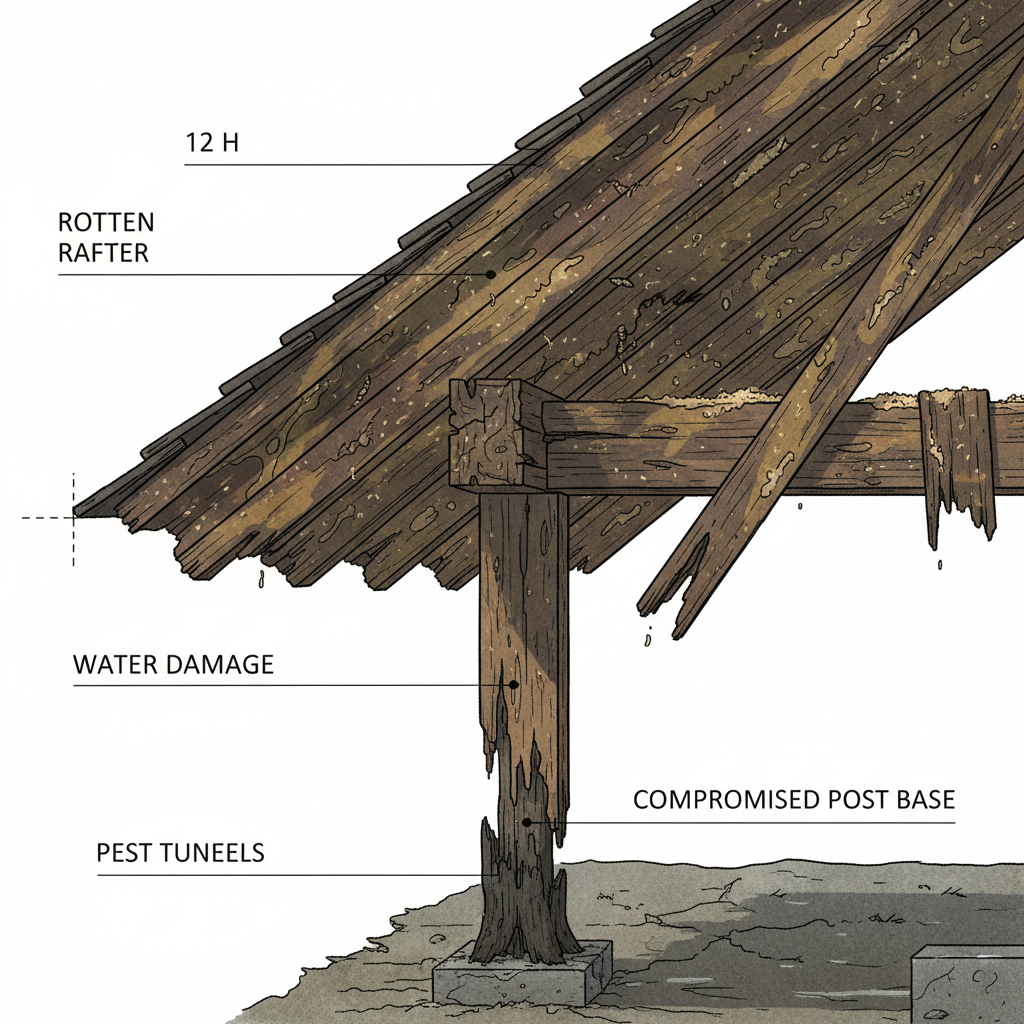
- Material Degradation: Wood can dry out, become brittle, or lose its strength over many years. Metal fasteners can rust and lose their grip.
- Constant Stress: The continuous pull of gravity, combined with repeated cycles of expansion and contraction due to temperature changes, puts immense stress on all components, contributing to gradual weakening and sagging.
Heavy Loads
The weight a porch roof is designed to bear can sometimes be exceeded, leading to structural fatigue and sagging.
- Snow and Ice Accumulation: Heavy snowfall and ice buildup, particularly in regions prone to severe winters, can place enormous stress on a roof, especially if it wasn’t designed to handle such loads.
- Excessive Weight from Decor or Additions: Hanging heavy swings, planters, or adding weighty elements to the roof structure without proper reinforcement can contribute to sagging. Even converting a screened porch to a three-season room can add unforeseen weight to an existing roof structure.
Foundation Problems
Sometimes, the problem isn’t directly with the roof structure itself, but with the support system beneath it.
- Shifting Porch Foundation: If the porch foundation settles unevenly, heaves due to frost, or suffers from erosion, the posts supporting the roof will also shift, causing the roofline to become uneven and appear to sag.
- Rotten Posts: Wooden posts set directly into the ground or in contact with moisture can rot at their bases, losing their load-bearing capacity and causing the roof above to drop.
Pest Infestations
Unseen enemies can also be at play, silently compromising the integrity of your porch roof.
- Termites and Carpenter Ants: These pests can tunnel through and eat away at wooden rafters, beams, and posts, hollowing them out and significantly reducing their strength, often leaving the wood appearing intact on the surface but severely compromised within.
- Wood-Boring Beetles: While often causing less immediate structural damage than termites, severe infestations can contribute to the weakening of wood over time.
Signs Your Porch Roof is Sagging (and Why It’s a Problem)
Detecting a sagging porch roof early is crucial. While a significant dip is obvious, subtle signs can indicate a problem developing beneath the surface. Ignoring these signs can lead to escalating damage and safety risks.
Visible Dipping or Unevenness
This is the most apparent sign. Stand back from your porch and look along the roofline. Does it appear level? Are there any obvious dips, waves, or low spots? Compare it to the adjacent house roof or a straight edge for a clearer perspective. A carpenter’s level can confirm minor deviations.
Cracks in Ceilings or Walls
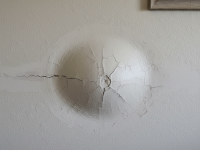
If your porch roof is attached to your home, a sag can transfer stress to the main house structure. Look for cracks appearing in the interior or exterior walls near where the porch connects. Cracks in the porch ceiling itself are also a clear indicator of structural strain.
Doors or Windows Sticking
When the porch structure shifts, it can affect the framing of adjacent doors and windows. If a door leading from your house to the porch, or a window on the porch itself, suddenly becomes difficult to open or close, or no longer latches properly, it could be due to frame distortion caused by a sagging roof.
Water Stains or Leaks
Even if the sag is not yet severe, water stains on the porch ceiling or actual leaks during rain are strong indicators of a compromised roof structure. The sag can create low spots where water collects, exacerbating shingle damage and allowing water to penetrate more easily.
Creaking Noises
Unusual creaking, groaning, or popping noises coming from the porch structure, especially during changes in temperature, heavy winds, or when walking on the porch floor (if it’s also affected), can signal timbers under stress or connections beginning to fail.
The Dangers of Ignoring a Sagging Roof
Beyond aesthetics, a sagging porch roof poses serious risks:
- Safety Hazard: The most critical danger is structural collapse. A compromised roof could suddenly give way, causing severe injury to anyone underneath or on the porch.
- Further Damage to Your Home: The stresses from a sagging porch roof can transfer to your main house, leading to foundation cracks, wall damage, and even roof problems on the primary structure.
- Water Damage to the Porch and Home: A sagging roof often leads to pooling water, which can accelerate rot in the porch structure, damage the porch floor, and even seep into your home, causing mold, mildew, and interior damage.
- Decreased Home Value: A visibly sagging porch roof is a major red flag for potential buyers and significantly detracts from your home’s curb appeal and market value.
Assessing the Damage: When to Call a Professional
Once you’ve identified signs of a sagging porch roof, the next step is to assess the extent of the damage. While some minor issues can be tackled by a skilled DIYer, significant sagging or widespread damage almost always warrants professional intervention.
DIY Inspection Tips
Before calling an expert, you can perform a preliminary assessment:
- Visual Check: Get a good overall view from different angles. Look for obvious dips, unevenness, or missing/damaged shingles.
- Use a Level: Place a long carpenter’s level on various beams or rafters (if accessible from above or below) to determine the extent of the sag.
- Probe the Wood: Carefully use a screwdriver or awl to probe any suspicious-looking wood (discolored, soft spots). If the tool easily penetrates, it’s a sign of rot or severe pest damage.
- Check Connections: Inspect where beams meet posts and where the porch roof attaches to the house. Look for loose fasteners, gaps, or deteriorated wood.
- Examine the Foundation: Check the porch posts and their connection to the ground or foundation for signs of shifting, cracking, or rot.
Recognizing Red Flags
Certain situations are immediate indicators that you need professional help:
- Significant Sag: If the roof has a noticeable, deep sag (more than an inch or two over a short span), it’s likely a serious structural issue.
- Widespread Rot or Pest Damage: If probing reveals extensive soft wood or you find clear evidence of termites or carpenter ants in multiple structural members.
- Cracked or Broken Beams/Rafters: Visible cracks or breaks in any load-bearing timbers are critical.
- Foundation Movement: If the porch foundation itself has visibly shifted, cracked, or sunk.
- Water Entry into the Home: Any signs of water penetrating from the porch roof into your main house.
- Uncertainty: If you’re unsure about the cause, the extent of the damage, or the best course of action, a professional opinion is invaluable.
The Role of a Structural Engineer
For significant sagging, especially if it affects critical load-bearing elements or the main house structure, a structural engineer is the ideal first point of contact. They can:
- Diagnose the precise cause and extent of the structural failure.
- Calculate the necessary load-bearing requirements.
- Design appropriate repair solutions and provide blueprints.
- Ensure the proposed repairs meet local building codes.
An engineer’s report provides a clear roadmap for contractors and ensures the repairs are robust and safe.
Importance of Safety First
Never attempt to work under a significantly compromised or actively sagging structure without proper shoring. A sudden collapse can be catastrophic. If you suspect immediate danger, evacuate the area and contact emergency services or a qualified professional immediately. Even for minor repairs, always prioritize your safety. Wear appropriate personal protective equipment (PPE) such as gloves, safety glasses, and hard hats when working overhead. For more information on home safety during DIY projects, consult reputable sources like Good Housekeeping’s home safety tips, which offer general guidelines for maintaining a safe home environment.
How to Fix a Sagging Porch Roof: Solutions and Strategies
The repair method for a sagging porch roof depends entirely on the underlying cause and the severity of the damage. Some solutions are straightforward, while others require extensive structural work.
Temporary Shoring
If the sag is significant or you suspect immediate danger, the very first step is temporary shoring. This involves installing sturdy temporary posts and beams underneath the sagging portion of the roof to support it and prevent further collapse. This is often done using adjustable steel jacks or robust wooden posts cut to size. Shoring must be done carefully to lift the roof slightly without causing further damage, and it should remain in place until permanent repairs are complete.
Repairing Minor Water Damage and Rot
For localized rot or water damage where the structural integrity is not severely compromised:
- Replace Damaged Wood: Small sections of rotted non-load-bearing wood can sometimes be carefully cut out and replaced with new, treated lumber.
- Wood Hardener and Filler: For very minor, superficial rot, a wood hardener can be applied to solidify the soft fibers, followed by a wood filler for cosmetic purposes. This is generally not suitable for load-bearing elements.
- Address the Source of Water: Crucially, the source of the water infiltration (e.g., leaky shingles, clogged gutters) must be fixed simultaneously to prevent recurrence.
Reinforcing Existing Supports
If the existing structural members are undersized but still largely sound, they can often be reinforced:
- Adding Sister Joists/Rafters: New pieces of lumber of the same size can be bolted or nailed alongside existing, sagging rafters or joists. This effectively doubles their strength and helps lift the sagged section.
- Stronger Posts or Beams: If the original posts or beams are too weak, new, appropriately sized ones can be installed alongside or in place of them, possibly with new footings.
- Adding Cross-Bracing: Diagonal bracing can be added between rafters or beams to enhance rigidity and prevent future sagging.
Replacing Damaged Structural Members
When beams, rafters, or posts are severely rotted, broken, or compromised by pests, they must be replaced entirely. This is a complex job that usually requires careful temporary support of the roof above while the damaged elements are removed and new ones are installed. The new materials should match or exceed the strength requirements of the originals and be properly treated for outdoor use.
Addressing Foundation Issues
If the porch foundation is the root cause of the sag:
- Underpinning: If the foundation is settling, it may need to be underpinned by extending the footings deeper into stable soil.
- Pier Repair/Replacement: Cracked or shifting concrete piers may need to be repaired or entirely replaced, ensuring they rest on stable ground and are properly anchored.
- Post Replacement: If wooden posts have rotted at their bases, they must be replaced. New posts should be set on concrete piers or footings with appropriate post bases to keep them off the ground and prevent moisture contact.
Improving Drainage
To prevent future water damage, ensuring proper drainage is paramount:
- Install or Repair Gutters and Downspouts: Ensure gutters are clean, properly sloped, and securely attached. Downspouts should direct water at least several feet away from the porch foundation.
- Proper Flashing: Check that all flashing around the connection points of the porch roof to the house is intact and correctly installed.
- Roof Pitch Adjustment: In some cases, if the original roof pitch was too shallow, a professional might suggest adjusting it during a rebuild to improve water runoff.
Professional vs. DIY: Weighing the Complexity and Risks
- DIY: Suitable for minor cosmetic issues, addressing leaky gutters, or replacing small, non-load-bearing sections of rotted trim. Only attempt DIY if you have significant carpentry experience, understand structural mechanics, and can ensure safety.
- Professional: Essential for significant sagging, widespread rot, damaged load-bearing elements, foundation issues, or if you lack the necessary skills and equipment. Hiring a licensed contractor specializing in structural repairs ensures the job is done safely, correctly, and to code. They can also navigate permitting requirements. Always get multiple bids and check references.
Preventing Future Porch Roof Sagging
Once your porch roof is restored, proactive maintenance and smart design choices are key to preventing a recurrence of sagging issues.
Regular Inspections
Make it a habit to inspect your porch roof at least twice a year, ideally in spring and fall. Look for:
- Any visible dips or unevenness.
- Loose, damaged, or missing shingles.
- Cracks or peeling paint on beams and posts.
- Signs of water staining or mold.
- Pest activity (sawdust trails, mud tubes, small holes).
- Gutter condition (clogs, damage).
Proper Maintenance
Consistent care will extend the life of your porch roof significantly:
- Clean Gutters: Keep gutters and downspouts clear of leaves and debris to ensure proper water flow. This is one of the easiest and most effective preventative measures.
- Seal Cracks: Periodically check for and seal any cracks in the porch ceiling, flashing, or where the porch meets the house to prevent water intrusion.
- Paint and Seal Wood: Keep all exposed wood on your porch (posts, beams, ceiling) properly painted or sealed to protect it from moisture and UV damage.
Adequate Drainage Systems
Ensure your drainage system is robust and performing optimally:
- Confirm gutters are correctly sloped and securely attached.
- Extend downspouts away from the porch foundation to prevent water from saturating the soil and potentially undermining footings.
- Consider adding splash blocks or underground drainage pipes to carry water further away.
Snow and Ice Removal
In snowy regions, safely remove heavy accumulations of snow and ice from your porch roof. Use a roof rake or consult a professional if the roof is high or difficult to access. Be careful not to damage shingles or flashing during removal. Preventing ice dams by ensuring proper attic insulation and ventilation (if applicable to your porch design) can also be beneficial.
Using Durable Materials
When making repairs or building a new porch, invest in quality materials:
- Treated Lumber: Use pressure-treated lumber for any wood in contact with the ground or exposed to consistent moisture.
- Rot-Resistant Woods: Consider naturally rot-resistant woods like cedar or redwood, or composite materials for decorative elements.
- Strong Fasteners: Use appropriate, corrosion-resistant fasteners (e.g., galvanized, stainless steel) designed for outdoor structural use.
Consulting a Professional During Design
If you’re planning a new porch or a significant renovation, always consult with a qualified architect or structural engineer. They can ensure the design accounts for local building codes, expected snow loads, and proper structural support, preventing future sagging issues before they even begin.
FAQs About Porch Roof Sagging
Q: How much does it cost to fix a sagging porch roof?
A: The cost to fix a sagging porch roof varies widely depending on the cause, extent of damage, materials needed, and labor rates in your area. Minor repairs like patching a leak and replacing a small section of fascia might cost a few hundred dollars. Extensive structural repairs involving replacing beams, posts, or addressing foundation issues could range from $2,000 to $10,000 or even more, especially if a structural engineer’s report and permits are required. Getting multiple quotes from licensed contractors is always recommended.
Q: Can I fix a sagging porch roof myself?
A: You can tackle very minor issues yourself, such as cleaning gutters, sealing small cracks, or replacing a few shingles. However, if the sag is noticeable, involves structural elements (beams, rafters, posts), or is due to foundation problems, it’s strongly recommended to hire a professional. Incorrect repairs can lead to further damage, instability, and safety hazards.
Q: Is a sagging porch roof dangerous?
A: Yes, a sagging porch roof can be very dangerous. It indicates a failure in the structural integrity, which could lead to a sudden and catastrophic collapse. Beyond collapse, it can also cause water damage to your home, foster mold growth, and attract pests, all of which pose health and safety risks. It’s an issue that should be addressed promptly.
Q: How long does it take to repair a sagging porch roof?
A: The duration of the repair depends on the complexity. Minor repairs might take a day or two. More involved structural repairs, such as replacing main support beams or addressing foundation issues, could take several days to a week or more, factoring in material delivery, potential engineering assessments, and permit approvals. The repair time will also be influenced by weather conditions and contractor availability.
Q: What are the best materials for a porch roof?
A: The best materials depend on your climate, budget, and aesthetic preferences. Common options include:
- Asphalt Shingles: Economical, widely available, and suitable for most climates.
- Metal Roofing: Durable, long-lasting, excellent for shedding snow, and available in various styles.
- Wood Shakes/Shingles: Offers a classic look but requires more maintenance and is more expensive.
- Composite Roofing: Mimics other materials but offers enhanced durability and often recycled content.
- Treated Lumber: For the underlying structural framework, pressure-treated lumber is essential for moisture and rot resistance.
Regardless of the top layer, ensure the underlying structural wood is treated and adequately sized for the span and expected loads.
Addressing a sagging porch roof is not merely a home improvement project; it’s an investment in the safety, longevity, and value of your entire property. By understanding the causes, recognizing the signs, and taking prompt, appropriate action – whether that’s a DIY fix or calling in the experts – you can restore your porch to its former glory and enjoy its charm and functionality without worry for years to come.