How to Troubleshoot and Fix a Ceiling Fan Not Turning On: Essential Tips and Solutions
When your ceiling fan is not turning on, it can be frustrating—especially during warm weather when you rely on it for cooling and air circulation. A ceiling fan not turning on can result from various causes, ranging from simple electrical issues to mechanical malfunctions. Understanding these potential problems and how to troubleshoot them will save you time, money, and the hassle of calling a professional.
Common Reasons Why Your Ceiling Fan Won’t Turn On
Before you dive into fixing the fan, it’s important to identify why it’s not functioning. Here are the most common reasons:
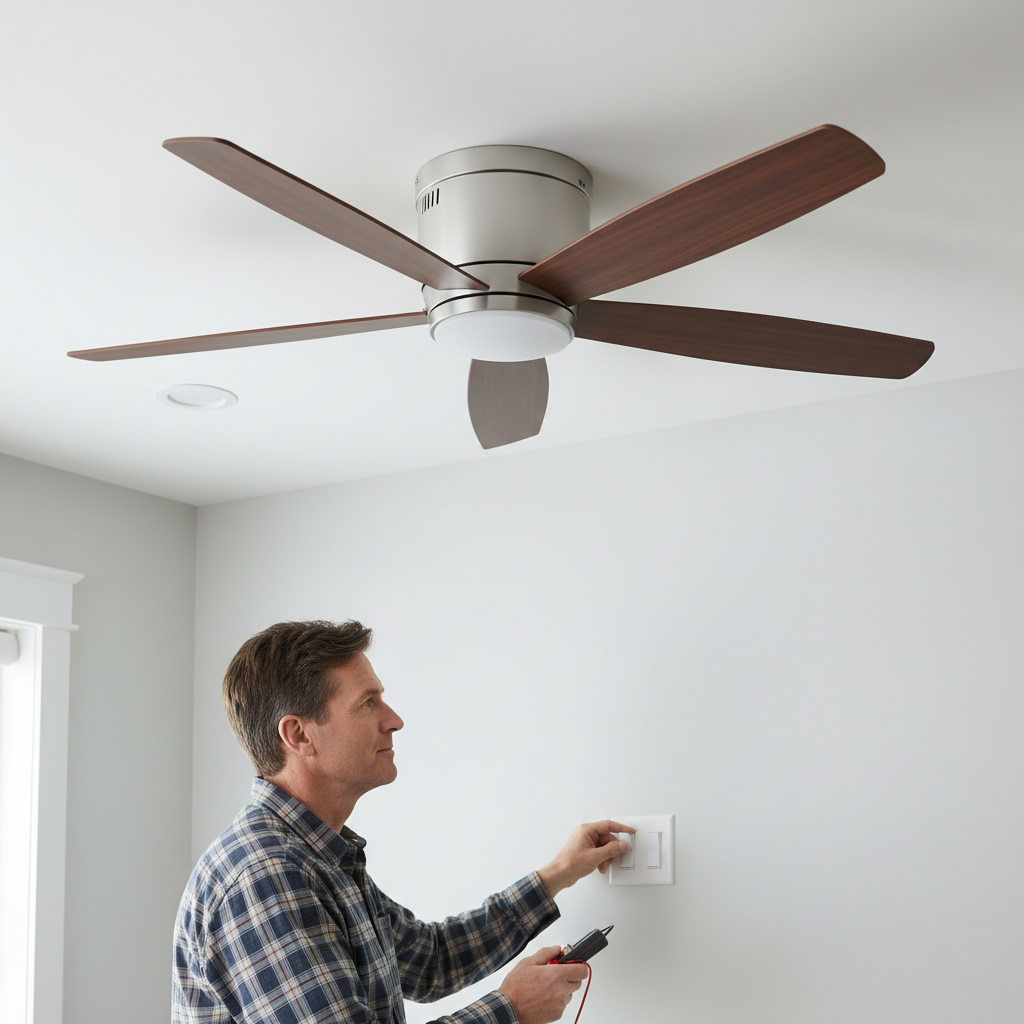
- Power Supply Problems: Sometimes, the issue is as simple as a blown fuse, tripped circuit breaker, or a loose electrical connection.
- Faulty Wall Switch or Remote Control: The switch controlling the fan might be faulty, or the remote control’s batteries could be dead.
- Bad Capacitor: Ceiling fans use capacitors to regulate speed; a defective capacitor can prevent the fan from starting.
- Motor Issues: Over time, the motor might wear out or seize due to lack of lubrication or damage.
- Loose or Damaged Wiring: Wires connecting the ceiling fan might become loose or damaged during installation or due to age.
- Fan’s Internal Components Malfunction: Internal parts like the blade arms, blade brackets, or motor winding may be faulty.
Step-By-Step Guide to Troubleshooting a Ceiling Fan That Won’t Turn On
1. Check the Power Source
Start by ensuring the fan is receiving power. Confirm that the circuit breaker hasn’t tripped, and the fuse isn’t blown. Reset the breaker or replace the fuse if needed.
Next, verify that the wall switch controlling the fan is working. Try toggling the switch on and off. If you have a remote-controlled ceiling fan, replace the remote’s batteries and ensure the remote is properly paired with the fan unit.
2. Inspect the Ceiling Fan’s Wiring
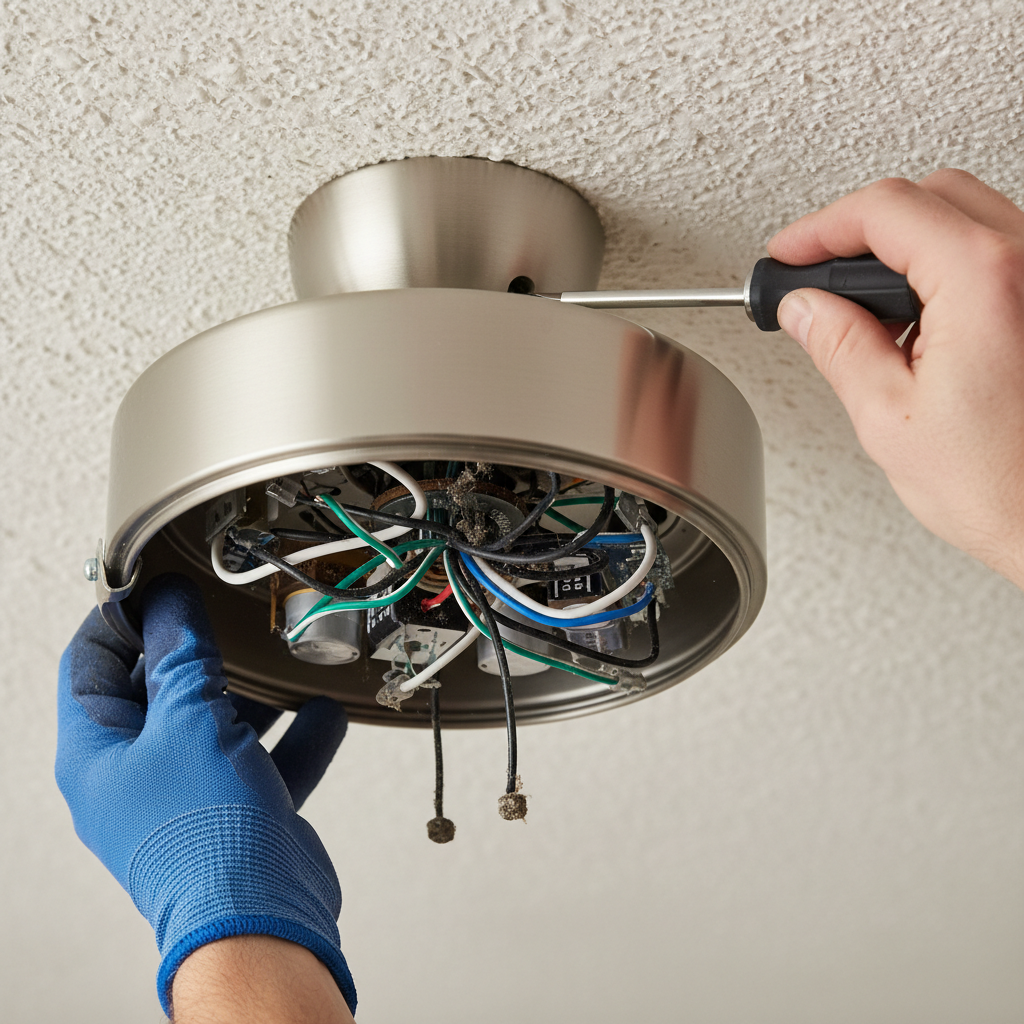
Turn off the power at the breaker before inspecting wiring. Remove the fan’s canopy or housing to check for any loose, disconnected, or damaged wires. Tighten wire nuts securely and reconnect any loose wires.
3. Test the Capacitor
The capacitor provides the initial jolt needed to start the fan motor. If the fan hums but doesn’t spin, it’s likely the capacitor is failing. You can test the capacitor with a multimeter or take it to an electrical supplier to match a replacement.
4. Examine the Motor and Fan Blades
Sometimes dirt and dust accumulate in the motor or blades, hindering movement. Clean the fan blades and motor housing carefully. Lubricate the motor bearings if your fan model allows it. Check that fan blades are balanced and not obstructed.
5. Check for Mechanical Obstructions
Make sure nothing is physically blocking the fan blades from spinning, such as ceiling fixtures, light kits, or debris.
When to Call a Professional Electrician
If these troubleshooting steps don’t resolve the issue, or if you encounter any signs of electrical malfunction (sparks, burning smells, or flickering lights), it’s advisable to call a licensed electrician. Ceiling fans involve electrical wiring and can present safety hazards if improperly handled.
Preventative Maintenance Tips to Keep Your Ceiling Fan Running Smoothly
- Regularly dust and clean fan blades and motor housing.
- Tighten screws and blade brackets to prevent wobbling.
- Lubricate motor bearings as recommended by the manufacturer.
- Replace remote batteries annually or as needed.
- Schedule periodic professional inspections for older fans.
FAQs About Ceiling Fans That Won’t Turn On
Q: Why does my ceiling fan hum but not spin?
A: This usually indicates a faulty capacitor or a mechanical obstruction preventing the blades from moving.
Q: Can I replace the capacitor myself?
A: Yes, provided you turn off power, identify the correct capacitor type, and follow safety protocols. Otherwise, hire a professional.
Q: What should I do if the wall switch feels hot to the touch?
A: A hot wall switch could signal an electrical issue and should be inspected and replaced by an electrician immediately.
Q: How long does a typical ceiling fan last?
A: With proper maintenance, a ceiling fan can last 10 to 15 years or longer.
Q: Is it safe to install a new ceiling fan yourself?
A: If you’re comfortable working with electricity and follow the manufacturer’s instructions carefully, you can. Otherwise, hiring a licensed electrician is recommended.
Conclusion
A ceiling fan not turning on can stem from several factors, many of which homeowners can troubleshoot and fix themselves. By following the steps outlined above, you can identify and resolve common issues, extending the life of your ceiling fan and ensuring comfortable airflow throughout your home. For detailed guides on home maintenance and repair, visit Better Homes & Gardens.