How to Fix a Toilet Tank Not Filling Fast Enough: Easy Tips and Solutions
Dealing with a toilet tank not filling fast enough can be a frustrating household issue, especially when you’re in a hurry or hosting guests. A slow-filling toilet won’t just inconvenience you; it can also signal underlying problems that, if left unresolved, could lead to water waste or even more significant plumbing issues. Fortunately, many causes of a sluggish toilet tank refill are simple to diagnose and fix without needing to call a plumber. In this article, we’ll explore the most common reasons why your toilet tank fills slowly and provide clear, step-by-step solutions to speed things up and restore your bathroom’s functionality.
Why Is My Toilet Tank Filling Slowly?
Understanding the reasons behind a slow-filling toilet tank is the first step toward an effective repair. Here are some common causes:
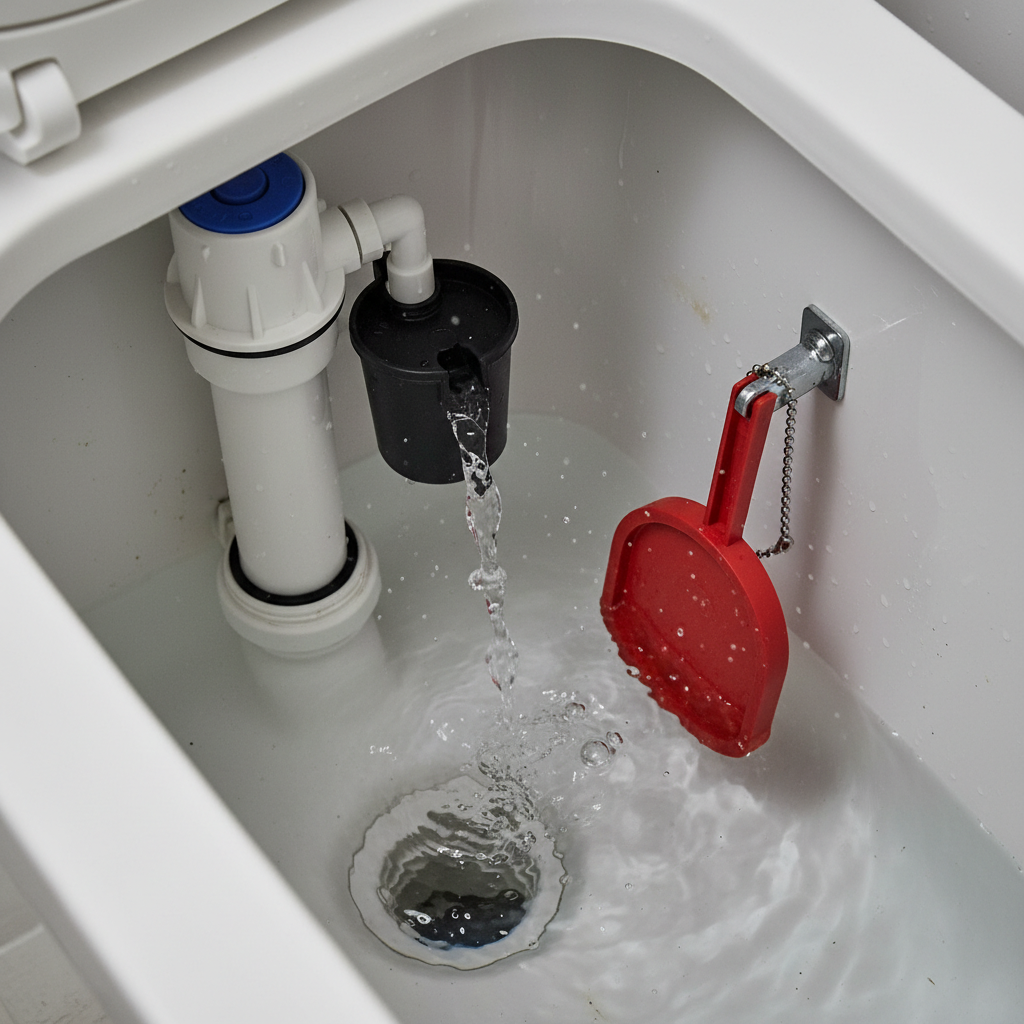
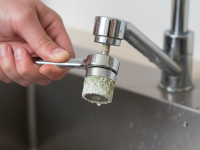
- Clogged Fill Valve: Over time, mineral deposits and debris can clog the fill valve, restricting water flow into the tank.
- Low Water Pressure: If your home’s water pressure is low, the toilet tank won’t refill quickly.
- Faulty or Worn-Out Fill Valve: Parts inside the fill valve can wear out or malfunction, making it unable to regulate water flow properly.
- Partially Closed Shut-Off Valve: If the water supply valve under the toilet is not fully open, it limits water flow.
- Old or Damaged Flapper: A flapper that doesn’t seal correctly can cause the tank to refill repeatedly or irregularly.
How to Fix a Slow-Filling Toilet Tank
1. Check the Water Supply Valve
The shut-off valve, usually located near the base of the toilet, controls water coming into the tank. If it’s partially closed, the tank will fill slowly. To fix this:
- Locate the valve and turn it clockwise to close it completely.
- Then, turn it counterclockwise to open it fully, ensuring maximum water flow.
2. Inspect and Clean the Fill Valve
The fill valve governs the water flow into the tank. Sediment buildup can block it. Here’s how to clean it:
- Turn off the water supply valve.
- Flush the toilet to empty the tank.
- Remove the top of the fill valve according to the manufacturer’s instructions.
- Rinse the valve components under running water to remove debris.
- Use a small brush or cloth to gently scrub mineral buildup.
- Reassemble the fill valve and turn the water supply back on.
- Test the refill speed.
3. Replace a Worn-Out Fill Valve
If cleaning doesn’t help, the fill valve may be defective or aged. Replacement is straightforward:
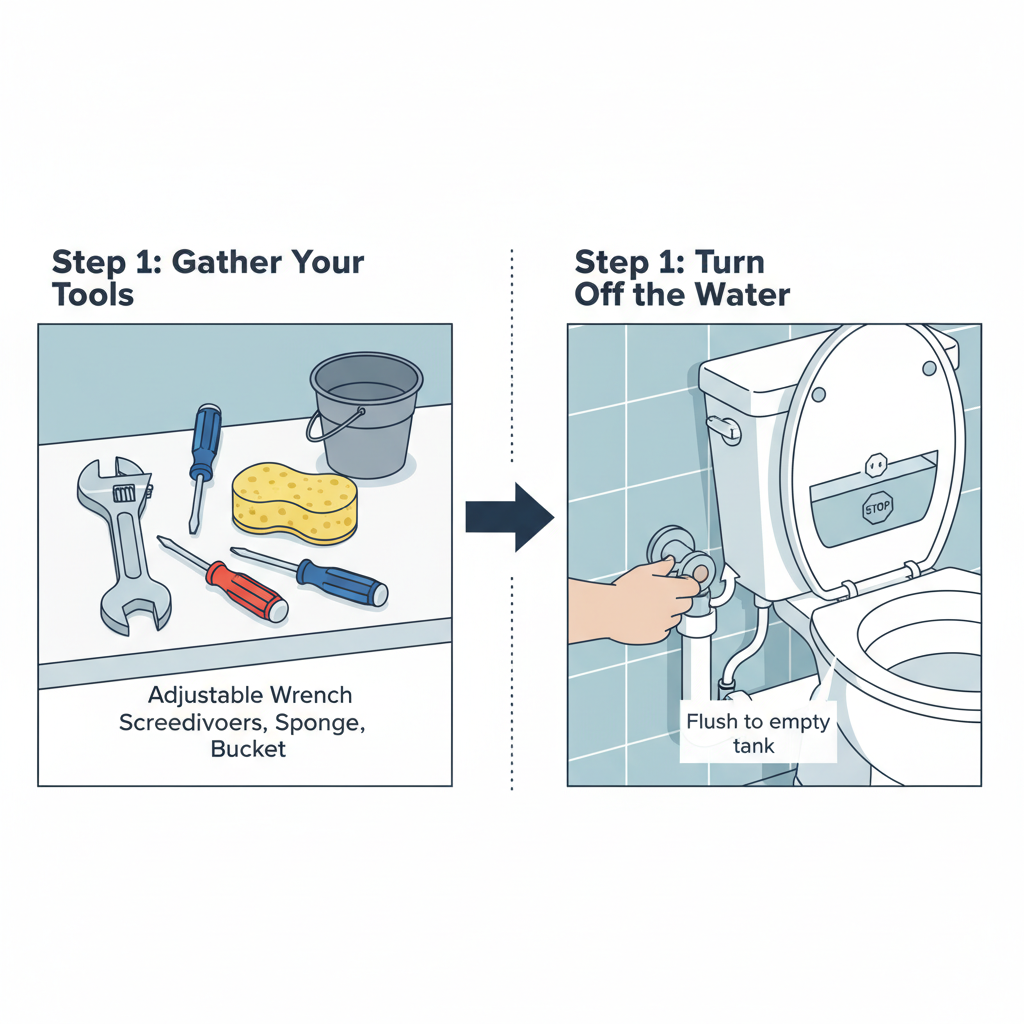
- Turn off the water supply and flush to empty the tank.
- Disconnect the water supply line.
- Remove the old fill valve by unscrewing the lock nut beneath the tank.
- Install the new valve, following the product instructions.
- Reconnect the water supply and test the system.
4. Examine the Flapper and Flush Mechanism
A damaged flapper can cause water to leak slowly, making the tank seem like it’s filling slowly because it’s constantly losing water. To inspect:
- Lift the tank lid and observe the flapper after flushing.
- Check if it drops quickly and seals properly.
- If it’s warped or damaged, replace it with a compatible flapper.
5. Address Low Water Pressure Issues
If multiple water fixtures in your home show poor pressure, you might have an overall pressure problem. You can:
- Contact your water utility company to check for issues.
- Consider installing a pressure booster if pressure is generally low.
Additional Tips for Maintaining a Healthy Toilet Tank
- Regularly clean the fill valve and tank to prevent sediment buildup.
- Use water softeners if your area has hard water to reduce mineral deposits.
- Inspect the toilet components annually to catch wear and leaks early.
FAQs About Slow Filling Toilet Tanks
Q: How long should a toilet tank normally take to fill?
A: Typically, a toilet tank should fill within 1 to 3 minutes after flushing. Longer times indicate potential issues.
Q: Can I use bleach tablets to clean my toilet tank?
A: While some use bleach tablets, they can corrode rubber parts like flappers, causing leaks. It’s safer to clean your tank regularly with gentle methods.
Q: Is it okay to adjust the float in the fill valve to speed up filling?
A: Adjusting the float controls the water level, not the speed of filling. If your tank fills slowly, cleaning or replacing the fill valve is more effective.
Q: When should I call a plumber?
A: If after troubleshooting the above fixes your toilet still fills slowly, or you notice persistent leaks or water damage, consulting a professional plumber is recommended.
Conclusion
A toilet tank not filling fast enough is usually an easy problem to fix with a bit of DIY knowledge and patience. By inspecting and maintaining components like the fill valve, flapper, and water supply, you can quickly restore your toilet to full functionality. For ongoing upkeep, regular cleaning and timely replacement of worn parts ensure your toilet performs efficiently for years. For expert advice and additional toilet maintenance tips, explore reputable resources like Good Housekeeping.