This comprehensive guide will walk you through the common causes of a wobbly deck railing, the dangers it presents, how to accurately inspect the problem, and provide detailed, step-by-step solutions for various repair scenarios. We’ll also cover preventative maintenance tips to keep your deck railing secure for years to come and advise you on when it’s time to call in a professional.
Why Is Your Deck Railing Becoming Loose? Understanding the Root Causes
Before you can fix a problem, you need to understand its origin. Several factors can contribute to a deck railing becoming loose, ranging from environmental elements to installation mishaps.
Age and Wear and Tear
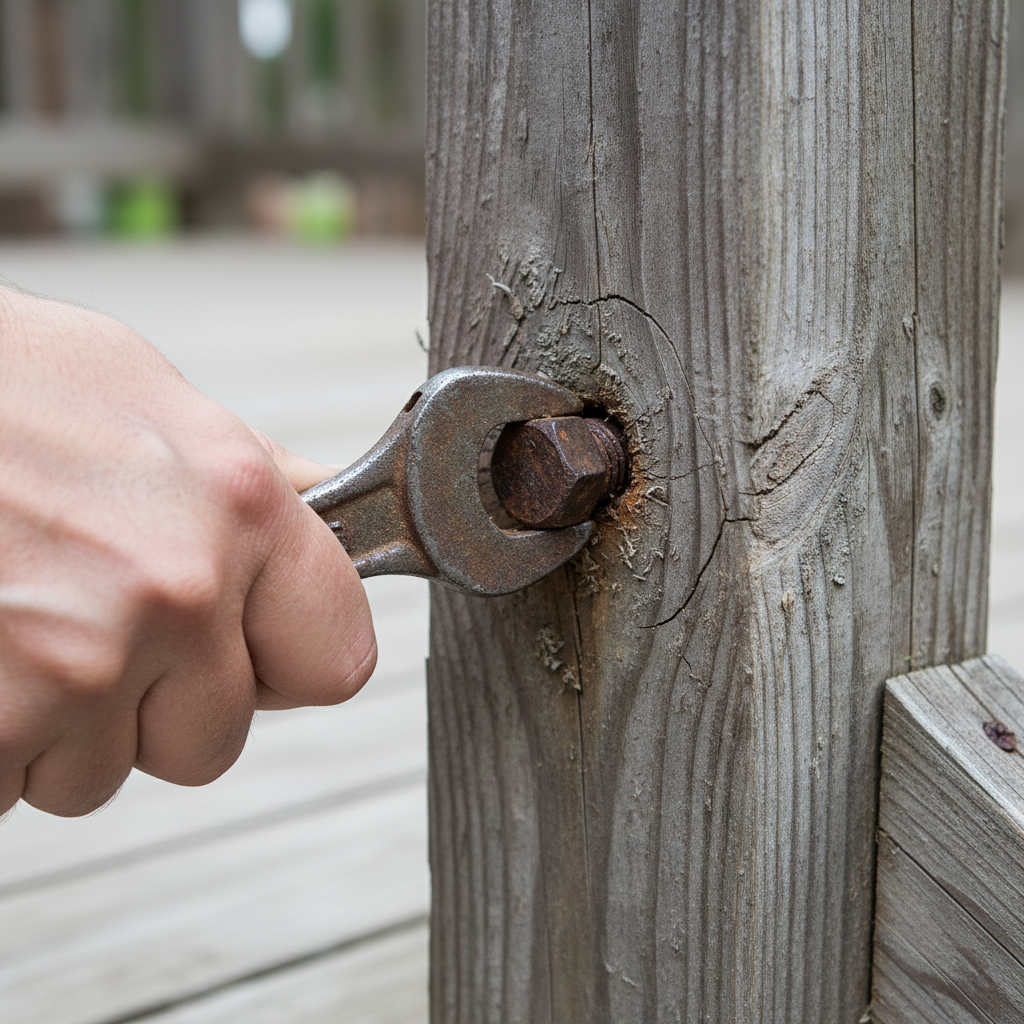
Like any outdoor structure, deck railings are constantly exposed to the elements: sun, rain, snow, and extreme temperatures. Over time, this exposure can degrade materials. Wood can expand and contract, fasteners can corrode, and connections can weaken. The constant stress from people leaning on the railing, kids playing, or even strong winds can exacerbate this natural deterioration, leading to an unstable deck handrail.
Rotting Wood and Water Damage
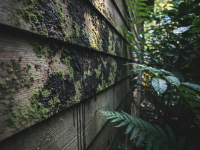
Wood is highly susceptible to rot, especially when consistently exposed to moisture without proper drying or treatment. Posts that are in direct contact with the ground, or sections of railing where water pools, are prime candidates for rot. When the wood around fasteners or at the base of a post begins to rot, it loses its structural integrity, causing the railing to loosen significantly. This is a critical issue that compromises overall deck safety.
Fastener Failure
Screws, bolts, and nails are what hold your deck railing together. If these fasteners are insufficient for the job, improperly installed, or simply corrode over time, they will fail. Using nails where screws or bolts are required, or using non-galvanized fasteners that rust quickly, are common causes of railing instability. Stripped screws or loose nuts can also lead to a wobbly deck railing.
Improper Installation
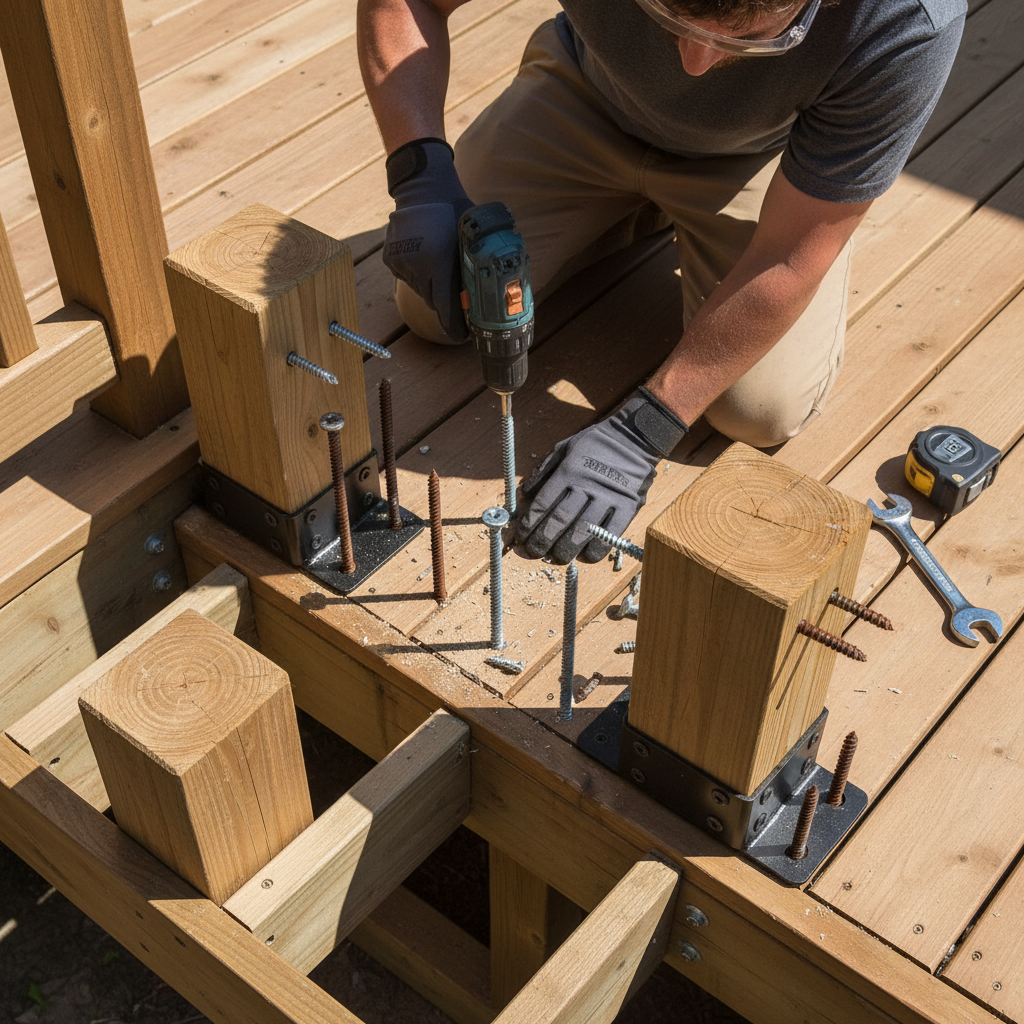
Sometimes, the problem stems from the very beginning. If the deck railing was not installed according to local building codes or manufacturer instructions, it might never have been truly secure. Common installation errors include using posts that are too short or not properly anchored, insufficient bracing, or using inappropriate hardware for the type of decking material. An improperly installed railing is a ticking time bomb for looseness.
Ground Movement and Settlement
If your deck posts are directly set into the ground, ground movement due to soil erosion, freezing and thawing cycles, or seismic activity can cause the posts to shift. This movement can pull the posts away from the deck frame or loosen their connections, resulting in a significantly unstable deck handrail.
The Dangers of a Loose Deck Railing: Prioritizing Safety
It cannot be overstated: a loose deck railing is a serious safety hazard. Ignoring the problem can lead to severe consequences.
Risk of Falls and Injuries
The primary purpose of a deck railing is to prevent falls. If the railing gives way when someone leans on it, the consequences can be catastrophic, particularly on elevated decks. Falls from even a few feet can result in broken bones, head injuries, or worse, making railing stability paramount.
Structural Integrity Compromise
A loose railing can sometimes be a symptom of a larger structural problem with your deck. If posts are rotting or ledger boards are pulling away from the house, the entire deck’s integrity might be compromised. Addressing a loose deck post might reveal deeper issues that need professional attention.
Property Value Depreciation
Beyond safety, a visibly damaged or wobbly deck railing detracts from your home’s curb appeal and can significantly lower its perceived value. Potential buyers will view it as a costly repair and a safety risk, making your home less attractive on the market.
Your DIY Deck Railing Inspection Checklist
Before you jump into repairs, a thorough inspection is critical to accurately diagnose the problem and plan your course of action. Gather your tools: a flashlight, screwdriver, wrench, pry bar, and a utility knife.
Visual Assessment: What to Look For
- Cracks or Splits: Look for any visible cracks, splits, or signs of dry rot in the wood posts, railings, and balusters.
- Corrosion: Inspect all metal fasteners, brackets, and connectors for rust or corrosion.
- Gaps: Check for gaps where railings meet posts, or where posts attach to the deck frame.
- Missing Components: Are any screws, bolts, or sections of balusters missing?
The “Shake Test”
Go to each section of your deck railing and firmly push and pull it horizontally and vertically. Pay close attention to any movement, creaking, or give. This will help you identify exactly which posts or sections are loose. Don’t be shy; apply a good amount of pressure, similar to what someone leaning on it might do.
Checking Fasteners and Connections
Examine every screw, bolt, and nail connecting your railing components. Are bolts tightened? Are screw heads stripped? Are nails backing out? For deck posts, check how they are attached to the deck frame. Are they surface-mounted, notched, or through-bolted? Ensure all connections are tight and secure.
Inspecting Wood for Rot
Use a screwdriver or an awl to probe any suspicious-looking wood, especially at the base of posts, near the ground, or where wood is consistently damp. If the wood feels soft, spongy, or crumbles easily, it’s a sign of rot. This is particularly important for areas that might be less visible, such as the underside of the deck or where posts meet joists.
Essential Tools and Materials for Deck Railing Repair
Having the right tools and materials on hand will make your repair job much smoother and more effective.
Basic Hand Tools
- Drill/driver with appropriate bits
- Wrench set (socket and open-end)
- Hammer
- Pry bar
- Level
- Tape measure
- Pencil
- Utility knife
- Chisel
- Clamps (to hold pieces while fasteners are installed)
Fasteners and Hardware
- Exterior-grade screws (e.g., galvanized, stainless steel, or ceramic coated)
- Carriage bolts with washers and nuts
- Lag screws
- Post anchors or brackets (if needed)
- Wood glue (exterior grade)
- Construction adhesive (e.g., for composite materials)
Wood Repair Materials
- New lumber (matching your existing deck material for replacements)
- Wood filler/epoxy (for minor rot or cracks)
- Wood preservative or sealant
Safety Gear
- Work gloves
- Safety glasses
- Knee pads
Step-by-Step Guide to Fixing a Loose Deck Railing
The repair method will depend on what your inspection revealed. Here are common scenarios and their solutions.
Identifying the Type of Looseness
The first step in fixing a wobbly deck railing is determining if the looseness is in the post itself, the railing sections between posts, or the balusters.
Tightening Loose Fasteners
This is the simplest fix. If your inspection showed that screws are stripped or bolts are loose:
- For loose bolts: Use a wrench to tighten any accessible nuts on carriage bolts or lag bolts. If a bolt spins freely, you may need to hold the head with another wrench or replace the bolt entirely.
- For stripped screws: Remove the stripped screw. If the hole is still too large, you can try inserting a wooden dowel with wood glue into the hole, letting it dry, and then driving a new, slightly larger screw into the dowel. Alternatively, use a longer or thicker exterior-grade screw.
- For nails backing out: Carefully remove the nail with a pry bar. Replace it with a galvanized or stainless steel screw of appropriate length. Screws offer much better holding power than nails for railing components.
Addressing Rotted Wood (Minor Cases)
If you find minor areas of rot that haven’t compromised the entire component:
- Clean the area: Use a chisel or utility knife to carefully remove all soft, rotted wood. Get down to the sound, solid wood.
- Apply wood hardener: Treat the exposed wood with a liquid wood hardener to stabilize the remaining fibers.
- Fill with epoxy: Once the hardener is dry, fill the void with a two-part epoxy wood filler. Shape it to match the original profile. Once cured, sand and paint/stain to match.
- Prevent recurrence: Ensure the area has proper drainage and consider applying a fresh coat of sealant or stain.
For extensive rot, especially in load-bearing posts, replacement is the safest option. Do not attempt to repair heavily rotted structural components.
Reinforcing Loose Deck Posts
A loose deck post is often the culprit for an entire wobbly section. There are several ways to reinforce them:
- Add Blocking (Interior Posts): If the post is connected to the deck joists, you can add solid wood blocking between the joists, tight against the post. Secure the post to this blocking using lag screws or carriage bolts, ensuring they go through the post and into the new blocking. This method significantly increases the post’s stability.
- Use Post-to-Joist Connectors: Metal connectors, such as post bases or angle brackets, can be used to strengthen the connection between a post and the deck frame. Ensure they are exterior-grade and installed with appropriate structural screws or bolts.
- Through-Bolting to Rim Joist (End Posts): For posts at the edge of the deck, if they are only screwed or nailed to the rim joist, consider through-bolting. Drill pilot holes completely through the post and the rim joist, then insert carriage bolts with large washers and nuts, tightening them securely.
- Replacing Surface-Mounted Posts: If a surface-mounted post base is failing, carefully remove the old post and base. Clean the area, ensure the decking beneath is sound, and install a new, heavy-duty post base with appropriate structural connectors. Then, secure a new post to the base.
- Addressing Ground-Set Posts: If a ground-set post is loose due to soil erosion, you might need to excavate around it, add gravel for drainage, and then backfill with concrete to re-stabilize it. Ensure the concrete slopes away from the post to prevent water pooling.
Replacing Damaged Components
If parts of your railing, such as balusters, top rails, or even entire posts, are severely damaged, rotted, or beyond repair, replacement is the safest course. Measure carefully, cut new lumber to size, and secure it using appropriate exterior-grade fasteners. Ensure all new wood is treated or sealed to match the existing deck.
Sealing and Protecting Your Repairs
Once all repairs are complete, it’s essential to protect your work and the rest of your deck. Apply a high-quality exterior wood sealant, stain, or paint. This will help prevent moisture penetration, UV damage, and inhibit future rot, prolonging the life of your repairs and the entire deck structure.
Preventing Future Looseness: Ongoing Maintenance Tips
An ounce of prevention is worth a pound of cure, especially when it comes to deck safety. Regular maintenance can save you from future headaches and ensure your deck railing remains secure.
Regular Inspections
Make it a habit to inspect your deck railing at least once a year, preferably in the spring after the harsh winter weather. Pay attention to all the points mentioned in the “Inspection Checklist” above. Early detection of a wobbly deck railing or deteriorating components can prevent minor issues from becoming major problems. As experts at Better Homes & Gardens often emphasize, proactive maintenance is key to a safe and long-lasting outdoor space.
Proper Drainage and Sealing
Ensure that water drains away from your deck and its posts. Trim back vegetation that traps moisture against the wood. Regularly clean debris from between deck boards and around post bases. Reapply wood sealants or stains every 1-3 years, depending on the product and exposure, to protect against moisture and UV damage.
Using Appropriate Hardware
If you’re replacing fasteners or installing new components, always use exterior-grade, corrosion-resistant hardware. Galvanized, stainless steel, or specifically coated screws and bolts are designed to withstand outdoor conditions and provide lasting security. Avoid using standard interior screws or nails for deck construction.
Annual Cleaning and Staining
A good cleaning once a year will remove mildew, dirt, and grime that can trap moisture and accelerate decay. After cleaning, consider applying a fresh coat of stain or sealant. This not only enhances the deck’s appearance but also adds a protective layer against the elements, helping to maintain railing stability.
When to Call a Professional: Recognizing Limitations
While many deck railing repairs are suitable for a DIY enthusiast, there are times when calling a qualified professional is the smartest and safest option.
Extensive Damage
If multiple posts are severely rotted, the entire deck structure feels unstable, or you find significant damage to the ledger board (which attaches the deck to your house), it’s best to consult a deck builder or structural engineer. These issues go beyond simple railing repair.
Structural Concerns
Any doubt about the overall structural integrity of your deck should prompt a call to a professional. They can assess load-bearing components, examine footings, and ensure the deck meets all safety and building codes.
Lack of Experience or Tools
If you’re uncomfortable with power tools, don’t have the necessary equipment, or lack the confidence to perform structural repairs, don’t risk it. A professional will have the expertise and tools to get the job done correctly and safely.
Code Compliance Issues
Building codes for decks, especially railing height and strength, are critical for safety. If your existing railing doesn’t meet current codes, or if your repairs involve significant modifications, a professional can ensure your deck is compliant. This is especially important if you plan to sell your home in the future.
Frequently Asked Questions About Deck Railing Stability
Q: Can I just add more screws to a loose post?
A: While adding more screws might offer a temporary fix, it’s crucial to understand *why* the post is loose. If it’s due to rot or fastener failure, simply adding more screws without addressing the root cause won’t solve the problem long-term and could even weaken the wood further. Always inspect first to ensure the wood is sound and the proper fasteners are used.
Q: How often should I inspect my deck railing?
A: You should perform a thorough inspection of your deck railing at least once a year, ideally in the spring. Quick visual checks throughout the year, especially after severe weather, are also recommended.
Q: What’s the best way to prevent wood rot in deck railings?
A: Key preventative measures include using pressure-treated lumber, applying high-quality wood sealants or stains regularly, ensuring good drainage around posts, and trimming back plants that trap moisture against the wood.
Q: Is it normal for deck railings to sway slightly?
A: A very slight give might be acceptable in some older railings, but any noticeable sway or movement when pressure is applied is a red flag. Modern building codes require railings to be quite rigid. If your railing moves, it indicates a problem that needs attention.
Q: How much does it cost to fix a loose deck railing professionally?
A: The cost varies greatly depending on the extent of the damage, the type of materials, and your location. Minor fixes like tightening fasteners might be inexpensive, while replacing several rotted posts or an entire section could range from a few hundred to over a thousand dollars. Always get multiple quotes from licensed contractors.
Conclusion: Secure Your Deck, Secure Your Peace of Mind
Discovering your deck railing becoming loose is a clear signal that it’s time for action. Prioritizing the safety and structural integrity of your deck is not just about aesthetics; it’s about protecting everyone who enjoys your outdoor space. By understanding the causes of railing instability, conducting thorough inspections, and applying the right repair techniques, you can restore your deck railing to its sturdy, reliable state. And remember, consistent preventative maintenance is your best defense against future problems. With a little effort, you can ensure your deck remains a safe and enjoyable extension of your home for many years to come.