What Causes That Musty Odor?
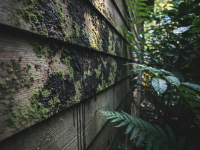
The musty smell you associate with mold isn’t actually the mold itself, but rather volatile organic compounds (VOCs) released by the mold as it grows and digests organic matter. These compounds, known as microbial VOCs (MVOCs), have a distinct earthy or “damp basement” smell. Mold spores are microscopic and ever-present in the air around us, both indoors and outdoors. They only become a problem when they land on a damp surface and find a food source, which in a closet, can be anything from fabric to dust to drywall. Once these conditions are met, mold can quickly colonize and start releasing those tell-tale musty odors.
Common Sources of Moisture in Closets
Moisture is the number one culprit behind mold growth. Closets are particularly susceptible because they are often enclosed spaces with limited airflow. Here are some common ways moisture can sneak into your closet:
- High Humidity: If your home’s overall humidity is high, especially in warmer months or humid climates, this moisture can permeate your closet space.
- Damp Clothing or Shoes: Putting away clothes or shoes that aren’t completely dry after washing, wearing, or being caught in the rain creates an immediate damp environment ideal for mold.
- External Walls: Closets on exterior walls can be prone to condensation if there’s a significant temperature difference between the inside and outside, or if insulation is poor.
- Leaky Pipes or Roof: A hidden leak from a nearby bathroom pipe, an upstairs plumbing issue, or a roof leak can introduce significant moisture into a wall cavity or ceiling that then affects your closet.
- Poor Ventilation: Closets often lack proper ventilation, trapping any existing moisture inside and creating a stagnant, humid microclimate.
- Over-Stuffed Closets: Too many items packed tightly together restrict air circulation, allowing moisture to settle and encouraging mold growth.
- Flooding or Water Damage: Past water damage that wasn’t thoroughly dried out can lead to long-term mold issues, even if the initial event was years ago.
Why Mold Thrives in Closets
Closets offer a perfect storm for mold growth due to several factors:
- Darkness: Mold doesn’t require light to grow; in fact, darkness often aids its proliferation by preventing UV light, which can inhibit some mold types, from reaching it.
- Still Air: The lack of air movement in a closed closet prevents moisture from evaporating, creating a consistently damp environment.
- Abundant Food Sources: Cotton, linen, wool, leather, paper, wood, and even the dust that collects on these items are all organic materials that mold happily feeds upon.
- Consistent Temperatures: Closets maintain relatively stable temperatures, which, if within mold’s preferred range (typically 60-80°F or 15-27°C), can accelerate growth.
Identifying the Source of the Mold
Before you can tackle the problem, you need to find exactly where the mold is growing. Don’t just assume it’s on a pile of clothes; it could be deeper.
Visual Inspection
Start with a thorough visual inspection. Remove everything from your closet – clothes, shoes, boxes, shelves, and hangers. This is a good opportunity to declutter as well. Once the closet is empty, examine every surface:
- Walls: Look for discolored patches (black, green, white, gray, or fuzzy spots). Pay close attention to corners, behind shelves, and near the floor.
- Ceiling: Check for any stains, drips, or textured areas that might indicate a leak from above.
- Floor: Examine baseboards, carpets, and hard flooring for signs of moisture or discoloration.
- Shelves and Drawers: Wooden or laminate surfaces are prime spots for mold if they’ve been damp.
- Ventilation Grilles: If your closet has an HVAC vent, check inside and around it.
Even if you don’t see visible mold, don’t dismiss the smell. Mold often grows behind drywall or under flooring, where it’s out of sight but still produces those tell-tale MVOCs.
The Sniff Test
Use your nose! Once the closet is empty, try to pinpoint the strongest concentration of the musty smell. Does it seem stronger near the back wall? Near the floor? In a particular corner? This can help guide your investigation, especially if visual signs are minimal. The smell test is often the first and most reliable indicator that mold is present.
Checking Contents
Don’t forget to inspect the items that were in the closet. Individual clothing items, shoes, luggage, fabric bags, cardboard boxes, and books can all harbor mold. Look for fuzzy spots, discoloration, or a persistent musty smell on these items themselves. Sometimes, the mold issue might originate from a single moldy shoe or a forgotten damp towel, rather than the closet structure itself.
Safety First: Before You Start
Before you begin cleaning, it’s crucial to prioritize safety, especially if you have allergies or respiratory sensitivities. Mold spores can become airborne during cleaning, so take these precautions:
- Wear Protective Gear: Don a N-95 respirator mask to avoid inhaling spores, rubber gloves to protect your skin, and eye protection (goggles).
- Ventilate the Area: Open windows and doors to increase airflow. You might even use a fan to blow air out of the closet and room, but avoid directing it directly at the mold, as this can spread spores.
- Isolate the Area: If possible, close the door to the room or hang plastic sheeting to prevent spores from spreading to other parts of your home.
- Protect Yourself: Wear old clothes that you can wash immediately in hot water after cleaning or dispose of.
How to Eliminate Mold and the Musty Smell
Once you’ve identified the mold and taken safety precautions, it’s time to tackle the cleaning. The approach will depend on the extent of the mold growth.
For Small, Manageable Mold Spots
If the mold covers an area smaller than about 10 square feet (roughly 3 feet by 3 feet), and it’s on a non-porous surface, you can likely handle it yourself. For guidance on general mold cleaning, you might find helpful tips from resources like Good Housekeeping’s guide to getting rid of mold.
Here are some effective cleaning solutions for closet surfaces:
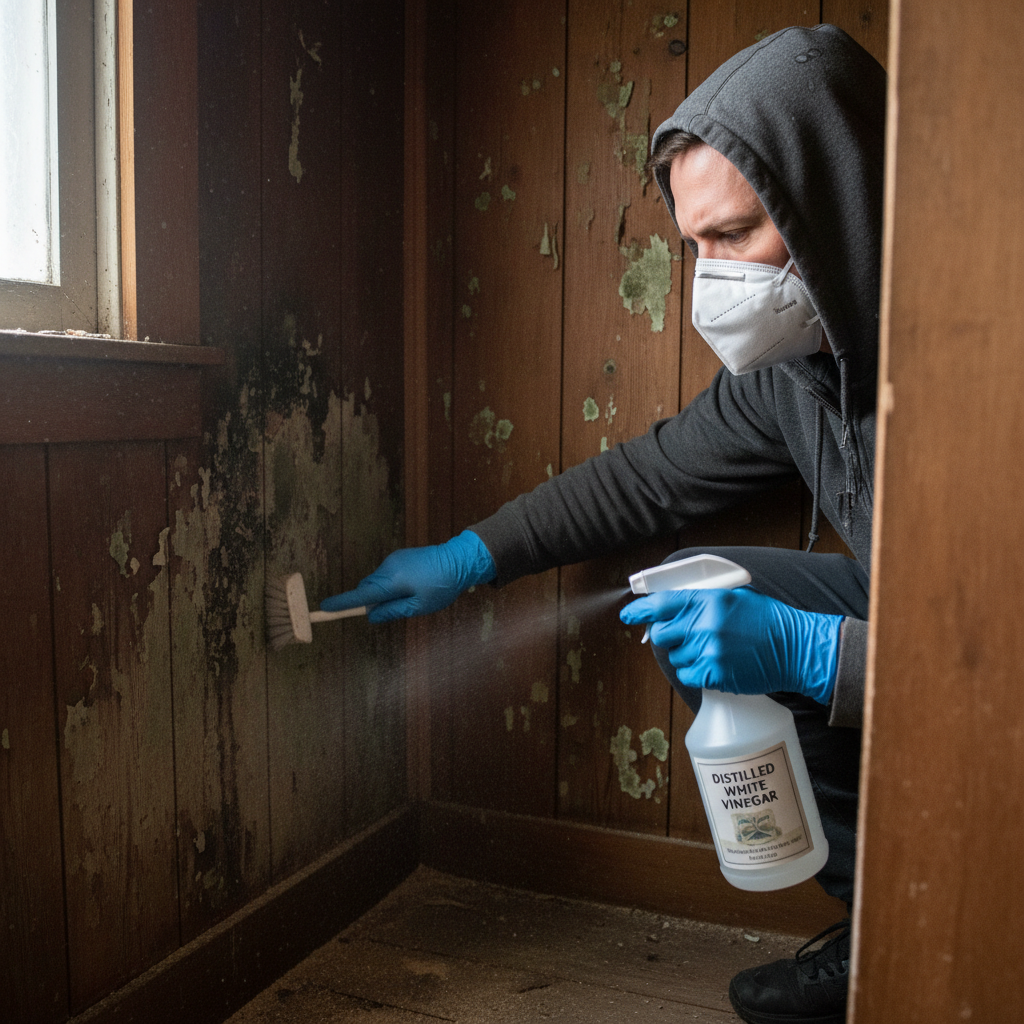
- White Vinegar: Undiluted white vinegar is a mild acid that can kill about 82% of mold species. Spray it directly onto the moldy surface, let it sit for at least an hour, then scrub with a stiff brush and wipe clean. The vinegar smell will dissipate quickly.
- Baking Soda: Mix a quarter teaspoon of baking soda with water in a spray bottle. Spray the moldy area, scrub, and wipe. Baking soda also acts as a deodorizer.
- Hydrogen Peroxide: A 3% hydrogen peroxide solution can kill mold. Spray it on the mold, let it sit for 10-15 minutes, then scrub and wipe clean. Test on an inconspicuous area first, as it can lighten some surfaces.
- Commercial Mold Removers: Many products are specifically designed for mold removal. Follow the manufacturer’s instructions carefully.
Important Cleaning Steps:
- Apply your chosen cleaning solution.
- Allow it to sit for the recommended time (e.g., an hour for vinegar, 10-15 minutes for peroxide).
- Scrub the affected area thoroughly with a stiff brush or scrub pad.
- Wipe the area clean with a damp cloth, rinsing the cloth frequently.
- Dry the area completely with a clean towel or by using a fan. Moisture left behind will only encourage mold to return.
For Larger or Persistent Mold Problems (When to Call a Professional)
You should consider calling a professional mold remediation specialist if:
- The moldy area is larger than 10 square feet. Extensive mold growth can be hazardous to remove without proper containment.
- You suspect mold behind walls or under flooring. This often requires demolition and specialized equipment for safe removal and drying.
- The mold returns quickly after cleaning. This indicates an unresolved moisture issue that needs expert assessment.
- You or family members experience significant health issues (severe allergies, respiratory problems) whenever near the closet.
- You have health concerns or are immunocompromised.
Professionals have the expertise and equipment to safely remove mold, address the underlying moisture problem, and restore your closet to a healthy state.
Cleaning Affected Items
Don’t put items back into a clean closet if they still smell musty or have visible mold. They’ll just re-contaminate the space. Here’s how to treat various items:
- Washable Clothing and Fabrics: Wash in the hottest water safe for the fabric, adding a cup of white vinegar or a mold-killing laundry additive to the wash cycle. Air dry outside in the sun if possible (sunlight is a natural mold killer), or tumble dry thoroughly. Ensure they are completely dry before putting them away.
- Non-Washable Clothing (Dry Clean Only): Take these items to a reputable dry cleaner, explaining that they have a mold or mildew smell.
- Shoes: Scrub visible mold with a brush dipped in a solution of equal parts water and white vinegar. For insoles, sprinkle with baking soda to absorb odors, let sit overnight, then vacuum. Stuff shoes with crumpled newspaper to absorb moisture and odor. Allow to air out completely.
- Leather Items (Bags, Belts, Jackets): Wipe visible mold with a cloth dampened with white vinegar. Follow with a specialized leather cleaner and conditioner to prevent drying and cracking. Air dry thoroughly.
- Books and Papers: Gently brush off mold outdoors to avoid spreading spores inside. Place them in direct sunlight for a few hours. For strong odors, place them in a sealed container with an open box of baking soda for a few days to absorb the smell.
- Wooden Items (Hangers, Boxes): Clean with a vinegar solution, then wipe dry. For persistent odors, sand lightly and reseal if appropriate.
Items that are heavily saturated with mold and cannot be effectively cleaned or salvaged should be discarded to prevent further spread.
Preventing Future Mold Growth in Your Closets
Once you’ve eliminated the mold, the real work begins: preventing its return. Prevention is key to maintaining a fresh-smelling and healthy closet.
Control Humidity
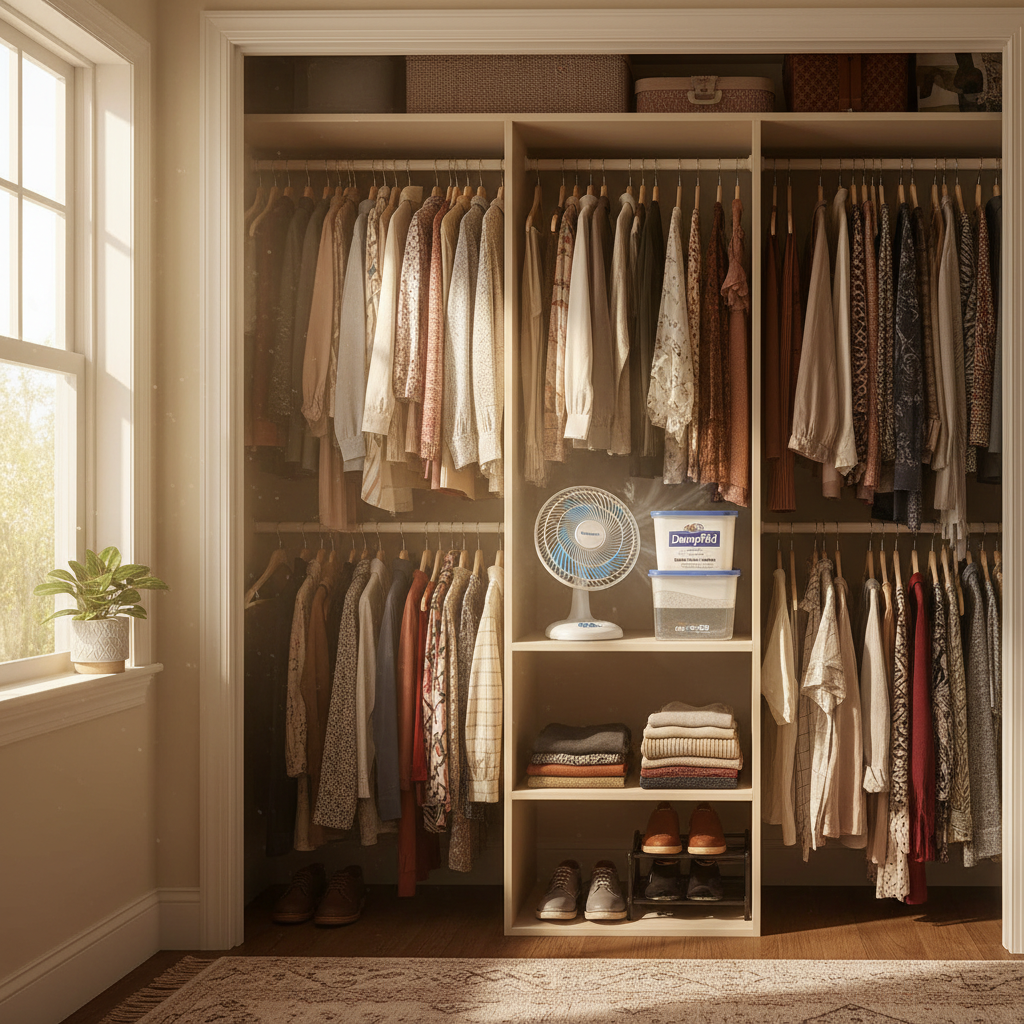
- Use a Dehumidifier: If you live in a humid climate or notice high humidity indoors, place a dehumidifier in the room where the closet is located, or even directly in a large walk-in closet. Aim for indoor humidity levels between 30-50%.
- Desiccants: For smaller closets, use moisture-absorbing products like silica gel packets, charcoal bags, or commercial closet dehumidifiers (e.g., DampRid). Replace them regularly.
- Ensure Proper Home Ventilation: Use exhaust fans in bathrooms and kitchens. Consider running your HVAC system’s fan periodically to circulate air.
Improve Airflow
- Leave Closet Doors Ajar: Whenever possible, leave your closet doors slightly open to allow air to circulate, especially after showering or on humid days.
- Don’t Over-Stuff: Avoid packing clothes too tightly. Leave some space between garments for air to flow.
- Consider Vented Doors: If you’re undertaking a renovation, consider replacing solid closet doors with louvered or vented ones.
- Circulate Air with a Fan: Occasionally, place a small fan near the closet opening to help air out the space.
Declutter and Organize
- Remove Unnecessary Items: The less clutter, the better the airflow and the fewer surfaces for mold to grow on. Periodically declutter your closet.
- Store Only Dry Items: Never put damp clothes, towels, or shoes into the closet. Ensure everything is completely dry before storage.
- Air Out Clothes: If you’ve worn an outfit but it’s not dirty enough for the wash, air it out on a drying rack for a few hours before returning it to the closet.
Regular Cleaning and Inspection
- Dust Regularly: Dust can be a food source for mold. Wipe down closet shelves, rods, and walls regularly with a damp cloth and a mild cleaner.
- Vacuum/Mop Closet Floor: Keep the floor clean and dry.
- Periodic Inspections: Once every few months, do a quick visual and sniff test of your closet to catch any potential issues early.
Smart Storage Solutions
- Use Breathable Storage: Opt for breathable fabric storage bins or baskets instead of sealed plastic containers, which can trap moisture.
- Elevate Items: If your closet floor is prone to dampness, use wire shelving or risers to keep items off the floor.
- Avoid Storing Cardboard Boxes on the Floor: Cardboard is highly absorbent and a favorite food source for mold. Use plastic bins or elevate boxes.
- Cedar Blocks/Hangers: While cedar is known for its insect-repelling properties and pleasant scent, it also naturally absorbs some moisture and can help deter mold growth, though it’s not a primary solution for existing moisture problems.
FAQs
Is mold smell dangerous?
While not all mold is equally toxic, prolonged exposure to mold spores and MVOCs can be harmful, especially for individuals with allergies, asthma, or compromised immune systems. Symptoms can include sneezing, runny nose, red eyes, skin rash, and wheezing. In more severe cases, it can lead to respiratory infections. It’s always best to address mold proactively for health and safety.
Can I just paint over mold?
No, painting over mold is a temporary fix that traps the mold underneath and doesn’t kill it. The mold will continue to grow, damage the painted surface, and eventually reappear, often worse than before. You must kill and remove the mold completely before repainting.
How long does it take for mold to grow in a closet?
Under ideal conditions (moisture, food source, appropriate temperature), mold can begin to grow within 24 to 48 hours. Once established, it can spread rapidly.
What’s the difference between mildew and mold?
Mildew is a common type of mold. Typically, “mildew” refers to white or gray, powdery or fuzzy mold that often grows on flat surfaces and can be easily wiped away. Other types of mold can be black, green, or red, often have a slimy or fuzzy texture, and can penetrate deeper into surfaces, making them harder to remove. Both produce musty odors.
Can I use bleach to kill mold?
While bleach can kill mold on non-porous surfaces, it’s not recommended for porous materials like wood, drywall, or fabrics, as it doesn’t penetrate deeply enough to kill the roots. It can also produce harmful fumes when mixed with other cleaners and can damage or discolor many surfaces. White vinegar or hydrogen peroxide are generally safer and more effective for household mold removal.
A musty odor emanating from your closet is more than just an unpleasant smell; it’s a clear indicator of a moisture problem and potential mold growth. Addressing this issue promptly is crucial for protecting your belongings, maintaining good indoor air quality, and ensuring the longevity of your home. By systematically identifying the source, safely cleaning affected areas, and implementing diligent preventative measures, you can banish that pervasive mold smell and reclaim a fresh, healthy, and inviting closet space for years to come. Your nose, your clothes, and your health will thank you!