The Art of Illusion: Making Your Small Living Room Feel Larger and Taller
The core principle of designing for small spaces with low ceilings is to create visual illusions that trick the eye into perceiving greater height and expanse. This involves a thoughtful approach to every element, from the walls to the floor.
Strategic Color Palettes for Expansive Feels
Color is one of your most powerful allies in a small, low-ceiling living room. The right hues can dramatically alter the perception of space.
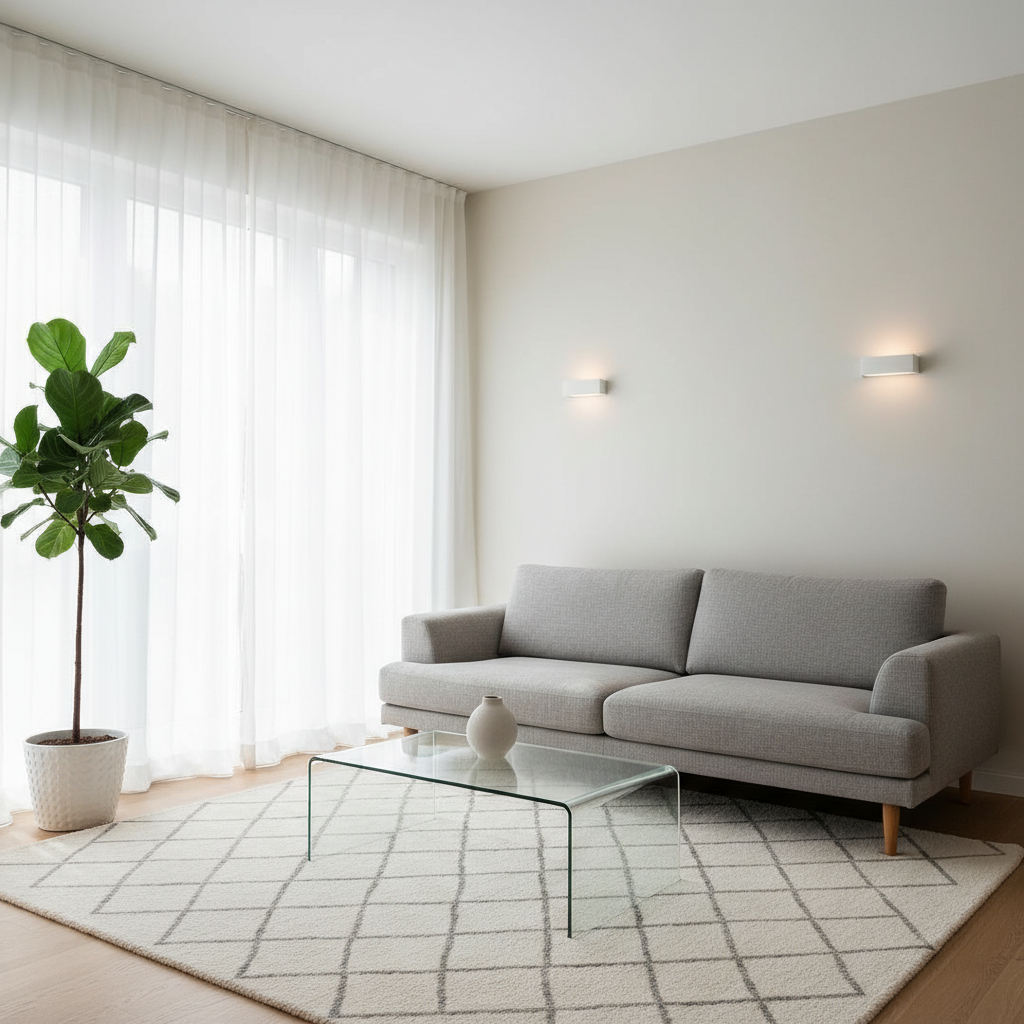
- Light and Bright Tones: Whites, off-whites, pale grays, and soft pastels reflect light, making walls recede and creating an open, ethereal feel. Consider a crisp white or a warm beige for your primary wall color to instantly brighten and expand the room.
- Monochromatic Schemes: Using variations of a single color throughout the room can create a seamless, continuous look that blurs boundaries and prevents the eye from stopping, thus making the space feel larger.
- Ceiling Color Strategy: Painting your ceiling a lighter color than your walls, ideally a pure white or a very pale tint, makes it appear to float higher. Alternatively, painting the ceiling the same color as the walls can create an infinite effect, especially if using a light color, blurring the line where the wall ends and the ceiling begins. Avoid dark ceiling colors, which tend to bring the ceiling down visually.
- Vertical Stripes (Subtle): While bold stripes can sometimes overwhelm, very subtle, tone-on-tone vertical stripes or textures can gently draw the eye upward, adding a perception of height without being too distracting.
Mastering Lighting to Elevate Your Space
Lighting is crucial for creating ambiance and influencing perception. In a low-ceiling room, strategic lighting can work wonders.
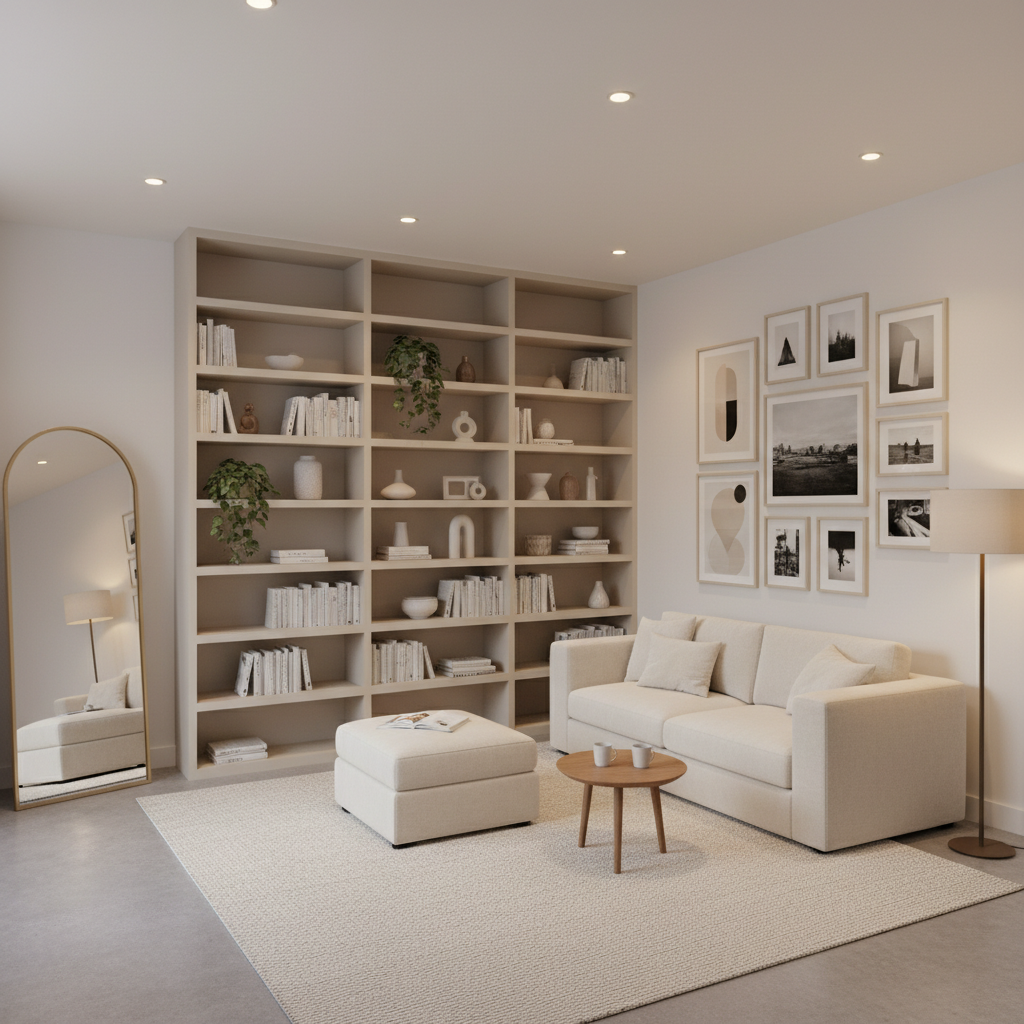
- Recessed Lighting and Flush Mounts: The golden rule for low ceilings is to keep fixtures close to the ceiling. Recessed lighting (pot lights) is ideal as it doesn’t intrude into the headroom. If you prefer surface-mounted fixtures, choose sleek, flush-mount designs that hug the ceiling.
- Uplighting and Wall Sconces: Directing light upwards onto the ceiling visually lifts it. Use wall sconces that cast light both up and down, or place floor lamps with upward-facing lights in corners. This technique creates a sense of spaciousness and prevents shadows that can make a room feel cramped.
- Layered Lighting: Combine ambient lighting (general room illumination) with task lighting (for reading or hobbies) and accent lighting (to highlight artwork or architectural features). This creates depth and interest, distracting from the ceiling’s height.
- Maximize Natural Light: Keep windows unobstructed. Use sheer curtains or blinds that can be pulled up completely during the day. Natural light is the best way to make any small space feel larger and airier.
- Avoid Pendant Lights and Chandeliers: Unless they are very small and strategically placed over a specific, low-sitting element like a coffee table, dangling fixtures will only emphasize the low ceiling.
Furniture Selection: Scale and Functionality are Key
Choosing the right furniture is critical for maintaining an open feel in a small living room with a low ceiling. Scale and multi-functionality are your best friends.
- Low-Profile Furniture: Opt for sofas, armchairs, and coffee tables with low backs and sleek designs. Furniture that sits closer to the floor creates more visual space above it, making the room feel taller.
- Leggy Furniture: Pieces with exposed legs (e.g., sofas, side tables, consoles) allow light and air to flow underneath, creating a sense of openness and making the room feel less heavy and crowded.
- Multi-Functional Pieces: In a small space, every item should earn its keep. Consider ottomans with storage, sofa beds, nesting tables, or benches that can serve as seating and a coffee table.
- Clear and Reflective Materials: Furniture made from glass, acrylic, or lucite visually disappears, allowing light to pass through and maintaining an open sightline. A glass coffee table, for example, can be incredibly effective.
- Built-in Solutions: Custom built-ins can be a game-changer. Floor-to-ceiling shelving (without doors, or with light-colored ones) can draw the eye upwards and provide seamless storage, reducing clutter.
- Avoid Over-Sized Pieces: Resist the urge to fill the room with large, bulky furniture that will absorb light and make the space feel cramped. Choose pieces that are proportionate to the room’s dimensions.
Decorating Vertically: Drawing the Eye Upward
Leverage vertical space to visually stretch the room. This technique redirects attention from the low ceiling to the entire height of the wall.
- Floor-to-Ceiling Curtains: Hang curtain rods as close to the ceiling as possible and let the curtains fall to the floor. This creates an illusion of height, especially with light-colored, flowing fabrics. Extend the rod beyond the window frame to make the window appear wider.
- Tall, Narrow Shelving Units: Instead of wide, short bookshelves, opt for slender, tall units that draw the eye upwards. Keep them relatively uncluttered to maintain an airy feel.
- Vertical Art and Mirrors: Hang artwork vertically or create a gallery wall that extends upwards. Large, tall mirrors can reflect light and the room’s opposite side, creating an illusion of depth and height. Place a mirror strategically to reflect a window or a beautiful focal point.
- Statement Wall Decor: A single, tall piece of art or a striking wallpaper pattern with a subtle vertical element can serve as a powerful focal point that guides the eye upwards.
- Plants with Height: Introduce tall, slender plants like a Fiddle Leaf Fig or a Snake Plant. Their vertical lines contribute to the illusion of height.
Smart Layouts and Organization for Compact Living Rooms
Beyond individual design elements, how you arrange and maintain your space significantly impacts its perceived size and comfort.
Optimizing Your Floor Plan
A well-thought-out layout ensures maximum functionality and a feeling of openness.
- Define Zones with Rugs: Use a single, large area rug to anchor the seating area. Too many small rugs can chop up the floor and make the room feel disjointed and smaller.
- Keep Traffic Paths Clear: Ensure there are clear, unobstructed pathways through the room. Furniture should not impede movement, as this instantly makes a space feel confined.
- Float Furniture: If possible, pull furniture slightly away from the walls. Even a few inches can create depth and prevent the room from feeling like a box.
- Utilize Corners: Corner shelves, a small corner desk, or a compact accent chair can maximize often-underused space without overwhelming the room.
Decluttering and Storage Solutions
A cluttered room, regardless of its size, will always feel smaller and more restrictive. Decluttering is perhaps the most immediate and impactful change you can make.
- Embrace Minimalism: Practice the “less is more” philosophy. Only keep items that are beautiful, functional, or hold sentimental value. Regularly purge unnecessary items.
- Hidden Storage: Integrate storage into every possible piece of furniture. Ottomans with lift-top storage, sofas with hidden compartments, and coffee tables with drawers are invaluable.
- Vertical Storage: As mentioned, tall, narrow bookshelves or wall-mounted shelving units keep items off the floor, freeing up precious square footage.
- Under-Furniture Storage: Use decorative bins or baskets that fit neatly under sofas or consoles, keeping essentials out of sight but within reach. For more expert advice on maintaining a clutter-free environment and optimizing every inch of your home, resources like Apartment Therapy offer excellent guides on small space living.
Textures, Materials, and Finishes to Enhance Height and Depth
The tactile and visual qualities of materials used in your living room can also play a significant role in making it feel larger and more open.
Reflective Surfaces: Mirrors and Glass
- Large Mirrors: Position a large mirror on a wall perpendicular to a window or to reflect an interesting view. This not only doubles the perceived space but also amplifies natural light, making the room brighter.
- Mirrored Furniture: A small mirrored chest or side table can add a touch of glamour while subtly contributing to the reflective quality of the room.
- Glass Tabletops: As previously mentioned, glass coffee tables or side tables maintain an open feel by allowing light to pass through and keeping visual pathways clear.
Flooring Choices for Visual Expansion
- Light-Colored, Continuous Flooring: Lighter flooring (light wood, light tiles, or pale carpets) can make a room feel more expansive. Using the same flooring material consistently throughout adjoining rooms can also create a sense of continuity and openness.
- Large Area Rugs: A single, large area rug can unify a space and create a defined zone without visually chopping up the floor. Choose a rug with a subtle pattern or a solid, light color.
Wall Treatments and Patterns
- Subtle Textured Wallpaper: A wallpaper with a subtle vertical texture or a very delicate, small-scale pattern can add interest without overwhelming the space. Choose light colors.
- Feature Wall (Carefully): If you opt for a feature wall, choose a design that draws the eye upwards or uses a light, expansive pattern. Avoid dark, busy patterns that can make the room feel smaller.
Bringing in Personality: Style Without Overwhelm
A small living room with a low ceiling doesn’t mean sacrificing personal style. It simply means being more deliberate with your choices.
- Thoughtful Accessorizing: Curate your accessories. Choose a few meaningful pieces over many small trinkets. Use vertical elements like a tall vase with long stems or slender sculptures to draw the eye up.
- Incorporating Greenery: Plants bring life and freshness into any space. Choose tall, slender plants (like a Dracaena or Areca palm) for vertical interest, or consider hanging planters if your ceiling allows, positioning them strategically so they don’t obstruct views or head space.
- Consistent Style: Sticking to a consistent design style (e.g., Scandinavian, minimalist, contemporary) helps create a cohesive and uncluttered look, which is essential in a small space.
Common Pitfalls to Avoid in Small, Low-Ceiling Living Rooms
To truly maximize your small living room with low ceilings, it’s just as important to know what to avoid as what to embrace.
- Over-Stuffing with Large Furniture: This is the most common mistake. Bulky sofas, oversized recliners, and too many pieces will quickly overwhelm the room and emphasize its small dimensions.
- Dark, Heavy Color Palettes: While dark colors can be dramatic in large, high-ceiling rooms, they tend to absorb light and make small, low-ceiling spaces feel cave-like and claustrophobic.
- Cluttered Surfaces and Open Shelving: Visual clutter instantly shrinks a room. Keep surfaces as clear as possible, and if using open shelving, curate items carefully to avoid a messy look.
- Poor Lighting: A single overhead light or insufficient ambient lighting can create harsh shadows and make the room feel dim and cramped.
- Ignoring Vertical Space: Failing to use the full height of your walls for curtains, art, or shelving is a missed opportunity to create the illusion of height.
- Heavy Window Treatments: Thick, dark drapes that block light will make the room feel smaller and darker. Opt for light, airy options.
Frequently Asked Questions About Small Living Room Design
How can I make a low ceiling look higher?
To make a low ceiling appear higher, use light-colored paint on the ceiling (often lighter than the walls), hang curtains as high as possible, utilize vertical elements in decor (tall mirrors, narrow bookshelves), incorporate uplighting, and opt for low-profile furniture.
What kind of furniture is best for a small living room with a low ceiling?
Low-profile furniture with exposed legs is ideal. Think sleek sofas, glass coffee tables, and multi-functional pieces like storage ottomans. Avoid bulky, oversized items that take up too much visual space.
Should I paint a low ceiling white?
Yes, painting a low ceiling white or a very pale, light color is often recommended. Light colors reflect light and make the ceiling visually recede, creating the illusion of greater height and an airier feel. You can also paint it the same light color as the walls for a seamless, infinite look.
How do I choose curtains for a small living room with low ceilings?
Choose light, airy fabrics for curtains, such as sheers or linen, in light colors. Hang the curtain rod as close to the ceiling as possible (ideally just below the crown molding) and extend it several inches beyond the window frame on each side. The curtains should just skim the floor, drawing the eye upwards and making the window appear taller and wider.
Conclusion
Designing a small living room with low ceilings might present its unique challenges, but it also opens up a world of creative possibilities. By strategically employing color, lighting, smart furniture choices, and clever decor tricks, you can transform a seemingly restrictive space into a haven of style, comfort, and openness. Remember, the goal is to create visual illusions that trick the eye into perceiving greater height and expanse, all while maintaining a cohesive and clutter-free environment. Embrace these home design ideas for small living rooms low ceiling, and watch your compact space evolve into a beautifully expanded and inviting retreat.