The Hidden Dangers of a Loose Deck Railing
While a slightly wobbly railing might seem like a minor inconvenience, it’s a critical safety concern. Deck railings are not merely decorative elements; they serve as essential safety barriers designed to prevent falls and provide support. When a deck railing becomes loose, its primary function is compromised, turning a beautiful outdoor space into a potential accident waiting to happen. The risks associated with an unstable railing include:
- Falls and Injuries: This is the most obvious and severe risk. A loose railing cannot provide adequate support, especially if someone leans against it unexpectedly or loses their balance. Falls from decks can result in serious injuries, including fractures, head trauma, and even fatalities.
- Liability Issues: As a homeowner, you are responsible for maintaining a safe environment. If someone is injured on your property due to a negligently maintained deck railing, you could face significant legal and financial repercussions.
- Further Structural Damage: A loose railing can indicate underlying issues with the deck’s structure, such as wood rot or failing fasteners. If left unaddressed, these problems can escalate, compromising the stability of the entire deck and leading to more extensive, costly repairs down the line.
- Diminished Property Value: A visibly unstable or poorly maintained deck detracts from your home’s curb appeal and overall value. Prospective buyers will scrutinize the condition of such features, and a loose railing can be a major red flag.
- Loss of Peace of Mind: Knowing your deck isn’t safe can diminish your enjoyment of the space. The constant worry about potential accidents can overshadow the pleasure of outdoor living.
For these reasons, identifying and addressing a deck railing becoming loose as soon as possible is not just a DIY project but a critical act of homeowner responsibility.
Common Causes Behind a Deck Railing Becoming Loose
Understanding why your deck railing might be losing its stability is the first step toward a lasting repair. Several factors, often acting in combination, can contribute to a wobbly deck railing:
Wood Rot and Decay
Wood, especially when exposed to the elements, is susceptible to rot and decay. Moisture penetration is the primary culprit, leading to the breakdown of wood fibers. This is particularly prevalent at the base of deck posts where they meet the deck surface or joists, or wherever water tends to pool. When the wood itself deteriorates, the fasteners holding the railing in place lose their grip, causing the entire section to become unstable. Inspect for soft spots, discoloration, or fungal growth.
Weather Exposure and Wear
Decks are constantly subjected to harsh weather conditions. The cycle of freezing and thawing, prolonged sun exposure, heavy rain, and strong winds all take their toll. These elements can cause wood to expand and contract, fasteners to corrode, and materials to degrade over time. UV radiation can also weaken wood fibers, making them more brittle and prone to cracking, further compromising the integrity of the railing system.
Improper Installation
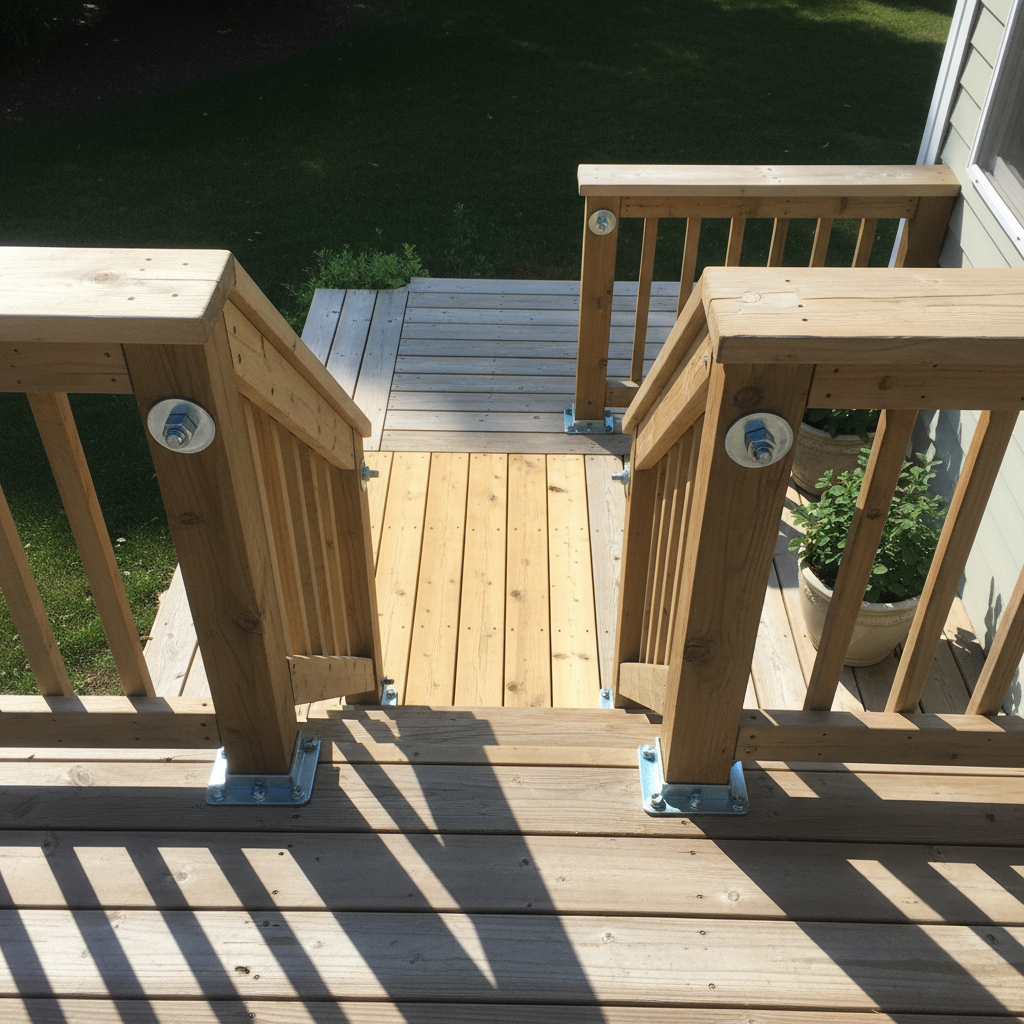
Sometimes, the problem stems from the initial construction. If the railing posts were not adequately anchored, if inappropriate fasteners were used, or if the overall design did not account for adequate bracing, the railing may become loose prematurely. Common installation errors include insufficient post depth, using nails instead of lag screws or through-bolts, or inadequate blocking between joists.
Fastener Failure
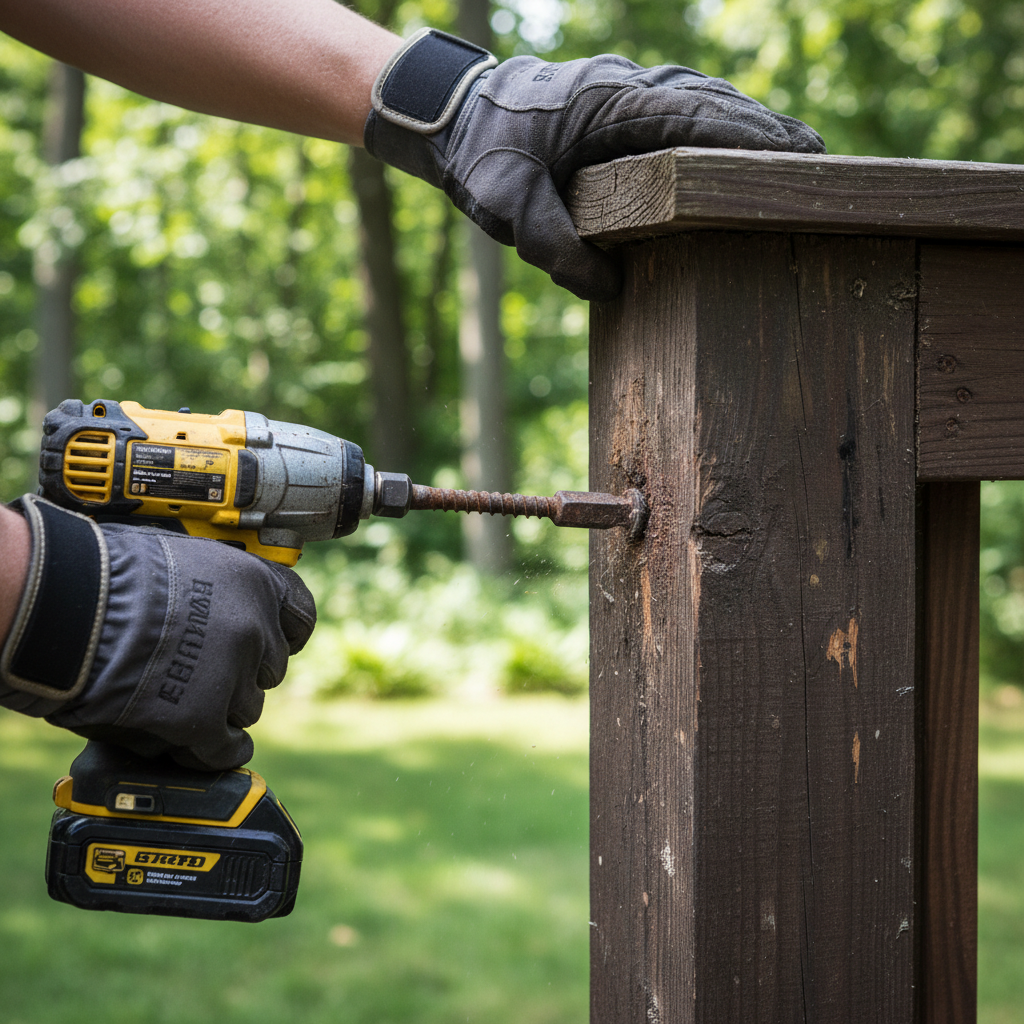
The hardware that secures your railing posts, balusters, and handrails is crucial. Over time, screws can loosen, bolts can strip, or nails can pull out due to movement, wood shrinkage, or corrosion. Exposure to moisture can cause metal fasteners to rust, weakening their structural integrity. Even galvanized or stainless steel fasteners can corrode if the protective coating is compromised or if they are exposed to certain chemicals.
Foundation and Structural Issues
While less common, sometimes the problem isn’t just with the railing components themselves but with the deck’s underlying structure. If the deck’s footings are settling, joists are sagging, or ledger boards are pulling away from the house, this movement can transfer to the railing system, causing it to loosen. These issues often require professional assessment and repair.
Material Degradation
Beyond wood rot, other railing materials can also degrade. Vinyl railings can become brittle from UV exposure, leading to cracks at attachment points. Metal railings, while durable, can suffer from rust or fatigue at welds or connection points, especially if not properly maintained or coated. Composite materials are generally more resistant but can still experience issues if fasteners fail or if the core material is compromised.
Early Warning Signs to Watch For
Being proactive about deck maintenance means recognizing the subtle indicators that a deck railing is becoming loose before it becomes a major safety hazard. Regular visual inspections are key. Here’s what to look for:
Visible Gaps or Wobbling
The most obvious sign is a railing section or post that visibly moves when you apply pressure. Try pushing and pulling on different sections of your railing. If you feel any give, see gaps appearing between components, or hear creaking sounds, it’s a clear indication of instability.
Rust or Corrosion on Fasteners
Inspect all screws, bolts, and nails holding the railing together. Any sign of rust, discoloration, or deterioration on metal fasteners means they are losing their strength and could be failing. Corroded fasteners cannot adequately secure the wood components.
Cracks or Splits in Wood
Examine the wood components of your railing, including posts, balusters, and handrails. Look for any cracks, splits, or areas where the wood appears to be separating. These can weaken the structure and allow fasteners to pull free. Pay close attention to areas around attachment points.
Sagging Sections
If a section of your handrail appears to be dipping or sagging between posts, it indicates that the support underneath is failing or that the connection points have weakened. This often points to issues with baluster attachments or inadequate bracing.
Unusual Noises
When you walk on your deck or lean on the railing, listen for any unusual noises like creaking, groaning, or squeaking. These sounds are often the auditory cues that wood is rubbing where it shouldn’t, or fasteners are straining under load.
Your Step-by-Step Guide to Fixing a Loose Deck Railing
Once you’ve identified that your deck railing is becoming loose, it’s time to take action. This guide provides a general approach; always adapt to your specific deck’s construction and materials.
Safety First: Essential Precautions
Before beginning any repair work, prioritize safety. Clear the area of obstacles, wear appropriate personal protective equipment (PPE) such as gloves and safety glasses, and if working at height, ensure stable footing. If you suspect extensive structural damage or are unsure about any step, it’s always best to consult a professional.
Tools and Materials You’ll Need
Gather your supplies before you start. You might need:
- Drill/driver with appropriate bits
- Impact driver (optional, but helpful for lag screws)
- Wrench set (for bolts)
- Level
- Tape measure
- Carpenter’s square
- Clamps
- Pry bar (for removing old wood or fasteners)
- Wood shims or blocking
- Exterior-grade screws (e.g., structural screws, lag screws, deck screws)
- Carriage bolts or through-bolts with washers and nuts
- Wood glue (exterior-grade)
- Wood filler or epoxy (for rot repair)
- Preservative-treated lumber (if replacing rotted wood)
- Sandpaper and wood stain/sealant
Diagnosing the Specific Problem
Carefully inspect the loose section. Determine if the issue is:
- A loose post: The entire vertical support is wobbly.
- Loose balusters/spindles: The vertical pickets between the handrail and bottom rail are unstable.
- Loose handrail/top rail: The horizontal top piece feels unstable.
- Rotted wood: Soft, spongy, or crumbling wood is present.
Repairing Loose Posts
Deck posts are critical for the railing’s stability. How you fix them depends on their installation method:
- For posts bolted to the rim joist or deck frame:
- Inspect existing bolts. If loose, tighten them.
- If bolts are stripped or corroded, replace them with new, longer, and stronger exterior-grade carriage bolts or lag screws. Ensure they go through solid wood.
- Add additional bracing: Install pressure-treated blocking between joists, flush with the rim joist, and then bolt the post to this blocking for extra support. Use structural screws to secure the blocking firmly.
- Consider a specialized post anchor or bracket if the existing connection is severely damaged or insufficient.
- For posts set into concrete (less common for decks, more for fences):
- If the concrete footing is cracked or heaving, this is a more complex structural issue that may require professional help.
- If the post is simply loose within the concrete, you might be able to inject a high-strength anchoring epoxy into the void around the post.
Securing Loose Balusters or Spindles
Balusters are often secured with nails or small screws, which can pull out over time:
- If nailed: Carefully remove old nails. Re-secure with exterior-grade deck screws. Predrill pilot holes to prevent splitting, especially in harder woods. Use at least two screws per connection point (top and bottom).
- If screwed: If screws are stripped, replace them with slightly longer or thicker exterior-grade deck screws. If the wood hole is stripped, you can fill it with wood glue and dowel, or move the screw slightly.
- Add angle brackets: For stubborn balusters, small L-brackets or specialty baluster connectors can provide additional hidden support.
Reinforcing Handrails
The top handrail needs to be securely fastened to the posts:
- Check connections to posts: If the handrail connects directly to the top of the posts, ensure the fasteners (often angle brackets or hidden screws) are tight and secure. Replace any failing hardware.
- Check connections between sections: If the handrail is pieced together, ensure the connections between sections are strong. Sometimes, adding a small piece of wood blocking underneath the joint and screwing through the handrail into the block can add rigidity.
- Add blocking: For longer spans, adding a small piece of wood blocking between the bottom of the handrail and the top of the bottom rail (or deck surface) near the center of the span can prevent sagging and add rigidity.
Addressing Rotted Wood
If you discover rotten wood, you have a few options depending on the severity:
- Minor rot: For small, localized areas of rot, especially on non-structural parts, you can sometimes cut out the rotted section, treat the surrounding wood with a wood hardener, and fill the void with exterior-grade wood epoxy. Sand and paint/seal afterwards.
- Significant rot: If a post, baluster, or rail section is extensively rotted, it must be replaced. Ensure the new wood is pressure-treated or naturally rot-resistant (like cedar or redwood) and properly sealed. When replacing posts, ensure the new posts are securely anchored to the deck frame, possibly with additional blocking and through-bolts. This can be complex and may warrant professional assistance.
For more detailed information on deck maintenance and repairs, you might find valuable resources on sites like Better Homes & Gardens, which often covers topics from minor fixes to major renovations, emphasizing safety and longevity.
Preventing Future Deck Railing Issues
Once your deck railing is secure, taking preventive measures can help ensure it stays that way for years to come.
Regular Inspections and Maintenance
Make it a habit to inspect your deck railing at least twice a year, ideally in spring and fall. Look for any of the warning signs mentioned above. Tighten any loose fasteners, clean off debris, and address minor issues before they escalate.
Proper Drainage and Sealing
Water is the enemy of wood decks. Ensure proper drainage around and on your deck. Clear leaves and debris that can trap moisture. Apply a high-quality water repellent or stain/sealant every 1-3 years (depending on the product and exposure) to protect the wood from moisture penetration and UV damage. Pay special attention to the end grain of posts and balusters, as this is where wood absorbs the most water.
Using Appropriate Hardware
When making repairs or building new, always use exterior-grade, corrosion-resistant fasteners. Hot-dipped galvanized or stainless steel screws, bolts, and connectors are essential for longevity in outdoor environments. Avoid using interior-grade hardware, which will quickly rust and fail.
Professional Installation
If you’re building a new deck or undertaking a major railing replacement, consider hiring a qualified professional. Proper installation according to local building codes and best practices will significantly reduce the likelihood of future problems. They have the expertise to select the right materials and fastening methods.
Material Selection
When replacing components or building new, choose materials known for their durability and resistance to the elements. Pressure-treated lumber, cedar, redwood, or composite materials are excellent choices for deck railings, offering varying degrees of longevity and maintenance requirements.
When to Call a Professional
While many minor deck railing repairs can be a rewarding DIY project, there are situations where calling a professional is the safest and most prudent choice.
Extensive Damage
If multiple posts are loose, significant sections of wood are rotted, or the entire railing system seems compromised, it indicates extensive damage that might require professional expertise. Replacing an entire railing system or making major structural repairs to the deck itself is often beyond the scope of a typical DIYer.
Structural Concerns
If you suspect the looseness is not just due to railing components but originates from deeper structural issues with the deck’s foundation, joists, or ledger board, a professional deck builder or structural engineer should be consulted. These issues affect the entire deck’s safety and integrity.
Lack of Expertise or Tools
If you’re uncomfortable with power tools, lack the necessary equipment (like a powerful impact driver for lag screws), or are simply unsure about the proper techniques for repair, it’s safer to hire a professional. Incorrect repairs can worsen the problem or create new safety hazards.
Time Constraints
Repairing a loose deck railing correctly takes time and effort. If you don’t have the time to dedicate to a thorough and safe repair, a professional can often complete the work efficiently and effectively, ensuring your deck is safe in a timely manner.
FAQs About Deck Railing Stability
How often should I inspect my deck railing?
It’s recommended to visually inspect your deck railing at least twice a year, ideally in the spring after winter thawing and in the fall before winter sets in. Also, perform a quick check after any severe weather events.
Can I fix a loose railing myself?
Many minor issues, like a few loose screws or a wobbly baluster, can be fixed by a competent DIYer. However, if the problem involves extensive rot, structural issues with the deck, or multiple loose posts, it’s often best to consult a professional.
What are the best fasteners for deck railings?
For outdoor use, always opt for exterior-grade, corrosion-resistant fasteners. Hot-dipped galvanized or stainless steel screws, lag screws, and carriage bolts are highly recommended. Avoid standard interior-grade screws or nails, as they will rust and fail prematurely.
How much does it cost to fix a loose deck railing?
The cost varies widely depending on the extent of the damage, the materials needed, and whether you do it yourself or hire a professional. Minor repairs might only cost the price of new hardware ($10-$50). Extensive repairs, including professional labor and material replacement, could range from a few hundred to over a thousand dollars.
Is a loose deck railing a safety hazard?
Absolutely. A loose deck railing significantly compromises the safety barrier of your deck, greatly increasing the risk of falls and serious injuries. It should be addressed immediately, as it is not just an aesthetic issue but a critical safety concern.
Your deck railing is more than just an architectural feature; it’s a vital safety component. When you find your deck railing becoming loose, it’s a clear signal that attention is needed. By understanding the causes, recognizing the warning signs, and taking the appropriate repair and preventive steps, you can ensure your deck remains a safe, beautiful, and enjoyable space for years to come. Don’t compromise on safety; tackle those loose railings head-on and reclaim your peace of mind.