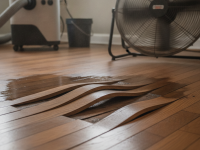
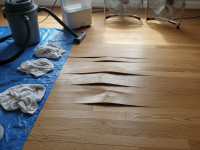
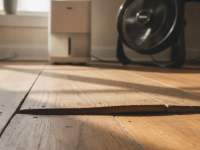
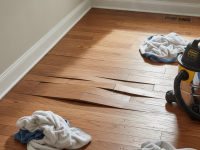
If you’ve discovered floorboards lifting after water spill, you’re facing a common—and stressful—problem that can quickly worsen if left untreated. Whether it’s a small kitchen mishap, a burst pipe, or an overflowing appliance, water can force boards to cup, buckle, or lift, compromising both the look and safety of your floors. This guide walks you through quick triage, drying and repair options, prevention strategies, and when to call a pro.
Why floorboards lift after water spill
Wood is hygroscopic: it absorbs and releases moisture. When the moisture content of boards rises unevenly, they expand. If expansion is constrained (against walls, fixed trims, or adjacent dry boards), the wood has nowhere to go except up—creating buckles, cupping, or lifted joints. Several factors influence the severity:
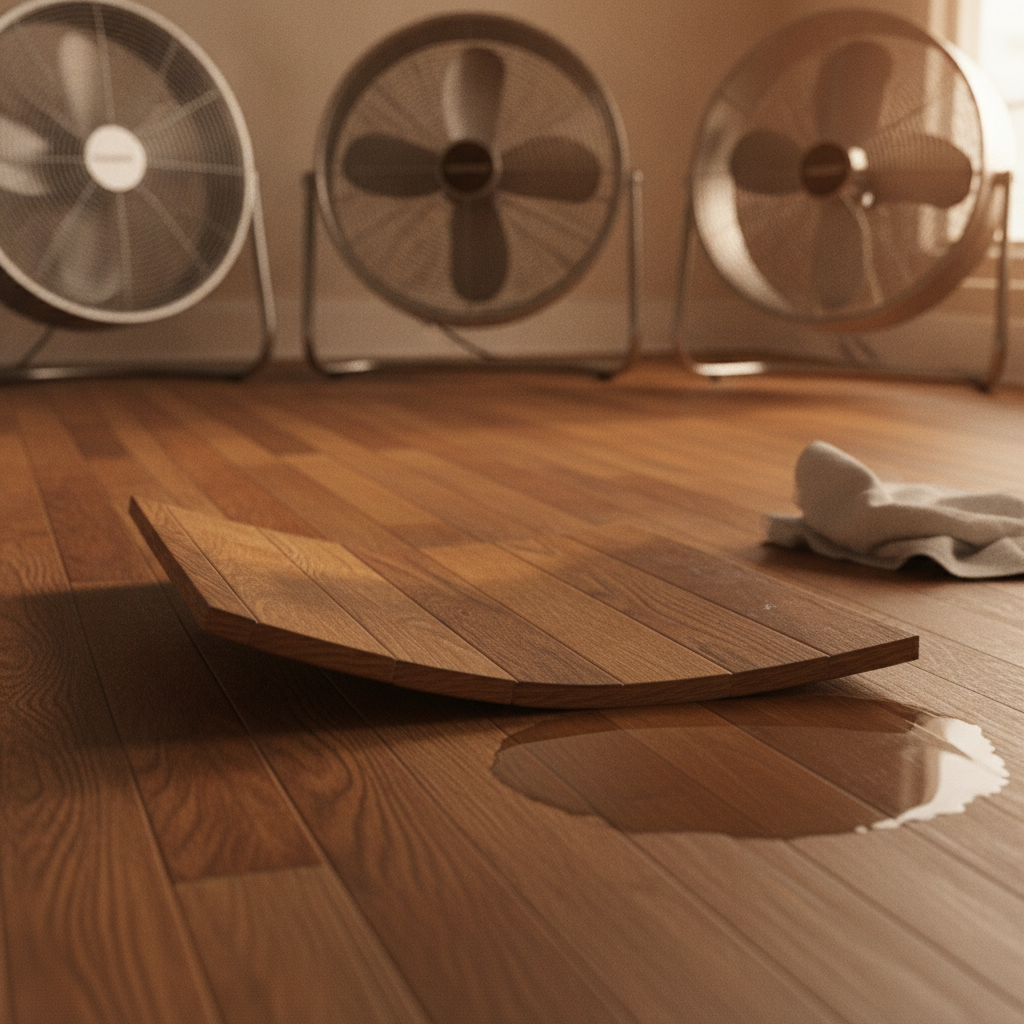
- Type of flooring: solid hardwood, engineered hardwood, laminate, and vinyl react differently to water.
- Duration and amount of exposure: standing water causes deeper damage than a quick spill.
- Subfloor condition and ventilation: poor drying and trapped moisture increase the risk.
- Age and finish: older, worn finishes let water penetrate more quickly.
First steps: what to do immediately
Act fast to reduce the damage. These are the safe first moves when you notice floorboards lifting after water spill:
- Stop the source. Shut off water valves, unplug leaking appliances, or mop up spills immediately.
- Move furniture and rugs away from the wet area to prevent staining and trapped moisture.
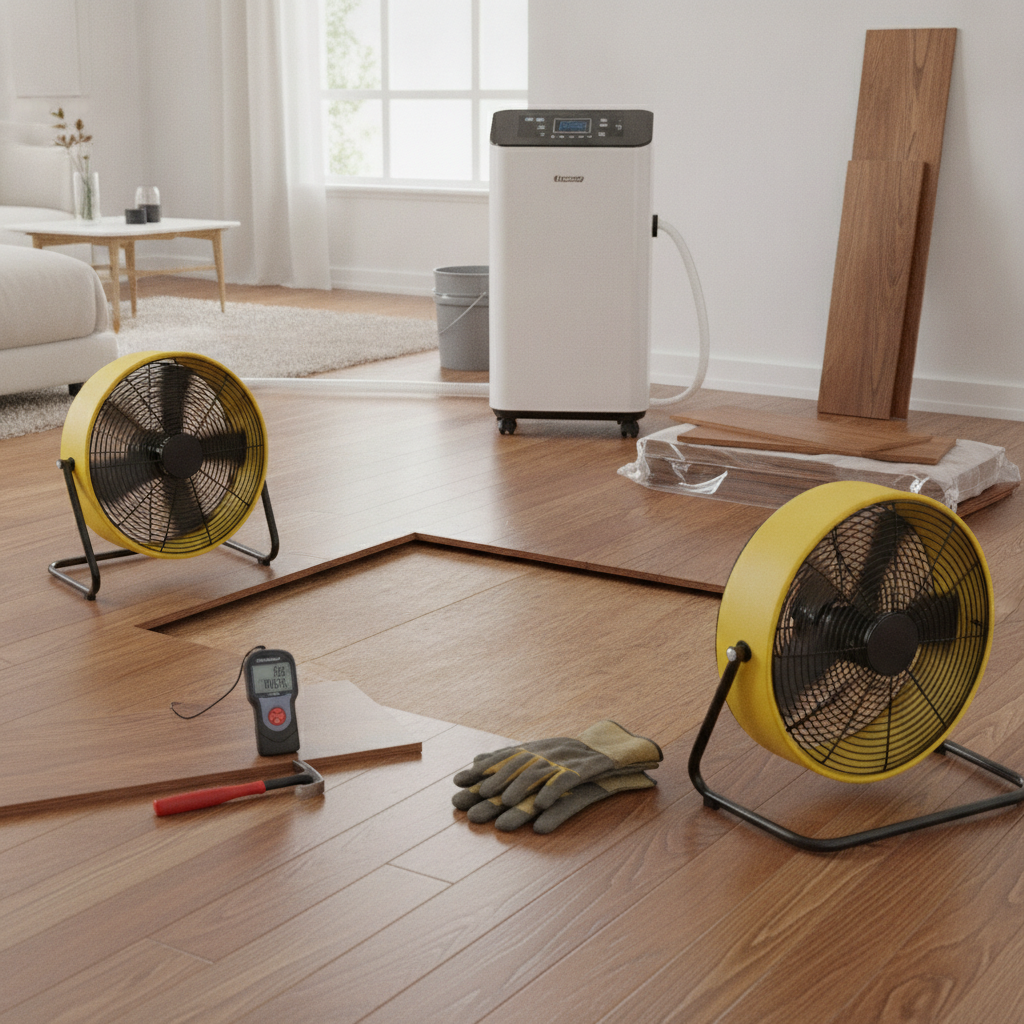
- Ventilate and dry. Open windows and doors if the weather allows. Set up high-capacity fans and a dehumidifier aimed at the affected area.
- Blot—don’t rub. Use absorbent towels to soak up pooled water. Replace towels frequently.
- Document the damage. Take clear photos and notes for insurance or contractor reference.
Drying techniques and timelines
How long the floor takes to dry depends on spill size and the type of flooring. Here’s a practical approach:
- Small spills: dry within hours. Fans and open windows usually suffice.
- Moderate exposure (a few hours): 24–72 hours of active drying with fans and a dehumidifier.
- Significant flooding or prolonged exposure: may take several days to weeks. Use industrial fans, dehumidifiers, and consider lifting baseboards for airflow to the edges.
For best results, rent or use an air mover and desiccant or refrigerant dehumidifier. Check the moisture content with a moisture meter if you have one—hardwood should be within the manufacturer’s recommended range (usually 6–12% depending on climate) before repairs or refinishing.
Assessing the damage: salvage or replace?
Once the floor is dry, evaluate whether the boards can be saved or must be replaced. Consider these guidelines:
- Minor cupping or slight gaps: often salvageable by acclimating and refinishing.
- Boards with raised edges, persistent gaps, or buckling that doesn’t return flat: usually replaced.
- Delamination on engineered planks (top layer separating): replacement is often required for affected planks.
- Significant mold growth, soft spots, or rot in the subfloor: requires immediate professional intervention and likely replacement.
Solid hardwood vs engineered hardwood vs laminate
Understanding the material helps predict outcomes:
- Solid hardwood: can be sanded and refinished if the boards are structurally sound. Severe buckling or cupping beyond sanding depth means replacement.
- Engineered hardwood: more dimensionally stable; the top veneer can be refinished only a limited number of times. If the core is warped or delaminating, plank replacement is recommended.
- Laminate: water usually causes swelling at the joints; repairs are seldom effective—most often you’ll need to replace the affected panels.
Basic DIY repairs for minor lifting
If the damage is superficial and you’re comfortable with basic tools, try these steps:
- Ensure the floor is completely dry—this is essential.
- Use weights and a flat board to help flattened boards settle back into place over several days.
- For small gaps, use wood filler or flexible floor caulk matched to the finish color.
- If cupped boards have returned to near-flat after drying, sand and refinish the area to restore appearance and protection.
Tools you’ll need: moisture meter, sander or sanding block, wood filler, floor finish, fans, dehumidifier, and safety gear (mask and gloves).
When to remove and replace boards
Replace boards when structural integrity or appearance is permanently compromised. Standard replacement steps:
- Remove baseboards and transitions to access the edges.
- Carefully cut and lift damaged boards—preserve undamaged tongues if possible to ease installation.
- Check and repair subflooring—replace any rotten or soft sections.
- Install new boards matched for species, thickness, and finish. Allow new wood to acclimate in the room for several days.
- Refinish the replaced area to blend with the existing floor.
For floating floors like laminate or some engineered systems, you may be able to simply remove and replace a section, but be mindful of expansion gaps and locking mechanisms.
Mold, odors, and health concerns
Standing water and trapped moisture create a breeding ground for mold within 24–48 hours. If you notice a musty smell, visible mold, or stains under boards, take these steps:
- Do not sand or disturb visibly moldy areas—this can release spores into the air.
- Contact a professional mold remediation service if mold is extensive or in HVAC systems.
- Use HEPA-filter vacuums and wear PPE if you attempt small cleanups yourself (gloves, N95 respirator, goggles).
- Monitor family members for allergy symptoms during cleanup and drying.
Costs and when to call a professional
Repair costs vary widely by flooring type, extent of damage, and local labor rates. As a general ballpark:
- Minor repairs and refinishing: $200–$1,000 depending on area and finish work.
- Replacing several boards and minor subfloor repair: $500–$2,000.
- Full room replacement (hardwood removed, subfloor repaired, new install): $2,500–$8,000+ depending on materials and size.
Call a professional if:
- There’s structural subfloor damage or large soft spots.
- There’s visible mold or health-risk contamination.
- Water damage affects a large area or extends under cabinets and into walls.
Prevention: steps to keep floorboards from lifting in the future
Prevention is more cost-effective than repair. Adopt these smart habits:
- Address leaks quickly—regularly inspect appliances, pipes, and appliances that use water.
- Install water alarms near washing machines, water heaters, and dishwashers.
- Maintain indoor humidity between 35–55% to minimize wood movement; use a humidifier or dehumidifier seasonally.
- Protect floors under sinks and appliances with waterproof mats or trays.
- Seal gaps and maintain the finish on hardwood so water cannot easily penetrate.
Insurance and documentation
Water damage coverage depends on your policy and cause of damage. Sudden events (like burst pipes) are commonly covered, while gradual leaks often are not. To help with a claim:
- Document everything: photos, dates, actions taken, and receipts for repairs and rentals (fans, dehumidifiers).
- Contact your insurer promptly and follow their guidance for damage mitigation.
- Keep records of professional reports and remediation estimates.
Further reading and resources
For practical tips on caring for wood floors and post-spill cleanup, industry sites and home-living experts can be helpful. Better Homes & Gardens offers reliable guides on flooring care and repair techniques you may find useful: Better Homes & Gardens – Flooring.
Frequently Asked Questions (FAQs)
Can I save floorboards lifting after water spill or do they always need replacing?
Not always. If boards have only slightly cupped or the moisture issue is resolved and the wood returns flat, sanding and refinishing can restore them. Severe buckling, delamination, or warping beyond the board’s sanding depth usually requires replacement.
How long should I wait to refinish after a spill?
Wait until the moisture content in the boards reaches normal levels for your area—typically measured by a moisture meter. This might take days to weeks depending on the spill. Refinishing too soon can trap moisture and cause recurring problems.
Will sanding out cupping fix the appearance?
If cupping is minor and the boards are structurally sound, sanding can level the surface and allow refinishing. Deep cupping or severe thickness loss cannot be corrected by sanding alone.
Is laminate salvageable after water damage?
Laminate is prone to swelling and joint failure when exposed to water. Small areas may be replaced panel by panel, but significant water exposure often means replacing the flooring.
When should I call a professional?
Call a professional if the affected area is large, there’s visible mold, subflooring is soft, or you’re unsure about structural damage. Professionals can provide accurate moisture readings, safe mold remediation, and reliable repair or replacement estimates.
Final notes
Floorboards lifting after water spill is a stressful situation, but with fast action, proper drying, and the right repair plan you can limit damage and restore your floors. Small, quick spills are often manageable at home; extensive flooding or mold requires professional help. Keep documentation and prioritize safety—mold and structural damage are risks that should not be minimized.
If you’d like to learn more about creating a comfortable, durable interior that anticipates household mishaps like spills, consider exploring design strategies and resilient material choices in this resource: How to Design A Comfortable Modern Living Space