If you notice a draft coming from window frame in your home, you’re not alone — air leaks around windows are one of the most common sources of heat loss, cold spots, and uncomfortable rooms. This guide explains how to identify where the air is entering, practical DIY fixes, when to call a professional, and long-term solutions that improve comfort and lower energy bills.
Why a draft coming from a window frame matters
Drafts are more than a nuisance. Unsealed window frames allow outside air, moisture, dust, and pollutants to enter. That increases energy bills, creates cold spots, can cause condensation and mold, and impacts indoor comfort. Fixing drafts improves thermal performance and can extend the life of your windows.

Common causes of a draft coming from window frame
- Worn or missing weatherstripping: Rubber or foam strips around the sash that have compressed or fallen out over time.
- Failed caulk: Cracked or detached exterior or interior caulk at the trim or where the frame meets the wall.
- Loose or warped frames: Wooden frames can shrink or swell; vinyl frames can warp with temperature changes.
- Poorly fitted sash: Sashes that don’t close tightly because of misalignment, broken hardware, or rotten wood.
- Gaps around the window opening: Insulation voids between the window unit and rough opening allow air migration.
- Single-pane glass or old glazing: Older windows often lack insulating capability and may have gaps in the putty or glazing tape.
How to detect where the draft is coming from
Before you reach for caulk, perform a simple inspection to pinpoint leaks.
- Hold a lit candle or incense stick near window edges and watch for flickering smoke (do this carefully and away from curtains).
- On a cold day, place your hand near edges of the sash, corners, and between the frame and wall to feel for breezes.
- Use a thermal camera (or a smartphone thermal attachment) to visualize cold air infiltration.
- Check for visible cracks in caulk, gaps in weatherstripping, and deterioration of wood or glazing putty.
Quick DIY fixes for a draft coming from window frame
Many fixes are inexpensive and can be completed in an afternoon. Here are step-by-step solutions ranked by speed and effectiveness.
1. Replace or add weatherstripping
Weatherstripping seals the moving parts of windows. Choose the right type for your window style:
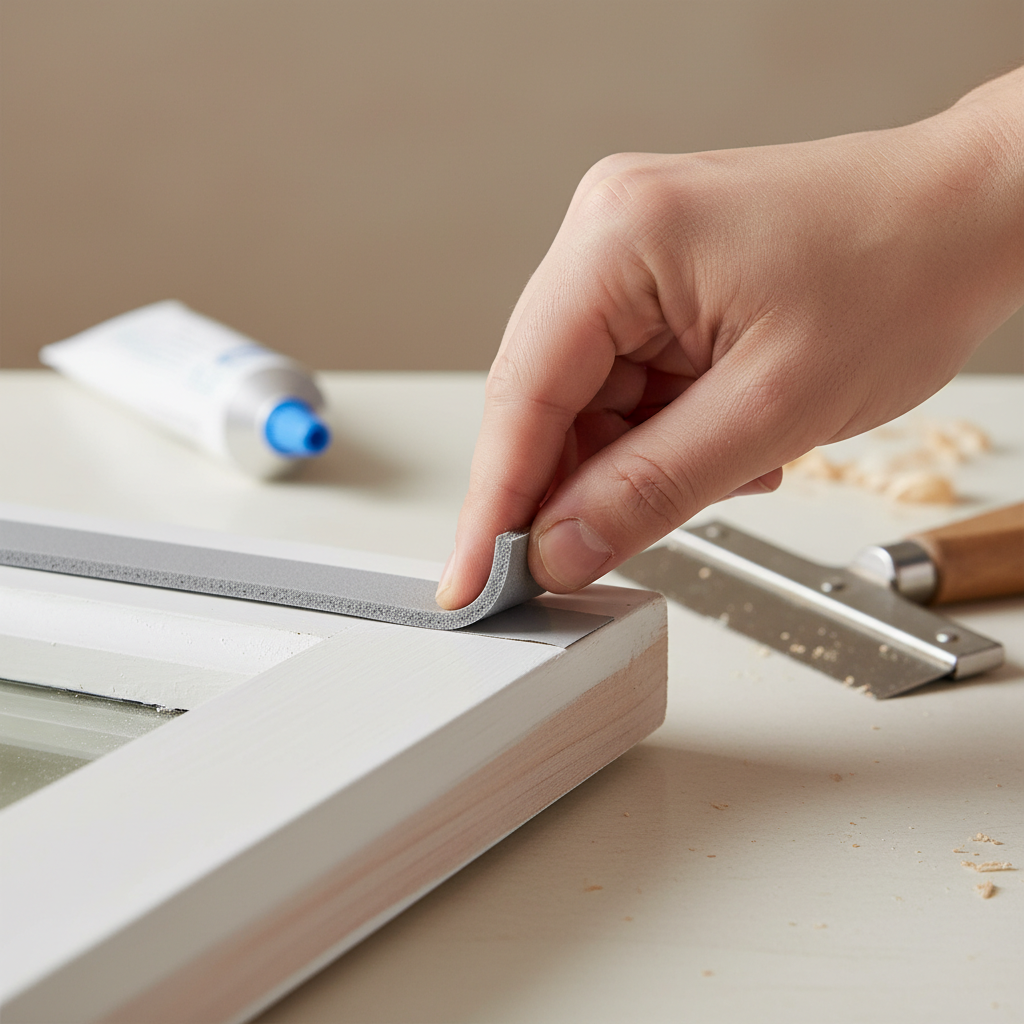
- V-strip (tension seal) for double-hung and sliding windows
- Felt or foam tape for sash contact points (low cost but shorter lifespan)
- Compression (bulb) seals for casement or sliding frames
How to do it: remove old material, measure the perimeter, cut new strips to size, and apply according to manufacturer instructions. Most weatherstripping is self-adhesive or snaps into a channel.
2. Re-caulk the stationary joints
Exterior and interior caulk seals stationary gaps where the frame meets the wall or trim. Use a high-quality exterior acrylic-latex caulk for painted surfaces and a silicone or polyurethane caulk for areas exposed to moisture.
How to do it: remove failing caulk with a putty knife, clean the surface with rubbing alcohol, apply a continuous bead, and smooth with a caulk tool or finger. Allow curing time as specified.
3. Fill gaps between frame and rough opening
Large gaps often exist between the window unit and rough opening. Use low-expansion window-and-door spray foam specifically formulated for this purpose to avoid bowing the frame. Trim the excess foam once cured and seal over with backer rod and exterior caulk or interior trim.
4. Use sash locks and adjust hardware
Tightening or replacing sash locks and adjusting closure points can improve the seal on double-hung windows. If a sash is misaligned, loosen the screws on the balance or operating hardware, realign, and retighten.
5. Install storm windows or window insulation film
For an immediate winter fix, interior insulating window film creates a nearly invisible barrier. Storm windows (exterior or interior) add a second glazing layer and improve R-value.
Step-by-step: Sealing a draft coming from window frame (DIY guide)
Materials needed: weatherstripping, high-quality caulk, utility knife, putty knife, spray foam (low-expansion), rubbing alcohol, cloth, measuring tape, screwdriver, and optionally insulating film or storm window.
- Inspect and identify leak points using the candle or incense test.
- Remove old caulk and weatherstripping where deteriorated.
- Clean surfaces with rubbing alcohol and allow to dry.
- Apply new weatherstripping to sash contact points, ensuring continuous contact and compression when closed.
- Caulk gaps where the frame meets trim and where trim meets wall (interior and exterior as needed).
- If there is a gap between the window unit and rough opening, apply low-expansion spray foam in short bursts; trim excess when cured.
- Test the window by closing and checking for movement or obstruction; adjust hardware if necessary.
- Optional: add insulating film or a storm window for extra thermal performance.
When to call a professional
Consider hiring a window professional when:
- Frames are rotted, warped, or damaged beyond simple repair.
- Windows are significantly misaligned and hardware replacement doesn’t help.
- Multiple windows have persistent leaks — it may indicate poor installation or building envelope issues.
- You want replacement windows that meet energy-efficiency standards (e.g., ENERGY STAR ratings).
Long-term solutions and upgrades
- Replace with double- or triple-pane windows: Modern insulated glass units with low-e coatings reduce heat transfer and condensation.
- Upgrade to low-conductivity frames: Fiberglass or vinyl frames minimize thermal bridging compared with older metal frames.
- Install secondary glazing or interior storm panels: Less expensive than full replacement and very effective for historic windows.
- Improve wall insulation near windows: Addressing the wall cavity and framing can eliminate hidden air paths.
Costs: what to expect
- Weatherstripping kit: $10–$50 per window
- Caulk and tools: $10–$30
- Low-expansion foam: $6–$15 per can
- Insulating film kit: $10–$40 per window
- Professional sealing or tune-up: $75–$250 depending on complexity
- Window replacement: $300–$1,200+ per window depending on materials and glazing
Costs vary widely by region and the window’s size and type. Prioritize inexpensive repairs first; if energy savings estimates or persistent problems justify replacement, consider new energy-efficient units.
Seasonal maintenance to prevent drafts
- Inspect and replace weatherstripping annually.
- Check interior and exterior caulk twice a year (spring and fall).
- Clean tracks and moving parts; lubricate hardware to ensure smooth closing.
- Monitor for signs of moisture or wood rot and address quickly.
Health and safety considerations
Persistent drafts can carry outdoor pollutants and increase condensation that fosters mold. Fix air leaks for better indoor air quality. When using caulks, solvents, or spray foam, work in a well-ventilated area and follow manufacturer safety instructions. For structural repairs or lead paint concerns in older homes, consult a licensed contractor.
Tools and materials checklist
- Replacement weatherstripping (type matched to your window)
- Exterior and interior caulk (silicone or acrylic-latex)
- Low-expansion spray foam for windows and doors
- Putty knife, utility knife, caulk gun
- Rubbing alcohol and clean cloths
- Measuring tape and pencil
- Screwdrivers and basic hand tools
- Optional: thermal camera or infrared thermometer
Further reading and trusted resources
For additional tips on insulating windows, winterizing, and choosing materials, reliable sources like HGTV offer practical how-tos and seasonal advice. See expert guidance at HGTV for projects and product suggestions.
Frequently Asked Questions (FAQ)
Q: Can I simply stuff towels or blankets into gaps to stop a draft?
A: Temporary measures like rolled towels or draft snakes work short-term but don’t solve the underlying air leak. Use them only as a stopgap while you install weatherstripping or caulk.
Q: How do I know if the draft is from the window frame or the wall?
A: Test systematically by holding a candle or incense near the frame, between the trim, and at the wall junction. If the smoke moves at the frame seam but not at the wall, the frame is the likely source. Thermal imaging provides a clearer picture.
Q: Is spray foam safe to use around windows?
A: Use low-expansion, window-and-door spray foam and apply sparingly in short bursts to avoid bowing or distorting the frame. Follow product instructions and allow full cure before trimming.
Q: Will replacing weatherstripping fix condensation problems?
A: Weatherstripping helps reduce airflow but condensation is often related to humidity and the insulating properties of the window. Improving ventilation and upgrading to double-pane or low-e glass are more effective long-term solutions.
Q: How long does caulk last on windows?
A: Quality exterior caulk can last 5–10 years depending on exposure, material, and climate. Inspect annually for cracking or detachment and reapply as needed.
Final tips
Start with a careful inspection, fix the simplest problems first (weatherstripping and caulk), and escalate to foam filling or professional help if needed. Small investments in sealing a draft coming from window frame pay back quickly in comfort and lower energy bills. Regular maintenance keeps your windows functioning well for years.
If you’d like to explore smart layout and décor ideas that complement a comfortable, energy-efficient home, consider reading How to Design A Comfortable Modern Living Space for inspiration and practical design tips: How to Design A Comfortable Modern Living Space.