If you notice a draft coming from window frame, it’s more than an annoyance — it can raise your energy bills, make rooms uncomfortable, and even lead to moisture problems. This guide explains why drafts happen, how to diagnose the exact source, step-by-step repairs for every skill level, and when it’s time to replace the window entirely.
Why a Draft Coming From Window Frame Happens
Windows are complex assemblies of glass, frame, seals, and moving parts. Air can infiltrate through tiny gaps, deteriorated seals, or failing insulated glass units (IGUs). Common causes include:

- Worn or missing weatherstripping on sash windows
- Deteriorated exterior or interior caulking
- Broken seals on double- or triple-pane windows (fogging indicates failure)
- Shrunk wood frames or rot that creates gaps
- Loose or ill-fitting window panes and trim
- Old single-pane windows lacking storm windows or thermal upgrades
How to Diagnose the Source of the Draft
Before buying materials or calling a pro, locate exactly where the cold air enters. Try these methods:
- Feel around the frame with your hand on a windy day or while the HVAC runs.
- Use a lit candle or incense stick: move it slowly along the frame edges and watch for smoke movement.
- On a cold day, press a dollar bill between the sash and frame. If it pulls free easily, the seal is weak.
- Check for visible gaps, cracked paint, warped wood, or condensation between panes (which signals a failed IGU).
Quick Temporary Fixes (Under 30 Minutes)
If you need a fast fix to make a room more comfortable immediately, these temporary solutions help until a permanent repair is possible.
- Apply adhesive foam weatherstripping for small gaps around movable sashes.
- Use removable window insulation film to create a temporary insulating air layer (works well for seasonal use).
- Rope caulk or putty applied along the frame fills irregular gaps and is easy to remove later.
- Heavy thermal curtains or cellular shades reduce perceived drafts and heat loss.
Permanent DIY Repairs
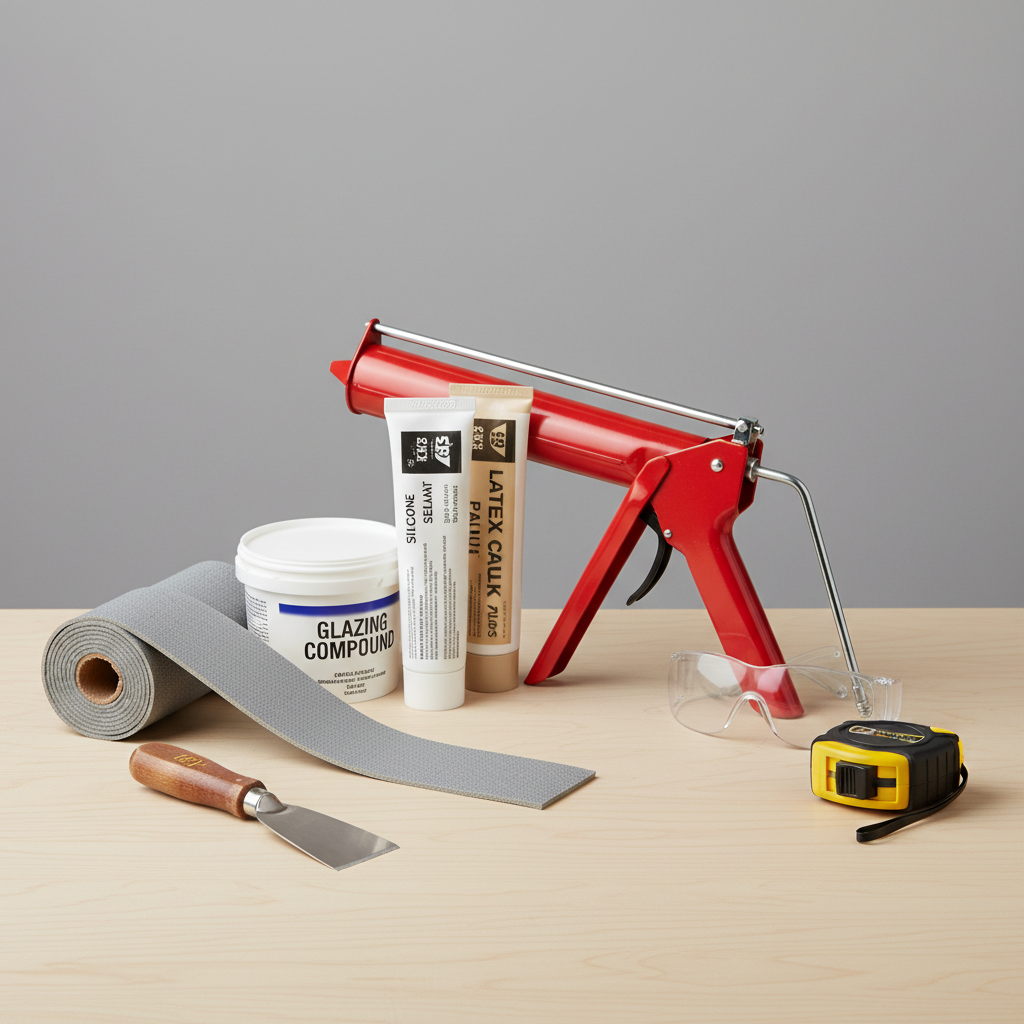
For durable results and improved energy efficiency, try these longer-lasting fixes. Most require basic tools: utility knife, caulk gun, screwdriver, measuring tape, and possibly a putty knife.
1. Replace or Add Weatherstripping
Weatherstripping is the first line of defense for double-hung and sliding windows.
- Types: adhesive foam tape, V-strip (tension), felt, tubular silicone, and magnetic seals.
- Measure the sash perimeter and buy matching material. Remove old stripping, clean surface, and apply new weatherstripping according to manufacturer instructions.
- Replacement is inexpensive and typically takes 30–60 minutes per window.
2. Re-caulk the Frame
Exterior and interior caulk seals gaps between the frame and the wall or trim.
- Remove cracked or missing caulk with a utility knife and clean the joint.
- Use a high-quality exterior-grade silicone or polyurethane caulk for exterior joints; use paintable latex for interior where you’ll paint.
- Apply a smooth bead and tool it for a tight seal. Allow full cure per product directions before painting or exposure.
3. Repair or Replace Glazing Putty (Wood Windows)
Historic wood windows often use glazing putty to secure panes. Cracked or missing putty creates leaks.
- Remove loose putty and clean the channel; prime bare wood if needed.
- Apply new glazing compound, press in glazing points (if used), and smooth the putty. Allow to cure before painting.
4. Fix or Replace Broken Seals on Insulated Glass Units
Fogging between panes means the seal failed and the IGU lost its insulating gas. This needs professional attention in many cases.
- Minor seals can sometimes be resealed, but often the IGU is replaced for long-term performance.
- Replacing the insulated glass unit restores R-value and stops drafts associated with thermal bridging and condensation.
5. Adjust or Repair Sash Hardware
Misaligned sash or broken balances can prevent windows from closing tightly.
- Check sash locks and keepers; tighten or replace hardware so sashes pull together snugly.
- Lubricate sliding tracks and check sash cords or balances on older windows; replace or adjust for proper fit.
When to Consider Professional Help or Window Replacement
Not every draft justifies a full window replacement, but consider replacement when:
- More than half your home’s windows show signs of failing seals, rot, or major air leakage.
- Repeated repairs haven’t stopped drafts or condensation problems.
- Single-pane windows are causing high energy bills and comfort problems (upgrading yields significant savings).
- The frame is rotted or the window has structural damage.
A full replacement provides the best long-term thermal performance, lowers energy bills, and often increases home value. Many manufacturers offer energy-efficient options (double/triple-glazed, low-E coatings, gas fills) that reduce drafts and improve comfort.
Materials and Cost Estimates
Costs vary by repair type and window condition. Rough ballpark figures:
- Weatherstripping: $5–$30 per window (materials only).
- Caulk (tube): $5–$15 per tube; one tube typically covers several windows.
- Window insulation film: $5–$20 per window for DIY kits.
- Professional IGU replacement: $150–$400 per window depending on size and region.
- Full window replacement: $300–$1,200+ per window installed depending on style and energy rating.
Seasonal Maintenance Checklist to Prevent Future Drafts
Regular maintenance extends window life and prevents drafts:
- Annually inspect seals, weatherstripping, and caulk lines; re-caulk or replace stripping as needed.
- Paint and seal wooden frames to prevent shrinkage and rot.
- Clean and lubricate hardware each spring and fall.
- Install storm windows or plan for a full upgrade if you live in a harsh climate.
Energy Savings and Comfort Benefits
Sealing drafts can reduce heating and cooling costs significantly. According to home improvement experts, air sealing windows and doors is a high-impact improvement for comfort and efficiency. Well-sealed windows reduce cold drafts, even indoor humidity problems, and make temperature control more consistent from room to room.
Safety and Health Considerations
Drafts themselves are usually a comfort and efficiency issue, but chronic cold spots and condensation can lead to mold or mildew growth in the frame or wall cavities. If you find mold, address the moisture source and consult health and remediation professionals as needed. Poorly installed storm windows or temporary film should not block emergency egress routes.
Best Window Types to Avoid Drafts
If you’re planning a replacement, consider these options for superior sealing and insulation:
- Double- or triple-pane windows with low-E coatings and argon or krypton gas fill deliver the best thermal performance.
- Vinyl and fiberglass frames resist rot and maintain tight seals better than aging wood frames.
- Well-installed casement windows crank shut for strong compression seals in windy locations.
DIY Step-by-Step: Resealing a Drafty Double-Hung Window
- Inspect and identify where the air is entering using a candle or incense.
- Remove old weatherstripping and clean the sash and frame with rubbing alcohol.
- Measure the perimeter and cut new weatherstripping to size.
- Apply adhesive-backed V-strip or foam to the sash meeting surfaces and compress the panels to ensure a snug fit.
- Remove old caulk around the exterior frame; apply a new smooth bead and allow to cure.
- Test by moving a candle along joints again to confirm the draft is reduced.
When a Temporary Fix Is Enough
If you plan to replace windows in the near future or rent a property where permanent changes aren’t allowed, temporary fixes like insulation film, rope caulk, tight-fitting curtains, and draft stoppers across the sill can make a space comfortable without major investment.
Further Reading and Trusted Resources
For more detailed techniques and projects, reputable home-improvement publications are helpful. For practical sealing and weatherproofing tips, see Better Homes & Gardens: how to seal around windows and doors for energy savings and comfort. (External link)
FAQs — Drafts From Window Frame
Q: How can I tell if a draft is coming from the frame or the glass?
A: Use a candle or incense to trace air movement along the edges. If the smoke moves near the frame seam or under the meeting rail, the frame is the likely source. Fogging between panes indicates a failed insulated glass unit rather than frame leakage.
Q: Will weatherstripping stop all drafts?
A: Weatherstripping stops many drafts around moving sashes but won’t fix gaps in the stationary frame, broken glazing, or failed IGUs. Combine weatherstripping with caulking and repairs for best results.
Q: Can I replace just the glass to stop drafts?
A: If the frame is in good condition and the IGU seal failed, replacing the insulated glass unit can restore performance. If the frame is rotten or warped, a full window replacement may be required.
Q: Are drafty windows dangerous?
A: Not directly dangerous, but persistent drafts can cause cold spots, higher energy use, and moisture accumulation that encourages mold growth. Addressing drafts improves comfort and indoor air quality.
Q: Is it worth installing storm windows?
A: Exterior or interior storm windows add an extra insulating layer and can be a cost-effective alternative to full replacement—especially for historic single-pane windows you want to preserve.
Final Thoughts
A draft coming from window frame is usually fixable with the right diagnosis and repair approach. Start with simple weatherstripping and caulking, and move to IGU replacement or full window replacement if problems persist. Regular inspection and seasonal maintenance will keep windows sealed and your home comfortable year-round.
If you’d like more design and comfort ideas for your whole home, consider exploring How to Design A Comfortable Modern Living Space for additional guidance and resources.
For a practical guide to sealing windows and doors, see Better Homes & Gardens for step-by-step tips and product recommendations: https://www.bhg.com/home-improvement/window/