If you notice a draft coming from window frame, it can make a room feel colder in winter, raise your energy bills, and even lead to moisture problems. Identifying the source and sealing the gap is one of the highest-impact, low-cost improvements you can make for comfort and efficiency. This guide walks you through how to locate the leak, choose the right materials, perform do-it-yourself repairs, and decide if it’s time for a window replacement.
Why a draft from a window frame matters
Air leaks around windows allow conditioned air to escape and outdoor air to enter. That can cause:

- Higher heating and cooling costs
- Uneven temperatures and cold spots in the room
- Condensation and increased risk of mold
- Dust and pollen infiltration
- Noise from outdoors
Even small gaps can let through a surprising amount of air. A tight seal makes your heating and cooling systems work less and improves comfort.
Common causes of drafts at window frames
- Worn or missing weatherstripping or glazing putty
- Shrinkage or settling of the framing or sill
- Cracked or deteriorated caulk between trim and frame
- Loose sash or hardware allowing gaps when closed
- Single-pane windows with poor seals around glass
- Damage from rot, pests, or impact
How to find exactly where the air is coming in
Before you buy materials, pinpoint the leak. Try these simple tests:
- The candle or incense test: On a windy day, close the window and light a candle or stick of incense. Move it slowly around the perimeter of the frame. If the flame flickers or the smoke wavers, you’re over a leak.
- The tissue test: Hold a thin tissue near joints and seams—if it flutters, you have a leak.
- The hand test: Use the back of your hand to feel for cold air streaming along edges.
- Thermal camera or infrared thermometer: For a more precise diagnosis, thermal imaging will highlight cold spots. Some hardware stores rent thermal cameras, and many phone attachment options are available.
Quick temporary fixes (same day)
If you need an immediate, temporary fix until you can do a permanent repair, try these options:
- Plastic window film: Shrink-wrap kits applied to the interior trim block drafts and are quick to install. They’re ideal for renters or temporary solutions.
- Draft snakes: Fabric tubes filled with insulation or rice can be laid on the sill to stop sill drafts.
- Rope caulk or removable sealant: Press-in putty works well for small gaps and can be removed later.
Materials and tools you’ll need for permanent repairs
For most DIY repairs you’ll want some basic materials. Choose quality products for a long-lasting seal.
- Silicone or latex exterior caulk (paintable if needed)
- Butyl or glazing compound for old single-pane sashes
- Adhesive foam or V-strip weatherstripping for sashes
- Felt or rubber weatherstripping for sash contacts
- Interior window foam tape for small gaps
- Low-expansion spray foam for larger voids (use sparingly)
- Caulk gun, utility knife, scraper, putty knife
- Measuring tape, rubbing alcohol for surface prep, painter’s tape
Step-by-step: sealing a drafty window frame
Follow these steps for a thorough, long-lasting repair:
- Inspect and clean: Remove old caulk, glazing compound, and debris. Clean surfaces with rubbing alcohol and let dry.
- Repair rot or damage: If the frame has rot, remove the decayed wood and use a wood hardener or epoxy filler. Severely damaged frames may require professional replacement.
- Apply weatherstripping: For sash gaps, apply adhesive foam or V-strip to the sides where the sash meets the jamb. Measure and cut to length; press firmly into place.
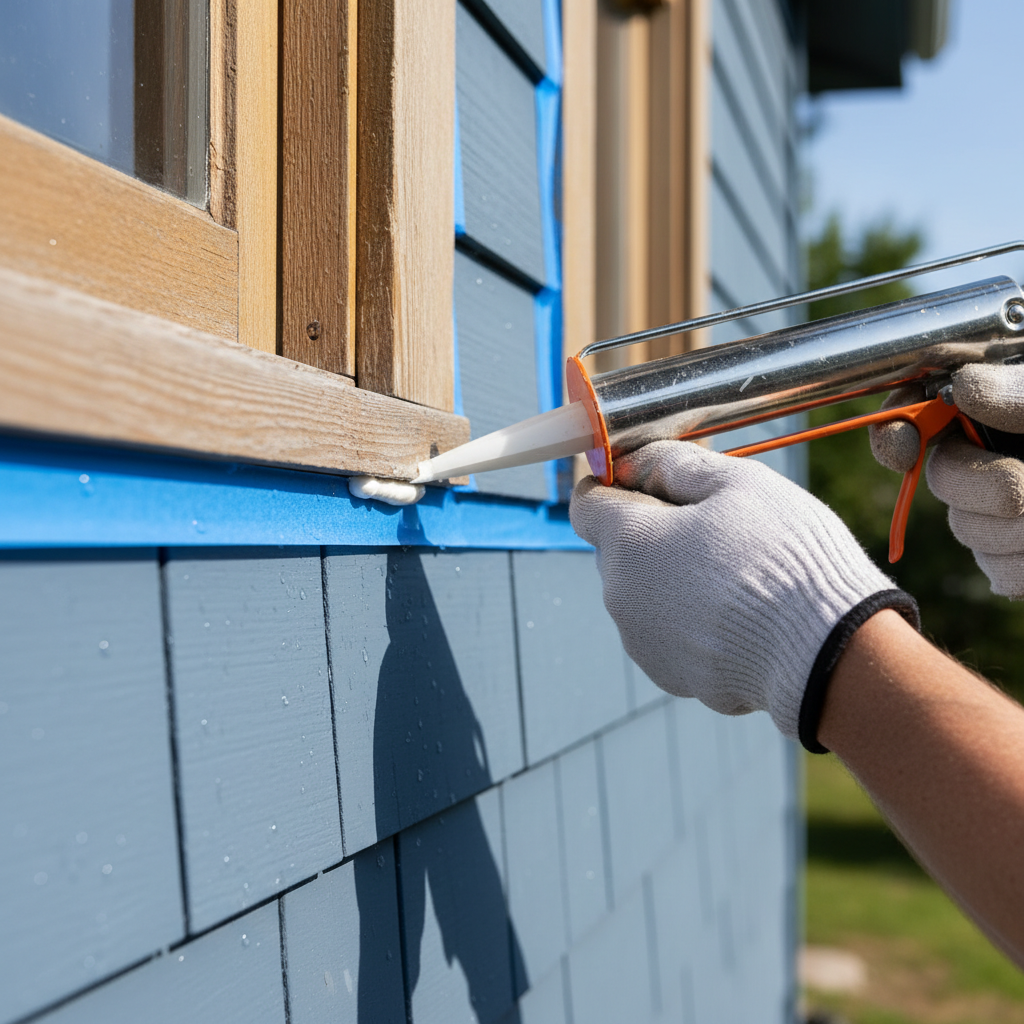
- Caulk seams and joints: Use a high-quality exterior-grade caulk along exterior seams where frame meets siding or trim. Smooth the bead with a wet finger or tool for a tight seal.
- Glaze glass if needed: For single-pane windows with failing glazing compound, remove loose putty and reapply glazing compound to secure the glass.
- Fill larger voids: Use low-expansion spray foam for big gaps between frame and wall. Trim excess once cured and cover with caulk or trim.
- Test: Repeat the candle/incense test after repairs and re-caulk any remaining spots.
Best weatherstripping types for different window styles
- Double-hung windows: V-strip for meeting rails, felt or adhesive foam for sash sides
- Casement windows: Foam tape at hinge areas and compression seals on sashes
- Sliding windows: Brush seals or heavy-duty foam for sliding tracks
- Older wood windows: Rope caulk and wool pile or felt for a historically-appropriate seal
When to replace windows instead of repairing
Repairing a frame is cost-effective when leaks are from caulk, weatherstripping, or minor rot. Consider full replacement if you see:
- Widespread rot or structural damage to the frame
- Frames that are warped and don’t close snugly even after adjustments
- Repeated condensation between panes (failed insulated glass units)
- High energy bills despite proper sealing and insulation elsewhere
- Upgrading for better performance (double- or triple-pane windows, low-e coatings)
Costs and energy savings
Costs vary widely. Basic caulking and weatherstripping materials can be under $50, while professional window replacement ranges from a few hundred to several thousand dollars per window depending on size, material, and glazing options. According to energy-efficiency studies, sealing leaks and adding weatherstripping can reduce heating and cooling costs by up to 10-15% in a typical home, making the small investment worthwhile.
Moisture, condensation, and mold concerns
Persistent drafts and cold spots promote condensation when warm indoor air meets cold glass or frames. Condensation left unchecked creates conditions for mold and wood rot. After sealing gaps, monitor for moisture problems and improve ventilation (use exhaust fans, open windows periodically, or use a dehumidifier) if condensation continues.
When to call a professional
Hire a pro if:
- The frame or sill has extensive rot or structural damage
- Windows are difficult to open/close or the hardware is failing
- You suspect the wall framing around the window is compromised
- You want upgraded windows with warranty and professional installation
Seasonal maintenance checklist to prevent future drafts
- Inspect windows each spring and fall for cracked caulk or failing weatherstripping
- Lubricate moving parts and adjust sash hardware annually
- Touch up paint or finish on exterior frames to prevent rot
- Replace weatherstripping every few years if it becomes brittle
- Keep exterior drainage and flashing clear to avoid water damage
Useful resources and further reading
For more tips on weatherstripping and sealing windows, Better Homes & Gardens offers practical how-to guides and product recommendations that complement these steps: How to seal drafty windows.
Frequently asked questions (FAQs)
How can I tell if the draft is from the window frame or the wall?
Do the candle or tissue test along the entire perimeter of the window and on the adjacent wall. If the airflow is strongest at the seam between the frame and wall, the frame or flashing is likely the issue. If the wall itself shows airflow, there may be insulation gaps or leaks in the wall cavity.
Can I use construction foam around the window?
Yes, but choose low-expansion polyurethane foam made for window and door installation. High-expansion foam can bow or warp frames and make windows difficult to operate. Apply sparingly and trim excess once cured.
Is caulk better than weatherstripping?
They serve different purposes. Caulk seals fixed joints and cracks; weatherstripping seals moving parts like sashes. Use both where appropriate for the best long-term result.
How long does weatherstripping last?
Durability depends on material and exposure. Foam tape might last 2–5 years, while high-quality rubber or silicone weatherstripping can last 5–10 years. Inspect periodically and replace when brittle or compressed.
Will sealing my windows reduce condensation?
Sealing drafts reduces cold spots and can lower condensation risk, but it may also reduce natural ventilation. If condensation persists, address indoor humidity with ventilation or dehumidification.
Quick troubleshooting summary
- Small gap at sash: install or replace weatherstripping
- Cracked caulk: remove and re-caulk with exterior-grade caulk
- Loose glazing: reglaze or apply glazing compound
- Large gap between frame and wall: use low-expansion foam, then trim and caulk
- Rot or structural damage: repair or replace frame or window
Addressing a draft coming from window frame can dramatically improve a room’s comfort and reduce energy bills. With careful diagnosis, the right materials, and a bit of elbow grease, many repairs are straightforward for a homeowner. For persistent problems or structural concerns, consult a professional to evaluate replacement options and long-term solutions.
If you’d like room-design ideas that pair well with properly insulated, draft-free windows, explore How to Design A Comfortable Modern Living Space for inspiration and practical tips.