If you’ve noticed a persistent draft coming from window frame gaps, you’re not alone — cold air sneaking in around windows is one of the most common sources of heat loss in homes. This guide shows how to identify where the air leak is coming from, inexpensive temporary fixes, durable repairs, and when it’s time to call a professional.
Why a draft coming from window frame matters
Drafts aren’t just uncomfortable — they raise energy bills, create cold spots that encourage condensation and mold, and can make heating systems run longer. Stopping a draft from a window frame improves comfort, lowers energy use, and extends the life of your heating system. Before spending money on repairs, it helps to understand the common causes so you can choose the right fix.

Common causes of drafts around window frames
- Worn weatherstripping: Foam, felt, or rubber strips that seal the sash wear out over time and compress, allowing air to pass.
- Old or cracked caulk: Exterior and interior caulk seals the gap between the window frame and the wall; cracks or gaps let air in.
- Loose or warped sashes and frames: Seasonal swelling, settlement, or age can make sashes fit poorly.
- Single-pane glass: Single-pane windows offer minimal insulation compared with double- or triple-glazed options.
- Missing or damaged glazing putty: Older windows sealed with glazing putty may develop gaps between the glass and frame.
- Problems around the exterior trim or flashing: If exterior flashing or trim is compromised, wind-driven air can penetrate behind the frame.
How to diagnose where the draft is coming from
Before choosing a repair method, pinpoint where the leak is originating. Use these quick tests:
- Hands and sense test: On a cold day, run your hand slowly along the interior perimeter of the window frame to feel for cold air.
- Paper test: Close the sash on a strip of paper; if it slides freely or falls out, the sash isn’t sealing tightly.
- Incense or candle test: Hold a lit stick of incense or a thin candle near the frame and watch the smoke or flame for drifting; this reveals the path of airflow. Use caution and keep flammable materials away.
- Thermal camera or infrared thermometer: For a more accurate diagnosis, a thermal camera shows temperature differences around the window. Many hardware stores rent infrared thermometers or thermal cameras.
Quick, inexpensive temporary fixes
If you want an immediate improvement — especially during cold snaps — try these low-cost options. They are simple to do and require minimal tools.
- Apply draft seal tape (weatherstripping): Foam or adhesive V-strip weatherstripping seals the sash-to-frame contact. It’s cheap, lasts a few seasons, and is easy to install.
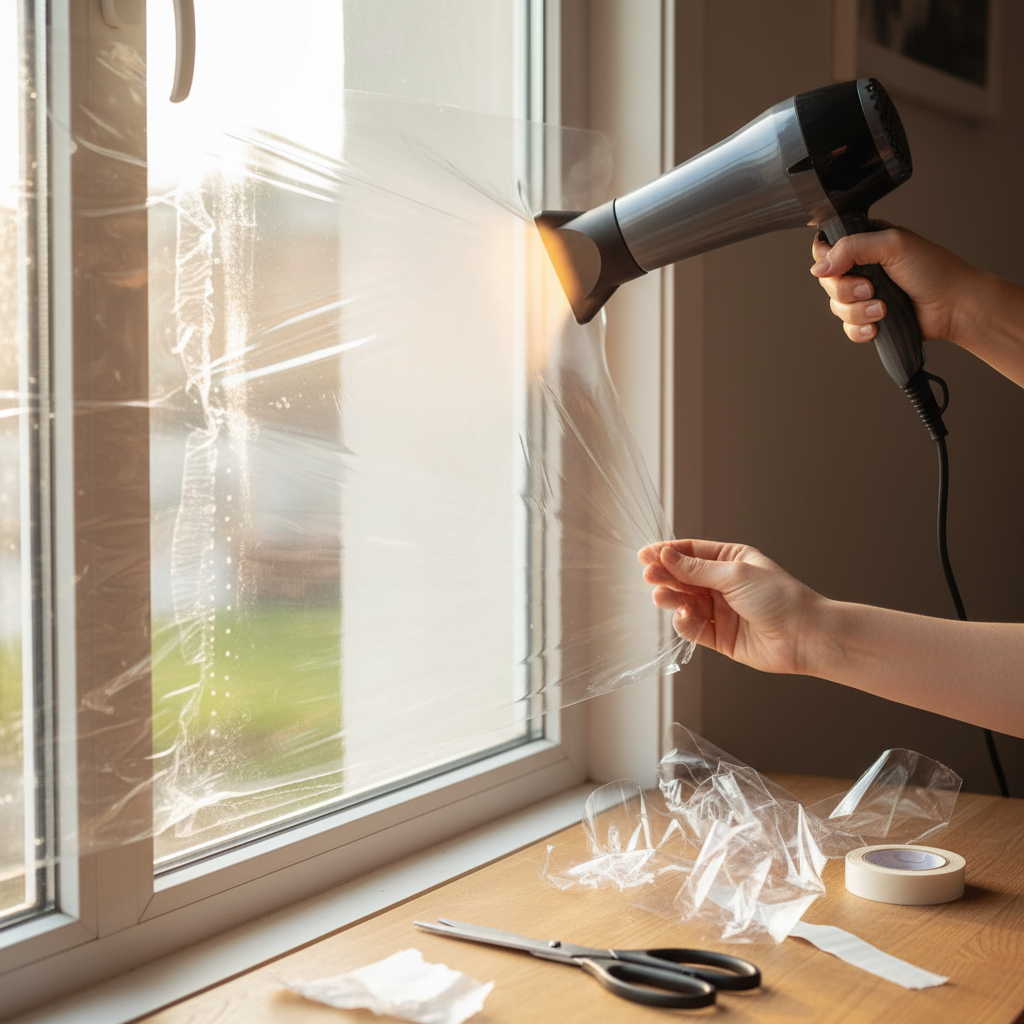
- Use window insulation film: Clear shrink film kits adhere to the interior trim and shrink tight with a hair dryer to create a temporary internal storm window. This is very effective in winter.
- Install a door sweep-style bottom seal: For sliding windows or sash bottoms with gaps, apply adhesive foam or brush seals to block airflow.
- Stuff gaps with rope caulk: Rope caulk can be pressed into larger gaps as a temporary measure and removed later.
- Use fabric draft stoppers: Roll-up draft snakes or tubular fabric draft stoppers placed along the sill give an immediate reduction in airflow for little cost.
Permanent repairs: materials and step-by-step solutions
For durable results, tackle the underlying problem. Below are common repairs with a materials list and step-by-step guidance.
1. Replace worn weatherstripping
Materials: adhesive foam, V-strip, rubber or silicone weatherstripping, scissors or utility knife.
- Remove old weatherstripping and clean the channel with rubbing alcohol.
- Measure the length needed and cut the new strip slightly shorter to avoid bunching at corners.
- Peel and stick the new weatherstripping, pressing firmly. For tension-fit options, tuck into the track per manufacturer instructions.
- Test the sash for smooth operation and a tight seal.
2. Re-caulk interior and exterior seams
Materials: exterior-grade silicone or polyurethane caulk (for outside), acrylic latex caulk with silicone (for inside), caulk gun, utility knife, rag.
- Remove cracked caulk with a putty knife and clean the joint so it’s free of dust and old residue.
- Cut the caulk tube tip to the desired bead size, load the caulk gun, and apply a steady bead along the seam.
- Smooth the bead with a wet finger or finishing tool and wipe away excess.
- Allow to cure as directed on the product label before painting or exposing to weather.
3. Repair or replace glazing putty for older windows
Materials: glazing putty, glazing points, putty knife, paint (optional).
- Remove loose or cracked putty and clean the glass edge and rabbet.
- Press new glazing points into the frame to hold the glass if needed.
- Pack new glazing putty into the joint, smooth it to a neat angle, and allow it to skin over before painting.
4. Install interior or exterior storm windows
Adding a storm window — interior or exterior — significantly reduces air infiltration and improves thermal performance without replacing the existing window. Prefabricated storm windows or custom-fit interior panels are both options. For best results, pair storms with weatherstripping and properly caulked frames.
5. Replace the window (when necessary)
If a window is severely warped, the sash is rotten, or the frame is significantly damaged, replacement may be the most cost-effective long-term solution. Look for ENERGY STAR-rated replacement windows that match your climate zone for best energy savings.
Tools you’ll likely need
- Caulk gun and caulk
- Utility knife and putty knife
- Replacement weatherstripping
- Glazing tools (for older windows)
- Measuring tape and level
- Rags, rubbing alcohol, and ladder (for exterior work)
How much will repairs cost?
Costs vary by solution and whether you hire a professional. Typical price ranges:
- Weatherstripping or window film kits: $5–$40 per window (DIY).
- Re-caulking around frame: $10–$50 in materials (DIY); $100–$300 if a contractor handles multiple windows.
- Interior storm panels: $50–$200 per window (depending on customization).
- Replacement windows: $300–$1,000+ per window for standard double-pane models; higher for premium brands and installation.
Energy savings and ROI
Sealing drafts can yield noticeable heating and cooling savings. The U.S. Department of Energy estimates sealing air leaks and adding insulation can save homeowners up to 10–20% on energy bills, depending on the home. Even small investments like weatherstripping often pay back within a year or two because your heating system runs less to maintain temperature.
When to call a professional
- Structural damage: If the frame is rotten, warped, or compromised by water damage, a pro can assess structural repair or replacement.
- Multiple windows with leaks: If several windows show air infiltration, a contractor can provide whole-home solutions efficiently.
- Complex vintage windows: Historic or custom windows may need specialist restoration to preserve original features while improving performance.
- Lack of tools or confidence: A professional ensures quality installation of new windows, weatherproof flashing, and safe ladder work.
Seasonal maintenance to prevent drafts
Routine checks will keep windows performing well year-round:
- Inspect caulk and weatherstripping every spring and fall.
- Lubricate sash tracks and hardware annually for smooth operation.
- Clean weep holes and exterior drainage paths so water doesn’t back up into the frame.
- Touch up exterior paint and replace crank or latch hardware before winter.
Quick checklist: Stop a draft coming from window frame
- Identify leak location with a candle or incense test.
- Try provisional fixes: foam tape, window film, draft stoppers.
- Apply new weatherstripping and re-caulk seams for a durable seal.
- Consider interior storm windows or full replacement for poor-performing windows.
- Hire a professional when damage is structural, widespread, or historic windows are involved.
Health and safety considerations
Stopping drafts improves indoor air quality by reducing condensation and the resulting mold risk. When caulking or using solvent-based products, ventilate the area and use gloves. For homes with lead paint or very old windows, consult a professional trained in lead-safe practices before disturbing surfaces.
Helpful resources
For more tips on insulating windows and choosing materials, Better Homes & Gardens provides practical advice on improving window performance and home comfort: Better Homes & Gardens: How to Stop Drafts.
Frequently asked questions
Q: Can I stop a draft coming from window frame without replacing the window?
A: Yes. Many drafts can be reduced or eliminated with weatherstripping, re-caulking, interior storm panels, or window insulation film. Replacement is only necessary when frames or sashes are damaged beyond repair or energy savings justify the cost.
Q: How long does window caulk last?
A: Quality exterior caulk typically lasts 5–10 years depending on weather exposure, sun, and material. Inspect annually and touch up as needed.
Q: Is installing window film worth it?
A: For cold climates, interior shrink film is an inexpensive and very effective way to cut heat loss through older windows. It’s temporary but practical, especially for renters or seasonal use.
Q: Will replacing the window reduce noise as well as drafts?
A: Yes. Modern double- and triple-glazed windows with insulated frames provide better sound dampening in addition to reduced air leakage.
Q: What’s the difference between caulking and weatherstripping?
A: Caulking seals stationary joints between frames and walls or sashes and frames. Weatherstripping seals moving parts (like sashes) where a flexible seal is required.
If a draft coming from window frame is affecting several rooms or you’d like help choosing the best long-term option for comfort and energy efficiency, consider a professional assessment. Meanwhile, small fixes like weatherstripping and window film are fast wins you can do today.
If you’d like to learn more about tailoring your living space for comfort and efficiency, explore this guide: How to Design A Comfortable Modern Living Space