Modern home design ideas for small open floor plans unlock the potential of limited square footage by blending smart layout strategies, clean-lined furniture, and thoughtful finishes that create the feeling of airiness and cohesion. Whether you live in a compact apartment, a townhouse, or a small modern home, these design approaches help you balance function and aesthetics without losing comfort.
Why the open floor plan works for small homes
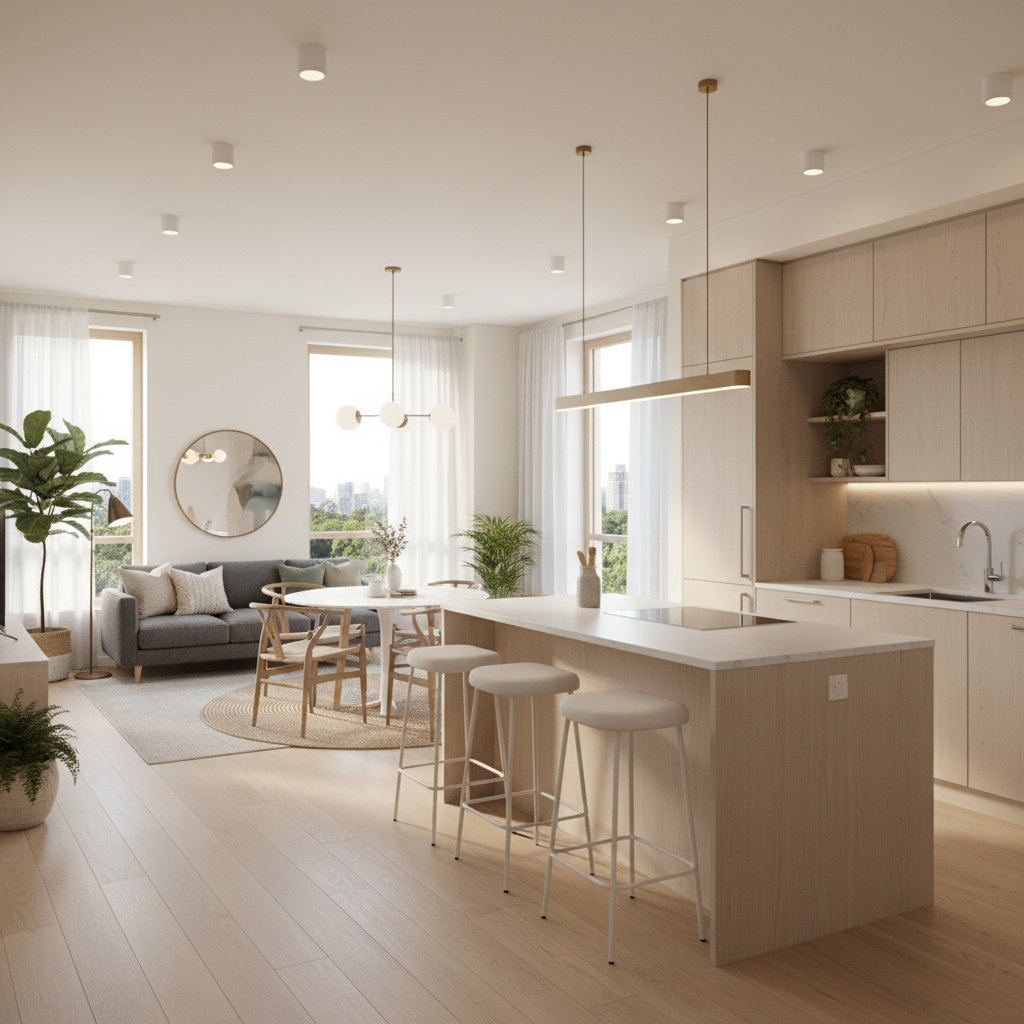
Open floor plans remove physical barriers so light and sightlines travel farther, making spaces feel larger. For small homes, the trick is to create purposeful zones within an open area—so every inch feels intentional rather than cluttered. The modern aesthetic—neutral palettes, minimalist furniture, and integrated storage—pairs exceptionally well with small open layouts, helping to keep the visual language simple and spacious.
Design principles to apply first
- Define zones with purpose: living, dining, cooking, and work areas should feel distinct but connected.
- Choose a restrained color palette to reduce visual noise and unify the space.
- Prioritize multifunctional furniture to reduce clutter and improve flexibility.
- Use consistent flooring materials or complementary tones to maintain flow and continuity.
- Maximize natural light and layer artificial lighting to avoid dark corners that make spaces feel smaller.
Smart zoning techniques for open spaces
Clear zoning creates the sense of separate rooms without walls. Use these tactics to define areas:
- Area rugs: Ground seating and dining areas with rugs that differ in texture or pattern but fit within the same color family.
- Furniture arrangement: Float sofas and use the back of a couch as a visual divider between living and dining zones.
- Open shelving and low-profile consoles: These keep sightlines open while signaling a change in function.
- Different ceiling treatments or pendant lighting: A cluster of pendants above a dining table or a recessed ceiling zone over the living area helps separate functions.
Choosing furniture for a modern small open plan
Furniture choices can make or break a small open floor plan. Favor pieces that are scaled to the room and offer flexibility:
- Low-profile sofas and armless chairs to maintain sightlines.
- Leggy furniture that reveals floor area and creates a sense of airiness.
- Multiuse pieces like storage ottomans, nesting tables, and extendable dining tables.
- Built-in benches with storage under windows for seating and organization.
- Translucent materials—acrylic or glass—are visually light and perfect for side tables or small dining sets.
Color, texture, and finishes
Keep your palette cohesive and use texture to add depth. Modern schemes often lean toward neutrals—warm whites, soft grays, and muted earth tones—that allow accent colors to pop without overwhelming the space.
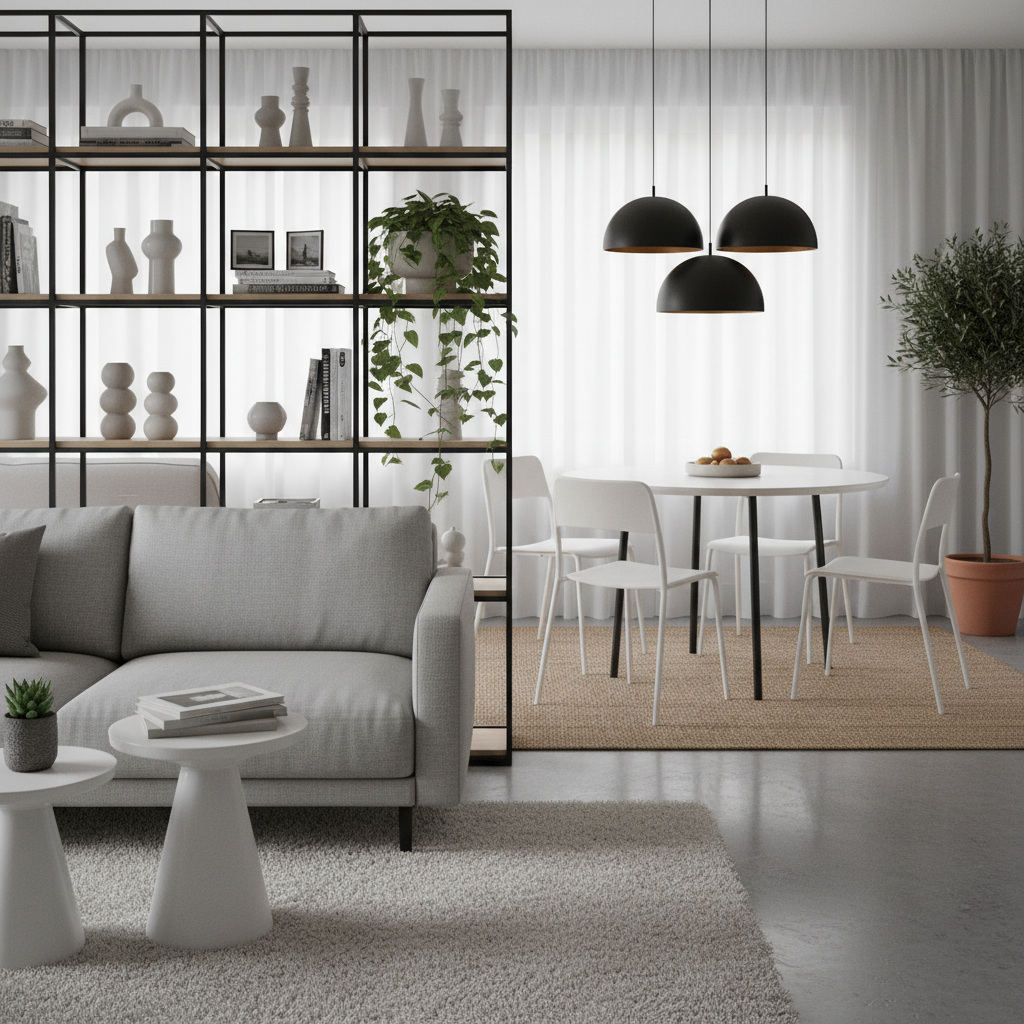
- Use an accent color sparingly: one accent wall, cushions, or a piece of statement art.
- Introduce texture with natural wood, woven textiles, matte metals, and ceramic accessories.
- Select finishes with low reflectivity for calmer visual flow; use one or two metallic accents for interest.
Lighting strategies to expand and define
Good lighting makes a small open plan feel dynamic and larger. Combine natural, ambient, task, and accent lighting:
- Maximize daylight by keeping window treatments minimal—sheer panels, roller shades, or motorized blinds that retract fully.
- Layer light: recessed ambient lights, a statement pendant or chandelier over dining, and task lights for cooking or reading.
- Use dimmers to change mood and perceived scale; brighter light makes a room feel larger for daytime tasks, while softer lighting creates cozy evenings.
- Mirrors placed opposite windows reflect daylight deeper into the plan.
Smart storage solutions for a tidy open plan
Clutter breaks a small open plan by creating visual chaos. Integrate storage into the design so belongings disappear rather than crowd the space.
- Built-in cabinetry along one wall provides concealed storage without interrupting flow.
- Vertical storage: tall, slim cabinets or shelving units draw the eye up and use otherwise wasted wall space.
- Under-seat storage and multifunctional coffee tables keep everyday items within reach but out of sight.
- Entryway storage: a compact console with hooks or a bench with cubbies helps contain shoes and outerwear before they enter the main area.
Kitchen and living area integration
Open kitchens need to balance cooking functionality with social life. Consider these design solutions:
- An island or peninsula provides counter space, seating, and a visual boundary between kitchen and living areas.
- Choose appliances with integrated or panel-ready fronts for a streamlined look.
- Keep countertops clear with hidden storage and hanging rails for frequently used tools.
- Install a hood with a sleek profile or incorporate ventilation into cabinetry for a clean ceiling line.
Flooring and seamless transitions
Flooring continuity is one of the easiest ways to make a small open plan feel larger. If you prefer zone distinction, use rugs or a modest change in plank direction instead of different materials.
- Engineered wood or wide-plank flooring elongates a space and reads as modern.
- Use a single flooring material throughout the main living area to maintain visual flow.
- Choose rugs that scale to furniture groupings—too small a rug fragments a zone.
Visual separation without walls
If you want delineation without closing off spaces, try these modern options:
- Open shelving or glass partitions that allow light to pass while marking a boundary.
- Sliding panels or folding screens that can close occasionally for privacy or stay open to maintain flow.
- Planters placed on low dividers to add greenery and a soft visual barrier.
Small bedroom and private nook strategies
In an open plan that includes a sleeping area or loft, privacy and acoustics become priorities. Balance openness with retreats:
- Use curtains, sliding doors, or a folding screen to enclose a sleeping nook at night.
- Sound-dampening fabrics—rugs, upholstered headboards, and heavy drapery—reduce echo in open layouts.
- Position beds so the headboard faces away from main thoroughfares for a sense of sanctuary.
Decor, art, and finishing touches
Decor should emphasize scale and restraint in a small open plan:
- Select a few larger art pieces rather than many small frames that can feel busy.
- Group accessories in threes and keep surfaces mostly clear to maintain a minimalist feel.
- Add plants for life and texture—choose sizes that fit your ceiling height and scale.
Technology, safety, and comfort
Modern convenience adds comfort without clutter. Integrate tech discreetly:
- Concealed wiring and wall-mounted TVs that can be hidden behind sliding panels keep sightlines clean.
- Smart thermostats and multi-zone climate control improve comfort and energy efficiency.
- Use reliable sources to guide safe appliance placement and ventilation; for practical home-safety tips and appliance guidance, see space planning tips at Better Homes & Gardens.
Budget-friendly updates that make a big impact
You don’t need an expensive renovation to refresh a small open floor plan. Try these affordable strategies:
- Paint: A fresh coat in a cohesive neutral makes spaces feel new and connected.
- Swap hardware and light fixtures for modern, thin-profile styles.
- Declutter and invest in a few multifunctional pieces instead of many single-purpose items.
- Use peel-and-stick tile or backsplashes for a quick kitchen update that doesn’t require a contractor.
Step-by-step plan for redesigning your small open plan
- Assess: Measure the space, note windows, doors, and circulation paths.
- Prioritize: Decide which functions must be accommodated (work, dining, sleeping, storage).
- Zone: Sketch zones on a floor plan and test arrangements with painter’s tape on the floor.
- Select core furniture: Sofa, dining table, and bed should be your initial purchases and scale-tested.
- Layer: Add lighting, rugs, artwork, and plants to finalize the mood and cohesion.
- Refine storage: Add built-ins or freestanding storage once the main layout is comfortable.
Common mistakes to avoid
Avoid these pitfalls to keep your small open plan feeling bright and livable:
- Overfurnishing: Resist filling every empty space—negative space is an asset.
- Ignoring scale: A large sectional may dominate; opt for pieces that allow traffic flow.
- High-contrast chaos: Too many contrasting patterns and colors fragment the visual field.
- Poor lighting: Don’t rely solely on overheads—layer light for function and ambiance.
Checklist: Designing a modern small open floor plan
- Have I defined clear zones for each activity?
- Does my furniture allow for open sightlines and traffic flow?
- Is my color palette cohesive across the main living areas?
- Have I added enough concealed storage?
- Is lighting layered and adjustable for different moods?
- Are finishes and textures balanced to create warmth without clutter?
Frequently Asked Questions
How can I make a small open plan feel larger?
Keep a consistent flooring and color palette, maximize natural light, use low-profile furniture, and minimize clutter with integrated storage. Mirrors and glass furniture also help reflect light and extend sightlines.
Is an island necessary in a small open kitchen?
No. If space is tight, a slim peninsula, a movable kitchen cart, or a wall-mounted folding table can provide prep and dining space without obstructing flow.
How do I create privacy for a bedroom area in a studio or loft?
Use curtains, sliding doors, tall shelving, or a folding screen. Rugs, lighting, and headboard placement also help delineate a private sleeping zone.
What color schemes work best for small open floor plans?
Neutral, harmonious palettes—soft whites, warm grays, muted earth tones—work best. Introduce a single accent color to add personality without overwhelming the space.
How do I keep my open floor plan organized with kids or pets?
Choose durable, easy-to-clean materials; create dedicated storage for toys and pet supplies; use washable rugs; and pick furniture with rounded edges and resilient finishes. Multizone living with defined storage helps maintain order.
Final thoughts
Designing a modern small open floor plan is about intentional decisions: choose pieces that serve multiple purposes, create clear but gentle zones, and keep finishes cohesive so the space reads as a unified whole. Small spaces become memorable and comfortable when every element contributes to function and aesthetics.
If you want detailed guidance for your space, explore resources like How to Design A Comfortable Modern Living Space for layout ideas and step-by-step planning.
For further inspiration and safety-minded advice on home layouts, consult reputable design resources and guides to ensure your design is both beautiful and practical.
Explore more
Interested in deeper planning help or tips for specific rooms in an open plan? Browse through the linked resource to refine your approach and tailor solutions to your home.
How to Design A Comfortable Modern Living Space