Noticing your electric stove heating unevenly can be frustrating: one burner boils in minutes while another barely simmers, or your oven produces hot spots that char one side of a roast. If your electric stove is heating unevenly, this guide walks through the most common causes, simple diagnostics you can do at home, practical fixes, and when to call a professional so you get consistent results every time you cook.
How uneven heating shows up: common symptoms
- Surface elements (coil or glass) heat unevenly — one quadrant is hot while others are cool.
- Oven hot spots — food browns more on one side or one rack cooks faster.
- A burner takes much longer to reach temperature than the rest.
- Temperature fluctuates while cooking, causing uneven baking or simmering.
- Indicator lights behaving oddly — glowing even when elements are cool or not at all when hot.
Why electric stoves heat unevenly: the usual suspects
Uneven heating can come from several sources. Understanding the difference between cooktop (surface) issues versus oven issues helps narrow the fix.
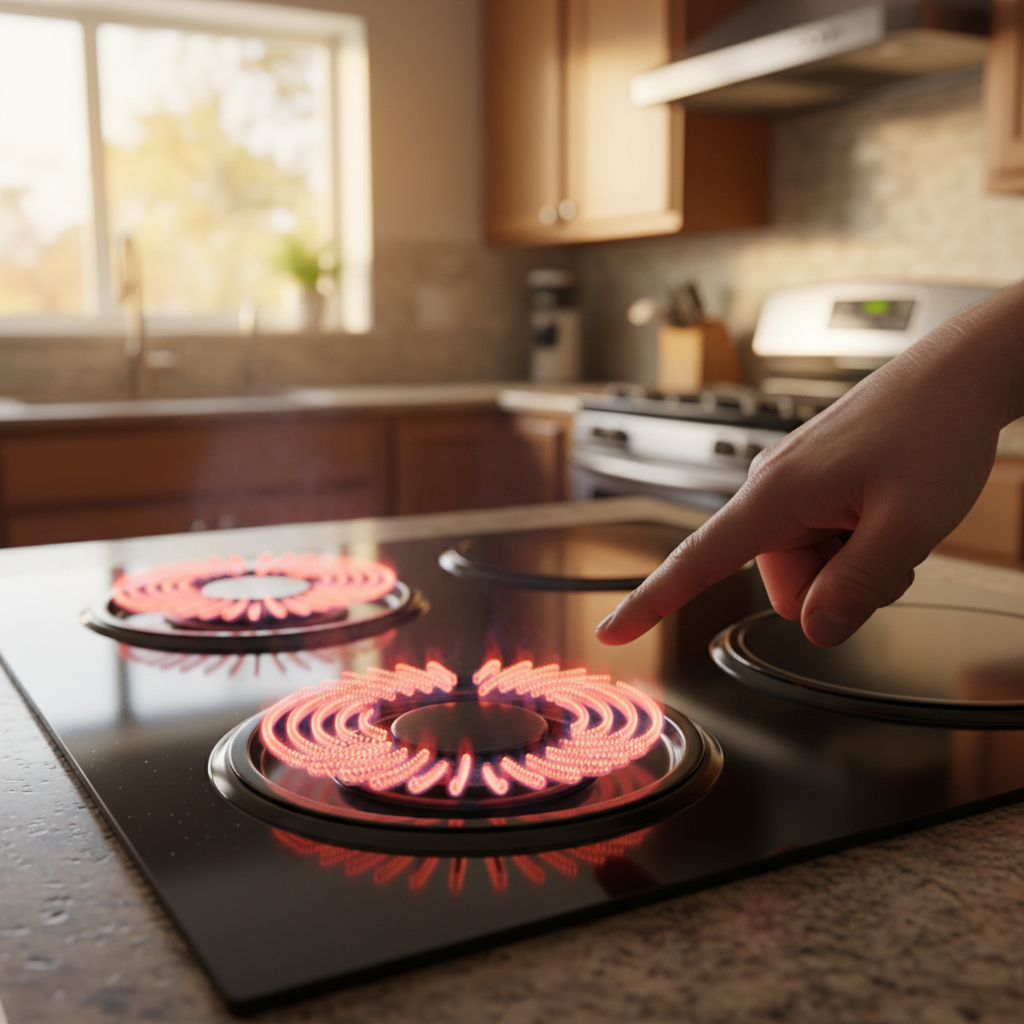
1. Damaged or failing heating element
For coil stovetops, elements can wear out, develop hot spots, or lose contact where they plug into the stove. On smooth-top (ceramic/induction) ranges, the internal heating element beneath the glass can degrade or detach, causing uneven heat distribution.
2. Poor electrical contact
Loose terminals or corroded connectors between an element and the control harness reduce current and lead to low or uneven heat.
3. Faulty infinite switch or control knob
The infinite switch (or regulator) on surface burners controls voltage to the element. A failing switch produces inconsistent power and uneven heat. Similarly, electronic control boards on modern ranges can mismanage power to elements.
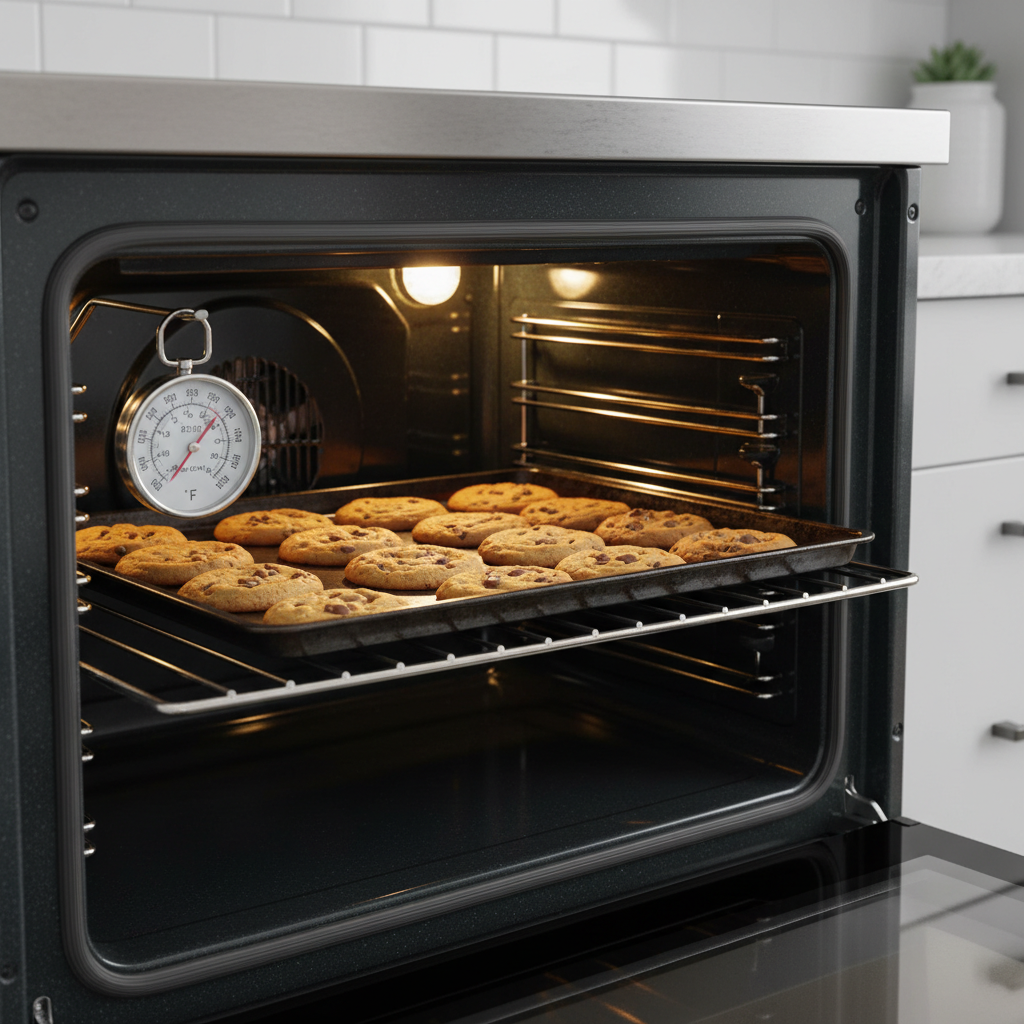
4. Oven thermostat or sensor problems
Oven ovens rely on a thermostat and temperature sensor to maintain the set temperature. A misaligned or failing sensor will cause zoning issues or hot spots. For electric ovens, the bake or broil elements might be uneven or partially failed.
5. Warped or uneven cookware
Even with a perfect stove, warped pans or thin, low-quality cookware won’t sit flat on the element, creating poor contact and uneven heating. Cookware matters.
6. Dirty contacts and buildup
Food debris, grease, or oxidation on coil contacts or under a smooth-top surface blocks heat transfer and interferes with sensing, leading to uneven results.
7. Design or placement issues
On some ranges, burners have different power ratings (wattage). Using a low-watt burner for a large pot can make it appear uneven. Rack placement in ovens also affects airflow and heat distribution.
Quick diagnostic checks you can do now
Start with basic, safe checks before calling a technician. Always disconnect power (or unplug) when inspecting elements or wiring.
- Inspect the surface elements visually. For coil burners, look for breaks, blisters, or melted areas. For smooth-tops, look for cracks or burn marks.
- Swap a problematic coil element with another burner of the same size (if possible). If the problem moves with the element, replace the element; if it stays on the burner, it’s a wiring or switch issue.
- Run an oven thermometer test: place an oven-safe thermometer in the center rack, preheat to 350°F (175°C), and compare actual temperature after 15–20 minutes. Repeat in multiple positions to find hot/cold zones.
- Check cookware: place a known-flat pan on the burner. If heat evens out, your usual pans may be the issue.
- Listen for unusual buzzing or clicking when knobs are turned—signals of electronic control problems.
How to fix a surface burner that heats unevenly
Coil burners
- Turn off power and unplug the stove.
- Remove the coil and inspect the connector. Clean corrosion with a small wire brush and a little rubbing alcohol.
- Swap coils between positions to isolate the problem.
- Replace damaged coils. Replacement coil elements are inexpensive and easy to install: pull the old element straight out and push the new one into the same receptacle.
- If the problem remains after replacing the coil, the receiver (the bracket the coil plugs into) or the infinite switch may need repair.
Smooth-top (glass/ceramic) ranges
- Check for surface cracks; if present, stop using the cooktop and get it repaired — cracked glass is dangerous.
- Ensure the surface is clean and free of burnt-on residue that can obstruct heat transfer.
- Heat shines unevenly? A failing internal element beneath the glass may be the cause. Because these elements are under-glass, replacement requires removing the cooktop and is best done by a trained technician.
- Calibration on induction ranges or control board issues may require professional diagnosis.
Fixing oven hot spots and uneven baking
Oven problems often come down to racks, airflow, or broken elements/sensors.
- Use an oven thermometer to map temperature across different rack positions. Track differences and note locations of hot and cool spots.
- Rotate pans halfway through baking to minimize uneven browning.
- Replace a partially functioning bake or broil element if it’s discolored, warped, or not glowing evenly.
- Check the oven door seal; a broken seal can cause heat loss and uneven temperatures.
- Inspect the oven sensor (a small probe inside the oven). If it’s loose or visibly damaged, it may need repositioning or replacement. Use an ohm meter to test resistance against manufacturer specs (safety first — disconnect power).
- If your oven has electronic controls, a failing control board or relay can cause inconsistent heating; this requires professional repair.
Tools and supplies you might need
- Screwdrivers (Philips and flat head)
- Multimeter/ohm meter (for testing continuity and sensor resistance)
- Replacement surface elements (coil or OEM parts)
- Replacement oven sensors or elements (matched to your model)
- Soft scrubbing pads and cleaner safe for ceramic cooktops
- Disposable gloves and safety glasses
When to call a professional
Some issues are best left to trained technicians:
- Frayed wiring, burning smells, sparks, or smoke — immediate professional repair required.
- Problems with internal components under a ceramic cooktop or complex electronic boards.
- Replacing built-in ovens or parts that require removing heavy panels or dealing with high-voltage wiring.
- Persistent temperature variance after basic troubleshooting and element replacement.
Maintenance habits that prevent uneven heating
- Keep coil contacts and receptacles clean and dry.
- Clean smooth-top surfaces gently with recommended cleaners to avoid scratching and maintaining good heat transfer.
- Check and replace warped or pitted cookware. Invest in a small set of high-quality pans with flat bottoms for cooking consistency.
- Use oven thermometers periodically to verify calibration, especially before baking sensitive items.
- Replace old elements at first sign of irregular heating rather than waiting for failure.
Cookware and technique: easy wins for even heat
Sometimes the stove is fine — the cookware or technique is the issue. Smart habit changes often produce immediate improvement.
- Use flat-bottomed, heavy-gauge pans for even contact and heat distribution.
- Match pan size to burner size to avoid heat spilling around the sides.
- Preheat pans before adding food to ensure even cooking.
- Use the oven’s middle rack for most baking; avoid crowding the oven which blocks airflow.
Estimated repair costs
Costs vary by model and region, but here are ballpark figures:
- Replace coil element: $15–$60 for the part; labor minimal if DIY.
- Replace oven bake or broil element: $30–$120 for the part; $75–$200 labor if professional install.
- Smooth-top element replacement or glass panel repair: $150–$600 depending on part and service complexity.
- Control board or thermostat replacement: $150–$500+ including parts and labor.
Safety tips while troubleshooting
- Always unplug the range or switch off the circuit breaker before inspecting or replacing parts.
- Beware of hot surfaces — allow elements and oven to cool completely.
- Do not attempt to repair high-voltage components unless you’re comfortable and knowledgeable about electrical safety.
- If you smell burning or see smoke, turn off power immediately and call an electrician or appliance repair technician.
When uneven heating is actually expected
Some degree of variation is normal. For example, burners with different wattages cook differently by design (center and power burners often vary). Similarly, older ranges generally have less precise heat control than newer models. Understanding your range’s capabilities helps set realistic expectations.
Useful resources
For step-by-step cleaning guidance and maintenance tips, Good Housekeeping regularly publishes practical home appliance care articles that can help you keep a smooth-top or coil stove in top condition: Good Housekeeping.
FAQ — quick answers about electric stove heating unevenly
Why does one coil burner get hotter than another on my electric stove?
Coil elements wear out with age, and their contact points can corrode. Swap coils to see if the issue moves. If the hotness follows the coil, replace it; if it stays, check the receptacle or switch.
My oven bakes unevenly even after replacing the element — now what?
Test with an oven thermometer and map temperatures across the oven. If temperatures vary or the sensor reads wrong values, the thermostat sensor or control board may need replacement. Also check oven seals and rack placement.
Can I use a ceramic cooktop with any pan?
Not all pans are ideal. Use flat-bottomed pans made of stainless steel, cast iron, or heavy aluminum for best heat transfer. Avoid warped or very thin pans.
Is it safe to keep using a stove that heats unevenly?
Minor unevenness with no sparking or burning smells is usually safe but irritating. However, visible damage, burning smells, or electrical sparking are hazards—stop using the stove and seek professional help.
How often should I replace elements or sensors?
There’s no set schedule; replace parts when performance declines or when physical damage appears. Regular cleaning and inspection extend component life.
Bottom line
Electric stove heating unevenly is a common problem with fixes that range from simple cleaning and cookware swaps to replacing elements or calling a technician for electrical or control-board repairs. Start with safe, low-cost diagnostics like swapping elements and using an oven thermometer, and prioritize safety—disconnect power before any repairs. With the right troubleshooting steps, most cooks can restore even heat and enjoy reliable results in the kitchen again.
For ideas on how to make the most of your kitchen and design a functional cooking space, take a look at How to Design A Comfortable Modern Living Space: How to Design A Comfortable Modern Living Space.