Effective Solutions to Combat Excessive Dust in Old Homes for a Cleaner Living Space
Old homes often come with charm and character, but one common challenge many homeowners face is excessive dust accumulation. Dust not only affects the appearance and cleanliness of your home but can also impact indoor air quality and potentially trigger allergies or respiratory issues. If you’re struggling with persistent dust in your older residence, it’s essential to understand the causes and implement practical solutions to keep your home dust-free and healthy.
Why Do Old Homes Accumulate More Dust?
Several factors contribute to the higher levels of dust in older houses, including:

- Worn or outdated HVAC systems: Older heating, ventilation, and air conditioning systems often lack efficient filters, allowing dust to circulate throughout the home.
- Gaps and cracks: Aging walls, windows, doors, and foundations often have small openings that let dust and outdoor particles enter easily.
- Old flooring and furnishings: Older carpets, wooden floors, and fabric upholstery tend to trap and hold onto dust more than newer materials.
- Lack of modern insulation: Inadequate insulation contributes to drafts and dust infiltration.
- Accumulated dust in hidden areas: In old homes, dust settles into crevices, vents, behind baseboards, and under floorboards, making cleaning more challenging.
Practical Solutions to Reduce Dust in Old Homes
1. Upgrade Your HVAC System and Use High-Efficiency Filters
An efficient heating and cooling system with high-quality air filters can dramatically reduce the amount of dust circulating in your home. Consider upgrading to a modern HVAC system or improving your existing one by installing HEPA or MERV-13 rated filters, which capture finer dust particles effectively.
Regularly change or clean air filters at least every 3 months to maintain optimum performance. Additionally, getting your ducts professionally cleaned can remove entrenched dust from older ventilation systems.
2. Seal Gaps and Cracks Thoroughly
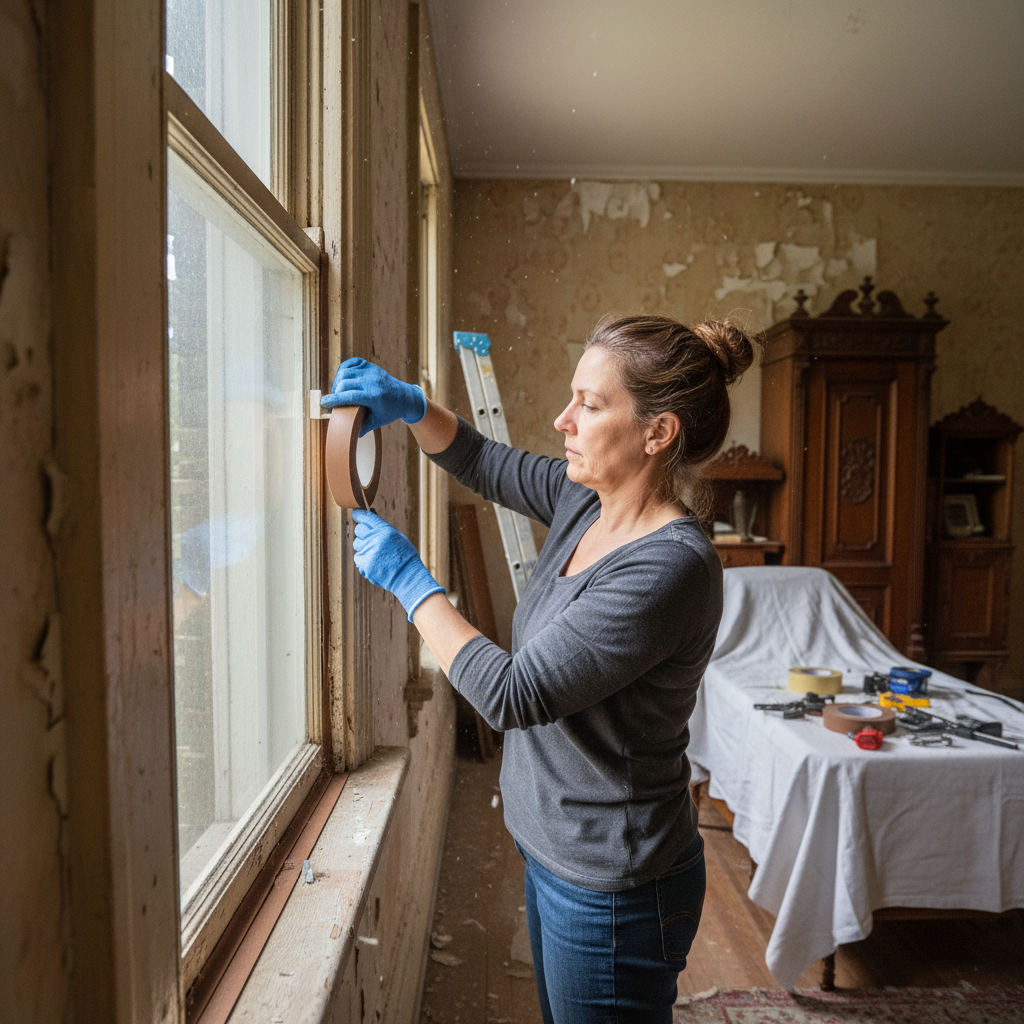
Inspect your home for drafty windows, doors, baseboards, and foundation cracks. Use weatherstripping, caulk, or spray foam insulation to seal these openings. A well-sealed home keeps outside dust and allergens from entering and also enhances your home’s energy efficiency by preventing heat loss.
3. Choose Dust-Resistant Flooring and Furniture
If feasible, replace worn carpets with hard flooring options such as hardwood, tile, or vinyl. These surfaces are less prone to trap dust and easier to clean. When selecting furniture and upholstery, opt for materials that repel dust or can be frequently cleaned, like leather or tightly woven fabrics.
4. Implement a Consistent Cleaning Routine
Regular cleaning is essential to manage dust buildup:
- Use a vacuum cleaner equipped with a HEPA filter to capture dust effectively. Vacuum carpets, rugs, and upholstery weekly.
- Dust surfaces with microfiber cloths that trap dust instead of dispersing it back into the air.
- Don’t forget less obvious areas like ceiling fans, light fixtures, baseboards, window sills, and vents.
- Wash bedding and curtains regularly to reduce dust mites.
5. Control Indoor Humidity
Maintaining indoor humidity between 40-50% helps reduce dust mite populations and keeps dust from becoming airborne. Use humidifiers or dehumidifiers depending on your climate and install moisture detectors if your home tends to be damp.
6. Upgrade Windows with Screens and Storm Panels
Installing insect screens and storm windows can help filter out dust and debris while allowing fresh air inside. Proper window sealing also limits drafts and dust entry.
Additional Tips for Dust Management in Old Homes
- Consider adding indoor plants known for air purification; they can help filter airborne particles.
- Use door mats both outside and inside entryways to minimize dirt tracked indoors.
- Encourage family members and guests to remove shoes at the door.
- Minimize clutter to reduce dust-collecting surfaces.
Frequently Asked Questions About Dust in Old Homes
Q: How often should I clean to avoid dust buildup?
A: Weekly vacuuming and dusting are recommended for best results. For highly dust-prone homes, more frequent cleaning may be needed, especially in high-traffic areas.
Q: Are air purifiers effective against dust?
A: Yes, air purifiers with HEPA filters can reduce airborne dust particles significantly, especially when used alongside other dust control methods.
Q: Can painting or renovating help with dust?
A: Yes, repainting with low-VOC paint and renovating to seal gaps or replace old materials can reduce dust in the long run.
Q: Is dust dangerous to my health?
A: Household dust can contain allergens, mold spores, and other irritants that may aggravate allergies and respiratory conditions, making dust control important for health.
Conclusion
Excessive dust in old homes is a common but manageable challenge. By combining improvements to your HVAC system, sealing gaps, choosing appropriate flooring, and maintaining a consistent cleaning routine, you can significantly reduce dust levels and create a cleaner, healthier home environment. For more expert advice on home maintenance and cleaning, visit Good Housekeeping’s Cleaning Tips.