Why Is Your Porch Roof Sagging? Understanding the Root Causes
The gentle curve or noticeable dip in your porch roof isn’t just a random occurrence; it’s a symptom of a deeper problem. Several factors, often working in combination, can contribute to a porch roof losing its structural integrity and beginning to sag. Identifying the specific cause is the first step toward an effective and lasting repair.
Water Damage and Rot
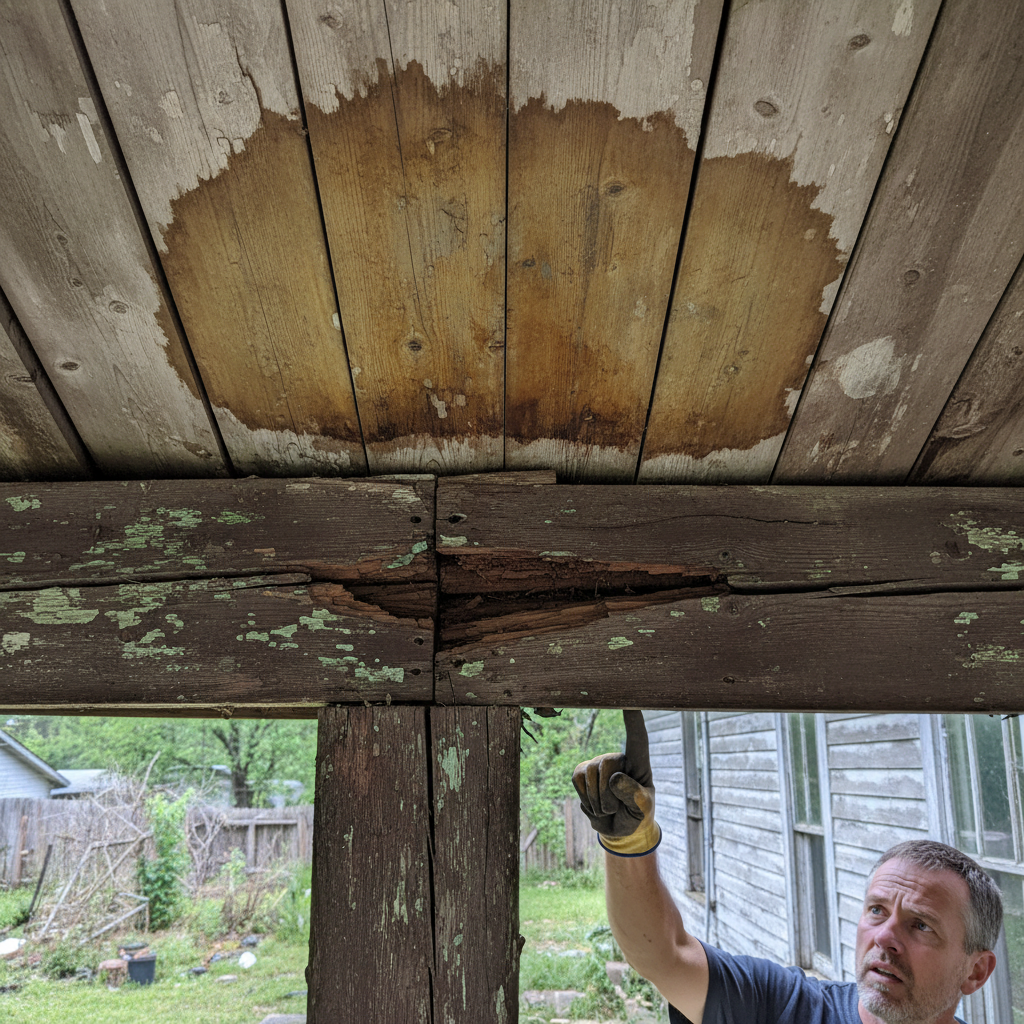
One of the most common culprits behind a sagging porch roof is water damage. Porches are constantly exposed to the elements, making them vulnerable to moisture intrusion.
- Leaking Roof: Cracks in shingles, deteriorated flashing, or poorly installed roofing materials can allow water to seep into the roof’s substructure, saturating wood components.
- Poor Drainage: Clogged gutters, improperly angled downspouts, or a lack of effective drainage systems can cause water to pool on or near the porch roof, leading to prolonged exposure and rot.
- Ice Dams: In colder climates, ice dams can form along the edges of the roof, preventing melting snow from draining properly. This trapped water can then back up under shingles and into the roof structure.
- Wood Rot: Constant moisture exposure creates the perfect environment for wood rot to flourish. As the wood supporting the roof decays, it loses its strength and integrity, leading to sagging.
Structural Failure or Weakness
Sometimes, the issue isn’t external but rather inherent in the porch’s construction or design.
- Insufficient Support: The original construction might have used beams or joists that were too small or spaced too far apart to adequately support the weight of the roof over time.
- Improper Construction: Errors during the initial building process, such as incorrect fastening, inadequate bracing, or using substandard materials, can compromise the roof’s stability.
- Aged or Deteriorated Materials: Over decades, even well-constructed porches can succumb to the natural aging process. Wood can weaken, metal fasteners can corrode, and the overall structure can lose its rigidity.
- Foundation Issues: If the posts supporting the porch roof are resting on a settling or unstable foundation, they can sink unevenly, causing the roof above to dip and sag.
Pest Infestation
Tiny invaders can cause immense structural damage that often goes unnoticed until it’s too late.
- Termites: These wood-destroying insects tunnel through and consume cellulose, hollowing out beams and joists from the inside out.
- Carpenter Ants: Unlike termites, carpenter ants don’t eat wood but excavate tunnels within it to create nests, weakening the structure significantly.
- Powderpost Beetles: These beetles bore small holes in wood, turning it into powdery dust, which compromises its strength.
If you suspect pest activity, it’s crucial to address it promptly to prevent further structural compromise.
Excessive Weight
A porch roof is designed to bear a certain amount of weight. When that limit is exceeded, sagging can occur.
- Snow Load: In regions with heavy snowfall, an accumulation of snow and ice can put immense stress on the roof structure.
- Heavy Decorations: While less common, overly heavy decorations or installations on the porch roof can contribute to stress over time.
- Incorrect Roofing Materials: If a lighter roofing material was replaced with a much heavier option (e.g., lightweight asphalt shingles replaced with heavy slate tiles) without reinforcing the underlying structure, it can lead to sagging.
Age and Wear
Even the best-built structures are subject to the relentless march of time. Continuous exposure to fluctuating temperatures, humidity, wind, and UV rays can cause materials to degrade. Wood can dry out, crack, and become brittle; fasteners can loosen; and the overall structural integrity can diminish, leading to a gradual sag over many years.
Identifying the Warning Signs of a Sagging Porch Roof
Catching a problem early can significantly reduce repair costs and complexity. Keep an eye out for these telltale signs that your porch roof might be compromised:
Visible Sag or Dip
The most obvious indicator is a noticeable curve or dip in the roofline that wasn’t there before. Stand back from your house and observe the roof from different angles. Even a slight deflection can indicate a developing issue.
Cracks in Walls or Ceilings
If the porch roof is attached to your home, a sagging roof can pull on the connecting structure, causing cracks to appear in the interior or exterior walls or ceilings adjacent to the porch. These cracks can be hairline or more pronounced, often running diagonally.
Misaligned Doors or Windows
As the porch structure shifts, it can affect nearby door and window frames, causing them to become misaligned. You might notice doors sticking, windows becoming difficult to open or close, or gaps appearing around frames.
Water Stains or Leaks
Visible water stains on the porch ceiling, walls, or even the floor beneath the roof are clear signs of a leak. Musty odors, peeling paint, or mold growth also point to ongoing moisture problems, which are often precursors to wood rot and sagging.
Popping or Creaking Sounds
Unusual noises coming from the porch structure, especially during windy conditions, heavy rain, or when walking on the porch floor, can indicate stressed or shifting structural components.
Loose or Deteriorated Fascia and Soffit
The fascia (the board along the roofline) and soffit (the material under the eaves) are crucial for protecting the roof structure. If these components are loose, rotting, or visibly damaged, it’s a strong indication that water is getting into the roof and potentially causing deeper issues.
The Dangers of an Unaddressed Sagging Porch Roof
Ignoring a sagging porch roof is not an option. The longer you wait, the more severe the problem becomes, leading to a cascade of negative consequences.
Safety Hazards
This is the most critical concern. A significantly sagging roof is structurally unsound and poses a serious risk of partial or complete collapse. Anyone standing on or near the porch could be severely injured. The risk increases during heavy weather events or if additional weight (like snow) is placed on the compromised structure.
Further Structural Damage
A sagging porch roof doesn’t just affect the porch itself. It can exert undue stress on the connecting parts of your main house, potentially leading to foundation cracks, wall separation, or roof damage on the primary structure. This can create a domino effect of structural problems throughout your home.
Decreased Property Value
From an aesthetic perspective, a sagging porch roof detracts significantly from your home’s curb appeal. Potential buyers will view it as a major structural flaw, drastically reducing your property’s market value. It’s a clear red flag that signals neglect and potentially very costly future repairs.
Increased Repair Costs
What might start as a localized issue requiring simple repairs (e.g., replacing a single damaged beam) can quickly escalate into a full-scale reconstruction project if neglected. Water damage spreads, rot consumes more wood, and structural integrity diminishes. Addressing the problem early almost always saves money in the long run.
Fixing a Sagging Porch Roof: DIY vs. Professional Help
Once you’ve identified a sagging porch roof, the next step is to decide on the best course of action for repair. This often involves a crucial decision: tackling it yourself or hiring a professional.
When to Call a Professional
For most cases of a sagging porch roof, especially if the sag is significant or the cause is unclear, calling a professional is highly recommended.
- Extensive Damage: If multiple structural components (beams, joists, posts) are visibly damaged, rotting, or severely compromised.
- Structural Issues: When the sag is due to foundation problems, significant shifting, or appears to affect the main house structure.
- Uncertain Causes: If you can’t pinpoint the exact reason for the sag, a professional can conduct a thorough assessment.
- Safety Concerns: Any time you feel unsafe attempting the repair or are unsure about supporting the roof, call an expert.
- Permits Required: Major structural repairs often require building permits, which professionals are experienced in obtaining.
You might need to consult with different types of professionals:
- Structural Engineer: For a definitive assessment of the underlying causes and a repair plan, especially for complex structural failures.
- Roofing Contractor: If the primary cause is extensive roof damage, leaks, or issues with the roofing materials themselves.
- General Contractor: For overseeing the entire repair process, coordinating different trades, and ensuring the structural integrity is restored.
DIY Solutions for Minor Sags
Very minor sags, often in newer porches and caused by easily identifiable, localized issues (e.g., a single small area of rot on a non-load-bearing element, or a loose fastener), might be candidates for DIY repair. However, proceed with extreme caution and never compromise safety.
- Temporary Shoring: If you plan a DIY repair, you MUST safely shore up the sagging area with temporary supports (e.g., adjustable jacks, sturdy lumber) before attempting any work. This prevents further collapse and ensures safety.
- Addressing Minor Leaks: Repairing small shingle damage or sealing minor flashing issues can prevent further water ingress, but won’t fix existing rot.
- Reinforcing Components: In some very minor cases, adding sister joists or reinforcing existing beams can help. However, this requires carpentry skills and a clear understanding of load-bearing principles.
Always err on the side of caution. If there’s any doubt about your ability to safely and effectively repair the sag, call a professional. Good Housekeeping advises that regular home maintenance, including structural checks, can prevent many issues from escalating into major repairs.
Common Repair Methods
Professionals employ various techniques to fix a sagging porch roof, depending on the severity and cause:
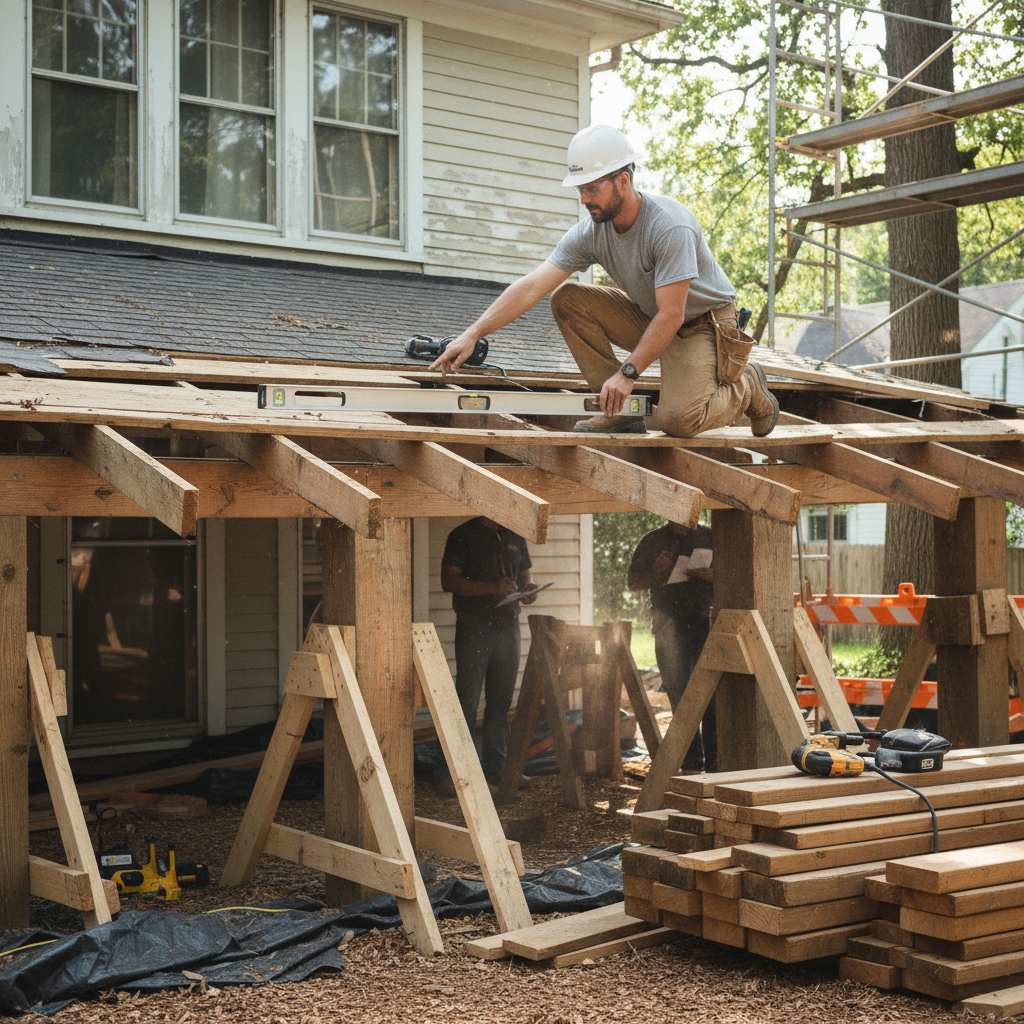
- Replacing Damaged Wood: Rotted or compromised beams, joists, rafters, and posts are carefully removed and replaced with new, properly sized lumber.
- Adding Support Columns or Beams: If the original design was insufficient, additional load-bearing columns or beams might be installed to better distribute the weight.
- Jacketing or Shoring Up Existing Structures: In cases where existing elements are sound but need reinforcement, new lumber can be “sister-ed” alongside the old, or steel plates can be bolted for added strength.
- Foundation Repair: If the issue stems from settling foundation piers, underpinning or leveling techniques will be used to stabilize the base of the porch posts.
- Waterproofing and Drainage Improvements: Repairing the roof itself, installing new flashing, cleaning/installing gutters, and ensuring proper grading around the porch are critical to prevent future water damage.
- Pest Extermination and Prevention: If pests are the cause, they must be eliminated before repairs begin, followed by preventative measures.
Preventing Porch Roof Sagging: Proactive Maintenance
An ounce of prevention is worth a pound of cure, especially when it comes to the structural integrity of your home. Regular maintenance can significantly reduce the risk of your porch roof sagging.
Regular Inspections
Make it a habit to inspect your porch roof at least once a year, preferably in the spring or fall, and after any severe weather events.
- Look for loose or missing shingles, cracked flashing, and signs of water pooling.
- Check for visible sags, dips, or unevenness in the roofline.
- Examine porch posts and beams for cracks, rot, insect holes, or signs of deterioration.
- Check the connection points between the porch roof and the main house.
Effective Drainage
Proper water management is key to preventing wood rot.
- Clean Gutters: Keep gutters free of leaves, twigs, and debris to ensure water flows freely away from the porch roof.
- Proper Downspouts: Ensure downspouts extend far enough from the porch foundation to prevent water from pooling.
- Grading: Verify that the ground slopes away from your porch foundation to direct rainwater away from the structure.
Prompt Leak Repair
Don’t delay fixing even minor roof leaks. What seems like a small drip can quickly lead to extensive water damage and rot if left unaddressed. Inspect the roof, flashing, and sealant regularly and repair any deficiencies immediately.
Pest Control
Implement a proactive pest control strategy. Regular inspections by a professional pest control service can catch infestations early before they cause significant structural damage. Seal any cracks or openings that could provide entry points for insects.
Appropriate Snow Removal
In snowy climates, safely remove heavy snow accumulation from your porch roof. Use a roof rake or similar tool to lighten the load, taking care not to damage the roofing materials. Never climb onto a snow-covered or potentially compromised roof.
Proper Construction and Materials
If you are building a new porch or replacing an existing one, ensure that the design specifications and materials used are appropriate for the anticipated loads (including snow and wind) and local climate conditions. Use pressure-treated lumber for structural elements exposed to moisture and ensure all components are properly sized and securely fastened.
Maintaining Your Porch for Longevity
Beyond structural checks, general upkeep also contributes to the longevity of your porch and its roof.
- Regular Cleaning: Keep the porch roof and deck clean from debris, mold, and mildew.
- Painting or Staining: Periodically paint or stain wooden elements of your porch (posts, railings, ceiling) to protect them from moisture and UV damage.
- Check Fasteners and Connections: Ensure all bolts, screws, and nails holding the porch structure together are tight and free of rust. Replace any corroded fasteners.
FAQs About Sagging Porch Roofs
How much does it cost to fix a sagging porch roof?
The cost to fix a sagging porch roof varies widely depending on the extent of the damage, the cause, the materials needed, and whether you hire a professional. Minor repairs might range from a few hundred to a couple of thousand dollars, while extensive structural repairs or full reconstruction could cost anywhere from $5,000 to $20,000 or more. Getting multiple quotes from qualified contractors is always recommended.
Can I fix a sagging porch roof myself?
Only very minor sags caused by easily identifiable, localized issues might be suitable for a DIY approach, provided you have the necessary skills, tools, and a clear understanding of structural integrity. However, due to the inherent safety risks and the complexity of structural repairs, it is highly recommended to consult a professional for most sagging porch roof issues.
How long does a porch roof last?
The lifespan of a porch roof depends on its construction quality, materials used, climate, and maintenance. A well-built and properly maintained porch roof can last anywhere from 20 to 50 years, often matching the lifespan of the main house roof’s materials. Poor construction or neglect can drastically shorten this lifespan.
What are the signs of a failing porch roof?
Key signs of a failing porch roof include a visible sag or dip, cracks in adjacent walls or ceilings, misaligned doors or windows, persistent water leaks or stains, popping or creaking sounds, and deteriorated or rotting porch posts, beams, or fascia.
Is a sagging porch roof covered by insurance?
Whether a sagging porch roof is covered by homeowner’s insurance depends on the cause. If the sag is due to sudden, accidental damage (e.g., a tree falling, severe storm damage), it may be covered. However, damage caused by neglect, lack of maintenance, wood rot that developed over time, or pest infestation is typically not covered by standard policies. Always check your specific policy and consult with your insurance provider.
Conclusion
A sagging porch roof is a serious structural issue that should never be ignored. It’s a clear signal that something is amiss, potentially compromising the safety and value of your home. By understanding the common causes, recognizing the warning signs, and taking proactive steps for repair and maintenance, you can protect your investment and ensure your porch remains a safe and inviting extension of your living space. Don’t hesitate to seek professional help if you suspect your porch roof is sagging; early intervention is key to preventing further damage and ensuring peace of mind.