There’s nothing quite like the experience of stepping onto a roof deck, feeling the warmth of the sun, and enjoying panoramic views. It’s a cherished extension of your living space, offering outdoor tranquility and entertainment. However, that sense of security can quickly turn to apprehension if you discover roof deck soft spots. These spongy, yielding areas are more than just a minor inconvenience; they are red flags indicating potential structural damage, water infiltration, and significant safety hazards. Ignoring them can lead to costly repairs, further deterioration, and even catastrophic failure. This comprehensive guide will delve into what causes roof deck soft spots, how to identify them, the dangers they pose, and crucially, how to effectively address and prevent them, ensuring your elevated oasis remains safe and enjoyable for years to come.
What Are Roof Deck Soft Spots and Why Are They Dangerous?
At their core, roof deck soft spots are areas of your deck’s surface or underlying structure that have lost their rigidity and feel spongy, springy, or even sag when weight is applied. This loss of firmness is almost invariably a symptom of degradation in the materials beneath the surface. For most roof decks, which often utilize a membrane system over a plywood or OSB substrate, a soft spot means that the substrate, the joists, or both, have succumbed to moisture, rot, or pest damage.
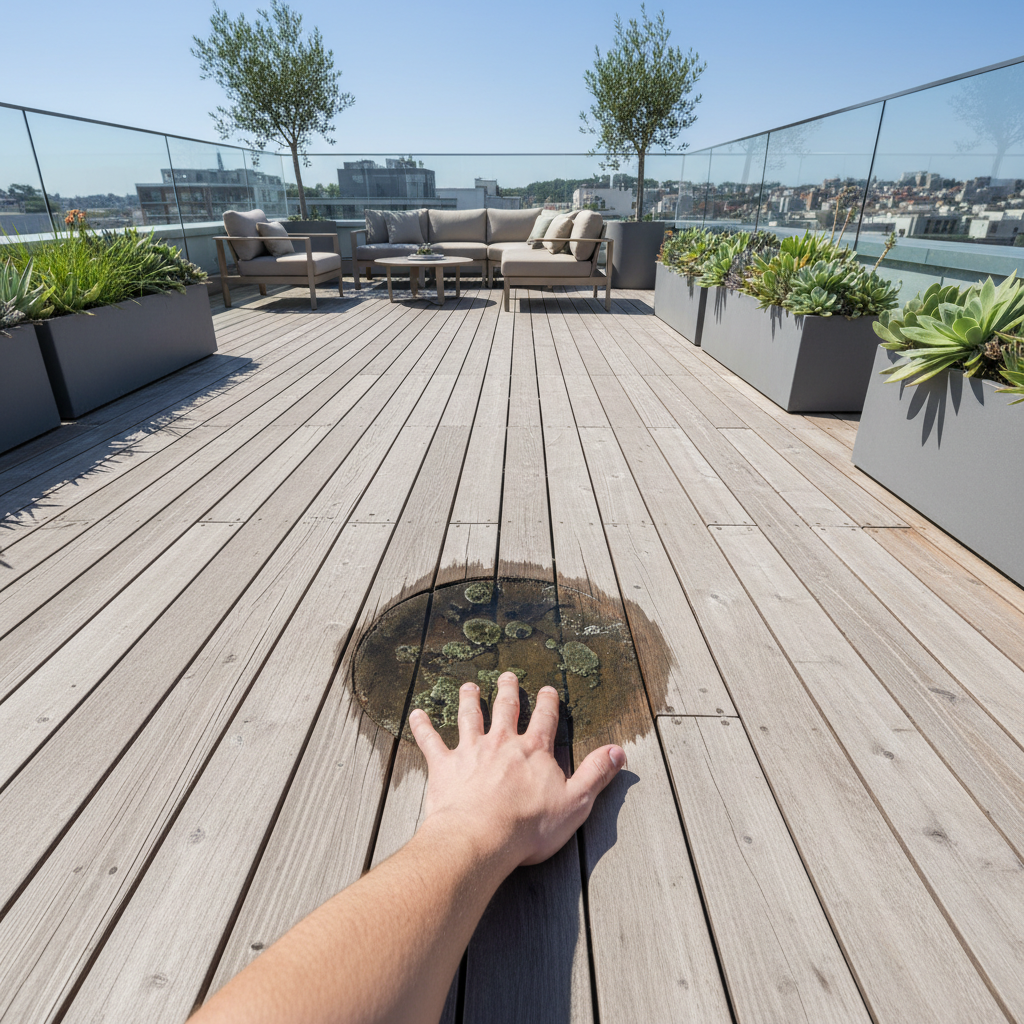
The dangers associated with neglecting these soft spots are manifold:
- Structural Failure: The most immediate and severe risk is the potential for a section of the deck to collapse. As wood rots, its structural integrity is severely compromised, making it unable to support the weight of people, furniture, or snow loads.
- Personal Injury: A sudden collapse can lead to serious injuries, including broken bones, concussions, or worse, for anyone standing on or near the affected area.
- Further Property Damage: The underlying cause of soft spots, often water intrusion, doesn’t stop at the deck. It can leak into the property below, causing damage to ceilings, walls, insulation, and electrical systems, leading to extensive and costly interior repairs.
- Pest Infestations: Rotting wood and damp environments are prime breeding grounds for pests like termites, carpenter ants, and mold, which can spread to other parts of your home, exacerbating damage and health risks.
- Devaluation of Property: A damaged, unsafe deck significantly detracts from your property’s value and can be a major hurdle during a sale.
Identifying Soft Spots: Signs and Symptoms
Early detection is crucial when dealing with roof deck soft spots. Regular inspection can save you significant time, money, and potential danger. Look and feel for these tell-tale signs:
Visual Cues
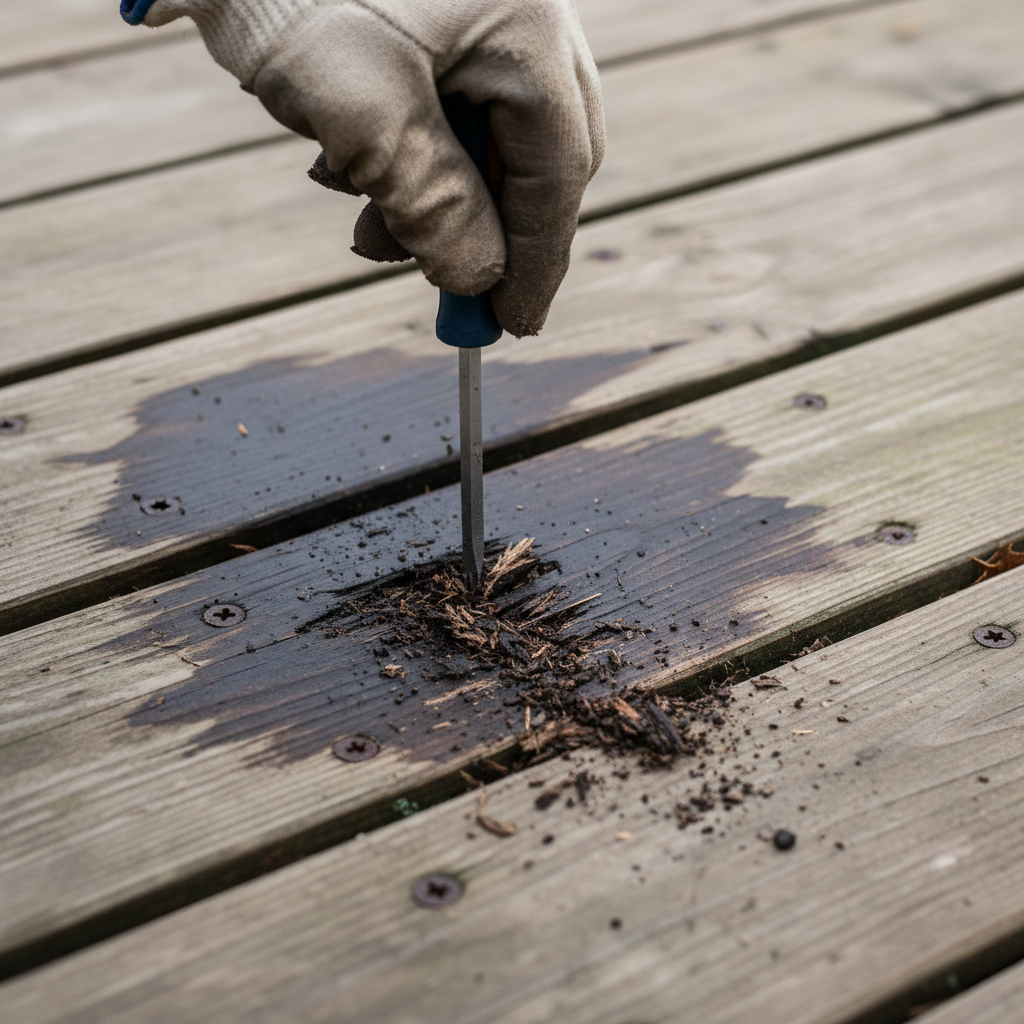
- Discoloration: Darkened or stained areas on the decking surface, especially near seams, flashing, or drains, often indicate prolonged moisture exposure.
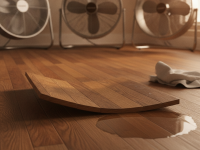
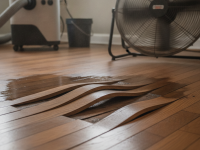
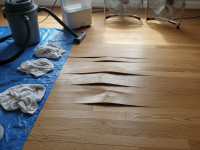
- Warping or Cupping: Deck boards that are noticeably bowed, twisted, or lifted away from the sub-structure are signals of water absorption and subsequent drying cycles.
- Sagging: Visible dips or depressions in the deck surface suggest that the underlying support structure is weakening.
- Mold or Mildew Growth: Green, black, or white fuzzy patches are clear indicators of moisture presence and poor ventilation, which fosters wood decay.
- Cracks or Gaps: New cracks in the decking material or widening gaps between boards can allow more water to penetrate.
- Peeling or Blistering Membrane: If your roof deck has a waterproof membrane, look for bubbles, tears, or areas where it’s lifting, as these are direct entry points for water.
Tactile Cues
- Spongy or Bouncy Feeling: This is the most direct indicator. When you step on a particular area, does it feel soft, springy, or like it’s giving way beneath your feet? This is a definitive soft spot.
- Creaking or Groaning Sounds: As you walk, listen for unusual creaks, groans, or cracking noises, which can signify loose or rotting structural components.
- Unevenness: While not always a soft spot, areas that feel uneven underfoot when they previously didn’t could suggest shifting or compromised sub-structure.
Tools for Detection
- Screwdriver or Awl: Gently probe any suspicious areas with a screwdriver. If the wood is healthy, it will be firm and resist penetration. If it’s rotten, the screwdriver will easily sink in with little resistance.
- Moisture Meter: For a more precise assessment, a non-invasive moisture meter can help detect elevated moisture levels within the decking materials and substrate, even before visible rot appears.
- Flashlight: A strong flashlight can help illuminate dark corners and underneath the deck to spot hidden damage.
For more detailed guidance on inspecting your deck, resources like those from Better Homes & Gardens offer valuable tips on how to inspect your deck for damage, emphasizing key areas to check.
Common Causes of Roof Deck Soft Spots
Understanding the root cause of soft spots is paramount for effective repair and future prevention. Most often, a combination of factors contributes to their formation:
Water Infiltration
This is by far the leading culprit. Water, left unmanaged, is wood’s worst enemy.
- Leaky Membranes: If your roof deck uses a waterproof membrane, tears, punctures, poor seams, or age-related degradation can allow water to seep underneath, attacking the substrate.
- Poor Drainage: Insufficient slope on the deck surface, clogged drains, or improperly designed drainage systems can lead to standing water, which will eventually find a way in.
- Flashing Issues: Flashing around penetrations (like vents, railings, or structural supports) or at the intersection of the deck and the building envelope is critical. Damaged, improperly installed, or aged flashing creates direct pathways for water.
- Cracked Sealants: Over time, caulk and sealants around deck perimeters and joints can dry out, crack, or pull away, compromising the watertight seal.
Material Degradation
Even without direct water ingress, materials can break down.
- Wood Rot: Fungi thrive in damp conditions, breaking down cellulose and lignin in wood, leading to “dry rot” (which actually requires moisture) or “wet rot.”
- Insect Damage: Termites and carpenter ants can tunnel through the wood, compromising its structural integrity from the inside out. While they don’t cause rot directly, their presence often indicates existing moisture problems that attract them.
- UV Exposure: Prolonged exposure to sunlight can degrade decking materials over time, making them more susceptible to moisture absorption and wear.
Structural Weakness
Sometimes the issue isn’t rot but fundamental structural problems.
- Improper Installation: If the deck was not built to code, lacked adequate support, or used insufficient fasteners, it might be prone to sagging and soft spots over time, especially under heavy loads.
- Overloading: Placing excessive weight on certain areas of the deck (e.g., heavy planters, hot tubs, or large gatherings in one spot) can stress and weaken the underlying structure.
- Aging Materials: Even well-maintained decks have a lifespan. Over decades, materials naturally degrade and lose their strength.
Lack of Maintenance
Neglect accelerates all the above issues.
- Accumulated Debris: Leaves, dirt, and other organic matter can trap moisture against the deck surface, promoting rot and degrading protective coatings.
- Skipped Inspections: Without regular checks, minor issues go unnoticed and escalate into major problems.
- Failure to Reseal: Protective coatings and sealants wear off over time. Failing to reapply them leaves the deck vulnerable to moisture.
The Dangers of Neglecting Soft Spots
It’s worth reiterating: ignoring roof deck soft spots is akin to ignoring a slow leak in your home – it will only get worse and more expensive. Beyond the immediate risk of collapse and injury, continued neglect leads to a cascade of problems. What might start as a small, localized soft spot can quickly spread as water continues to infiltrate, affecting adjacent joists, beams, and even the main structure of your home. The cost of repairing extensive structural damage, remediating mold, and dealing with widespread pest infestations will far outweigh the expense of addressing the issue early. Furthermore, the structural compromise can affect your home insurance coverage, and you might find yourself liable for injuries sustained due to a neglected defect.
DIY Detection vs. Professional Inspection
While a homeowner can perform initial checks, knowing when to call in the experts is vital.
When to DIY
- Initial and Routine Inspections: Regularly checking for visible signs like discoloration, warping, and probing with a screwdriver for obvious soft areas.
- Minor, Isolated Issues: If you find a very small, isolated soft spot on a single, easily replaceable deck board that isn’t indicative of widespread water intrusion or structural damage, you might be able to manage a simple repair yourself.
- Cleaning and Basic Maintenance: Tasks like clearing debris, cleaning the deck surface, and checking drains are within a homeowner’s capability.
When to Call a Professional
- Extensive or Widespread Damage: If soft spots are numerous, large, or appear in critical areas like near the building’s edge or main support beams.
- Structural Concerns: Any signs of sagging beams, compromised joists, or movement in the deck’s main frame warrant immediate professional attention.
- Persistent Water Issues: If you suspect ongoing water leaks or drainage problems that you can’t identify or resolve.
- High-Risk Areas: Roof decks, by their nature, are elevated structures. Repairing them often involves working at height, which carries inherent risks. Professionals have the right equipment and safety protocols.
- Uncertainty: If you’re unsure about the extent of the damage, the best course of action, or your ability to perform a safe and effective repair, always consult a qualified deck contractor or structural engineer.
Repairing Roof Deck Soft Spots: A Step-by-Step Guide (or When to Call a Pro)
The repair process varies significantly based on the severity and extent of the soft spots. For anything beyond replacing a single, non-structural board, professional intervention is highly recommended.
Assessment and Preparation
Before any work begins, prioritize safety. Ensure the area is clear, and if working at height, use appropriate safety gear. Thoroughly assess the damage to understand its scope. Is it just surface rot, or has it penetrated the sub-structure?
Small, Isolated Soft Spots (DIY Potential)
If the soft spot is confined to a single deck board and the underlying structure is sound:
- Remove Damaged Material: Carefully cut out the affected section of the deck board using a circular saw, ensuring you cut back to solid, healthy wood.
- Inspect and Treat: Check the exposed sub-structure (joists, plywood) for any signs of rot. If minimal, treat with a wood hardener or fungicidal solution. If the sub-structure is also compromised, this moves beyond a simple DIY fix.
- Replace with New Material: Cut a new piece of decking material to size, ensuring it fits snugly. Fasten it securely to the joists or sub-structure using appropriate fasteners.
- Seal and Waterproof: Apply a high-quality sealant or waterproof coating to the repaired area and surrounding deck to prevent future moisture intrusion.
Extensive or Structural Damage (Professional Required)
If soft spots indicate widespread sub-structure rot, membrane failure, or compromised joists, do not attempt DIY repair. This requires:
- Professional Diagnosis: A qualified contractor will meticulously inspect the entire deck structure, including flashing, drainage, and the underlying roof system. They may use specialized equipment to pinpoint all areas of moisture and rot.
- Demolition and Removal: Damaged decking, membrane, plywood substrate, and even structural joists will need to be carefully removed. This can expose the underlying roof, requiring temporary waterproofing measures.
- Repair/Replace Sub-structure: Rotten joists, beams, and sub-decking (plywood or OSB) must be replaced with new, treated lumber, ensuring proper structural integrity and adherence to building codes.
- Install New Waterproofing: A new, high-quality waterproof membrane system (e.g., TPO, PVC, liquid-applied systems) will be installed. This is a critical step that requires expert precision to ensure a watertight seal, especially around edges, penetrations, and drains.
- Install New Decking: Once the waterproofing is secure, new decking material is installed over the membrane. This can be traditional wood, composite, or other suitable outdoor decking.
Preventing Future Roof Deck Soft Spots
Prevention is always better (and cheaper) than cure. A proactive approach to roof deck maintenance can significantly extend its life and prevent soft spots from ever forming.
- Regular Inspections: Conduct thorough inspections at least twice a year (spring and fall). Look for all the signs mentioned earlier, paying close attention to drainage areas, seams, and flashing. Clear any debris.
- Maintain Proper Drainage: Ensure that your deck has adequate slope (usually 1/8 to 1/4 inch per foot) to prevent standing water. Keep drains clear of leaves, dirt, and other obstructions. Consider installing leaf guards on drains if applicable.
- Check and Maintain Waterproofing: If you have a membrane deck, regularly check for any tears, blisters, or lifted seams. Repair them immediately with appropriate patching materials recommended by the manufacturer. Reapply sealants around penetrations and edges as needed.
- Use High-Quality, Durable Materials: When building or renovating, invest in pressure-treated lumber for the sub-structure and durable decking materials (e.g., composite decking, Ipe, or properly sealed cedar) that are resistant to rot, insects, and moisture.
- Proper Ventilation: Ensure there is adequate airflow around and under the deck to help dry out any moisture and prevent fungal growth.
- Limit Heavy Loads: Be mindful of the weight you place on your deck. Distribute heavy furniture evenly and avoid placing extremely heavy items in concentrated areas.
- Keep it Clean: Regularly sweep away leaves, dirt, and organic debris that can trap moisture against the deck surface. Power wash the deck periodically to remove grime and mildew, but do so carefully to avoid damaging the surface or membrane.
Cost Considerations for Roof Deck Repair
The cost to address roof deck soft spots can vary widely, depending on several factors:
- Extent of Damage: A small, localized repair might only cost a few hundred dollars for materials if you DIY. Extensive structural damage, requiring demolition and rebuilding sections of the sub-structure and waterproofing, can easily run into thousands or even tens of thousands of dollars.
- Material Costs: The type of decking and waterproofing membrane chosen will impact the overall price. High-end materials naturally cost more.
- Labor Costs: Professional contractors charge for their expertise, labor, and specialized equipment. Geographic location also plays a role in labor rates.
- Underlying Roof Damage: If the water intrusion has damaged the roof structure beneath the deck, those repairs will add significantly to the total cost.
While the upfront cost of professional repair might seem high, it’s an investment in safety and the longevity of your home. Cutting corners on structural repairs can lead to more expensive problems down the line.
FAQs About Roof Deck Soft Spots
What causes a roof deck to feel soft?
The primary cause is almost always water infiltration leading to wood rot in the sub-structure (plywood, OSB, or joists). This can be due to leaky waterproof membranes, poor drainage, damaged flashing, or cracked sealants. Pest infestations like termites or carpenter ants can also contribute to structural weakening.
Can I walk on a soft spot on my deck?
It is strongly advised to avoid walking on any soft spots on your deck. They indicate compromised structural integrity and pose a significant risk of collapse, leading to serious injury. cordon off the area immediately.
How often should I inspect my roof deck?
You should perform a thorough inspection of your roof deck at least twice a year, ideally in the spring and fall. Regular visual checks for obvious issues are also recommended after heavy rains or strong winds.
Is fixing soft spots a DIY job?
Minor, isolated soft spots affecting only a single, non-structural deck board might be a DIY fix. However, if the soft spot is extensive, involves the sub-structure (joists, beams), or if you suspect widespread water damage or membrane failure, it is crucial to hire a qualified professional for assessment and repair. This ensures safety and proper structural integrity.
How long does a roof deck typically last?
The lifespan of a roof deck varies greatly depending on the materials used, quality of installation, local climate, and maintenance regimen. A well-built and properly maintained roof deck with a high-quality membrane can last 15-25 years or even longer, while the decking material itself might need replacement sooner.
Conclusion
Roof deck soft spots are a serious concern that demands immediate attention. They are clear indicators of underlying issues that threaten the safety and structural integrity of your deck and potentially your entire home. By understanding the causes, recognizing the signs, and taking proactive steps for maintenance and timely repair, you can protect your investment and ensure your roof deck remains a safe, beautiful, and functional space for relaxation and enjoyment. Don’t underestimate the quiet threat of a spongy step; instead, empower yourself with knowledge and act decisively to preserve your elevated outdoor sanctuary.