Clever Home Design Ideas for Small Living Rooms: Mastering Multifunctional Furniture
Transforming a compact space into a functional and stylish sanctuary requires ingenuity, especially when it comes to the heart of your home. If you’re searching for effective home design ideas for small living rooms, multifunctional furniture is undoubtedly your greatest ally. Gone are the days when small meant sacrificing comfort or aesthetic appeal. With thoughtful planning and the right pieces, your modest living area can become a versatile haven, perfectly tailored to your lifestyle and designed to do more with less.
Embracing the Multifunctional Revolution in Small Spaces
The urban landscape often dictates smaller living quarters, making intelligent design not just a luxury but a necessity. The concept of multifunctional furniture is simple yet revolutionary: pieces that serve more than one purpose, thereby reducing clutter and maximizing utility. This approach is fundamental to creating spaciousness and efficiency in any compact environment, allowing your living room to effortlessly transition from a cozy reading nook to an entertainment hub, or even a temporary home office.
Why Multifunctional Furniture is a Small Living Room’s Best Friend
- Space Optimization: Every inch counts. Dual-purpose items reduce the total number of furniture pieces needed.
- Increased Functionality: Your living room can adapt to various activities without feeling cramped.
- Reduced Clutter: Many multifunctional pieces come with integrated storage, helping to keep your space tidy.
- Cost-Effective: Investing in one item that performs multiple roles can be more economical than buying several single-purpose items.
- Flexibility and Flow: Easily reconfigure your space to suit different needs or moods.
Essential Multifunctional Furniture Pieces for Small Living Rooms
Let’s explore specific pieces that exemplify smart design and can dramatically enhance the utility and appeal of your small living room.
1. Sofa Beds and Daybeds: The Ultimate Convertible Seating
Perhaps the most classic example of multifunctional furniture, a high-quality sofa bed or daybed is indispensable for small spaces. During the day, it’s a comfortable sofa for lounging or entertaining. By night, it effortlessly transforms into a bed for guests, providing essential sleeping arrangements without needing a dedicated guest room. Look for designs that offer sturdy mechanisms and comfortable mattresses to ensure both durability and a good night’s sleep. Some even come with integrated storage underneath, adding another layer of functionality.
2. Storage Ottomans and Benches: Sit, Store, and Serve
An ottoman might seem like a simple footrest, but a storage ottoman is a true workhorse. It can serve as:
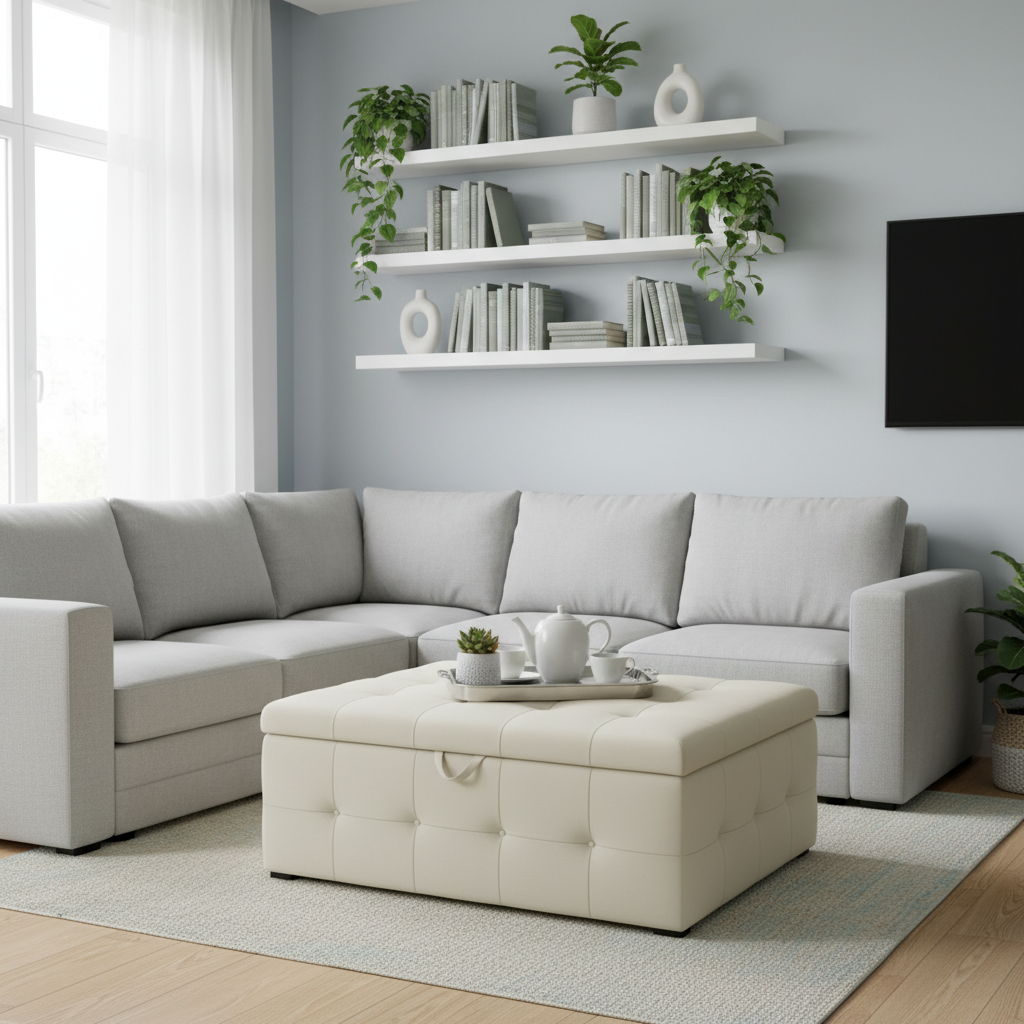
- An extra seat when entertaining.
- A comfortable footrest after a long day.
- A coffee table when topped with a tray.
- A discreet storage unit for blankets, magazines, or remote controls.
Similarly, a storage bench placed under a window or against a wall provides seating and significant hidden storage, perfect for stashing away items you don’t want on display. These pieces are crucial for maintaining an uncluttered aesthetic in compact living areas.
3. Nesting Tables and Lift-Top Coffee Tables: Dynamic Surfaces
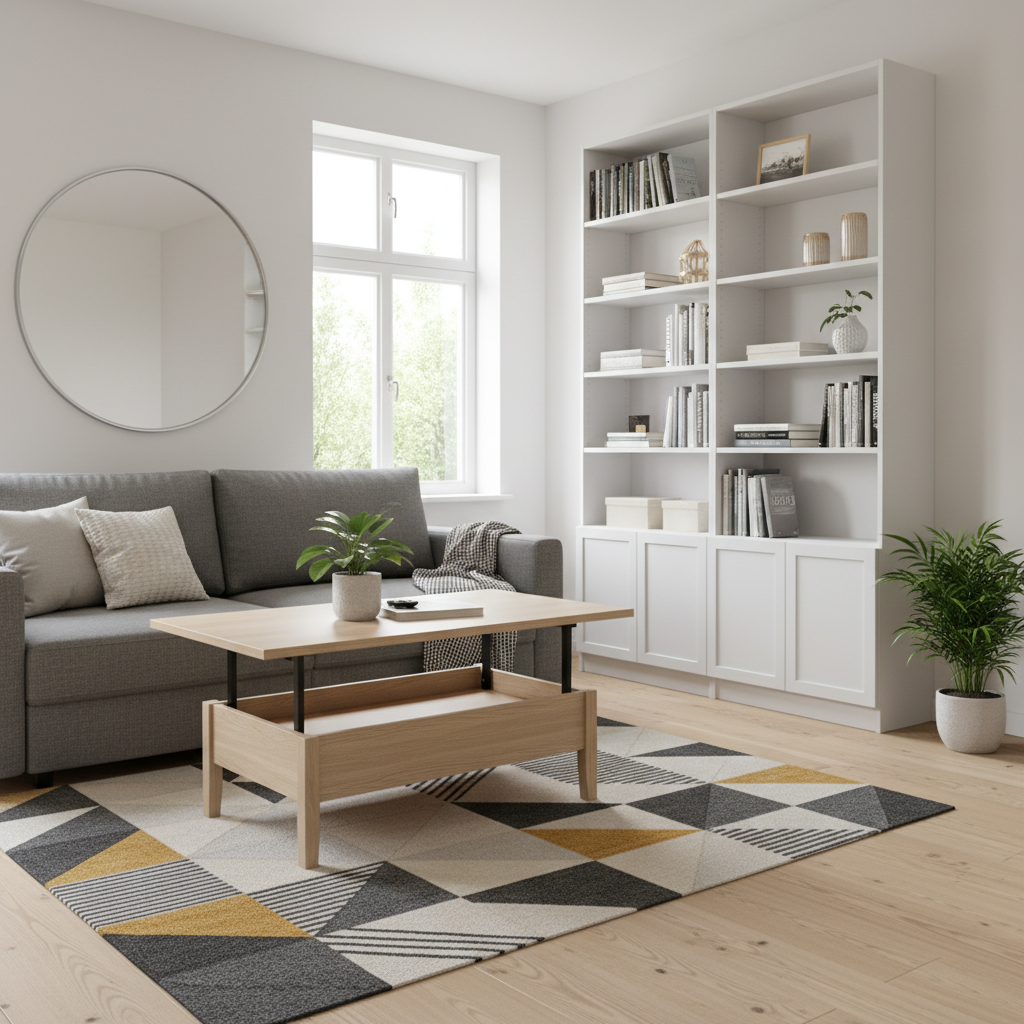
Traditional coffee tables can often feel bulky in small living rooms. Enter nesting tables: a set of tables of varying sizes that tuck neatly inside each other. You can pull them out as needed for drinks, snacks, or décor, then slide them back together to reclaim floor space. Lift-top coffee tables offer another ingenious solution, featuring a top that lifts and extends towards you, creating a comfortable surface for dining, working on a laptop, or crafting, often revealing hidden storage underneath. These are fantastic for providing versatile surfaces without occupying permanent extra square footage.
4. Modular and Sectional Sofas: Adaptable Seating Arrangements
A modular sofa is designed to be reconfigured into various layouts. Its individual components (chaises, armless chairs, corners) can be moved and rearranged to suit different needs – a compact two-seater for daily use, an L-shape for movie night, or even separate seating units when guests arrive. This adaptability is invaluable in small living rooms, allowing you to customize your seating dynamically and maximize available space for different occasions.
5. Console Tables that Expand: Dining or Desk on Demand
Imagine a slim console table that sits unobtrusively against a wall. When guests arrive or you need a larger workspace, it expands to become a full-sized dining table or a spacious desk. These transforming tables are brilliant for apartment dwellers or anyone needing occasional dining or work surfaces without permanent furniture. Look for designs that are sturdy and easy to operate, providing stability in both compact and extended forms.
6. Folding and Wall-Mounted Furniture: Disappearing Acts
For ultimate space-saving, consider furniture that folds away or mounts to the wall. Wall-mounted desks or dining tables can be folded down when needed and tucked away flat against the wall when not in use, completely freeing up floor space. Folding chairs or stools can be stored in a closet and brought out only when extra seating is required. These solutions are perfect for maintaining an open, airy feel in a small living room, giving you the flexibility to transform the room’s function instantly.
7. Bookshelves with Integrated Desks or Cabinets: Vertical Efficiency
Vertical space is often underutilized. A tall bookshelf that also incorporates a pull-out desk or closed cabinets offers incredible functionality. You can display books and décor on open shelves, use the integrated desk for a quick work session, and hide away clutter in the cabinets. This type of unit addresses multiple storage and functional needs within a single footprint, making it an excellent investment for small living areas.
Beyond Furniture: Smart Home Design Strategies for Small Living Rooms
While multifunctional furniture is key, a holistic approach to design will truly unlock the potential of your compact living space. Here are additional strategies to consider.
A. Thoughtful Layouts and Zone Creation
Even in a small room, you can define different zones. Use area rugs to delineate a seating area from a workspace, or place a narrow console table behind a sofa to create a subtle division. Floating shelves can also help define areas without physical barriers. Strategic furniture placement ensures good traffic flow, making the room feel less cluttered and more intuitive to navigate.
B. Harnessing Vertical Space
Look up! Walls are valuable real estate. Install floating shelves above your TV or sofa for displaying décor, books, or plants. Tall, narrow bookcases draw the eye upward, making the ceiling feel higher. Wall-mounted sconces instead of floor lamps save precious floor space while providing ambient lighting. Utilizing vertical dimensions effectively is crucial for small home design ideas.
C. Strategic Lighting: Brightening and Expanding
Good lighting can dramatically alter the perception of space. Maximize natural light by keeping windows unobstructed and using sheer curtains. For artificial lighting, incorporate a mix of ambient (ceiling lights), task (reading lamps), and accent (picture lights) lighting. Dimmers allow you to control the mood. Mirrors strategically placed opposite windows can bounce light around, making the room feel larger and brighter. For more insights on maximizing natural light and other clever small space decorating ideas, check out tips from Good Housekeeping.
D. Color Palettes and Mirrors: Illusions of Grandeur
Light, neutral colors on walls and large furniture pieces can make a small room feel more expansive and airy. Consider shades of white, cream, light gray, or soft pastels. You can introduce pops of color through accessories like throw pillows, artwork, or decorative objects. Large mirrors are magical for creating the illusion of depth and reflecting light, effectively doubling the perceived size of your living room.
E. Decluttering and Organization: A Prerequisite for Small Spaces
Even the most perfectly designed small living room will feel cramped if it’s full of clutter. Regularly decluttering is non-negotiable. Invest in smart storage solutions – bins that fit under beds, baskets on shelves, or decorative boxes. Every item should have a home. A tidy space not only looks bigger but also feels more peaceful and organized.
F. Scale and Proportion: Choosing Wisely
When selecting furniture, pay close attention to scale. Overly large pieces will overwhelm a small room, while too many tiny pieces can make it feel busy. Opt for streamlined, slender designs with exposed legs to allow light to pass underneath, making the room feel less visually heavy. Furniture that isn’t too deep is often a better choice. Choose a few well-proportioned pieces rather than many small ones.
Designing for Flow and Comfort in Your Compact Living Area
A small living room doesn’t have to sacrifice comfort or hinder movement. Thoughtful planning can ensure both.
Ensuring Smooth Traffic Flow
Map out your primary pathways through the room. Ensure there’s enough space (ideally 30-36 inches) between furniture pieces for comfortable movement. Avoid placing large items directly in the path of doorways or main routes. If your sofa is against a wall, ensure you can easily walk around the coffee table. This attention to flow makes the room feel more open and functional.
Creating Cozy Nooks
Even with limited space, you can carve out cozy spots. A small armchair with a floor lamp and a side table near a window can become a perfect reading nook. A bench with throw pillows can be a comfortable spot for quiet contemplation. These defined areas provide intimacy and purpose within the larger living space.
DIY and Budget-Friendly Multifunctional Solutions
You don’t need a huge budget to implement multifunctional design. Creativity is key:
- Crate Storage: Stack wooden crates to create modular shelving or side tables with built-in storage.
- Pallet Furniture: Repurpose pallets into a low coffee table with storage space underneath.
- Upcycled Trunks: An old trunk can be a coffee table, storage unit, and even extra seating.
- Floating Shelves: Inexpensive and easy to install, they add vertical storage and display space without taking up floor area.
These ideas prove that practical and stylish solutions for small living rooms are accessible to everyone.
Maintaining Your Multifunctional Marvels
Once you’ve invested in multifunctional furniture, a little care goes a long way. Regularly clean upholstery, check moving parts on sofa beds and lift-top tables, and ensure that storage compartments are not overfilled. Good maintenance not only extends the life of your furniture but also ensures its continued smooth operation, keeping your small living room both beautiful and functional for years to come.
Frequently Asked Questions About Small Living Room Design
Q: How can I make a small living room feel larger without knocking down walls?
A: Focus on light color schemes, maximize natural light, use large mirrors, incorporate vertical storage, and choose furniture with slim profiles and exposed legs. Decluttering is also crucial to making any space feel more expansive.
Q: What’s the most important piece of multifunctional furniture for a tiny living room?
A: A sofa bed or a storage ottoman is often considered the most impactful. A sofa bed offers both seating and sleeping, while a storage ottoman provides seating, a surface, and hidden storage, addressing multiple needs in one compact footprint.
Q: Can I have a TV in a small living room? How should I place it?
A: Absolutely! Wall-mounting your TV is the best solution for a small living room as it frees up floor space that a TV stand would occupy. Consider a swivel mount to adjust viewing angles, or integrate it into a vertical shelving unit.
Q: How do I choose the right color for my small living room?
A: Lighter, neutral colors (whites, creams, light grays, soft blues, or greens) are generally best as they reflect light and make the room feel airy and open. You can add personality and depth with accent colors through accessories.
Q: Is it okay to use rugs in a small living room?
A: Yes, rugs are highly recommended! A single, appropriately sized rug can anchor the seating area and make the room feel cohesive and inviting. Avoid very small rugs that can chop up the space; instead, choose one large enough for at least the front legs of your main furniture pieces to rest on.
Conclusion: Your Small Living Room, Reimagined
Designing a small living room doesn’t have to be a compromise. By embracing home design ideas for small living rooms, multifunctional furniture becomes the cornerstone of a functional, stylish, and comfortable space. From sofa beds and storage ottomans to nesting tables and modular seating, each piece is an opportunity to amplify your room’s potential. Combine these smart furniture choices with thoughtful layouts, clever lighting, and a commitment to organization, and you’ll create a living room that truly lives large, proving that even the most compact areas can be vibrant and versatile reflections of your personal style.