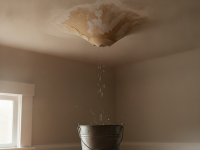
There’s nothing quite like the warmth of summer, but if that warmth brings with it a distinct, musty odor wafting down from your attic, you might be dealing with a common yet concerning issue: an attic that smells like mold in summer. This unpleasant aroma isn’t just a nuisance; it’s a strong indicator of a potential mold problem that could be affecting your home’s structural integrity and even your family’s health. The summer months, with their elevated temperatures and humidity, create an environment where mold can thrive, making your attic particularly susceptible. Understanding why this happens, how to identify the source, and what steps to take for remediation and prevention is crucial for maintaining a healthy and safe living space.
Why Attics Are Prone to Mold in Summer
Attics are often overlooked spaces in our homes, yet they play a critical role in ventilation and insulation. During summer, several factors combine to make them prime breeding grounds for mold. The interaction between outdoor heat, indoor air, and structural components can lead to condensation and trapped moisture, which are mold’s best friends.
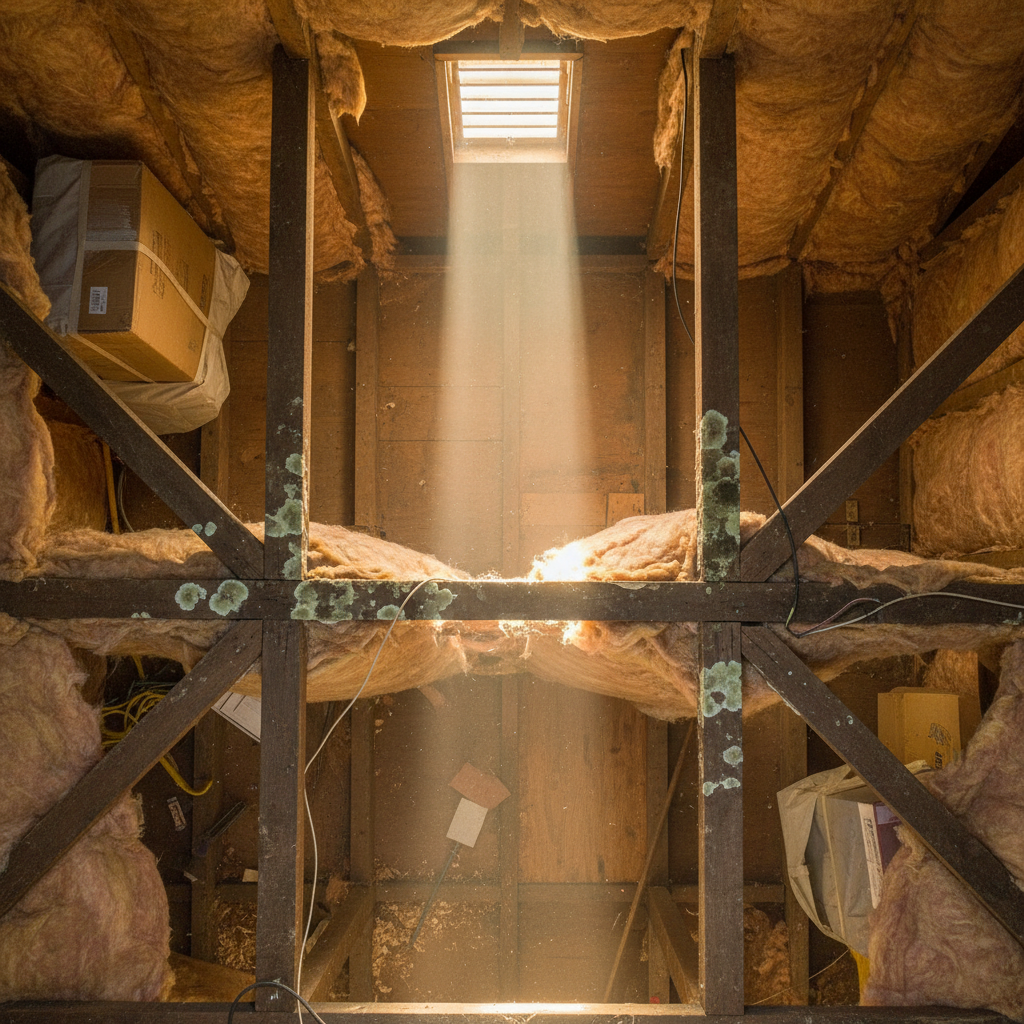
Heat and Humidity: The Perfect Storm
Summer brings with it higher ambient temperatures and increased humidity, both outdoors and often, inadvertently, indoors. When warm, humid air from outside infiltrates your attic, or when warm, moist air from your living space rises into a cooler attic, condensation can occur. This is particularly true if the attic temperature fluctuates significantly. Think of a cold drink on a hot day – the outside of the glass sweats. Your attic can do the same, but on a larger scale, leading to damp surfaces ideal for mold growth.
Poor Ventilation: A Common Culprit
Proper attic ventilation is essential year-round, but its importance is magnified in summer. A well-ventilated attic allows hot, moist air to escape and draws in cooler, drier air from outside. Without adequate soffit vents, ridge vents, or gable vents, hot, humid air becomes trapped. This stagnant, warm air significantly increases the relative humidity within the attic, creating condensation on rafters, sheathing, and insulation. This continuous dampness provides the ideal conditions for mold spores, which are always present in the air, to germinate and spread.
Roof Leaks and Water Intrusion: Hidden Dangers
While often associated with rain and snow, roof leaks can become more apparent or problematic in summer. Small, slow leaks might not be noticeable during drier months but can accumulate moisture over time. Heavy summer thunderstorms can also exacerbate existing weaknesses in your roof, such as damaged shingles, compromised flashing around chimneys or skylights, or worn-out sealants. Water intrusion directly provides the moisture mold needs to flourish, and often, the mold smell is the first sign of a hidden leak.

Insulation Issues: Trapping Moisture
Insulation is critical for thermal regulation, but if it’s improperly installed, damaged, or insufficient, it can contribute to mold problems. Insulation that becomes wet, whether from a leak or condensation, loses its effectiveness and becomes a haven for mold. Furthermore, if insulation is blocking soffit vents, it can impede airflow and worsen ventilation issues. Older insulation might also degrade and absorb moisture more readily.
Condensation: The Unseen Enemy
Condensation occurs when warm, moist air meets a cooler surface and releases its moisture. In a summer attic, this can happen in several ways. Air conditioning ducts running through an unconditioned attic can be a major source of condensation if they are uninsulated or poorly sealed. Exhaust fans from bathrooms or kitchens that vent directly into the attic instead of outside are another significant source of moisture. Even air leaks from the conditioned living space below can carry humid air into the attic, where it cools and condenses on structural elements.
Identifying the Source of the Mold Smell
A musty odor is a strong indicator, but finding the exact source requires a bit of detective work. Ignoring the smell is never an option; swift action can prevent minor issues from becoming major problems.
The Olfactory Clue: What Does Mold Really Smell Like?
The smell of mold is distinctive – earthy, musty, damp, and sometimes described as similar to rotting leaves or wet socks. It’s often strongest when humidity is high, which explains why you notice it more when your attic smells like mold in summer. The intensity of the smell can sometimes indicate the severity of the problem. If the smell is very strong, the mold growth might be extensive or actively decaying organic materials.
Visual Inspection: Where to Look
Once you detect the smell, it’s time for a visual inspection. Arm yourself with a powerful flashlight, a respirator mask, gloves, and protective eyewear before entering the attic. Look for:
- Discoloration: Mold can appear in various colors – black, green, white, gray, or even orange or pink. Look for fuzzy, slimy, or powdery patches on wood rafters, ceiling joists, roof sheathing, and insulation.
- Water Stains: Even if there’s no active leak, old water stains indicate past water intrusion that could have led to mold. Pay close attention to areas around chimneys, vents, pipes, and skylights.
- Damaged or Sagging Insulation: Wet or compressed insulation is a sign of moisture.
- Condensation: Look for moisture beads or water droplets on cold surfaces, especially metal ducts, pipes, and the underside of the roof deck.
Using a Moisture Meter: Pinpointing Wet Areas
A moisture meter is an invaluable tool for identifying hidden moisture. It can detect dampness in wood and other materials that might not be visible to the naked eye. Probe suspicious areas, especially those with discoloration or water stains. High moisture readings confirm the presence of water, even if it’s currently dry to the touch, indicating a potential mold hotspot.
Professional Mold Inspection: When to Call the Experts
If the mold growth is extensive (covering more than 10 square feet), if you suspect hidden mold behind walls or under flooring, if you or your family members are experiencing health issues, or if you’re unsure about the source, it’s wise to call a certified mold inspector. Professionals have specialized equipment and expertise to safely identify, test, and assess the scope of the problem. They can also provide a remediation plan.
Immediate Steps When You Detect a Mold Smell
Discovering your attic smells like mold in summer can be alarming, but immediate action can mitigate further damage and health risks.
Prioritize Safety: Personal Protective Equipment
Before entering an attic with suspected mold, protect yourself. Wear an N-95 respirator mask to prevent inhaling mold spores, safety goggles to protect your eyes, and gloves to avoid skin contact. Long sleeves and pants are also recommended to minimize exposure. Mold spores can irritate respiratory systems and cause allergic reactions.
Improve Ventilation (Temporarily)
If it’s safe to do so (i.e., no active rain or extreme humidity outside), open attic vents or windows temporarily to increase airflow and help dry out the space. A powerful fan directed towards the attic opening can also help circulate air. However, be cautious not to pull humid outdoor air into an already damp attic during peak summer humidity. This step is mainly for reducing stale, musty air and helping with initial drying.
Stop the Water Source (If Obvious)
If you identify an active leak, such as a dripping pipe or a visible roof leak, your priority should be to stop the water intrusion immediately. This might involve temporary repairs or calling a plumber or roofer for emergency service. No mold remediation will be successful if the moisture source remains active.
Long-Term Solutions and Prevention Strategies
Once the immediate problem is addressed, implementing long-term solutions is key to ensuring your attic remains mold-free, especially during the humid summer months.
Enhancing Attic Ventilation: Ridge Vents, Soffit Vents, and Exhaust Fans
Proper ventilation is paramount. Ensure your attic has a balanced system of intake vents (typically soffit vents along the eaves) and exhaust vents (ridge vents at the peak, gable vents, or powered attic fans). The goal is to create a continuous flow of air that flushes out hot, humid air. Soffit vents should be clear of insulation, and baffle vents can be installed to prevent insulation from blocking them. Powered attic fans can assist in moving air, but they must be properly sized and installed to work effectively without creating negative pressure that draws conditioned air from your living space.
Sealing Air Leaks: Preventing Interior Moisture Migration
Many homeowners underestimate how much air leaks from their living space into the attic. These leaks, found around light fixtures, plumbing stacks, electrical wiring, and dropped ceilings, carry warm, humid air that can condense in the attic. Use caulk, expanding foam, and weatherstripping to seal these penetrations. Sealing air leaks not only prevents moisture issues but also improves your home’s energy efficiency. A comprehensive guide on sealing air leaks can be found on reputable sites like Good Housekeeping.
Proper Insulation: Batt, Blown-In, and Spray Foam Considerations
Ensure your attic has adequate and properly installed insulation. Insulation acts as a thermal barrier, reducing heat transfer between your living space and the attic. This minimizes temperature differentials that can lead to condensation. If insulation is wet, damaged, or insufficient, it should be replaced. Consider different types: fiberglass batt, blown-in cellulose or fiberglass, or spray foam. Spray foam insulation can also act as an air barrier, further preventing moisture migration and creating an unvented attic assembly which has its own considerations for design.
Addressing Roof and Flashing Issues: Proactive Maintenance
Regular roof inspections are essential. Check for cracked, missing, or curled shingles. Inspect flashing around chimneys, vents, and skylights for any signs of damage or deterioration. Timely repairs to your roof can prevent water leaks that lead to mold. It’s often best to hire a qualified roofing professional for these inspections and repairs.
Managing Indoor Humidity: Dehumidifiers and HVAC Systems
While the attic is a separate space, overall indoor humidity can contribute to the problem. Ensure your home’s HVAC system is properly sized and functioning. Running your air conditioner effectively removes humidity from your living space. Consider using a whole-house dehumidifier or portable units in particularly humid areas of your home, especially if you live in a climate where humidity is consistently high during the summer. Ensure all bathroom and kitchen exhaust fans vent directly outside, not into the attic.
Regular Attic Inspections: Your Best Defense
Make it a habit to inspect your attic at least once or twice a year, and especially after severe weather events. Look for any signs of water intrusion, mold growth, or pest activity. Early detection is key to preventing small problems from escalating into costly repairs.
DIY Mold Remediation vs. Professional Help
Once the moisture source is identified and stopped, the mold needs to be removed. The approach depends on the extent of the growth.
When You Can Tackle It Yourself (Small Areas)
If the mold growth is small (less than 10 square feet) and on non-porous surfaces like wood rafters or metal ducts, you might be able to clean it yourself. Always wear appropriate PPE. Use a stiff brush and a solution of detergent and water. Scrub the mold away, then ensure the area is thoroughly dried. Do not use bleach on porous surfaces like wood, as it only kills surface mold and doesn’t penetrate to kill the roots, and its water content can contribute to moisture. Instead, use mold-specific cleaners or consider a diluted vinegar solution. For safety reasons, never mix bleach with ammonia or other household cleaners.
When to Call the Pros (Larger Areas, Health Concerns)
For extensive mold growth, particularly on porous materials like insulation or drywall, or if you have health concerns such as asthma or allergies, hiring a professional mold remediation company is strongly recommended. Professionals have the training, equipment (like HEPA vacuums and air scrubbers), and containment procedures to safely and effectively remove mold without spreading spores to other areas of your home. They can also address any underlying structural issues contributing to the mold problem.
Understanding Remediation Costs
Mold remediation costs can vary widely depending on the size of the affected area, the type of mold, the materials involved, and whether structural repairs are needed. While DIY might seem cheaper initially, improper remediation can lead to recurrence or even worse health issues. Get multiple quotes from certified professionals and ensure their plan includes identifying and fixing the moisture source, containment, removal, cleaning, and post-remediation verification.
Common Misconceptions About Attic Mold
There are many myths surrounding mold that can lead to ineffective solutions or underestimation of the problem.
“Bleach Kills All Mold”: Why It’s Not Always the Best Solution
While bleach can kill some mold on non-porous surfaces, it’s often ineffective on porous materials like wood or drywall. Bleach primarily disinfects the surface, leaving mold roots intact to regrow. Furthermore, bleach contains a high percentage of water, which can add moisture to porous materials and exacerbate the problem. It’s also a harsh chemical that can damage surfaces and pose health risks if not used properly. Detergent and water or specialized mold cleaners are often more effective and safer for most applications.
“If I Can’t See It, It’s Not There”: The Invisible Threat
Mold doesn’t always manifest as obvious black splotches. It can grow in hidden cavities, behind insulation, or within the fibers of materials. A persistent musty smell, even without visible signs, is a strong indicator of hidden mold and should always be investigated. Airborne mold spores can also be present without visible colonies.
“Mold Is Harmless”: Health Risks Explained
This is a dangerous misconception. While not all mold is toxic, all mold can potentially cause health problems, especially for sensitive individuals. Exposure to mold spores can trigger allergic reactions (sneezing, runny nose, red eyes, skin rash), asthma attacks, respiratory problems, and irritation of the eyes, skin, nose, throat, and lungs. People with compromised immune systems, infants, and the elderly are particularly vulnerable. Long-term exposure to certain types of mold can lead to more serious health issues, underscoring the importance of prompt remediation.
FAQs About Attic Mold in Summer
Why does mold smell worse in summer?
Mold growth is accelerated by warmth and humidity. Summer provides the perfect conditions for mold to thrive and release more volatile organic compounds (VOCs) that create the musty odor. Additionally, trapped humid air in the attic can intensify the smell.
Can attic mold affect indoor air quality?
Absolutely. Mold spores can easily travel from the attic into your living space through air leaks, HVAC ducts, and even through diffusion. These spores contribute to poor indoor air quality, potentially causing respiratory issues and triggering allergies.
What are the health risks of attic mold?
Health risks include allergic reactions (sneezing, watery eyes, skin rashes), asthma attacks, respiratory infections, and irritation of the throat and eyes. For individuals with compromised immune systems, more severe health problems can occur. Prompt removal and prevention are crucial.
How often should I check my attic for mold?
It’s recommended to visually inspect your attic at least twice a year – once in the spring to check for winter damage and once in the fall to prepare for winter. Also, check after any major storms or if you notice a persistent musty odor in your home.
Is it safe to enter a moldy attic?
Entering a moldy attic should be done with caution and proper personal protective equipment (PPE), including an N-95 respirator, gloves, and eye protection. Avoid disturbing the mold as much as possible to prevent releasing spores into the air. If the mold growth is extensive, it’s safer to have a professional assess the situation.
Conclusion
Discovering your attic smells like mold in summer is a clear signal that something is amiss, and it requires your attention. While the summer heat and humidity create an ideal environment for mold, understanding the underlying causes – poor ventilation, hidden leaks, and condensation – empowers you to address the problem effectively. Prioritizing safety, conducting thorough inspections, and implementing both immediate and long-term solutions are critical steps. Whether you choose to tackle small areas yourself or enlist the help of professionals for larger infestations, proactive identification and remediation are essential for protecting your home’s structural integrity and safeguarding your family’s health. Don’t let a musty smell turn into a lasting problem; take action today for a healthier, mold-free home.