The Silent Threat: Why Your Chimney Leaks During Storms
Understanding why your chimney leaks is the first step toward effective remediation. Chimneys are complex structures constantly exposed to the elements, making them particularly vulnerable to wear and tear. When heavy rains, strong winds, or even hail accompany a storm, any weakness in the chimney’s defense can allow water to penetrate.
Understanding the Anatomy of a Chimney
To pinpoint the source of a leak, it helps to know the main components of your chimney:
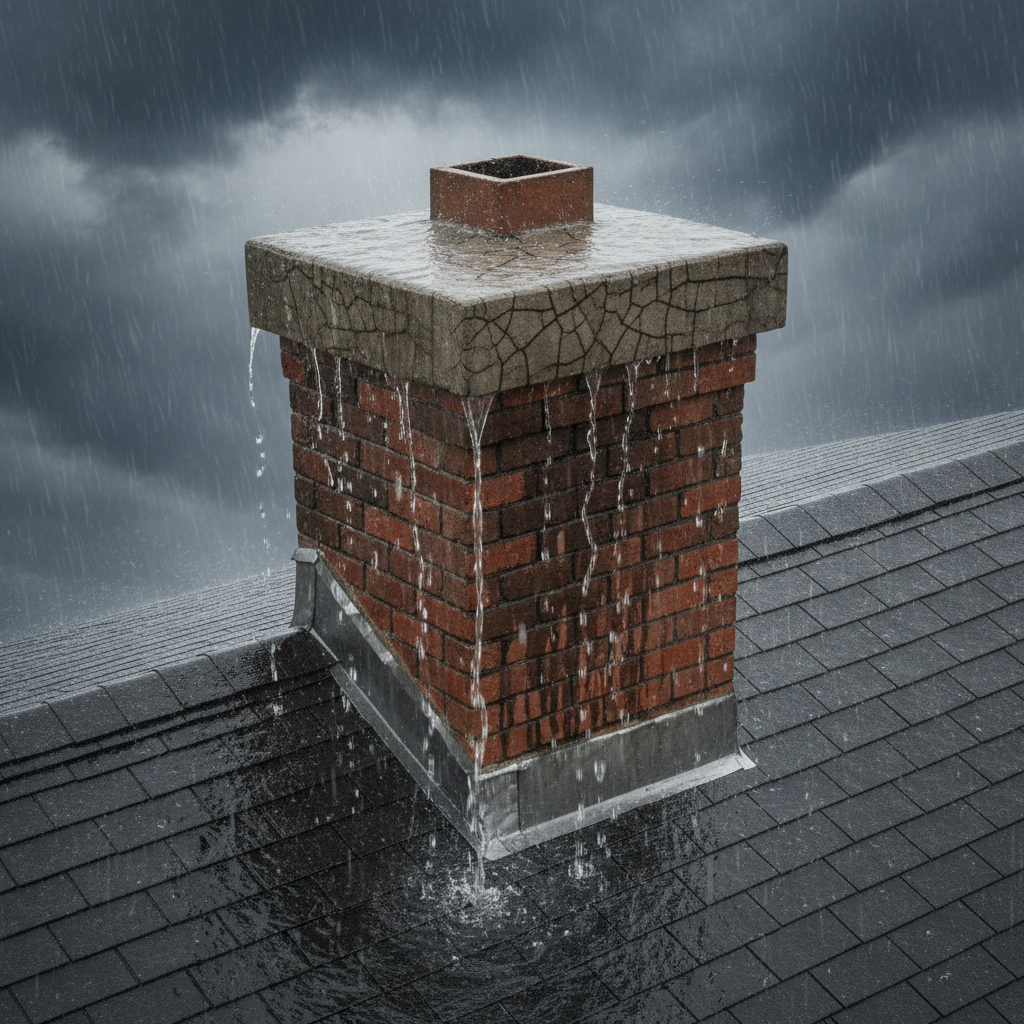
- Chimney Cap: Sits atop the flue, preventing rain, debris, and animals from entering.
- Chimney Crown: The concrete or metal slab capping the chimney masonry, sloping outward to direct water away from the flue opening and masonry.
- Flashing: Sheets of metal (usually aluminum or copper) that create a watertight seal where the chimney meets the roofline.
- Mortar Joints: The material binding the bricks together.
- Bricks: The masonry units forming the structure.
- Chase Cover: For prefabricated metal chimneys, this is the metal cap that covers the top of the chase.
- Flue Liner: The inner conduit that gases travel through, protected by the chimney structure.
Common Culprits: Specific Causes of Leaks
Most chimney leaks stem from one or more of these common issues:
Damaged or Missing Chimney Cap/Crown
Your chimney cap is the first line of defense against water intrusion. If it’s missing, damaged, or improperly sized, rain can pour directly into the flue. A cracked or deteriorating chimney crown is equally problematic. Over time, concrete crowns can crack due to thermal expansion and contraction, allowing water to seep into the masonry below and eventually into your home.
Faulty or Deteriorated Flashing
Flashing is critical for preventing leaks where the chimney penetrates the roof. It consists of multiple layers of metal that are interwoven with the roofing materials and sealed. If the flashing becomes bent, corroded, loose, or if its seals (like caulk or tar) dry out and crack, water can easily run down the chimney exterior and into your attic or walls. This is one of the most common causes of a leaky chimney during heavy rainfall.
Deteriorated Mortar Joints and Spalling Bricks
Mortar joints, which hold your chimney bricks together, are susceptible to erosion from rain, wind, and freeze-thaw cycles. Over time, these joints can crack, crumble, and become porous, allowing water to wick into the chimney structure. Similarly, bricks themselves can absorb water. If this absorbed water freezes and expands, it can cause the brick’s surface to peel, flake, or pop off – a process known as spalling. Spalling bricks are weaker and allow even more water to enter, leading to faster deterioration and leaks.
Cracked or Corroded Chase Cover (for Metal Chimneys)
Prefabricated or metal chimneys often have a metal chase cover instead of a masonry crown. These covers can rust, corrode, or crack over time, especially if made from galvanized steel. A corroded or cracked chase cover acts much like a faulty crown, allowing water to collect and seep into the chimney chase and down into your home.
Improperly Sealed Flue Liner
While less common, an improperly installed or damaged flue liner can also contribute to leaks. If the liner isn’t sealed correctly at the top or bottom, or if it develops cracks, water could potentially find its way around it and into the chimney structure.
Clogged or Damaged Gutters and Roof Drainage
Sometimes, the chimney itself isn’t the direct source of the leak, but rather poor roof drainage. Clogged gutters or improperly sloped roofs can cause water to pool around the base of the chimney, overflowing and seeping into the roof structure or directly into the chimney’s vulnerable points. Ensure your gutters are clean and direct water away from the chimney.
Signs Your Chimney is Leaking
Catching a chimney leak early can save you significant repair costs and prevent further damage. Here are the tell-tale signs to look for:
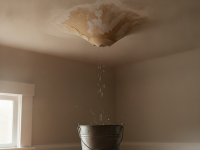
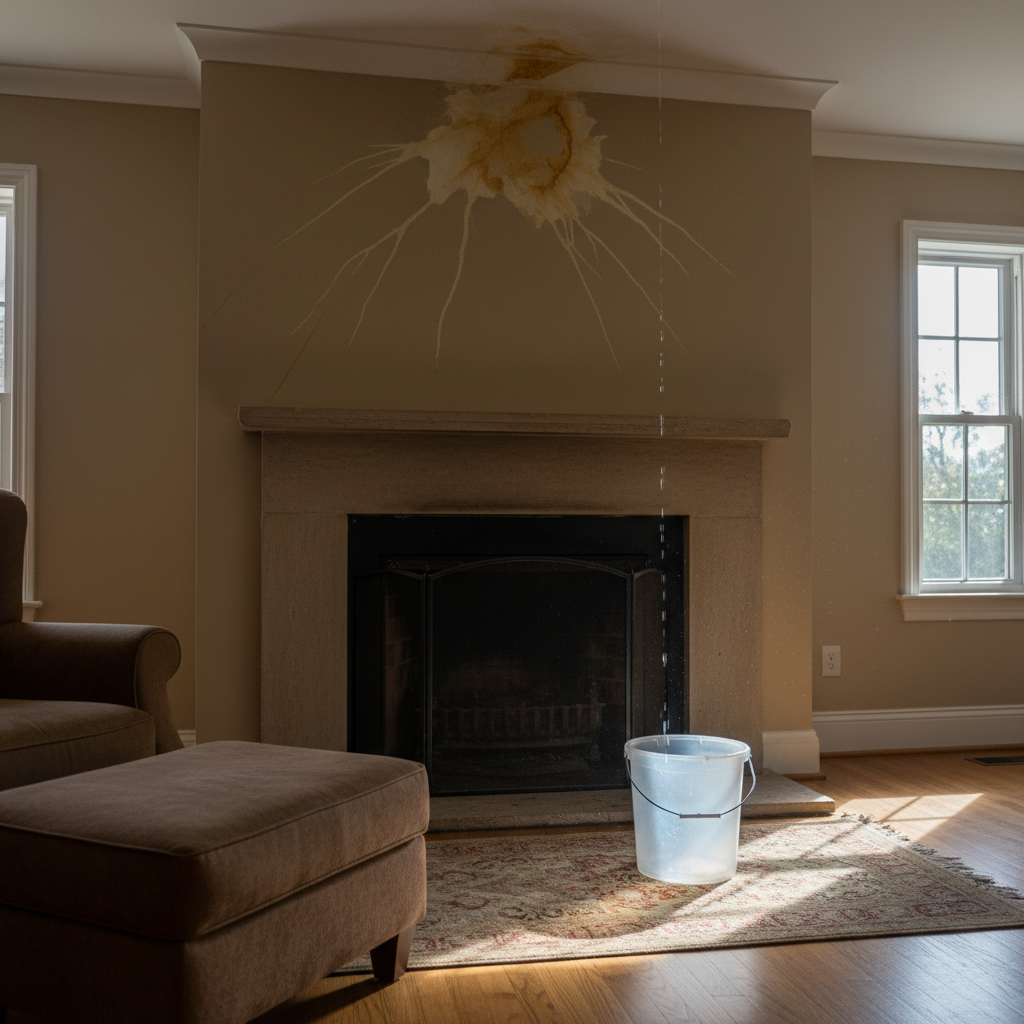
- Water Stains: The most obvious sign. Look for discolored patches on the ceiling around the fireplace, on the walls adjacent to the chimney, or inside the firebox itself. These stains often appear after heavy rain.
- Musty Odors: A persistent damp, musty smell coming from the fireplace, especially after rainfall, indicates water penetration and potential mold growth.
- Spalling Bricks: If you notice pieces of brick flaking, peeling, or popping off the exterior of your chimney, it’s a clear sign of water saturation and freeze-thaw damage.
- Rust: Rusting on the damper, firebox components, or even the chimney cap or chase cover is a strong indicator of water presence.
- Efflorescence: White, powdery deposits on the exterior masonry surface are mineral salts left behind as water evaporates from the bricks. This indicates that water is passing through the masonry.
- Dampness in the Attic: Check your attic space around the chimney structure for signs of dampness or water stains on insulation or wood.
Immediate Steps When You Discover a Leak
If you find your chimney leaking during storms, don’t panic. Take these immediate steps:
- Ensure Safety: If water is near electrical outlets or appliances, turn off the power to that area at your circuit breaker. Never touch live wires or electronics with wet hands.
- Contain the Water: Place buckets or towels to catch the dripping water and prevent further damage to your floors or furnishings.
- Document the Damage: Take clear photos and videos of the leak, water stains, and any visible damage. This will be invaluable for insurance claims and when discussing repairs with professionals.
- Ventilate: Open windows and use fans to help dry out the affected area, reducing the risk of mold growth.
- Contact a Professional: A leaking chimney is not typically a DIY job. Reach out to a certified chimney sweep or a reputable roofing contractor specializing in chimney repair.
DIY Troubleshooting vs. Professional Repair
While some minor tasks can be performed by a diligent homeowner, most chimney leak repairs require professional expertise due to safety risks and the specialized knowledge involved.
What You Can Safely Check
- Gutter Inspection: From the ground, ensure gutters near the chimney are clear of debris and draining properly.
- Visual Inspection (Ground Level): Look for obvious signs like a missing chimney cap, significant mortar deterioration, or spalling bricks that are visible without climbing onto the roof.
- Indoor Observations: Continuously monitor water stains and odors to help pinpoint the general location of the leak.
When to Call the Experts
Any work involving roof access, structural repairs, or specialized chimney components should always be left to certified professionals. They have the training, equipment, and insurance to safely and effectively diagnose and repair chimney leaks. Attempting complex repairs yourself can lead to further damage, personal injury, or even fire hazards.
Comprehensive Solutions for a Leaky Chimney
A professional will conduct a thorough inspection, often involving a roof ascent and potentially a camera inspection of the flue, to accurately diagnose the source of the water ingress. Based on their findings, they may recommend one or a combination of the following solutions:
Repairing or Replacing the Chimney Cap/Crown
- Chimney Cap: If the cap is missing, rusted, or too small, it will need to be replaced with a correctly sized, durable cap (stainless steel or copper are good choices).
- Chimney Crown: Small cracks in a concrete crown might be sealed with a flexible sealant. However, extensive cracking or poor construction often necessitates a complete crown replacement with a properly sloped, watertight concrete slab that overhangs the masonry.
Flashing Repair and Installation
Faulty flashing is a very common culprit. Repair options range from resealing minor gaps with high-quality caulk (temporary fix) to a full re-flashing. Proper flashing involves base flashing (bent to follow the roof slope) and step flashing (woven in with shingle courses), all carefully integrated and sealed to create a durable, watertight barrier. Often, counter-flashing is cut into the mortar joints for an extra layer of protection.
Mortar Joint Repointing and Brick Repair
When mortar joints deteriorate, a process called “repointing” (also known as tuckpointing) is performed. This involves grinding out the old, failing mortar and replacing it with fresh mortar, restoring the chimney’s structural integrity and water resistance. Spalling or severely damaged bricks will need to be carefully removed and replaced with new, matching bricks to maintain the chimney’s strength and appearance.
Chase Cover Replacement
For metal chimneys, if the chase cover is rusted or damaged, it should be replaced. Stainless steel or copper chase covers are highly recommended as they are much more durable and rust-resistant than galvanized steel, offering long-term protection against water leaks.
Waterproofing the Chimney Exterior
Once masonry repairs are complete, a breathable, water-repellent sealant can be applied to the exterior of the chimney. This sealant penetrates the masonry, allowing the bricks to breathe while preventing water from being absorbed. This is an excellent preventative measure, especially for older or porous masonry, and can significantly reduce the chances of your chimney leaking during storms.
Addressing Gutter and Roof Drainage
A professional will also assess your roof and gutter system to ensure proper water diversion. This might involve cleaning out gutters, adjusting their slope, or repairing damaged sections to prevent water from pooling around the chimney’s base. Proper roof maintenance is a critical component of overall chimney health.
Preventing Future Chimney Leaks
Proactive maintenance is your best defense against a leaking chimney. Regular attention can prevent minor issues from becoming major, costly problems.
- Regular Inspections and Maintenance: Have your chimney professionally inspected at least once a year by a certified chimney sweep. They can identify potential issues like cracks, deteriorating mortar, or flashing problems before they lead to significant leaks. This includes checking the chimney cap, crown, flashing, and masonry condition.
- Proper Installation from the Start: If you’re building a new home or having a chimney installed, ensure it’s done by experienced professionals who adhere to building codes and best practices. Quality installation pays off in the long run.
- Investing in Quality Materials: When replacing components like chimney caps or chase covers, opt for durable, weather-resistant materials like stainless steel or copper. For masonry, ensure high-quality mortar and bricks are used.
- Proactive Waterproofing: Consider having a professional apply a breathable, silane/siloxane-based water repellent to your chimney masonry. This helps the bricks shed water without trapping moisture inside, significantly reducing absorption and preventing future leaks.
- Maintain Your Roof and Gutters: Regularly clean your gutters and ensure your roof’s drainage system is functioning correctly. Prevent water from pooling around the base of your chimney.
Frequently Asked Questions (FAQs)
Q: How much does it cost to fix a leaking chimney?
A: The cost to fix a leaking chimney varies widely depending on the source and extent of the damage. Minor repairs like resealing flashing or replacing a chimney cap might cost a few hundred dollars. More extensive work, such as repointing the entire chimney, replacing a crown, or comprehensive flashing repair, can range from $1,000 to several thousand dollars. Get multiple quotes from reputable professionals.
Q: Can a leaking chimney cause structural damage?
A: Yes, absolutely. Prolonged water intrusion can weaken the mortar and bricks, compromising the structural integrity of the chimney itself. Water can also seep into the surrounding roof and wall structures, leading to wood rot, damaged drywall, insulation issues, and even foundation problems if left unchecked. It can also cause rust on metal components, further weakening the structure.
Q: Is a chimney leak an emergency?
A: While not typically a life-threatening emergency like a fire, a persistent chimney leak is a serious issue that requires prompt attention. The longer water enters your home, the greater the risk of mold growth, structural damage, and costly repairs. It’s best to address it as soon as you discover it.
Q: How often should my chimney be inspected?
A: The Chimney Safety Institute of America (CSIA) recommends that chimneys be inspected annually by a certified professional. This helps ensure safe operation and allows for early detection of any potential issues, including those that could lead to leaks.
Q: Can I waterproof my chimney myself?
A: While there are DIY waterproofing products available, it’s generally recommended to have chimney waterproofing done by a professional. They have the expertise to select the correct breathable sealant, properly prepare the surface, and apply it evenly and safely, especially when working on a roof. Improper application can trap moisture inside the masonry, exacerbating problems.
Conclusion
A chimney leaking during storms is more than just an inconvenience; it’s a warning sign that your home’s protective envelope has been compromised. Identifying the source of the leak, whether it’s a damaged cap, faulty flashing, or deteriorating masonry, is crucial for effective repair. While some visual checks can be done by homeowners, the complexity and safety risks involved mean that professional diagnosis and repair are almost always the best course of action. By prioritizing regular inspections, prompt repairs, and proactive maintenance, you can ensure your chimney remains a sturdy, leak-free asset, protecting your home through countless storms to come.