Common Reasons Your Dishwasher Smells Like Sewage
A sewage-like smell emanating from your dishwasher is rarely a sign of actual raw sewage backing up, but rather an indicator of bacterial growth, stagnant water, or poor drainage that mimics the odor of sewer gases. Pinpointing the exact source is crucial for an effective solution. Here are the most frequent culprits:
1. Clogged or Dirty Dishwasher Filter
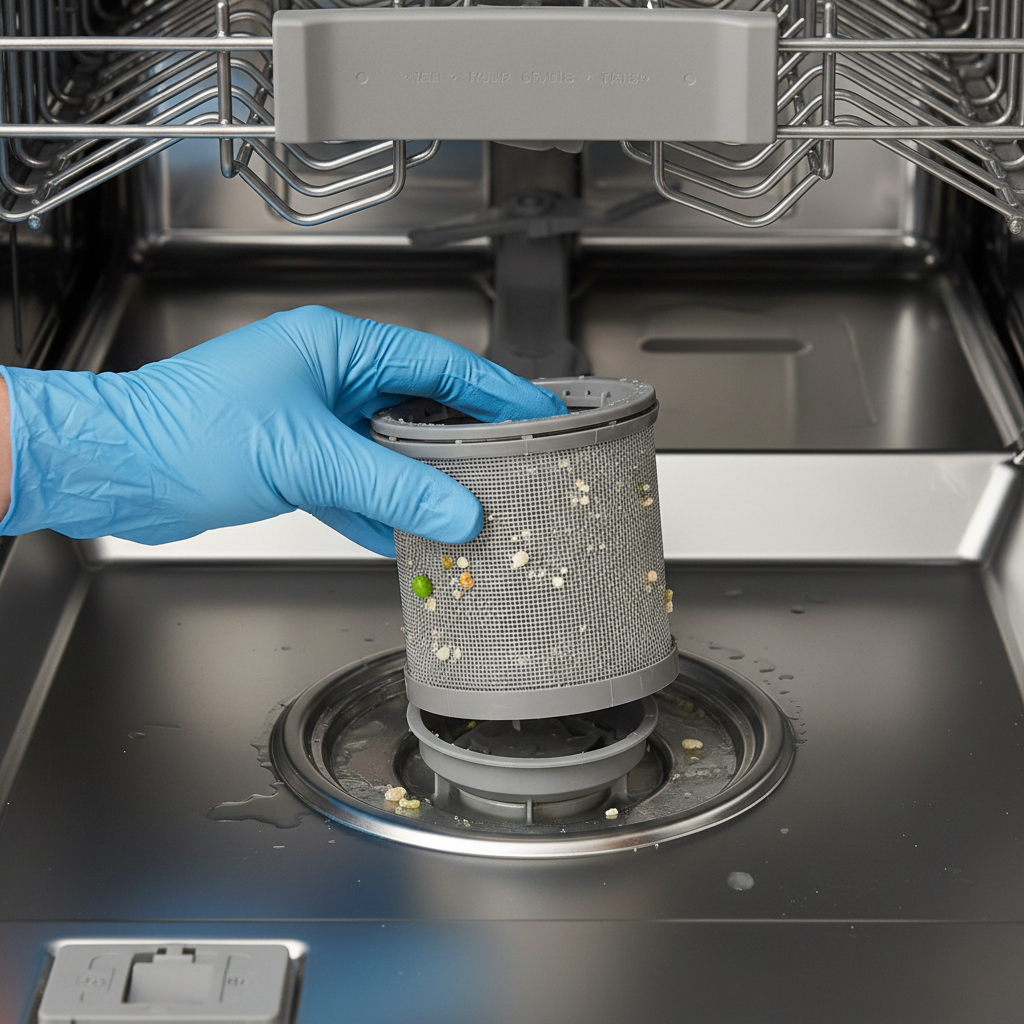
One of the most common reasons for a smelly dishwasher is a dirty or clogged filter. Modern dishwashers, particularly those without a built-in food grinder, rely on a filter system to trap food particles and prevent them from recirculating onto your dishes. Over time, these trapped particles accumulate, decompose, and become a breeding ground for bacteria, producing a distinctly foul, sewage-like odor. This filter, usually located at the bottom of the dishwasher, needs regular cleaning to function effectively and prevent bad smells. Ignoring it can lead to a persistent rotten egg smell that seems to permeate your entire kitchen.
2. Food Particle Buildup in the Drain Hose
The drain hose is responsible for carrying wastewater out of your dishwasher and into your home’s drainage system, often connecting to the garbage disposal or a dedicated drain. If food particles, grease, or other debris aren’t properly flushed out, they can accumulate inside the hose. This stagnant organic matter begins to rot and decompose, leading to a strong, offensive odor that can easily diffuse back into the dishwasher tub. The drain hose typically has ridges or bends where food can get stuck, making it a prime location for bacterial growth and the resulting sewer smell.
3. Standing Water in the Bottom of the Dishwasher
After a wash cycle, there should be little to no standing water in the bottom of your dishwasher. If you consistently find a pool of water, especially cloudy or dirty water, it’s a major red flag. This standing water, often mixed with leftover food residue, quickly becomes a stagnant cesspool where mold, mildew, and anaerobic bacteria thrive. These microorganisms produce sulfurous gases, resulting in that tell-tale sewage odor. Persistent standing water indicates a drainage issue, which could range from a clogged filter to a malfunctioning drain pump or a blocked drain line.
4. Clogged Air Gap
Many dishwashers are equipped with an “air gap” device, typically a small cylindrical fixture found on the countertop near the kitchen faucet. Its purpose is to prevent contaminated dishwasher water from siphoning back into your clean water supply (a process called backflow). If this air gap becomes clogged with food debris, mineral deposits, or grease, it can impede proper drainage from the dishwasher, causing water to back up or sit stagnant. A clogged air gap can lead to slow draining and contribute significantly to a bad odor from the dishwasher, as the stagnant water within the dishwasher tub or drain hose begins to fester.
5. Sump Area Issues
The sump area is a recessed part at the very bottom of your dishwasher tub, beneath the filter, where water collects before being pumped out. If the filter is consistently dirty or if larger food particles manage to bypass the filter, they can accumulate in the sump. This hidden area can harbor a surprising amount of decaying organic matter, leading to a potent sewage odor. Over time, grease and grime can also build up, creating a sticky environment perfect for bacterial growth. Regularly inspecting and cleaning the sump area is essential for preventing these kinds of hidden smells.
6. Drain Pump Problems
The drain pump is a critical component responsible for expelling water from the dishwasher at the end of a cycle. If the drain pump is failing or partially obstructed, it may not be able to fully evacuate all the water. This can lead to persistent standing water in the bottom of the tub, even if it’s just a small amount that you don’t immediately notice. As discussed, stagnant water is a breeding ground for odor-producing bacteria. A faulty drain pump can manifest as slow drainage, incomplete drainage, or unusual noises during the drain cycle, all of which can contribute to a rotten egg smell.
7. Improper Installation or Drainage Issues (S-trap, High Loop)
Correct installation is paramount for proper dishwasher drainage. If the drain hose is installed incorrectly, it can lead to odors.
- No High Loop: The dishwasher drain hose should have a “high loop” or be connected to an air gap. A high loop means the drain hose rises to the underside of the countertop before descending to the garbage disposal or drain. This prevents wastewater from the sink or garbage disposal from flowing back into the dishwasher (backflow) and also prevents residual water from settling in the hose, which can cause a sewer smell.
- Improper P-Trap/S-Trap: Your kitchen sink’s drain should have a P-trap, a U-shaped pipe that holds a small amount of water to create a seal, preventing sewer gases from entering your home. If the P-trap is dry (due to disuse or improper venting) or if an old S-trap is installed (which can siphon dry), sewer gases can find their way into the dishwasher’s drain line and, consequently, into the dishwasher itself.
These plumbing issues require correct configuration to ensure efficient drainage and prevent nasty smells.
8. Blocked Garbage Disposal
If your dishwasher’s drain hose connects to your garbage disposal, a clog or significant food buildup within the disposal unit can directly impact the dishwasher’s drainage. Food particles sitting in the disposal, especially if it’s not run frequently or thoroughly, can rot and emit strong odors. Since the two are often interconnected, these foul smells can easily migrate up the drain hose and into the dishwasher tub. Running the garbage disposal regularly with plenty of water is essential, especially after heavy use, to prevent this source of stench.
9. Mold and Mildew Growth
Dishwashers are warm, damp environments, making them ideal breeding grounds for mold and mildew, especially around the door gasket, sprayer arms, and crevices. These fungi thrive on food particles and moisture, producing musty, earthy, and sometimes sewage-like odors. If you see black or pinkish growth, you’ve likely found a major contributor to your dishwasher’s bad smell. Regular cleaning and ensuring proper ventilation are key to keeping these unwanted guests at bay.
10. Sewer Gas Backup (Dry P-Trap)
While less common for a well-used dishwasher, if the P-trap under your kitchen sink (to which your dishwasher often drains) dries out, it can allow sewer gases to escape into your home. This typically happens if a sink hasn’t been used for an extended period, allowing the water in the P-trap to evaporate. These gases can then travel through the drain line and into the dishwasher. Regularly running water in your sink can prevent a dry P-trap, maintaining the water seal that blocks these odors.
11. Poor Odor Control Practices
Sometimes, the smell isn’t due to a major malfunction but simply a lack of regular maintenance. Not scraping dishes sufficiently before loading, leaving dirty dishes in the dishwasher for extended periods before running a cycle, or failing to regularly clean the interior can all contribute to a cumulative, unpleasant odor. These practices allow food residues to decompose and bacteria to multiply, leading to an inevitable stinky dishwasher.
DIY Solutions to Eliminate the Sewage Smell
Once you’ve identified the potential source of the sewage smell, it’s time to tackle the problem head-on. Most issues can be resolved with some straightforward DIY cleaning and maintenance. Always disconnect power to the dishwasher before performing any deep cleaning or inspections, especially if you’re reaching into the sump area.
1. Deep Cleaning Your Dishwasher
This is often the first and most effective step.
- Clean the Filter: Locate your dishwasher’s filter, usually at the bottom of the tub under the lower spray arm. Twist or pull it out according to your manual’s instructions. Rinse it thoroughly under hot running water to remove all food particles. Use an old toothbrush and dish soap to scrub away stubborn grime and grease. Reinstall the clean filter. This simple step can dramatically reduce the bad odor from your dishwasher.
- Clean Spray Arms: Remove the upper and lower spray arms (check your manual for removal instructions). Use a toothpick or small brush to clear any clogged holes where water sprays out. Food particles can get stuck here, impeding water flow and fostering bacterial growth.
- Clean Door Gasket and Sump Area: Wipe down the door gasket (the rubber seal around the door) with a damp cloth and white vinegar or a mild cleaner. Food and grime often accumulate here. Pay close attention to the area around the sump, underneath where the filter sits. Use a brush or sponge to clean out any visible debris or sludge.
- Run an Empty Hot Cycle: After manually cleaning, run your empty dishwasher on the hottest, longest cycle available. This helps flush out any loosened debris and can kill remaining bacteria.
2. Vinegar and Baking Soda Treatment
This classic combination is excellent for deodorizing and cleaning.
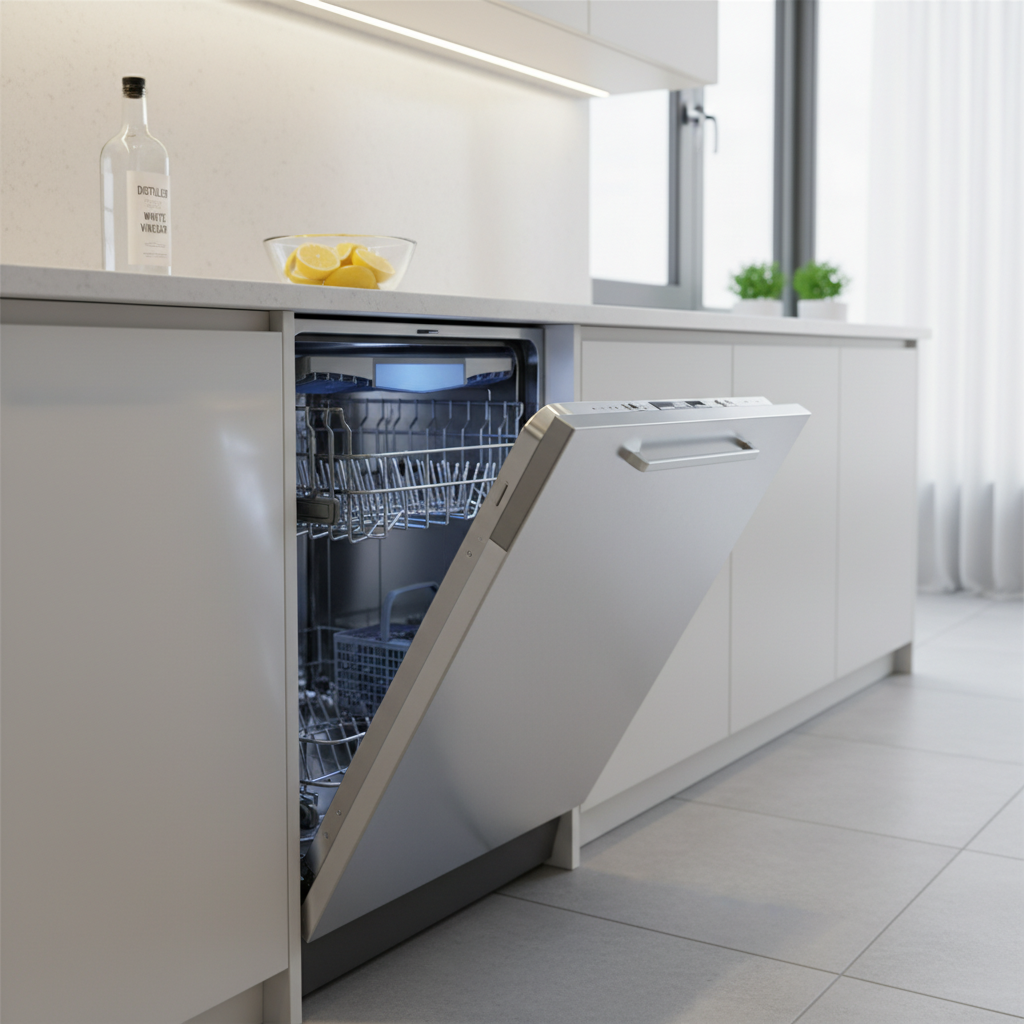
- Vinegar Cycle: Place a dishwasher-safe bowl filled with one cup of white vinegar on the top rack of your empty dishwasher. Run a hot water cycle. The vinegar’s acidity helps cut through grease, dissolve mineral deposits, and kill odor-causing bacteria.
- Baking Soda Boost: After the vinegar cycle, sprinkle one cup of baking soda across the bottom of the empty dishwasher tub. Run another short, hot wash cycle. Baking soda is a natural deodorizer and will absorb any lingering smells.
This two-step process is highly effective against a persistent sewage smell in dishwasher appliances.
3. Citrus Power Cleaning
For a natural and fragrant cleaning boost, use citrus. Place lemon or orange peels (or even a cup of lemon juice) in the utensil basket and run a regular hot cycle. The citric acid helps to break down grease and mineral buildup, while the natural oils leave a fresh scent. You can also run a cycle with a dishwasher cleaner tablet that often contains citric acid for similar benefits.
4. Checking and Clearing the Drain Hose
If the smell persists, the drain hose might be the culprit.
- Inspect for Kinks: Visually check the drain hose for any obvious kinks or bends that could be restricting water flow.
- Disconnect and Clean: For a thorough cleaning, you might need to disconnect the drain hose from both the dishwasher and the sink/garbage disposal. Place a bucket underneath to catch any residual water. Flush the hose with hot, soapy water or a mixture of vinegar and baking soda. A plumbing snake or a stiff brush can be used to dislodge any stubborn blockages. Reconnect securely.
Ensure you refer to your appliance manual for proper disconnection and reconnection procedures to avoid leaks.
5. Inspecting and Cleaning the Air Gap
If you have an air gap (the small chrome cylinder on your counter near the faucet):
- Remove Cover: Unscrew or pry off the top cover of the air gap.
- Clear Debris: You’ll likely see a cap underneath. Remove it and inspect the internal chamber. Use a paper towel, small brush, or even a screwdriver to clear out any visible food particles, grime, or mineral buildup.
- Test Drainage: Once clean, replace the cap and cover, then run your dishwasher to ensure water drains freely and the sewage odor is gone.
6. Addressing the Garbage Disposal
If your dishwasher drains into a garbage disposal:
- Run Disposal Frequently: Make it a habit to run your garbage disposal regularly, especially after meals, using cold water.
- Clean Disposal: Grind ice cubes (which helps dislodge food particles) and then follow with citrus peels (for a fresh scent). You can also use specialized garbage disposal cleaners.
- Check for Blockages: Ensure the knockout plug (if new installation) is removed from the disposal if the dishwasher hose connects there. A small blockage in the disposal’s drain can cause dishwasher water to back up.
7. Ensuring Proper Drain Loop/Air Gap Installation
Check your dishwasher’s drain hose for proper installation.
- High Loop: The hose should either make a high loop under the counter before connecting to the drain or connect to an air gap. If it’s simply running straight down, you might be getting backflow. You can often create a high loop using a simple hose clamp or zip tie to secure the hose high up underneath the counter.
- P-Trap: Ensure your kitchen sink’s P-trap always has water in it. If you’ve been away, run the sink faucet for a minute to refill it.
Proper installation prevents the dreaded sewer smell in dishwasher appliances.
8. Running a Hot Water Cycle with a Dishwasher Cleaner
For a heavy-duty clean, consider purchasing a commercial dishwasher cleaner. These products are formulated to tackle grease, limescale, and odor-causing bacteria. Follow the package instructions, which usually involve placing the cleaner in an empty dishwasher and running a hot cycle. For reliable recommendations on cleaning appliances, resources like Good Housekeeping often provide useful guides to maintaining your dishwasher’s hygiene and efficiency.
When to Call a Professional Appliance Technician or Plumber
While many dishwasher odor issues can be resolved with DIY efforts, some problems require expert intervention. Knowing when to call a professional can save you time, frustration, and potential damage to your appliance or plumbing.
1. Persistent Odors Despite Cleaning
If you’ve diligently followed all the cleaning and maintenance steps outlined above, including deep cleaning the filter, spray arms, gaskets, and even checking the drain hose, but the sewage smell persists, it’s a strong indicator of a more complex underlying issue. This could involve deeply embedded blockages beyond easy reach, a hidden leak promoting mold growth, or a more serious component failure that you cannot readily diagnose or fix.
2. Water Drainage Issues
Any consistent problem with water drainage warrants professional attention. This includes:
- Standing Water: If water consistently remains in the bottom of your dishwasher after cycles, it’s likely a problem with the drain pump, a severe clog in the drain line, or an issue with the air gap that you couldn’t clear.
- Slow Drainage: Water draining very slowly might indicate a partial blockage that’s too deep or stubborn for home remedies, or a weak drain pump.
- Water Backing Up into the Sink: This is a clear sign of a significant clog in the shared drain line or an issue with the garbage disposal connection, often requiring a plumber.
These issues not only cause odors but can also prevent your dishes from getting clean and potentially lead to water damage.
3. Strange Noises During Operation
If your dishwasher starts making unusual grinding, humming, or buzzing noises, especially during the drain cycle, it could point to a failing drain pump. A struggling pump might not be able to expel all the water, contributing to stagnant water and the associated sewage odor. A professional technician can diagnose whether the pump needs repair or replacement.
4. Complex Plumbing Problems
If you suspect the issue stems from your home’s main plumbing system rather than just the dishwasher itself, a plumber is the right call. This includes:
- Dry P-Trap: If your P-trap is drying out frequently due to venting issues, a plumber can address this.
- Sewer Gas in Multiple Locations: If you’re experiencing sewer smells not just from the dishwasher but also from other drains in your kitchen or home, it points to a broader plumbing vent problem.
- Improper Drain Line Installation: If you’re unsure about the high loop or air gap installation, or if you believe the dishwasher’s drain line is incorrectly connected to the main plumbing, a plumber can assess and correct it.
Attempting to fix complex plumbing can lead to leaks, further blockages, or other costly damage if you’re not experienced.
Preventing Future Dishwasher Odors
An ounce of prevention is worth a pound of cure, especially when it comes to keeping your dishwasher smelling fresh. Incorporating these simple habits into your routine can prevent that dreaded sewage odor from returning.
1. Scrape Plates Thoroughly
Before loading dishes into the dishwasher, scrape off any large food scraps, bones, or excessive grease. While most dishwashers can handle small particles, reducing the amount of solid waste entering the system significantly minimizes the chances of filter clogs, drain hose blockages, and food decomposition in the sump. You don’t need to pre-rinse until the plates are spotless, but removing visible debris is crucial for preventing a stinky dishwasher.
2. Regular Filter Cleaning
Make cleaning your dishwasher’s filter a routine task. For most households, cleaning the filter once a week is ideal, especially if you run your dishwasher frequently. If you notice a faint odor developing, clean it immediately. A clean filter is your first line of defense against food particle buildup and the subsequent bacterial growth that causes that awful sewage smell.
3. Monthly Deep Cleans
Even with regular filter cleaning, a monthly deep clean is essential. This involves running an empty cycle with white vinegar, baking soda, or a commercial dishwasher cleaner. This routine helps to:
- Dissolve grease and mineral deposits.
- Kill odor-causing bacteria, mold, and mildew.
- Flush out any remaining debris from spray arms and the sump area.
This proactive approach ensures the entire interior of your appliance stays hygienic and prevents persistent odors from taking hold.
4. Run Full Loads
Try to run your dishwasher only when it’s full. Running half-empty loads uses the same amount of water and detergent but doesn’t necessarily get the same scrubbing power or thorough rinse, leaving more residue behind. Full loads ensure efficient use of resources and help to flush the system more effectively, reducing the likelihood of stagnant water and food particle accumulation. It also means you’re not leaving dirty dishes to fester for too long.
5. Keep the Door Ajar After Use
After a cycle is complete, leave the dishwasher door slightly ajar for at least 15-30 minutes, or even longer if possible. This allows warm, moist air to escape, promoting air circulation and helping the interior to dry thoroughly. By reducing moisture, you effectively inhibit the growth of mold, mildew, and odor-causing bacteria that thrive in damp, enclosed environments. This simple habit can go a long way in preventing a musty or sewage-like smell from developing.
6. Use Dishwasher Cleaner Regularly
Incorporate a specialized dishwasher cleaner into your monthly or quarterly maintenance routine. These cleaners are formulated to tackle the specific types of buildup (like limescale, grease, and food film) that can cause odors and reduce your dishwasher’s efficiency. They can reach areas that manual cleaning might miss, helping to keep the entire system clear and fresh. There are many effective options available from reputable brands.
7. Check for Proper Drainage Annually
Periodically inspect your dishwasher’s drain hose for kinks and ensure the high loop or air gap is properly installed and functioning. If your dishwasher connects to a garbage disposal, ensure the disposal is clear and free of blockages. If you’re unsure about your plumbing setup, a quick check by a professional plumber once a year can confirm everything is draining correctly and prevent potential issues that could lead to a sewage odor.
Frequently Asked Questions (FAQs)
Why does my dishwasher smell like rotten eggs?
A rotten egg smell from your dishwasher is typically caused by hydrogen sulfide gas, which is produced by anaerobic bacteria (bacteria that thrive without oxygen) decomposing organic matter. This usually means there’s a buildup of food particles, grease, or mold in the filter, drain hose, sump area, or even in standing water. It can also indicate a dry P-trap under your sink, allowing sewer gases to enter.
Can a dishwasher cause a sewer smell in the kitchen?
Yes, absolutely. A faulty dishwasher that isn’t draining properly, has a clogged filter, or harbors decaying food can emit strong, sewage-like odors that can quickly spread throughout your entire kitchen. The smell often travels through the air when the dishwasher door is opened, or can even diffuse from the drain connection. Addressing the source within the dishwasher or its drain line is key to eliminating the kitchen-wide odor.
How often should I clean my dishwasher filter?
For most households, it’s recommended to clean your dishwasher filter once a week, especially if you scrape dishes but don’t pre-rinse them extensively. If you notice any faint odors or see visible food particles on the filter, clean it immediately. Regular cleaning prevents the accumulation of debris that can cause bad smells and hinder your dishwasher’s performance.
Is it normal for some water to remain in the bottom of the dishwasher?
No, it’s not normal for standing water to remain in the bottom of your dishwasher after a cycle. A small amount of water might collect in the very bottom of the sump area (the recessed part under the filter), which is normal as part of the drain pump’s design to prevent seals from drying out. However, if you see a noticeable pool of water covering the bottom of the tub, or if the water is cloudy and dirty, it indicates a drainage issue that needs attention.
What’s the difference between an air gap and a high loop?
Both an air gap and a high loop serve the same purpose: to prevent wastewater from the sink or garbage disposal from flowing back into your dishwasher (backflow).
- An air gap is a physical device installed on your countertop, often a small chrome cylinder, that provides an actual air break in the drain line, making backflow impossible. Water from the dishwasher enters the air gap, passes through an air space, and then drains into the sink’s plumbing.
- A high loop is a simpler, passive method where the dishwasher’s drain hose is routed up to the highest point possible under the kitchen counter before dropping down to connect to the drain. This elevation creates an anti-siphon effect, preventing backflow by gravity.
Many local plumbing codes require one or the other, or sometimes both.
Conclusion
A dishwasher that smells like sewage is more than just an inconvenience; it’s a call to action. While the odor is certainly unpleasant, the good news is that most causes are easily remedied with a bit of routine maintenance and deep cleaning. From clearing clogged filters and drain hoses to ensuring proper ventilation and plumbing, the solutions are often within your reach. By understanding the common culprits and implementing the DIY fixes, you can restore your appliance to its fresh, clean-smelling glory. Remember that consistent preventive care, like scraping dishes and running monthly cleaning cycles, is your best defense against future odors. If, however, the sewage smell persists despite your best efforts, or if you encounter persistent drainage problems or unusual noises, don’t hesitate to consult a professional appliance technician or plumber. They have the expertise to diagnose and resolve more complex issues, ensuring your kitchen remains a clean and pleasant space.